Trusted by 150+ Homeowners
Toilet Overflow Cleanup in Galveston, TX
- Over 152 5-Star Reviews
- Free Estimates and Quotes
- 100% Satisfaction Guaranteed
- Child, Family & Pet Safe Steps
- 24-Hour Emergency Service
- Fully Licensed & Insured

When Your Toilet Overflows in Galveston, TX
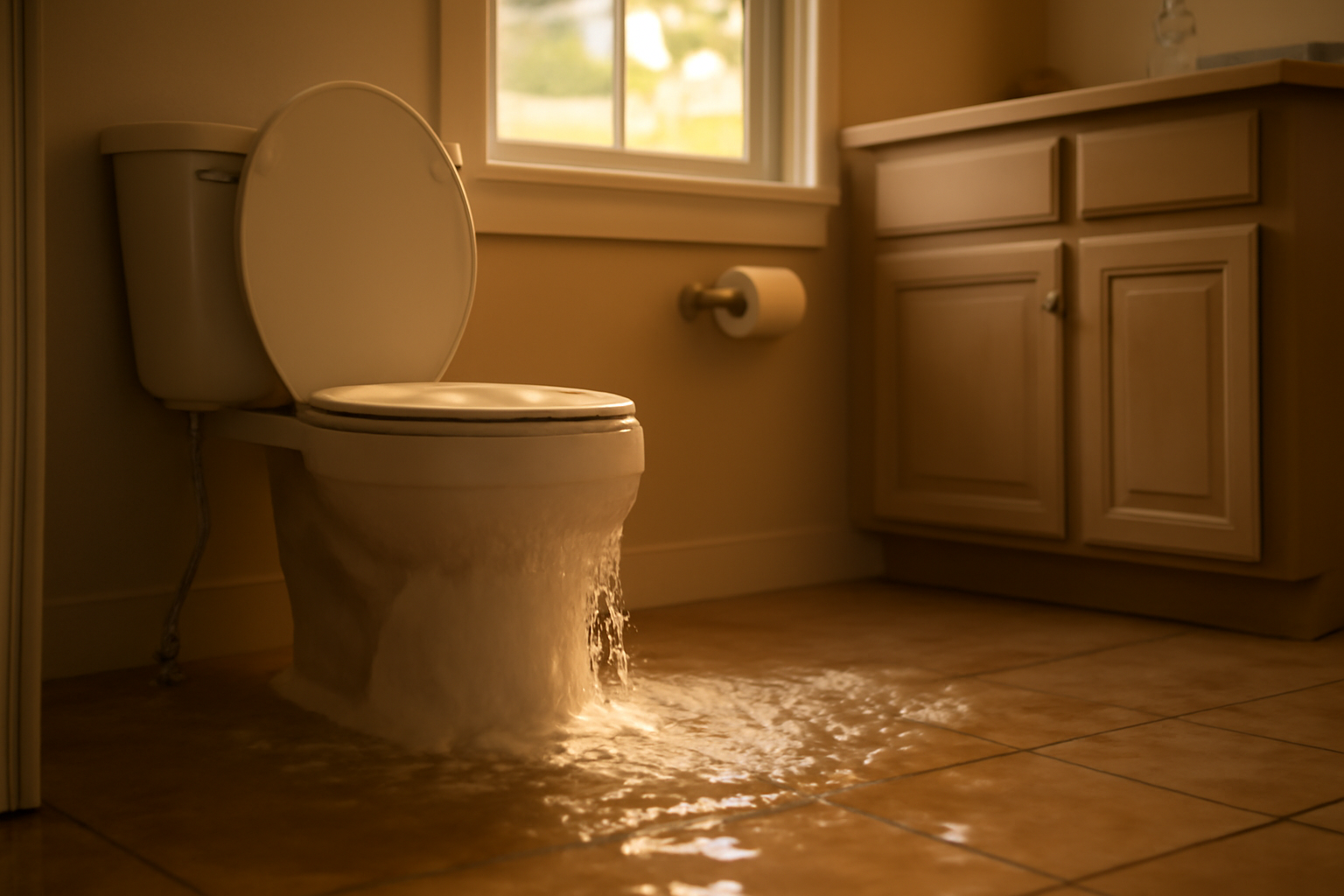
It’s a familiar feeling for us living down here: that sudden, sinking dread when you notice water where it shouldn’t be. With the humidity and occasional heavy rains we get, especially near the coast, even small plumbing issues can quickly turn into big messes. A toilet overflow isn’t just an inconvenience; it’s a potential health hazard and can cause hidden structural damage if not handled right away. You’re probably wondering what to do next, and that’s where we come in.
Homeowners around the area trust us because we understand the urgency of these situations. We’ve helped hundreds of neighbors deal with toilet overflows, and our 165+ five-star reviews speak to our commitment. We focus on getting your home clean and dry, fast, with minimal disruption to your life. When you’re dealing with a watery mess, you want someone who knows exactly what they’re doing.
- We tackle the immediate water removal and drying, preventing further damage and mold growth.
- Our team uses specialized equipment to detect and remove moisture you can’t even see.
- We provide clear communication throughout the entire process, so you always know what’s happening.
How We Handle Toilet Overflow Cleanup
When a toilet overflows, time is critical. Letting that contaminated water sit can lead to serious problems like mold and compromised building materials. That’s why our approach is always thorough and efficient. We don’t just mop up the visible water; we ensure your property is completely dried and sanitized, using a systematic process that’s been refined over countless projects. Cutting corners here can lead to long-term structural issues and ongoing health concerns.
Step 1: Initial Assessment and Water Extraction
First, we’ll quickly assess the situation, identify the source of the overflow, and determine the extent of the water damage. Then, our crews get to work immediately extracting standing water using powerful, commercial-grade water pumps and vacuums. This is a crucial first step to prevent water from spreading and causing more harm.
Step 2: Containment and Structural Drying
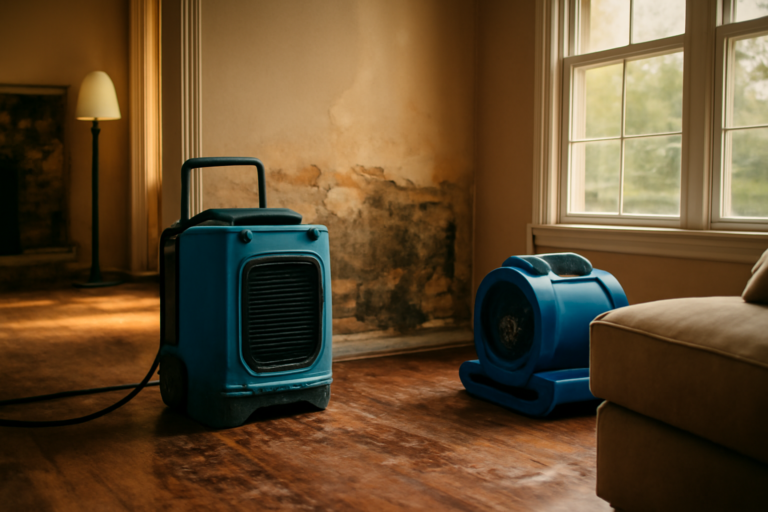
Once the bulk of the water is gone, we set up containment barriers if needed to prevent moisture from affecting unaffected areas. We then deploy specialized drying equipment, like high-speed air movers and industrial dehumidifiers, to systematically dry out your floors, walls, and subflooring. This stage is key for preventing secondary damage like mold.
Step 3: Sanitization and Odor Removal
Toilet overflow water is often contaminated. We use EPA-approved disinfectants and sanitizing agents to thoroughly clean and sanitize all affected surfaces, eliminating bacteria and viruses. We also address any lingering odors, ensuring your home smells fresh and clean again. This step is vital for your family’s health and safety.
Step 4: Moisture Monitoring
We don’t just set up equipment and leave. Our technicians continuously monitor moisture levels with specialized meters to ensure that all materials are dried to industry standards. This meticulous attention to detail guarantees that the drying process is complete and effective, preventing future mold growth.
Step 5: Reinstallation and Restoration
After everything is dry and sanitized, we’ll take care of any necessary minor repairs or reinstallation of fixtures. Our goal is to return your bathroom to its pre-overflow condition. We handle everything from minor cosmetic fixes to ensuring your plumbing is functioning correctly.
Don’t let a toilet overflow disrupt your life for longer than necessary. Reach out to us for a prompt and professional response to get your home back to normal.
Warning Signs You Need Toilet Overflow Cleanup
Catching the signs of a persistent toilet issue early can save you a lot of headaches and expense. Ignoring small problems can lead to much bigger, more costly damage down the road. Be aware of what to look for around your home.
Musty Odors That Won’t Go Away
If you detect a persistent damp or musty smell, especially in your bathroom or nearby areas, it’s a strong indicator of hidden moisture. This often means water has been trapped, leading to potential mold development.
Soft or Spongy Flooring
Check your bathroom floors, particularly around the toilet base. If they feel soft, spongy, or uneven underfoot, it suggests that the subfloor has absorbed water and is likely weakening structurally.
Water Stains on Ceilings or Walls
Look for discolored or warped patches on your walls or ceilings, especially directly below a bathroom. These are clear signs of water penetration, indicating a leak or overflow that has compromised the building materials, leading to unsightly damage.
Peeling or Bubbling Paint/Wallpaper
When paint or wallpaper starts to peel, bubble, or blister, it’s often because moisture is getting trapped behind it. This is a visual cue that water damage is present and requires immediate attention.
Unusual Sounds from Plumbing
Gurgling sounds from drains or toilets when they aren’t in use, or sounds of running water when fixtures are off, can signal underlying plumbing issues. These noises might indicate leaks or blockages that could lead to an overflow.
Toilet Overflow Cleanup vs. DIY: When To Call a Professional
| Situation | DIY? | Call a Pro? | Why |
|---|---|---|---|
| Minor splash-back after flushing | Yes, if contained to the tile floor and immediately cleaned. | No. | Quick wipe-down is usually sufficient for surface water. |
| Toilet bowl water level stays high after flushing, but doesn’t overflow | Sometimes, if you’re comfortable with basic plumbing. | Yes, if you’re unsure or it persists. | Could indicate a partial clog needing professional tools to clear safely. |
| Toilet backs up, but water recedes on its own | No. | Yes. | Even if it recedes, there’s likely a blockage causing the issue, which can lead to future overflows. |
| Toilet overflows onto the bathroom floor, with water spreading several feet | No. | Yes. | Significant water requires professional extraction and drying equipment to prevent mold and structural damage. |
| Overflow water has soaked into carpets or subflooring | Absolutely not. | Yes. | Professional drying and sanitization are essential to prevent mold and preserve the integrity of your home’s structure. |
| You suspect sewage contamination | Never. | Yes. | Sewage is a biohazard and requires specialized cleaning, sanitization, and safety protocols. |
While minor spills can sometimes be managed with quick DIY cleanups, anything involving significant water spread, potential contamination, or saturation of materials like subflooring requires professional intervention. Trusting our team ensures a thorough and safe remediation.
Toilet Overflow Cleanup Cost In Galveston, TX
The cost of toilet overflow cleanup in Galveston, TX can vary depending on the severity of the overflow, how quickly we can access the property, and the extent of the affected areas. These figures are general estimates to give you an idea of what to expect for this specific service.
| Service | Typical Price Range | What Affects Cost |
|---|---|---|
| Water Extraction & Immediate Drying | $500 – $2,500 | Amount of standing water and size of the affected room. |
| Dehumidification & Air Moving | $750 – $3,000 | Duration needed to dry materials, number of units required. |
| Sanitization & Odor Treatment | $300 – $1,500 | Size of the area treated and type of sanitizers used. |
| Mold Prevention Treatment | $400 – $1,800 | Area size requiring preventive application. |
| Minor Structural Drying (e.g., subfloor) | $1,000 – $4,000+ | Depth and extent of water saturation in building materials. |
| Plumbing Inspection (post-cleanup) | $150 – $400 | Whether minor repairs are needed or just an assessment. |
For an accurate quote tailored to your specific situation, we always recommend scheduling a free, no-obligation estimate. Our technicians will assess the damage and provide a detailed breakdown of the costs involved, giving you complete clarity on pricing.
Service Areas Near Galveston, TX
Bacliff, Bayview, Bolivar Peninsula, Clear Lake Shores, Crystal Beach, Dickinson, Friendswood, Galveston Island, Hitchcock, Kemah, La Marque, League City, Liverpool, Manvel, Montegut, Port Bolivar, San Leon, Santa Fe, Texas City, Tiki Island.
Common Questions About Toilet Overflow Cleanup
What should I do immediately after a toilet overflows?
Your first priority is to stop the water flow if possible by shutting off the toilet’s water supply valve, usually located behind the toilet. Then, try to contain the water to prevent it from spreading further. If the overflow is severe, consider turning off your home’s main water supply. We can guide you through these initial steps over the phone and dispatch our team for immediate water mitigation.
How long does toilet overflow cleanup usually take?
The timeline can vary significantly. Simple water removal and surface drying might take a day or two. However, if water has saturated subflooring or walls, the drying process with specialized equipment could take three to five days or longer. We monitor moisture levels closely to ensure complete drying.
Is toilet overflow water dangerous?
Yes, toilet overflow water can contain bacteria, viruses, and other contaminants from sewage, making it a biohazard. It’s crucial to avoid direct contact with the water and to have professionals handle the cleanup. Our team uses proper protective gear and effective sanitization methods to ensure your home is safe.
What kind of equipment do you use for toilet overflow cleanup?
We use a range of professional-grade equipment, including high-powered water extractors, industrial dehumidifiers, air movers to speed up drying, moisture meters for precise readings, and specialized cleaning agents for sanitization. This advanced equipment allows us to remove water efficiently and dry your property thoroughly, addressing hidden moisture problems.
How can I prevent toilet overflows in the future?
Regular maintenance is key. Avoid flushing items that aren’t toilet paper, like paper towels or feminine hygiene products. If you notice slow drains or gurgling sounds, address them promptly. Consider having your plumbing inspected periodically, especially in older homes. These preventative measures can save you from costly emergency services.
Check Our Other Relevant Services

Gary Gwin: Damage Restoration Expert
With over 20 years of hands-on experience, Gary Gwin is a trusted authority in property recovery and disaster mitigation. As a licensed specialist, Gary has dedicated his career to restoring safety and peace of mind for homeowners facing environmental crises.
𝗖𝗲𝗿𝘁𝗶𝗳𝗶𝗰𝗮𝘁𝗶𝗼𝗻𝘀: Gary holds multiple advanced IICRC certifications, including Water Damage Restoration (WRT), Applied Microbial Remediation (Mold), Applied Structural Drying (ASD), Odor Control, and Fire and Smoke Restoration. His deep technical knowledge ensures every project meets the highest industry standards for health and safety.
𝗕𝗲𝘀𝘁 𝗣𝗮𝗿𝘁 𝗼𝗳 𝘁𝗵𝗲 𝗝𝗼𝗯: Gary finds the most fulfillment in guiding families through the recovery process, transforming a chaotic property loss into a restored, habitable home.
𝗙𝗮𝘃𝗼𝗿𝗶𝘁𝗲 𝗣𝗮𝘀𝘁𝗶𝗺𝗲: When off the clock, Gary enjoys exploring local hiking trails and woodworking.