Trusted by 150+ Homeowners
Mold Inspection & Testing in Hempstead, TX
- Over 152 5-Star Reviews
- Free Estimates and Quotes
- 100% Satisfaction Guaranteed
- Child, Family & Pet Safe Steps
- 24-Hour Emergency Service
- Fully Licensed & Insured
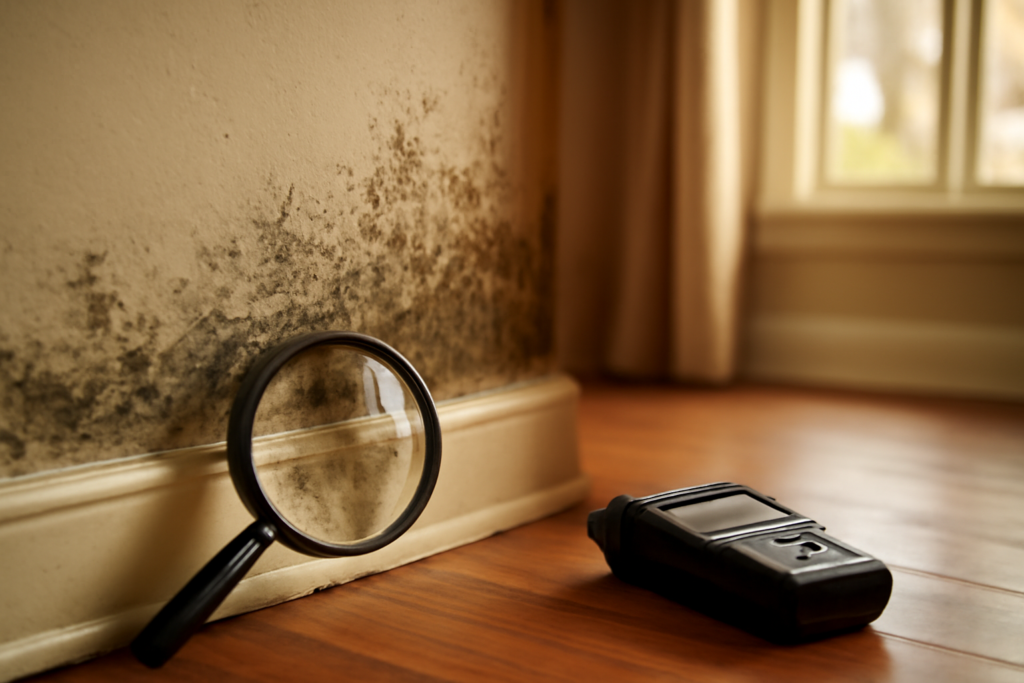
Your Trusted Source for Mold Inspection & Testing in Hempstead, TX
When you suspect mold might be a problem in your home or business, it’s easy to feel overwhelmed. We understand that firsthand. We’ve spent years helping property owners right here in Hempstead, TX, navigate the confusion and worry that comes with potential mold growth. Whether it’s a persistent musty smell you can’t pinpoint or visible signs of discoloration, getting a clear picture of the situation is the crucial first step. Accurate mold identification is key to protecting your property and your health, and we’re here to provide that clarity with unwavering professional expertise.
Our local homeowners trust us with their mold concerns because we bring a level of dedication and thoroughness that’s hard to match. We’ve earned over 165 five-star reviews by consistently delivering honest assessments and effective strategies. You’re not just hiring a service; you’re partnering with neighbors who genuinely care about the well-being of your property and your family. We’re committed to providing detailed inspection reports and helping you understand exactly what you’re dealing with, so you can make informed decisions moving forward. That’s why so many in your neighborhood choose our team for reliable mold testing.
- We pinpoint the exact type and extent of mold growth, providing definitive answers where guesswork fails.
- Our certified technicians use specialized equipment to detect hidden mold, even behind walls or under flooring.
- We deliver clear, actionable reports that form the basis for any necessary remediation, saving you time and money.
How Our Mold Inspection & Testing Process Works
A proper mold inspection and testing process isn’t just about finding mold; it’s about understanding its source, its type, and its potential impact on your health and property. Cutting corners here can lead to missed problems, incomplete remediation, and recurring issues down the line. We follow a structured, methodical approach to ensure every aspect is covered. You’ll appreciate our transparent communication throughout the entire service, from the initial assessment to the final report. We believe in empowering you with knowledge, so you’re never left guessing about the health of your home.
Initial Consultation and Assessment
We begin by listening to your concerns and gathering information about your property. This includes asking about any visible signs, odors, or past water damage events. We’ll then conduct an initial walk-through of your property to identify potential problem areas. This step helps us tailor our inspection to your specific situation, ensuring efficient and targeted testing.
Visual Inspection and Moisture Mapping
Our technicians perform a detailed visual inspection, looking for signs of water intrusion, condensation, and visible mold growth. We use moisture meters and thermal imaging cameras to identify areas with elevated moisture levels that could be harboring hidden mold. This allows us to detect unseen moisture and potential breeding grounds.
Air and Surface Sampling
If visual indicators or moisture readings suggest a problem, we’ll collect samples. This often involves taking air samples to measure the concentration of mold spores in the air compared to outdoor levels. We may also take surface samples from suspect areas using swabs or tape lifts. These samples are then sent to an independent, accredited laboratory for analysis. This provides objective scientific data on the type and quantity of mold present.
Laboratory Analysis and Report Generation
The collected samples are analyzed by certified microbiologists at an accredited lab. They identify the specific types of mold and their concentrations. Based on the lab results and our visual findings, we compile a comprehensive report. This report details our findings, explains the laboratory results, and provides clear recommendations for next steps. You’ll receive a detailed, easy-to-understand report.
Recommendations and Next Steps
Once you have your report, we’ll walk you through it, answering all your questions. We’ll explain what the findings mean for your property and your health. If mold is confirmed, we’ll outline the necessary remediation steps, often recommending a qualified mold remediation professional. Our goal is to provide you with the information you need to address the issue effectively and secure your property’s health.
Don’t let potential mold problems linger. Get the facts you need with a professional inspection. Schedule your mold testing today and take the first step towards a healthier environment.

Warning Signs You Need Mold Inspection & Testing
Recognizing the early signs of mold growth is crucial for preventing more significant issues and protecting your health. Ignoring these indicators can lead to widespread contamination and costly repairs. Pay attention to subtle changes in your home environment, as they can be important clues. Early detection saves money and prevents future headaches.
Musty Odors That Won’t Go Away
A persistent damp, earthy, or musty smell, especially in areas with poor ventilation or after water exposure, is a strong indicator of mold. Even if you can’t see it, the odor suggests it’s growing somewhere. Don’t just mask the smell; investigate the source.
Visible Mold Growth
Any visible fuzzy, powdery, or slimy patches in various colors (black, green, white, orange) are a clear sign of mold. This can appear on walls, ceilings, floors, or even in HVAC systems. Seeing mold means you need immediate professional assessment.
Past Water Damage or Leaks
If your property has experienced flooding, leaks, or high humidity, mold can develop within 24-48 hours. Even if the water was seemingly dried, mold can thrive in damp materials behind surfaces. It’s wise to get a check-up after any water event.
Health Symptoms and Allergies
Unexplained allergy-like symptoms, such as sneezing, coughing, itchy eyes, runny nose, or skin rashes, that worsen indoors can be linked to mold exposure. If symptoms improve when you leave your property, mold could be the culprit. Protect your family’s well-being.
Damp or Discolored Walls and Ceilings
Look for peeling paint, warped drywall, or water stains on walls and ceilings. These are often signs of moisture intrusion, which creates an ideal environment for mold to grow. These visual cues warrant a thorough inspection.
Condensation on Surfaces
Excessive condensation on windows, pipes, or walls indicates high indoor humidity. This consistent moisture can fuel mold growth, especially in poorly ventilated areas. Managing humidity is key to preventing mold development.
Mold Inspection & Testing vs. DIY: When To Call a Professional
| Situation | DIY? | Call a Pro? | Why |
|---|---|---|---|
| Suspecting mold due to a musty smell after a known leak. | Maybe | Yes | A professional can identify the extent and type of mold, ensuring it’s properly addressed. |
| Noticing small, isolated spots of visible mold on a hard, non-porous surface. | Yes | No | For very minor, surface-level mold on non-absorbent materials, DIY cleaning might suffice. |
| Experiencing persistent health issues like allergies or respiratory problems that you suspect are mold-related. | No | Yes | Health concerns require accurate identification of mold types and levels by certified professionals. |
| Mold growth is widespread (larger than a 10×10 inch area) or has occurred in porous materials like drywall or insulation. | No | Yes | Extensive or porous mold growth requires specialized containment and removal techniques. |
| Wanting to confirm if mold spores are present in the air, even if not visibly apparent. | No | Yes | Air quality testing requires specialized equipment and lab analysis for accurate results. |
| After a major water event like a flood or burst pipe. | No | Yes | Professionals can ensure all hidden moisture is found and addressed, preventing future mold issues. |
While some minor surface mold might be manageable with DIY methods, anything beyond that, especially if health is a concern or the mold is widespread, absolutely requires a professional. Our team provides the accurate assessment needed to tackle mold effectively. Get a certified inspection for your property’s safety.
Mold Inspection & Testing Cost in Hempstead, TX
The cost for mold inspection and testing in Hempstead, TX, can vary significantly based on the size of your property, the complexity of the suspected issue, and the extent of testing required. These figures are estimates to help you budget. A thorough inspection is an investment in your property’s long-term health. Understanding costs upfront helps you plan.
| Service | Typical Price Range | What Affects Cost |
|---|---|---|
| Initial Visual Mold Inspection | $300 – $750 | Property size, accessibility of areas, and initial assessment time. |
| Air Quality Testing (Per Sample) | $150 – $350 per sample | Number of samples needed to get a clear picture of airborne spores. |
| Surface Mold Sampling (Per Sample) | $100 – $250 per sample | Types of surfaces to be tested and the variety of suspected molds. |
| Moisture Meter & Thermal Imaging Scan | Included in Inspection | These tools are standard for detecting hidden moisture issues. |
| Comprehensive Mold Inspection Report | Included in Inspection | Detailed analysis and recommendations are part of the overall service package. |
| Post-Remediation Verification Testing | $400 – $1,000+ | Ensuring remediation was successful requires follow-up testing and analysis. |
These prices are general estimates for the inspection and testing phase only. The actual cost will depend on your property’s unique situation. We offer free, no-obligation estimates after an initial assessment. Let us provide you with a precise quote.
Service Areas Near Hempstead, TX
Brookshire, Sealy, Wallis, Fulshear, Simonton, Pattison, Cat Spring, Kendleton, Eagle Lake, East Bernard, Orchard, Alta Loma, Alvin, Angleton, Bay City, Bellville, Brazoria, Clute, Damon, Danbury.
Common Questions About Mold Inspection & Testing
How long does a mold inspection and test typically take?
A standard mold inspection and testing service usually takes between 2 to 4 hours on-site, depending on the size of your property and the complexity of the suspected issues. The actual testing process is thorough, ensuring we identify potential problems. Our technicians work efficiently to gather all necessary samples and data without rushing. The lab analysis takes a few business days, after which we provide your detailed report.
Will my homeowner’s insurance cover mold inspection and testing costs?
Coverage varies greatly by insurance policy. Some policies may cover mold testing if it’s related to a covered peril, like a sudden pipe burst. However, mold resulting from long-term neglect or unaddressed leaks is often excluded. It’s best to check your specific policy details. We can help provide documentation, and discussing insurance coverage with your provider is a good step.
What are the health risks associated with mold exposure?
Mold exposure can cause a range of health issues, from mild allergic reactions like sneezing and itchy eyes to more severe respiratory problems, especially in individuals with asthma or compromised immune systems. Some molds can produce mycotoxins, which pose additional risks. Protecting your health is our top priority, which is why accurate testing is so important.
What kind of equipment do you use for mold testing?
Our technicians utilize a variety of professional tools for accurate mold inspection and testing. This includes moisture meters to detect hidden dampness, thermal imaging cameras to visualize temperature differences indicating moisture, air sampling pumps with specialized collection media, and surface sampling kits. We also use high-intensity lighting and sometimes boroscopes for inspecting wall cavities. This equipment allows for a truly in-depth assessment.
Can I prevent mold from growing in my home?
Yes, prevention is key. Maintaining proper humidity levels (ideally between 30-50%), ensuring good ventilation, promptly cleaning up any spills or leaks, and addressing any water damage quickly are crucial steps. Regular visual checks in bathrooms, kitchens, and basements can also help. While we can’t guarantee against all future mold, proactive home maintenance significantly reduces the risk.
Check Our Other Relevant Services

Gary Gwin: Damage Restoration Expert
With over 20 years of hands-on experience, Gary Gwin is a trusted authority in property recovery and disaster mitigation. As a licensed specialist, Gary has dedicated his career to restoring safety and peace of mind for homeowners facing environmental crises.
𝗖𝗲𝗿𝘁𝗶𝗳𝗶𝗰𝗮𝘁𝗶𝗼𝗻𝘀: Gary holds multiple advanced IICRC certifications, including Water Damage Restoration (WRT), Applied Microbial Remediation (Mold), Applied Structural Drying (ASD), Odor Control, and Fire and Smoke Restoration. His deep technical knowledge ensures every project meets the highest industry standards for health and safety.
𝗕𝗲𝘀𝘁 𝗣𝗮𝗿𝘁 𝗼𝗳 𝘁𝗵𝗲 𝗝𝗼𝗯: Gary finds the most fulfillment in guiding families through the recovery process, transforming a chaotic property loss into a restored, habitable home.
𝗙𝗮𝘃𝗼𝗿𝗶𝘁𝗲 𝗣𝗮𝘀𝘁𝗶𝗺𝗲: When off the clock, Gary enjoys exploring local hiking trails and woodworking.