Trusted by 150+ Homeowners
Heating Equipment Fire Restoration in Highlands, TX
- Over 152 5-Star Reviews
- Free Estimates and Quotes
- 100% Satisfaction Guaranteed
- Child, Family & Pet Safe Steps
- 24-Hour Emergency Service
- Fully Licensed & Insured

Fire Damage to Your Heating System? We Can Help
Imagine walking into your basement or utility room and seeing it. Smoke stains clinging to your furnace, a distinct smell of burnt plastic or electrical components lingering in the air. Maybe a small, localized fire actually damaged your heating unit. It’s a sickening feeling, knowing this vital system is compromised. Dealing with heating equipment fire damage requires immediate, specialized attention. We understand how disruptive this is to your home and your family’s comfort, especially in Highlands, TX.
Locally, homeowners have trusted our crews with over 165 five-star reviews for handling these specific fire damage situations. We know that when your heating system is involved in a fire, it’s not just about cleaning soot. It’s about understanding the complex internal components and restoring them safely and effectively. You want a team that’s equipped and experienced for this particular challenge. That’s exactly what we provide.
- We focus on meticulous deodorization, targeting the unique chemical compounds released by burning heating components to eliminate lingering smoke odors.
- Our technicians use specialized equipment to safely clean and inspect intricate electrical wiring, gas lines, and internal mechanisms of your heating unit.
- We prioritize swift action to prevent further deterioration of your heating system and surrounding structures, minimizing secondary damage from soot and water.
The Technical Process for Heating Equipment Fire Restoration
When fire impacts your heating equipment, a rushed or improper cleanup can lead to serious long-term issues. We don’t just wipe away soot; we implement a scientifically driven restoration protocol. This involves detailed inspections, precise cleaning methods, and thorough drying to ensure your system is safe and functional again. Cutting corners here can mean more expensive repairs or even total replacement down the line. Our approach is designed for maximum effectiveness and minimal disruption.
Initial Assessment and Containment
Our first step is a thorough inspection to understand the extent of the fire damage to your heating unit and any adjacent areas. We’ll use moisture meters and thermal imaging to identify hidden damage. Then, we set up containment barriers to prevent soot and contaminants from spreading further throughout your property. This phase is crucial for controlling the damage and planning the restoration.
Soot and Smoke Residue Removal
We employ specialized cleaning agents and techniques to safely remove dry smoke and soot from all affected surfaces of your heating equipment. This isn’t your typical household cleaning; we use professional-grade equipment like dry chemical sponges and HEPA vacuums. We pay close attention to delicate internal components, ensuring a deep clean without causing further harm. This meticulous work is key to removing the source of odors and preventing corrosion.
Deodorization and Air Quality Restoration
Fire damage leaves behind stubborn odors that can permeate your home. We utilize advanced deodorization equipment, such as ozone generators and thermal foggers, to neutralize odor molecules at their source. Our goal is to completely eliminate the smell of smoke and burnt materials, restoring fresh, clean air to your living spaces. This step is vital for your comfort and health.
Structural Drying and Moisture Control
If water was used to extinguish the fire, or if smoke residue traps moisture, we implement a controlled drying process. We use industrial-grade dehumidifiers and air movers to extract excess moisture from the air and materials. Monitoring humidity levels is critical to prevent mold growth and further structural damage. This ensures a healthy environment after the fire is out.
System Testing and Reassembly
Once cleaning and drying are complete, we conduct thorough testing of your heating equipment. This includes checking electrical components, gas lines, and overall functionality. If any parts were removed for cleaning, we carefully reassemble them. Our technicians ensure everything is operating safely and efficiently before we consider the job complete. Your safety is our top priority.
Don’t let fire damage to your heating system leave you in the cold. Call us now to get started on the restoration process. We’re ready to respond fast.
Warning Signs You Need Heating Equipment Fire Restoration
Catching the signs of heating equipment fire damage early can save you a lot of hassle and money. Sometimes the damage isn’t immediately obvious, but subtle clues can point to a problem. Ignoring these indicators could lead to more severe issues, including dangerous system failures or health hazards. Knowing what to look for is your first line of defense.
Lingering Smoke Odors
Even after the fire is out and the area is aired out, a persistent smoky smell can indicate soot and residue clinging to internal heating components. This odor won’t just disappear on its own; it requires specialized cleaning to be fully removed. It’s a clear sign that microscopic particles are still present.
Visible Soot or Ash Deposits
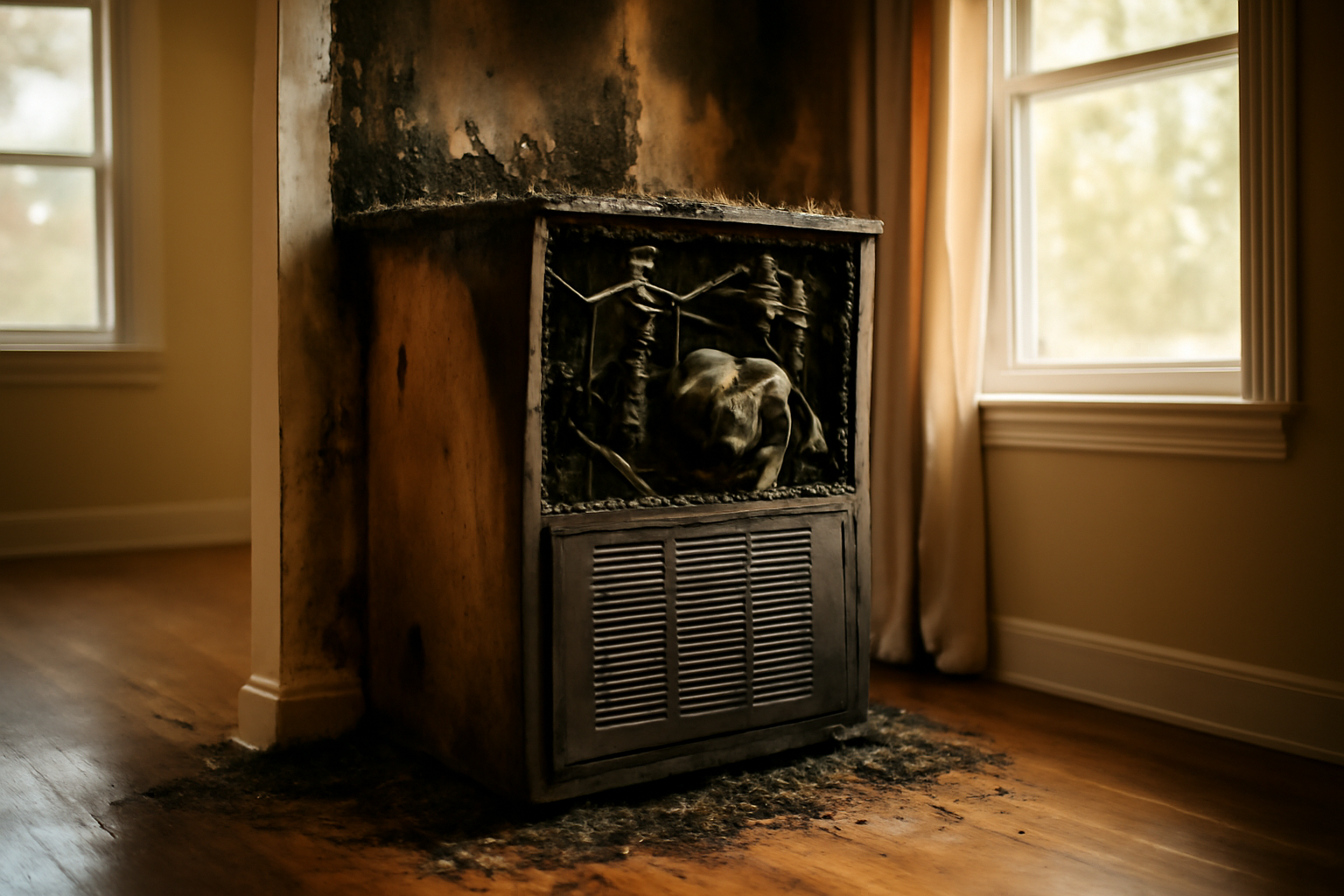
Any black, gray, or brown powdery residue found on or around your furnace, vents, or ductwork is a direct indicator of smoke damage. This isn’t just unsightly; soot is corrosive and can damage metal components over time. You might notice it on the exterior of the unit or even inside the vents.
Discolored or Melted Components
Inspect your heating unit for any signs of discoloration, melting plastic, or warped metal parts. These are direct results of heat exposure and potential fire. Even minor discoloration can suggest compromised materials that need professional assessment. This is often visible on wiring or plastic housings.
Electrical Malfunctions or Strange Noises
If your heating system starts acting erratically – flickering lights, unusual buzzing sounds, or intermittent operation – it could be due to fire-related damage to electrical wiring or components. These symptoms suggest internal problems that need immediate investigation. Don’t ignore sudden changes in how your system operates.
Tripped Circuit Breakers or Blown Fuses
Frequently tripping breakers or blowing fuses related to your heating system can point to short circuits caused by heat or soot. This is a safety issue that needs prompt attention from trained professionals. It indicates a potential electrical hazard within the unit.
Unexplained Hissing or Popping Sounds
While some furnace noises are normal, new or unusual sounds like hissing or popping could indicate damage to internal components, gas lines, or electrical connections. These sounds can signify a problem that needs immediate professional diagnosis. Listen closely for anything out of the ordinary.
Heating Equipment Fire Restoration vs. DIY: When To Call a Professional
| Situation | DIY? | Call a Pro? | Why |
|---|---|---|---|
| Wiping down the exterior of the furnace casing with a damp cloth | Yes | No | Light surface cleaning might be manageable for minor soot. |
| Vacuuming visible soot from easily accessible areas | Maybe | Yes | Improper vacuuming can spread fine soot particles, requiring specialized HEPA filters. |
| Cleaning inside the furnace or ductwork | No | Yes | Internal components are complex and require specialized tools and knowledge to clean safely. |
| Deodorizing a faint smoky smell | No | Yes | Professional deodorizers penetrate materials and neutralize odors; home remedies are often ineffective. |
| Assessing electrical components or gas lines for damage | No | Yes | These are critical safety systems that require certified technicians to inspect and repair. |
| Dealing with significant soot, melted parts, or water damage | No | Yes | Extensive damage requires professional equipment and expertise for effective restoration. |
For anything beyond a superficial wipe-down, calling a professional is the safest and most effective route. Our trained crews have the right tools and knowledge to handle the complexities of fire-damaged heating equipment. We ensure the job is done right, restoring your system and your home’s air quality.
Heating Equipment Fire Restoration Cost In Highlands, TX
The cost for heating equipment fire restoration in Highlands, TX, can vary significantly. Factors like the size of the heating unit, the severity of the fire damage, the amount of soot and smoke residue, and whether water was involved all play a role. These are estimated ranges, and an on-site assessment is needed for an accurate quote. We aim to be transparent about potential costs.
| Service | Typical Price Range | What Affects Cost |
|---|---|---|
| Initial Inspection & Assessment | $300 – $800 | Complexity of the unit, extent of visible damage. |
| Soot & Smoke Removal (Furnace Interior) | $700 – $3,000 | Size of the unit, amount of residue, accessibility of components. |
| Ductwork Cleaning (if affected) | $500 – $2,000 | Linear footage of ducts, degree of contamination. |
| Deodorization Treatment | $400 – $1,500 | Severity of odor, size of affected area, type of equipment used. |
| Moisture Testing & Drying | $300 – $1,000 | Amount of water present, size of space to dry, equipment needed. |
| System Testing & Minor Component Repair | $200 – $1,000 | Complexity of testing, need for minor part replacement. |
These prices are estimates. We offer free, no-obligation estimates after a thorough on-site inspection. We’ll walk you through the damage and provide a clear breakdown of the restoration process and costs.
Service Areas Near Highlands, TX
Crosby, Baytown, La Porte, Sheldon, Huffman, Mont Belvieu, Beach City, Channelview, Kemah, Seabrook, Clear Lake Shores, Shoreacres, Deer Park, Pasadena, Cloverleaf, Galena Park, Jacinto City, Houston, Webster, Friendswood.
Common Questions About Heating Equipment Fire Restoration
What should I do immediately after a fire involving my heating equipment?
Your first priority is safety. Ensure the fire is completely extinguished and the area is safe to enter. Avoid touching the heating unit or turning it on. Document the damage with photos if possible. Then, call our team immediately to begin the assessment and restoration process. We’ll guide you on the next steps.
How long does heating equipment fire restoration take?
The timeline can vary significantly depending on the extent of the damage. Minor soot cleanup might take a day or two, while extensive smoke, soot, and potential water damage could require several days to a week or more. We work efficiently to restore your system as quickly as possible. We provide realistic timelines after our initial assessment.
Is fire damage to my heating system a health hazard?
Yes, absolutely. Soot and smoke residue contain harmful chemicals and fine particles that can affect air quality and pose respiratory risks. If your heating system was involved, it’s crucial to have it professionally cleaned and inspected before use. We ensure your air is safe to breathe again.
What kind of equipment do you use for fire restoration?
We use specialized equipment designed for fire and smoke damage. This includes industrial-grade HEPA vacuums to capture fine particles, thermal foggers and ozone generators for deep deodorization, and advanced drying systems like dehumidifiers and air movers. Our technology is key to effective restoration.
How much does heating equipment fire restoration typically cost in Highlands, TX?
Costs can range from a few hundred to several thousand dollars, depending on the damage severity, the size of your heating unit, and the complexity of the restoration needed. Factors like soot buildup, odor removal, and potential water damage influence the final price. We offer free estimates to give you a clear picture of the cost for your specific situation.
Check Our Other Relevant Services

Gary Gwin: Damage Restoration Expert
With over 20 years of hands-on experience, Gary Gwin is a trusted authority in property recovery and disaster mitigation. As a licensed specialist, Gary has dedicated his career to restoring safety and peace of mind for homeowners facing environmental crises.
𝗖𝗲𝗿𝘁𝗶𝗳𝗶𝗰𝗮𝘁𝗶𝗼𝗻𝘀: Gary holds multiple advanced IICRC certifications, including Water Damage Restoration (WRT), Applied Microbial Remediation (Mold), Applied Structural Drying (ASD), Odor Control, and Fire and Smoke Restoration. His deep technical knowledge ensures every project meets the highest industry standards for health and safety.
𝗕𝗲𝘀𝘁 𝗣𝗮𝗿𝘁 𝗼𝗳 𝘁𝗵𝗲 𝗝𝗼𝗯: Gary finds the most fulfillment in guiding families through the recovery process, transforming a chaotic property loss into a restored, habitable home.
𝗙𝗮𝘃𝗼𝗿𝗶𝘁𝗲 𝗣𝗮𝘀𝘁𝗶𝗺𝗲: When off the clock, Gary enjoys exploring local hiking trails and woodworking.