Trusted by 150+ Homeowners
Hardwood or Wood Floor Water Damage Restoration in Pearland, TX
- Over 152 5-Star Reviews
- Free Estimates and Quotes
- 100% Satisfaction Guaranteed
- Child, Family & Pet Safe Steps
- 24-Hour Emergency Service
- Fully Licensed & Insured
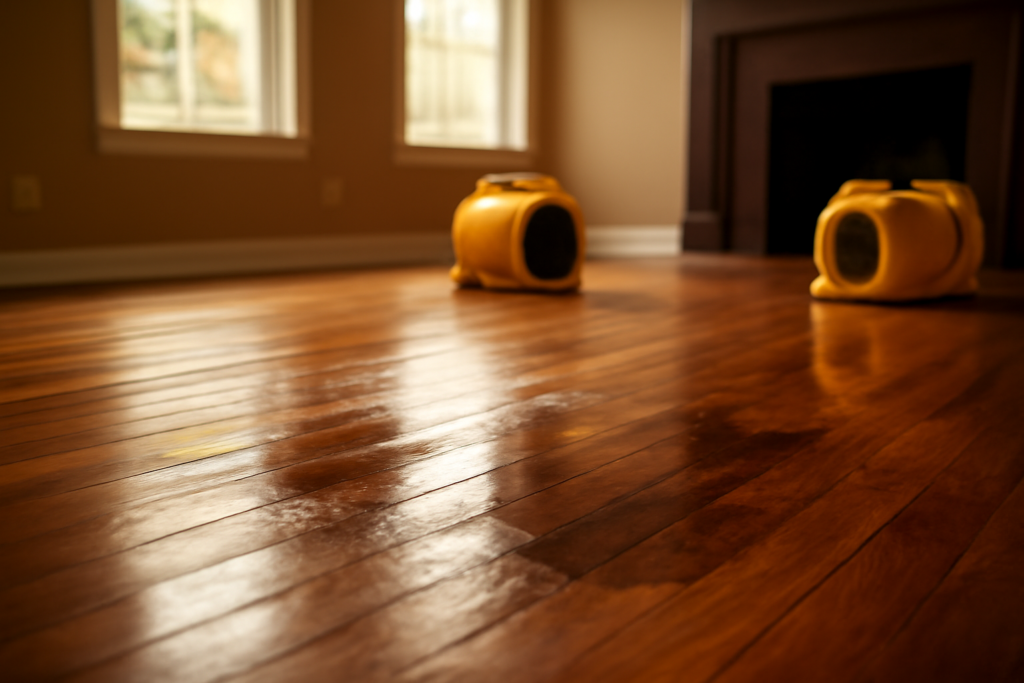
Don’t Let Water Ruin Your Beautiful Hardwood Floors in Pearland, TX
You just walked into your living room and noticed it. A subtle ripple across your gorgeous hardwood floors. Maybe there’s a faint, musty smell you can’t quite place. You might even hear a soft squish underfoot when you step in a certain spot. This isn’t just a little spill; this is serious water damage threatening your investment, and it needs immediate expert attention. Seeing your prized wood floors start to warp or stain is a deeply unsettling experience, especially when you live around here. We understand how stressful it is to discover this kind of damage.
Our local homeowners trust us with their most valuable possessions, and we’ve earned that trust through over 165 five-star reviews. When it comes to the delicate and technical process of restoring hardwood floors after water intrusion, you need a team that understands the specific science involved. We’re known for our meticulous approach and our ability to bring your floors back to life, saving you from costly replacements. You’ll appreciate our transparent communication throughout the entire restoration.
- We focus on drying your hardwood floors to their core, preventing long-term structural issues like cupping, crowning, and buckling that can permanently ruin their appearance and integrity.
- Our specialized equipment allows us to extract moisture safely and efficiently from deep within the wood, often saving floors that homeowners believe are unsalvageable.
- We address potential mold and mildew growth at the source, ensuring a healthy living environment for your family and protecting the structural integrity of your home.
How We Tackle Hardwood Floor Water Damage
Dealing with water damage on hardwood requires a precise, scientific approach. Unlike carpet or tile, wood is a porous material that absorbs moisture, leading to swelling and potential structural compromise if not handled correctly and promptly. Cutting corners here means risking permanent damage, mold growth, and a much higher cost down the line. Our crews are trained to assess the exact moisture levels and implement a drying protocol that is specifically designed for wood, using advanced techniques and equipment.
Moisture Detection and Assessment
This is where our technical expertise truly shines. We use specialized moisture meters to pinpoint exactly how far the water has penetrated your hardwood floors and subfloors. This isn’t guesswork; it’s precise scientific measurement. We’ll map out the affected areas to understand the full scope of the problem and develop a targeted drying strategy. This step typically takes a few hours, depending on the size of the affected area.
Water Extraction and Containment
Once we know where the moisture is, we remove any standing water using powerful extraction equipment. If the water source is still active, we’ll implement containment measures to prevent further spread. This might involve creating barriers or sealing off certain areas. Our goal is to stop the damage immediately. This process can take anywhere from a few hours to a full day, depending on the volume of water.
Controlled Drying Process
This is the most critical phase for hardwood. We deploy specialized drying equipment, like industrial-grade dehumidifiers and air movers, strategically placed to create an optimal drying environment. We carefully monitor humidity and temperature levels, along with wood moisture content, adjusting our equipment as needed. This controlled evaporation is key to preventing damage to the wood fibers. This phase can last anywhere from 3 to 10 days, sometimes longer, depending on the severity and the wood’s density.
Subfloor Drying and Inspection
Water doesn’t just sit on top of hardwood; it seeps through to the subfloor. We ensure that this layer is also dried thoroughly to prevent long-term issues like rot and mold. We’ll conduct follow-up moisture tests to confirm the subfloor is dry and stable. This comprehensive drying ensures your floors have a solid foundation. This is often integrated into the controlled drying phase.
Restoration and Refinishing Assessment
After the drying process is complete and we’ve confirmed all moisture levels are back to normal, we’ll assess the condition of your hardwood floors. Depending on the extent of the damage, they may require light cleaning, sanding, and refinishing, or in severe cases, replacement of damaged planks. We’ll provide clear recommendations on the best path forward to restore your floors beautifully. This assessment happens once drying is complete and can take a few hours.
Discovering water damage on your hardwood floors can be alarming, but acting fast makes all the difference. Don’t wait for the problem to worsen. Call us today to get our team on-site and begin the restoration process.
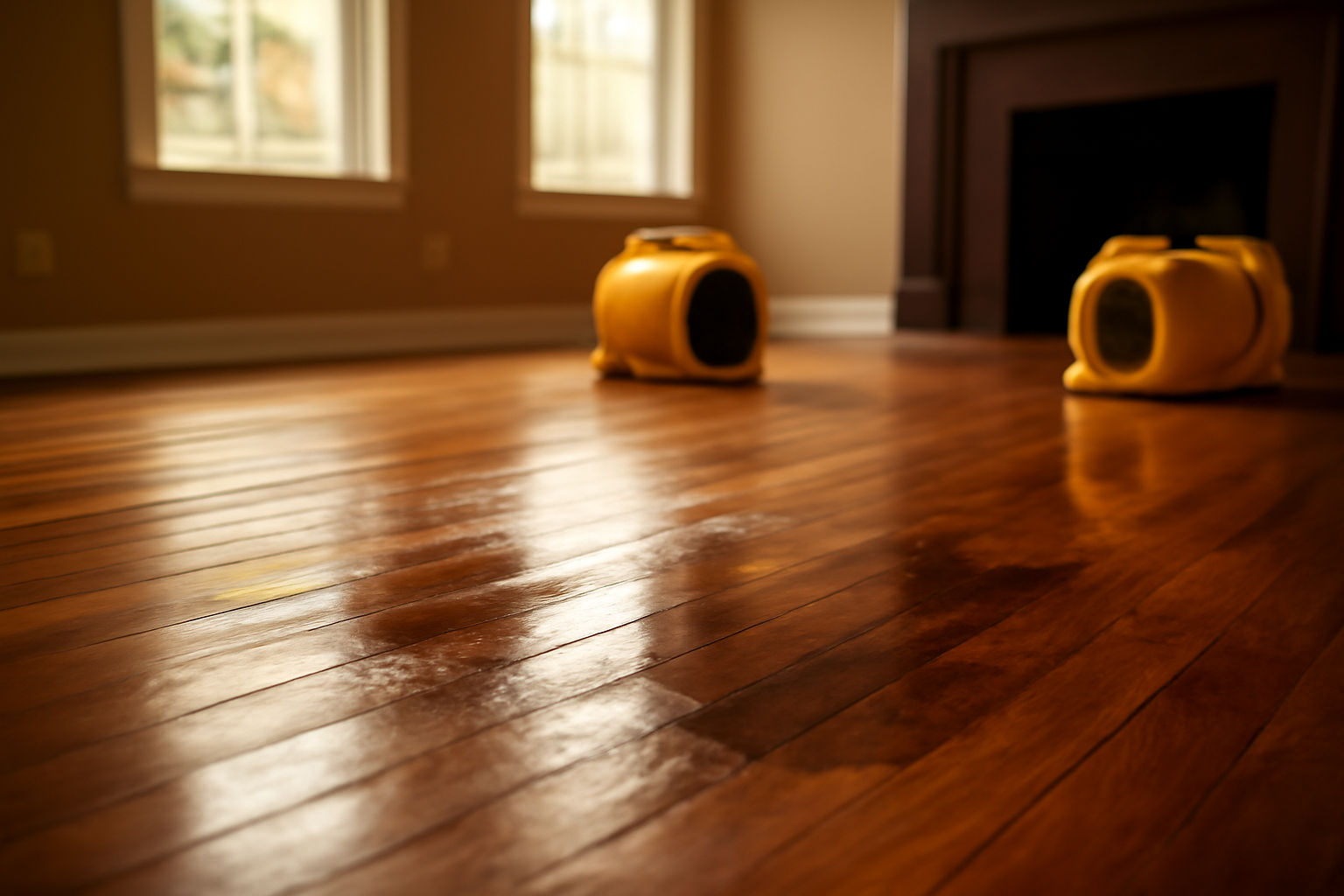
Warning Signs You Need Hardwood Floor Water Damage Restoration
Catching water damage early is crucial for saving your hardwood floors and your home’s integrity. The sooner you spot these signs, the less likely you are to face costly repairs or replacements. We’ve seen many situations where homeowners delayed calling for help, leading to more extensive and expensive damage. Pay close attention to your floors and listen to your home; it will tell you when something is wrong.
Warping or Buckling Floors
This is often the most visible sign. If your hardwood planks start to lift, curl, or buckle upwards, it means they’ve absorbed a significant amount of moisture and are swelling. This is a clear indication of damage that needs professional attention immediately. Don’t ignore these visual cues; they are your floors crying for help.
Cupping or Crowning of Planks
Cupping occurs when the edges of the wood planks are higher than the center, while crowning is the opposite, with the center higher than the edges. Both are signs of moisture imbalance within the wood. This happens when the wood absorbs moisture unevenly, and it requires specialized drying techniques to correct. Left untreated, it can lead to permanent deformation.
Dark Stains or Discoloration
Water, especially if it’s not clean, can leave behind unsightly dark stains on your hardwood. These stains can penetrate the wood’s finish and even the wood itself. While some stains might be superficial, others indicate deeper moisture issues that need to be addressed to prevent further deterioration. We can often remove these with professional cleaning and refinishing.
Musty Odors That Won’t Go Away
A persistent musty or moldy smell emanating from your floors is a serious warning sign. It indicates that moisture is trapped beneath the surface, creating a breeding ground for mold and mildew. This is not only damaging to your floors but also poses a significant health risk to your family. We need to find and dry out that hidden moisture.
Gaps Between Floorboards
As wood dries and shrinks, gaps can appear between your floorboards. While some minor gapping can occur naturally with changes in humidity, significant or sudden gaps, especially after a water event, suggest that the wood has absorbed moisture and is now drying unevenly. This needs careful evaluation to ensure the wood’s integrity.
Soft or Spongy Spots
If you notice any areas of your hardwood floor that feel soft, spongy, or give way slightly when you walk on them, it’s a critical sign. This indicates that the subfloor beneath your hardwood has likely become saturated and may be starting to rot. This is an urgent situation that requires immediate intervention to prevent structural collapse.
Hardwood or Wood Floor Water Damage Restoration vs. DIY: When To Call a Professional
| Situation | DIY? | Call a Pro? | Why |
|---|---|---|---|
| Small, fresh spill on sealed hardwood | Yes | No | Wipe up immediately with a dry cloth. |
| Minor condensation from a plant pot overnight | Yes | No | Wipe dry and monitor for discoloration. |
| Water seeping from a leaking appliance (dishwasher, fridge) | No | Yes | Appliance leaks can saturate subfloors quickly. |
| Visible warping or buckling of floorboards | No | Yes | Requires specialized drying equipment and expertise. |
| Musty odors or potential mold growth | No | Yes | Health hazard; requires professional mold remediation. |
| Water damage from a burst pipe or severe storm | No | Yes | Extensive saturation needs immediate, professional intervention. |
For anything beyond a minor, immediate spill that you can wipe up in seconds, calling a professional for hardwood or wood floor water damage restoration is almost always the right choice. The unique properties of wood mean that improper drying can lead to irreversible damage and costly replacement. Our team has the tools and knowledge to dry your floors correctly the first time.
Hardwood or Wood Floor Water Damage Restoration Cost In Pearland, TX
The cost of hardwood or wood floor water damage restoration in Pearland, TX, can vary significantly. Factors like the size of the affected area, the depth of water saturation, the type of wood, and whether the subfloor is also damaged all play a role. These price ranges are estimates for services in the area and are not guarantees.
| Service | Typical Price Range | What Affects Cost |
|---|---|---|
| Moisture Assessment & Detection | $300 – $700 | Size of affected area and complexity of moisture mapping. |
| Water Extraction | $500 – $2,000 | Volume of water to be removed and accessibility. |
| Controlled Drying (Equipment Rental & Monitoring) | $1,500 – $5,000+ | Duration of drying needed and number of specialized units required. |
| Subfloor Drying & Inspection | Included in Controlled Drying or $500 – $1,500 | Severity of subfloor saturation and access for equipment. |
| Minor Wood Floor Repair (e.g., plank replacement) | $200 – $1,000 per plank | Cost of wood, labor for removal and installation. |
| Sanding and Refinishing Affected Area | $800 – $3,000+ | Size of the area, type of finish, and complexity of the job. |
It’s important to remember that these are just general estimates. A precise quote for your specific situation requires an on-site assessment by our experienced technicians. We offer free, no-obligation estimates for all hardwood floor water damage restoration projects.
Service Areas Near Pearland, TX
Friendswood, Alvin, Manvel, Sugar Land, Houston, Pasadena, Webster, League City, Santa Fe, Kemah, La Porte, Baytown, Missouri City, Stafford, Katy, Richmond, Rosenberg, Cypress, Spring, Humble.
Common Questions About Hardwood or Wood Floor Water Damage Restoration
How quickly do I need to call for hardwood floor water damage restoration?
You need to call as soon as possible. The longer water sits on or under your hardwood floors, the more damage it causes. We aim to begin the drying process within 24 hours of your call to prevent issues like warping, staining, and mold growth. Acting fast is your best defense against permanent floor damage.
Will my insurance cover hardwood floor water damage restoration?
In many cases, yes. If the water damage was caused by a sudden, accidental event like a burst pipe or storm, your homeowner’s insurance policy may cover the costs of professional restoration. We can work with your insurance adjuster to document the damage and facilitate the claims process. It’s always best to check your specific policy details.
How long does the hardwood floor drying process usually take?
The drying process can take anywhere from 3 to 10 days, sometimes longer, depending on the extent of the water intrusion, the type of wood, and ambient humidity levels. We use advanced equipment and monitoring techniques to ensure your floors are dried thoroughly and safely, but patience is key. We’ll keep you informed about the progress.
Can water-damaged hardwood floors really be saved?
Often, yes. Our specialized drying equipment and techniques can remove moisture from deep within the wood, often saving floors that look unsalvageable. We can address issues like cupping and warping. However, if the wood has been saturated for an extended period or exposed to contaminated water, replacement might be necessary for safety and structural integrity.
What’s the difference between drying hardwood and carpet after water damage?
Hardwood is much more sensitive to moisture than carpet. Carpet can often be dried more quickly with basic dehumidifiers, but hardwood requires a more controlled and precise drying protocol to prevent swelling, warping, and delamination. We use specific temperature and humidity controls, along with specialized air movers, to ensure the wood dries evenly and without damage.
Check Our Other Relevant Services

Gary Gwin: Damage Restoration Expert
With over 20 years of hands-on experience, Gary Gwin is a trusted authority in property recovery and disaster mitigation. As a licensed specialist, Gary has dedicated his career to restoring safety and peace of mind for homeowners facing environmental crises.
𝗖𝗲𝗿𝘁𝗶𝗳𝗶𝗰𝗮𝘁𝗶𝗼𝗻𝘀: Gary holds multiple advanced IICRC certifications, including Water Damage Restoration (WRT), Applied Microbial Remediation (Mold), Applied Structural Drying (ASD), Odor Control, and Fire and Smoke Restoration. His deep technical knowledge ensures every project meets the highest industry standards for health and safety.
𝗕𝗲𝘀𝘁 𝗣𝗮𝗿𝘁 𝗼𝗳 𝘁𝗵𝗲 𝗝𝗼𝗯: Gary finds the most fulfillment in guiding families through the recovery process, transforming a chaotic property loss into a restored, habitable home.
𝗙𝗮𝘃𝗼𝗿𝗶𝘁𝗲 𝗣𝗮𝘀𝘁𝗶𝗺𝗲: When off the clock, Gary enjoys exploring local hiking trails and woodworking.