Trusted by 150+ Homeowners
Emergency Tarping in Pecan Grove, TX
- Over 152 5-Star Reviews
- Free Estimates and Quotes
- 100% Satisfaction Guaranteed
- Child, Family & Pet Safe Steps
- 24-Hour Emergency Service
- Fully Licensed & Insured
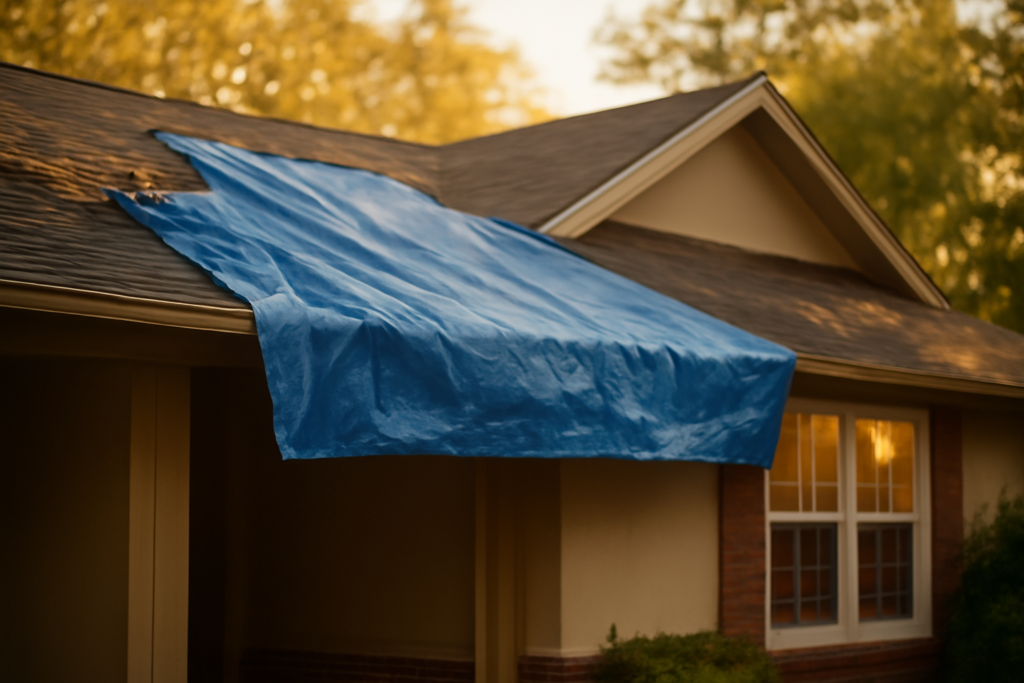
When a Hole Appears in Your Roof in Pecan Grove, TX
Here around Pecan Grove, TX, we know how quickly a strong gust of wind can turn into a real problem, especially with our unpredictable weather patterns. When a tree limb falls or a storm rips a section of shingles away, it leaves your home vulnerable. You’re suddenly facing potential water damage to your ceilings, walls, and personal belongings. Protecting your home from further harm is the absolute priority, and doing it fast makes all the difference. We’ve seen it happen too many times: a small roof breach turns into a major headache if not addressed immediately. Swift action is key to minimizing losses.
Homeowners in the area trust us because we show up fast and get the job done right, the first time. We’ve earned over 165 five-star reviews by consistently delivering reliable service when people need it most. For us, it’s not just about fixing a problem; it’s about being a dependable neighbor in your time of need. You can count on our team for prompt, professional attention when your roof is compromised. We understand the stress you’re under, and we aim to make this part of the recovery as smooth as possible.
- We act quickly to stop immediate water intrusion, preventing further damage to your insulation, drywall, and precious possessions.
- Our team uses durable, weather-resistant materials to create a secure barrier, giving you time to plan for permanent repairs without constant worry.
- We provide detailed documentation of the tarping process, which can be invaluable for your insurance claims, making the reimbursement process easier.
How Our Emergency Tarping Process Works
When you call us, you’re not just getting a tarp thrown over your roof. You’re getting a carefully executed process designed to provide the best possible temporary protection. We understand that a rushed or improper tarp job can cause more problems than it solves, leading to leaks and further structural damage. That’s why our crews follow a detailed protocol, using the right equipment and techniques. It’s about understanding the dynamics of your roof and the weather to create a truly effective shield. We take every step seriously to safeguard your property.
Step 1: Immediate Assessment and Safety Check
As soon as we arrive, our technicians will conduct a quick but thorough assessment of the damaged area from the ground, if possible. Your safety and the safety of our crew are paramount. We’ll identify the extent of the roof breach and any immediate hazards. This initial evaluation helps us determine the best approach and the materials needed. You’ll get a clear picture of what we’re seeing and what needs to be done first. Safety is always our first concern.
Step 2: Securing the Perimeter and Access
Before we head up, we’ll ensure the area around your home is clear and safe. If there are fallen branches or debris, we’ll move them to create a secure workspace. We’ll also plan our access to the roof to minimize any additional stress on your property. This preparation is crucial for a smooth operation. We prepare thoroughly before any work begins.
Step 3: Strategic Tarp Placement and Securing
This is where the real work happens. Our experienced crews will carefully unfurl and position heavy-duty tarps over the damaged roof sections. We use specialized methods to secure the tarp, often involving wooden strips or battens rather than just nails, to prevent further damage to your shingles or decking. The goal is to create a watertight seal that can withstand wind and rain. Proper securing is vital for long-term protection.
Step 4: Edge and Seam Reinforcement
We don’t just cover the hole; we ensure the edges and seams of the tarp are reinforced. This involves overlapping sections correctly and using specialized tapes or sealants where necessary to prevent water from seeping underneath. It’s these detailed steps that make a significant difference in the effectiveness of the temporary repair. Attention to detail matters greatly here.
Step 5: Post-Tarping Inspection and Documentation
Once the tarp is fully secured, we’ll do a final walk-around to confirm everything is in place and looks good. We’ll also take photos and notes of the work performed. This documentation is important for your records and can be very helpful when you’re dealing with your insurance company. We want you to feel confident that the job was done right. We document everything for your benefit.
Don’t wait for a small roof problem to turn into a waterlogged disaster. If you suspect damage or see a breach, call us right away. We’re here to provide immediate, effective protection for your home. Your property deserves the best temporary defense.

Warning Signs You Need Emergency Tarping
Catching these signs early can save you a lot of money and prevent a cascade of problems. Ignoring a compromised roof is never a good idea, especially with our local weather. We want you to be aware of what to look out for so you can act fast. Early detection is crucial for minimizing damage.
Visible Holes or Missing Shingles
This is the most obvious sign. If you can see a hole in your roof, or if shingles are clearly missing after a storm, water can get in. Don’t assume a few missing shingles are harmless. Act on visible damage immediately.
Water Stains on Ceilings or Walls
Seeing brown or yellow stains appearing on your ceiling or walls is a direct indicator of water intrusion from above. These stains mean water has already found a path through your roof and insulation. Address water stains promptly to stop the damage.
Dripping Water Inside Your Home
If you see water actively dripping from your ceiling or light fixtures, it’s an emergency. This means the damage is significant and widespread, and you need immediate protection to prevent structural compromise. Stop active leaks without delay.
Sagging Ceilings
A ceiling that appears to be sagging or bulging is a serious warning sign. This indicates that water has saturated the drywall and possibly the underlying structure, creating a potential collapse risk. Report sagging ceilings immediately.
Increased Humidity or Musty Odors
A sudden increase in indoor humidity or a persistent musty smell, especially in the attic or upper floors, can signal underlying water damage and potential mold growth that started from a roof issue. Investigate musty odors thoroughly.
Emergency Tarping vs. DIY: When To Call a Professional
| Situation | DIY? | Call a Pro? | Why |
|---|---|---|---|
| Small, easily accessible hole with no missing shingles | Yes, with extreme caution and proper safety gear. | Yes, especially if you’re uncomfortable with heights or unsure. | Falls are a significant risk, and improper technique can worsen damage. |
| Large section of missing shingles or exposed decking | No. | Yes, absolutely. | This requires specialized equipment and knowledge to secure effectively without causing more harm. |
| Wind damage causing lifted or torn shingles | No. | Yes. | Wind can compromise underlying layers, and a professional can assess and secure the entire affected area. |
| Damage from falling branches or debris | No. | Yes. | Debris can cause significant structural damage that needs expert evaluation and repair. |
| Water actively pooling or dripping inside | No. | Yes, immediately. | This is a critical situation requiring rapid, professional intervention to prevent extensive interior damage and mold. |
| You don’t have the right safety equipment or ladder | No. | Yes. | Working on a roof without proper safety gear is extremely dangerous. |
While a tiny, easily reachable hole might seem like a DIY job, most situations involving roof damage are best handled by professionals. The risks associated with working at heights, the need for specialized equipment, and the potential for causing further damage mean calling us is often the safest and most effective choice. Professional expertise ensures your home is properly protected.
Emergency Tarping Cost In Pecan Grove, TX
The cost for emergency tarping in Pecan Grove, TX, can vary. It generally depends on the size of the damaged area, the complexity of the roof, how high up the damage is, and how quickly we need to deploy. These figures are estimates to give you an idea. Understanding potential costs is helpful.
| Service | Typical Price Range | What Affects Cost |
|---|---|---|
| Small Area Tarping (up to 100 sq ft) | $500 – $1,500 | Accessibility and type of roof material. |
| Medium Area Tarping (100-300 sq ft) | $1,000 – $2,500 | Complexity of the roofline and securing methods needed. |
| Large Area Tarping (over 300 sq ft) | $2,000 – $5,000+ | Extensive roof coverage and potential need for multiple tarp sections. |
| Emergency Dispatch Fee (after hours/weekends) | $200 – $500 | Time of day and day of the week the service is requested. |
| Debris Removal (minor) | $100 – $300 | Amount and type of debris that needs clearing before tarping. |
| Temporary Structural Support | $500 – $2,000+ | If interior structural damage requires temporary bracing. |
These are general estimates, and the exact cost will be determined after a thorough on-site inspection. We always provide a free estimate before any work begins, so you know precisely what to expect. Getting a free estimate is the first step.
Service Areas Near Pecan Grove, TX
Arcola, Alvin, Angleton, Bay City, Bellaire, Brazoria, Clute, Cypress, Danciger, Fresno, Friendswood, Fulshear, Galveston, Houston, Humble, Katy, La Marque, Lake Jackson, League City, Livingston, Manvel, Meadows Place, Missouri City, Montgomery, New Caney, Pearland, Richmond, Rosenberg, Seabrook, South Houston, Stafford, Sugar Land, Texas City, The Woodlands, Tomball, Webster, West Columbia, Wharton, Willis, Woodway
Common Questions About Emergency Tarping
What’s the fastest way to get my roof tarped?
The fastest way is to call us directly. We have crews on standby and prioritize emergency calls. We’ll dispatch a team to your location promptly to assess the damage and begin the tarping process, aiming to be there within a few hours. Prompt dispatch is our specialty.
How long does roof tarping typically last?
A properly installed emergency tarp can last anywhere from a few weeks to several months, depending on the weather conditions and the quality of the installation. It’s designed as a temporary fix until permanent repairs can be made. Temporary protection is essential while permanent solutions are arranged.
Will my insurance company cover emergency tarping?
In most cases, yes. Emergency tarping is often considered a necessary mitigation expense to prevent further damage, which insurance policies typically cover. We provide detailed documentation to help with your claim. Insurance claim support is included.
What kind of tarps do you use, and how do they attach?
We use heavy-duty, weather-resistant tarps specifically designed for roofing applications. Our technicians employ professional techniques, often using wooden battens and specific fastening methods that minimize stress on your shingles and roof deck, unlike simple nail-downs. We use specialized materials for effective protection.
Should I wait for permanent roof repairs before getting a tarp?
Absolutely not. Waiting for permanent repairs can lead to extensive water damage inside your home, mold growth, and structural issues. Emergency tarping is crucial to prevent these secondary damages. Preventing further damage is the immediate goal.
Check Our Other Relevant Services

Gary Gwin: Damage Restoration Expert
With over 20 years of hands-on experience, Gary Gwin is a trusted authority in property recovery and disaster mitigation. As a licensed specialist, Gary has dedicated his career to restoring safety and peace of mind for homeowners facing environmental crises.
𝗖𝗲𝗿𝘁𝗶𝗳𝗶𝗰𝗮𝘁𝗶𝗼𝗻𝘀: Gary holds multiple advanced IICRC certifications, including Water Damage Restoration (WRT), Applied Microbial Remediation (Mold), Applied Structural Drying (ASD), Odor Control, and Fire and Smoke Restoration. His deep technical knowledge ensures every project meets the highest industry standards for health and safety.
𝗕𝗲𝘀𝘁 𝗣𝗮𝗿𝘁 𝗼𝗳 𝘁𝗵𝗲 𝗝𝗼𝗯: Gary finds the most fulfillment in guiding families through the recovery process, transforming a chaotic property loss into a restored, habitable home.
𝗙𝗮𝘃𝗼𝗿𝗶𝘁𝗲 𝗣𝗮𝘀𝘁𝗶𝗺𝗲: When off the clock, Gary enjoys exploring local hiking trails and woodworking.