Trusted by 150+ Homeowners
Thermal Imaging Inspections in Huntsville, TX
- Over 152 5-Star Reviews
- Free Estimates and Quotes
- 100% Satisfaction Guaranteed
- Child, Family & Pet Safe Steps
- 24-Hour Emergency Service
- Fully Licensed & Insured
See What You’re Missing: Thermal Imaging Inspections in Huntsville, TX
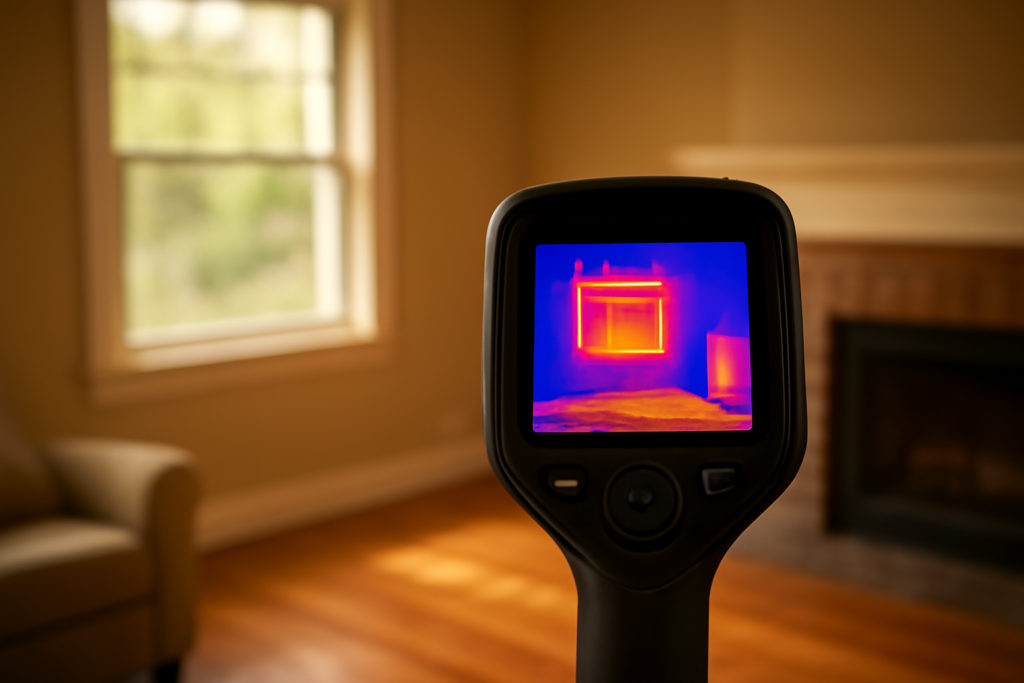
Did you know that small leaks or insulation gaps can hide for months, slowly causing major structural damage and even mold growth? Many homeowners in Huntsville, TX, don’t realize there’s a hidden problem until it’s already quite severe. It’s easy to miss the subtle signs, like faint discoloration or slightly warmer spots on your walls, especially when they’re out of sight. Our thermal imaging inspections use advanced technology to reveal these unseen issues, helping you address them before they become expensive nightmares.
We’ve earned the trust of over 165 five-star reviews from neighbors just like you. They choose us for their Thermal Imaging Inspections because we bring a level of detail and care that’s hard to find. You’re not just getting a service; you’re getting a local team dedicated to protecting your home and giving you a clearer picture of its condition. We understand the unique challenges our local climate can bring to your property.
- Quickly identify hidden moisture where it shouldn’t be, preventing costly water damage and mold proliferation.
- Pinpoint energy loss through faulty insulation or air leaks, helping you save on utility bills and improve comfort.
- Detect electrical issues, like overloaded circuits or faulty wiring, that pose a significant fire risk.
How Our Thermal Imaging Inspections Reveal Hidden Problems
When you suspect a problem, time is absolutely critical. The longer moisture or energy loss goes undetected, the more damage it can cause and the more expensive repairs become. Our process is designed for speed and accuracy, ensuring we get a detailed understanding of your property’s condition as quickly as possible. We don’t cut corners; we use the right tools and expertise to provide you with the most accurate assessment possible. This careful approach helps us identify the root cause, not just the symptoms, saving you future headaches.
Initial Consultation and Scheduling
The moment you suspect an issue or want a proactive check, you’ll connect with our friendly team. We’ll listen to your concerns and schedule an inspection at your earliest convenience. Our goal is to get an expert to your location promptly, often within hours, because we know swift action is key to minimizing damage. We’ll explain what to expect during the inspection itself.
On-Site Thermal Imaging Scan
Our certified technicians arrive equipped with professional-grade infrared cameras. They’ll systematically scan your walls, ceilings, floors, and other areas of concern. This non-invasive process uses a thermal imaging camera to detect temperature differences, which can indicate moisture, air leaks, or electrical problems. We’re looking for anything that deviates from the normal thermal patterns of your home.
Detailed Analysis of Thermal Data
The raw images from the infrared camera are just the beginning. Our technicians carefully analyze the thermal data, cross-referencing it with visual inspections and your reported concerns. They use specialized software to interpret the temperature variations, identifying specific areas that require further investigation. This step is crucial for distinguishing between minor anomalies and significant underlying issues.
Moisture Meter and Other Diagnostic Tools
To confirm findings from the thermal camera, we often use specialized moisture meters. These tools provide precise readings of moisture content in building materials. By combining thermal imaging with direct moisture measurements, we gain a comprehensive understanding of any water intrusion. This verification ensures we’re recommending the right course of action.
Comprehensive Reporting and Recommendations
Once the inspection is complete, we’ll provide you with a clear, easy-to-understand report. This report includes thermal images, detailed findings, and specific recommendations for remediation or repair. We’ll walk you through the report, explaining exactly what the issues are and what steps are needed to restore your home’s integrity. You’ll know precisely what needs to be done.
Don’t let hidden problems fester. Call us today to schedule your Thermal Imaging Inspection and get a clear understanding of your home’s condition. We’re ready to help you protect your investment.

Warning Signs You Need Thermal Imaging Inspections
Catching potential problems early can save you a significant amount of money and prevent much larger headaches down the road. Ignoring subtle clues might seem harmless, but they can escalate into serious damage. Our thermal inspections are designed to find these issues when they’re still manageable. Pay attention to these common indicators that suggest it’s time for a closer look.
Unexplained High Utility Bills
If your energy bills have suddenly spiked without a change in usage, it’s a strong indicator of energy loss. This could be due to poor insulation, air leaks around windows and doors, or even ductwork issues. Thermal imaging can pinpoint exactly where that energy is escaping your home.
Visible Water Stains or Discoloration
Seeing water marks on walls or ceilings is a clear sign of a leak, but the source might be hidden. The stain is just the visible evidence; the actual moisture intrusion could be much larger and spread further behind the surface. We use thermal cameras to trace the extent of the hidden water damage.
Musty Odors That Won’t Go Away
Persistent musty smells, especially in basements, crawl spaces, or bathrooms, often point to mold growth. Mold thrives in damp, dark environments. Thermal imaging can help us locate the moisture source feeding the mold, even if it’s not immediately visible, allowing for targeted mold remediation.
Drafts or Cold Spots
Feeling drafts near windows, doors, or electrical outlets, or noticing consistently cold spots on walls, means your home isn’t properly sealed. This allows conditioned air to escape and outside air to enter. We can identify these breaches to improve your home’s thermal performance.
Condensation on Windows or Walls
Excessive condensation can be a sign of high indoor humidity or poor insulation. It can lead to mold growth and material degradation. Thermal imaging helps us understand the surface temperatures involved and identify the root cause of the excessive moisture buildup.
New Cracks in Walls or Ceilings
While some minor settling is normal, new or expanding cracks can indicate structural issues, potentially related to moisture damage or foundation problems. Thermal imaging can reveal if moisture is contributing to the weakening of building materials around these cracks, suggesting a need for structural assessment.
Thermal Imaging Inspections vs. DIY: When To Call a Professional
| Situation | DIY? | Call a Pro? | Why |
|---|---|---|---|
| Suspecting a small, visible leak from a pipe under a sink. | Yes, use a flashlight and towels. | Yes, if the leak persists or you see staining. | DIY can confirm the obvious; professionals detect hidden damage. |
| Noticing a slight increase in your energy bill. | Maybe. Monitor closely and check obvious drafts. | Yes, if the increase is significant or unexplained. | A pro’s thermal camera sees subtle energy loss you can’t. |
| Seeing a small, localized water stain on a ceiling. | No, this often indicates a larger issue. | Yes, immediately. | DIY can’t see the extent of hidden water damage behind walls. |
| Wanting to check insulation levels in your attic. | Possibly, with caution. | Yes, for a thorough assessment. | Professionals use thermal imaging for precise insulation gaps. |
| Smelling a faint, occasional musty odor. | Maybe, try airing out the area. | Yes, if the odor is persistent or worsening. | DIY can’t locate the hidden moisture source causing mold. |
| Concerned about potential electrical issues in outlets or switches. | No, this is a safety hazard. | Yes, immediately. | Thermal cameras detect overheating that indicates a serious fire risk. |
While you can certainly look for obvious signs of trouble, professional thermal imaging inspections offer a level of detail and accuracy that’s simply not possible with DIY methods. For serious concerns or when you need to be absolutely sure about the condition of your property, calling our experienced team is the smartest course of action.
Thermal Imaging Inspections Cost in Huntsville, TX
The cost of thermal imaging inspections in Huntsville, TX, can vary depending on the size of your property, the complexity of the issues suspected, and the extent of the area needing examination. These figures are general estimates and an on-site assessment will provide a more precise quote. We aim to provide transparent pricing for all our services.
| Service Aspect | Typical Price Range | What Affects Cost |
|---|---|---|
| Standard Home Thermal Scan (up to 2000 sq ft) | $400 – $800 | Property size and number of areas to scan. |
| Detailed Moisture Intrusion Scan | $600 – $1,500 | Severity of suspected water damage and accessibility. |
| Energy Efficiency Audit (Thermal Imaging Component) | $500 – $1,200 | Level of detail required for insulation and air leakage mapping. |
| Electrical System Thermal Scan | $300 – $700 | Number of electrical panels and outlets inspected. |
| Post-Remediation Verification Scan | $300 – $600 | Size of the remediated area and required detail. |
| Commercial Property Thermal Inspection | $800 – $3,000+ | Size of the building and specific commercial needs. |
The best way to get an accurate price for your specific needs is to request a free estimate. Our team will assess your property and provide a detailed breakdown of the costs involved. You’ll have a clear understanding of the investment before any work begins.
Service Areas Near Huntsville, TX
We proudly serve the entire Huntsville, TX area and surrounding communities, including but not limited to: Conroe, The Woodlands, Spring, Montgomery, Willis, New Caney, Porter, Cleveland, Livingston, Shepherd, Coldspring, Point Blank, Trinity, Corrigan, Diboll, Lufkin, Nacogdoches, Crockett, Palestine, and Navasota.
Common Questions About Thermal Imaging Inspections
What exactly does a thermal imaging camera detect?
A thermal imaging camera doesn’t “see” through walls; instead, it detects infrared radiation emitted by objects. Everything with a temperature above absolute zero emits heat. The camera translates these temperature differences into a visual image, showing warmer and cooler areas. This allows us to spot anomalies like moisture pockets, air leaks, or electrical hot spots that aren’t visible to the naked eye, helping us identify potential problems early.
How quickly can you respond to a thermal imaging inspection request?
We understand that some issues require immediate attention. Our team is dedicated to providing rapid response times, especially when you suspect a significant water leak or potential safety hazard. We strive to get a certified technician to your property in the Huntsville, TX area as soon as possible, often within 24 hours, to begin the diagnostic process and prevent further damage.
Will insurance cover the cost of a thermal imaging inspection?
Insurance coverage for thermal imaging inspections can vary widely depending on your policy and the nature of the suspected problem. Often, if the inspection is part of a larger claim for water damage, mold, or other covered events, the cost may be included. It’s always best to check with your insurance provider directly. We can provide detailed reports that may assist with your claim, documenting the evidence of damage.
What is the difference between thermal imaging and using a moisture meter?
Thermal imaging provides a broad overview, showing temperature variations across a surface that can indicate the presence of moisture or air leaks. A moisture meter, on the other hand, gives a precise, quantitative reading of the moisture content within a specific material. We use both tools together; the thermal camera helps us pinpoint where to take direct measurements with the meter, giving us a more accurate assessment of the situation and confirming findings.
Can thermal imaging detect mold?
Thermal imaging itself doesn’t directly detect mold. Instead, it detects the moisture that mold needs to grow. By identifying areas of hidden moisture within walls, ceilings, or floors, we can then investigate those spots for potential mold growth. This allows us to address the root cause of the moisture problem, which is essential for effective mold prevention and remediation.
Check Our Other Relevant Services

Gary Gwin: Damage Restoration Expert
With over 20 years of hands-on experience, Gary Gwin is a trusted authority in property recovery and disaster mitigation. As a licensed specialist, Gary has dedicated his career to restoring safety and peace of mind for homeowners facing environmental crises.
𝗖𝗲𝗿𝘁𝗶𝗳𝗶𝗰𝗮𝘁𝗶𝗼𝗻𝘀: Gary holds multiple advanced IICRC certifications, including Water Damage Restoration (WRT), Applied Microbial Remediation (Mold), Applied Structural Drying (ASD), Odor Control, and Fire and Smoke Restoration. His deep technical knowledge ensures every project meets the highest industry standards for health and safety.
𝗕𝗲𝘀𝘁 𝗣𝗮𝗿𝘁 𝗼𝗳 𝘁𝗵𝗲 𝗝𝗼𝗯: Gary finds the most fulfillment in guiding families through the recovery process, transforming a chaotic property loss into a restored, habitable home.
𝗙𝗮𝘃𝗼𝗿𝗶𝘁𝗲 𝗣𝗮𝘀𝘁𝗶𝗺𝗲: When off the clock, Gary enjoys exploring local hiking trails and woodworking.