Trusted by 150+ Homeowners
AC Fire Restoration in Dickinson, TX
- Over 152 5-Star Reviews
- Free Estimates and Quotes
- 100% Satisfaction Guaranteed
- Child, Family & Pet Safe Steps
- 24-Hour Emergency Service
- Fully Licensed & Insured

When Smoke Lingers: Essential AC Fire Restoration in Dickinson, TX
After a fire, you might think the worst is over once the flames are out. But a common and often overlooked danger is the lingering smoke and soot damage that can permeate your home’s HVAC system. If you’ve experienced even a small fire, it’s critical to understand that smoke particles can travel through your air ducts, settling on surfaces and inside your system. Ignoring this hidden threat can lead to persistent odors and potential health issues long after the visible damage is repaired. We’re here to help you navigate this complex situation right here in Dickinson, TX.
Homeowners around the area trust our team because we understand the unique challenges of AC fire restoration. We’ve helped countless families get back into clean, safe homes, backed by over 165 five-star reviews from satisfied neighbors. When you’re dealing with the aftermath of a fire, you need a team that responds quickly and knows exactly how to tackle the specific damage caused by smoke and soot within your HVAC system. We provide accurate assessments and get to work immediately to prevent further problems.
- We specialize in detecting and removing microscopic soot particles from your entire ductwork, ensuring no residue is left behind to recirculate.
- Our targeted cleaning methods neutralize stubborn smoke odors at their source, restoring the fresh air quality inside your home.
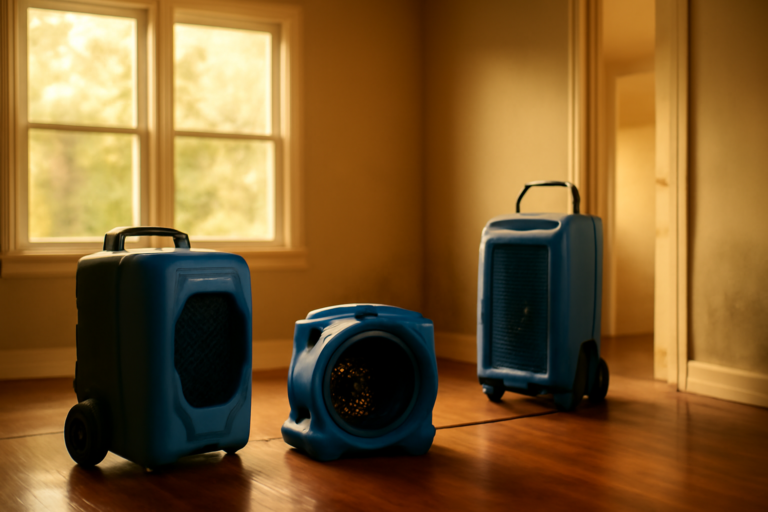
- We use advanced air scrubbing and filtration equipment to remove airborne contaminants, safeguarding your family’s health and comfort.
How We Restore Your AC System After a Fire
Dealing with fire damage requires a methodical approach, especially when it comes to your HVAC system. A proper AC fire restoration process isn’t just about cleaning; it’s about meticulous removal and remediation to prevent future issues. Rushing this vital step or using improper techniques can mean smoke odors return or soot continues to cause problems. Our structured approach ensures every part of your system is addressed thoroughly and effectively, giving you confidence in your home’s air quality.
Initial Damage Assessment and Containment
Our first step is a thorough inspection of your HVAC system to understand the extent of smoke and soot intrusion. We’ll use specialized tools to identify all affected areas, from the main unit to the furthest vents. This detailed assessment helps us plan the most effective cleaning strategy and prevent cross-contamination during the restoration process.
Soot and Smoke Particle Removal
We employ professional-grade cleaning agents and specialized equipment, like HEPA vacuums and dry-cleaning sponges, to carefully remove soot from all accessible components of your AC system. Gentle yet effective techniques ensure that delicate parts aren’t damaged while still achieving a thorough clean. This process is crucial for eliminating the source of lingering odors.
Ductwork Cleaning and Sealing
Your ductwork is a highway for smoke. We use powerful, truck-mounted vacuum systems and rotary brush equipment to dislodge and remove soot from inside your ducts. Thorough duct cleaning is essential to prevent the return of smoke odors. In some cases, we may recommend sealing the ducts to ensure a completely clean environment.
Odor Neutralization and Air Scrubbing
Even after physical cleaning, stubborn smoke odors can remain. We utilize advanced odor counteractants and ozone treatments (when appropriate and safe) to neutralize these smells. Industrial-grade air scrubbers are then used to remove any remaining airborne particles and VOCs, ensuring your air is clean and fresh.
System Reassembly and Final Inspection
Once all cleaning and deodorizing are complete, we carefully reassemble your HVAC system. A final inspection is performed to ensure everything is functioning correctly and that your air is free from smoke residue and odors. Your system’s optimal performance is our goal, and we won’t consider the job done until you’re completely satisfied.
Don’t let smoke damage from a fire compromise your home’s air quality. Contact us immediately for expert AC fire restoration services. We’re ready to respond 24/7 to help you recover quickly and effectively.
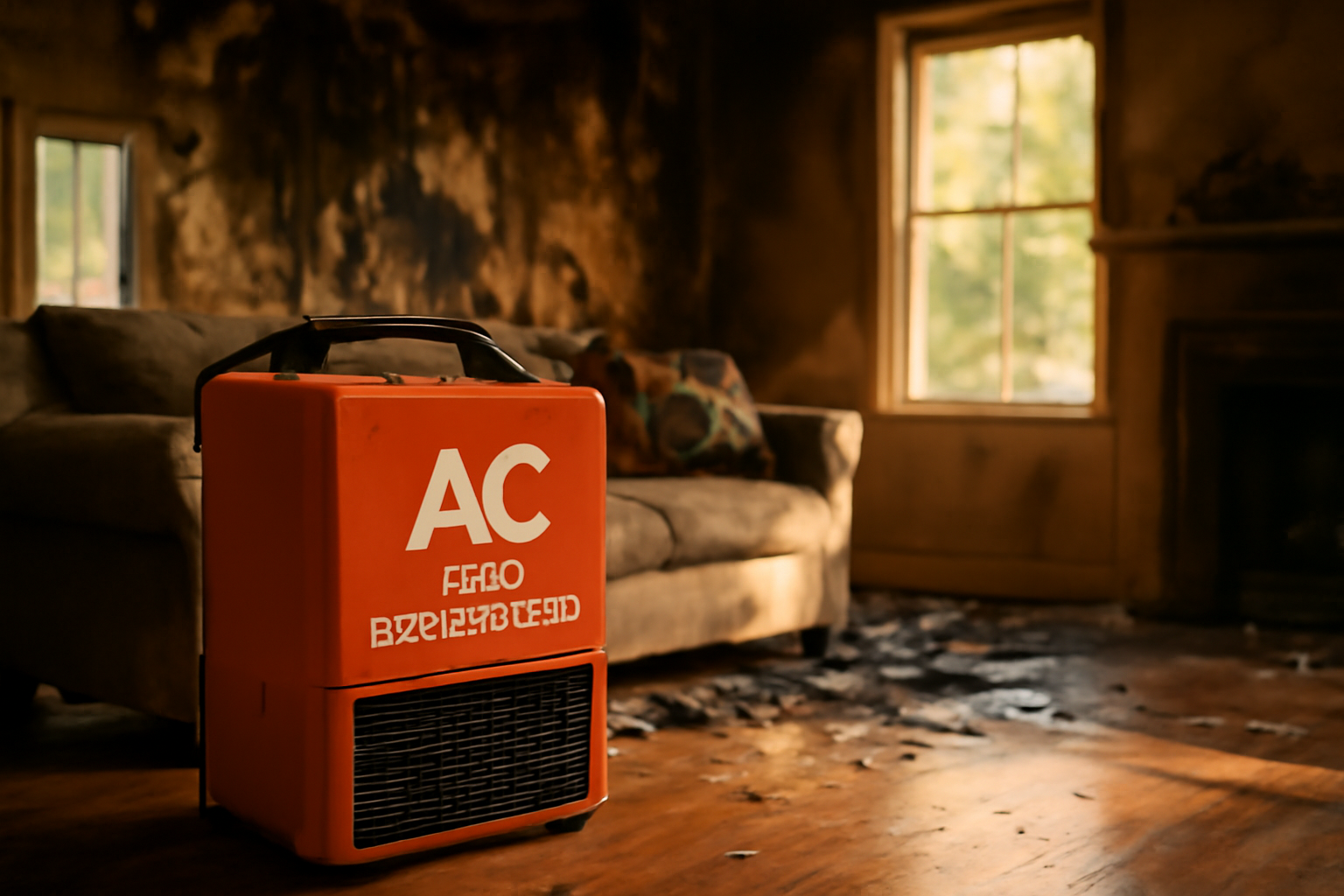
Warning Signs Your AC Needs Fire Restoration
It’s easy to focus on visible fire damage, but the unseen effects on your HVAC system can be just as problematic. Recognizing these subtle signs is key to preventing long-term issues and ensuring your home’s air remains healthy. Prompt attention to these indicators can save you significant hassle and expense down the line.
Persistent Musty or Smoky Odors
If you notice a lingering smell of smoke, even days or weeks after a fire, it’s likely in your ductwork. These persistent odors indicate that soot and smoke particles are still present within your AC system, recirculating throughout your home.
Visible Soot or Ash Around Vents
Check the air vents and registers around your home. If you see any trace of soot, ash, or discoloration, it’s a clear sign that smoke has traveled through your HVAC system. Soot accumulation needs professional removal to prevent further contamination.
New or Worsening Allergy Symptoms
Are you or your family experiencing increased sneezing, coughing, or itchy eyes? Smoke and soot particles are irritants. Worsening allergy symptoms can be a direct result of contaminated air circulating through your home’s AC system.
Discolored or Dirty Filters
If your air filters are showing unusual discoloration or are becoming dirty much faster than normal after a fire event, your AC system is likely working overtime to capture soot. Dirty filters are a warning that your system is compromised and requires specialized cleaning.
Strange Noises from the AC Unit
While not always directly related to smoke, sometimes soot buildup can affect the moving parts of your AC unit. If you hear new or unusual noises, it’s worth having the system inspected. Unusual AC noises could indicate underlying issues caused by contamination.
A Metallic or Acrid Smell
Beyond typical smoke, you might detect a sharp, metallic, or acrid smell when your AC runs. This can be indicative of specific chemical residues from the fire that have settled in your system. Chemical residues require specialized treatment to eliminate safely.
AC Fire Restoration vs. DIY: When To Call a Professional
| Situation | DIY? | Call a Pro? | Why |
|---|---|---|---|
| Light dust on visible surfaces after a minor smoke event | Yes, with caution. Use damp cloths and good ventilation. | No, unless odors persist. | Simple dusting can handle minor surface residue. |
| Lingering smoky odor throughout the house | No. | Yes. | Odors are often deep within the HVAC system and require professional equipment. |
| Visible soot or ash inside air vents | No. | Yes. | Soot is a fine particulate that needs specialized vacuums and cleaning agents to remove safely. |
| Concern about health impacts from smoke inhalation | No. | Yes. | Health risks are too high; professionals ensure complete removal of harmful particles. |
| Cleaning the main AC unit’s exterior | Yes, with care. | No, unless it’s heavily coated in soot. | Exterior cleaning is generally manageable for homeowners. |
| Cleaning the inside of the HVAC ductwork | Absolutely Not. | Yes. | Ductwork requires specialized tools and expertise to clean thoroughly without causing damage. |
For anything beyond the most superficial dusting, professional AC fire restoration is the safest and most effective route. DIY attempts can often spread soot and odors further or cause damage to sensitive components. Trusting a qualified team ensures your system is truly clean and healthy.
AC Fire Restoration Cost In Dickinson, TX
The cost of AC fire restoration in Dickinson, TX can vary significantly. Factors like the size of your home, the severity of smoke and soot damage, and the complexity of your HVAC system all play a role. These figures are estimates to help you understand potential expenses.
| Service | Typical Price Range | What Affects Cost |
|---|---|---|
| HVAC System Inspection & Assessment | $200 – $600 | Complexity of system, extent of initial damage. |
| Ductwork Cleaning (per linear foot) | $1.50 – $4.00 | Total footage, type of contamination, accessibility. |
| Soot & Smoke Removal from Unit Components | $500 – $1,500 | Size of the unit, amount of soot, specialized cleaning needed. |
| Odor Neutralization & Air Scrubbing | $300 – $1,000 per day | Severity of odor, size of affected area, duration of treatment. |
| HVAC System Reassembly & Testing | $150 – $400 | Number of components, complexity of reassembly. |
| Emergency 24/7 Response Fee | $100 – $300 | Time of day, day of week (if applicable). |
It’s important to remember that these are estimated ranges. A precise quote requires an on-site evaluation by our team. We offer free estimates to help you understand the exact cost for your specific situation.
Service Areas Near Dickinson, TX
Alvin, Angleton, Arcola, Baytown, Clear Lake City, Conroe, Cypress, Deer Park, Friendswood, Galena Park, Houston, Humble, Jacinto City, Katy, La Marque, La Porte, League City, Missouri City, Pearland, Pasadena, Richmond, Rosenberg, Santa Fe, Seabrook, South Houston, Stafford, Sugar Land, Texas City, The Woodlands, Webster, West University Place
Common Questions About AC Fire Restoration
What’s the first thing I should do after a fire if I smell smoke from my AC?
The very first thing you should do is turn off your HVAC system at the breaker box to prevent further circulation of smoke and soot. Do not run the AC or furnace. Then, call us immediately. We’ll dispatch a team to assess the situation and begin the necessary restoration process to ensure your home is safe.
How long does AC fire restoration typically take?
The timeline for AC fire restoration can vary greatly depending on the extent of the damage. A minor cleaning might take a day, while a more extensive contamination could require several days of work, including specialized treatments. We aim for efficiency without compromising thoroughness, providing you with a clear timeline after our initial assessment.
Will insurance cover AC fire restoration costs?
In most cases, fire damage to your HVAC system is covered under standard homeowner’s insurance policies. It’s always best to check your specific policy details. We work with insurance adjusters regularly and can help document the damage and the necessary restoration work to streamline your claims process.
Are there health risks associated with smoke damage in my AC system?
Yes, there absolutely are. Smoke and soot particles contain a complex mix of chemicals and fine particulates that can be harmful when inhaled. These can exacerbate respiratory conditions like asthma and allergies. Professional cleaning is crucial for removing these health hazards and ensuring your indoor air quality is safe for your family.
Can I just replace my air filters to fix smoke smell?
Replacing air filters can help capture some airborne particles, but it’s rarely a solution for smoke damage within an HVAC system. The soot and odor-causing compounds are often deeply embedded in the ductwork and on the unit’s internal components. Filters alone won’t remove the source of the problem; professional cleaning is required to truly eliminate the smoke smell and contamination.
Check Our Other Relevant Services

Gary Gwin: Damage Restoration Expert
With over 20 years of hands-on experience, Gary Gwin is a trusted authority in property recovery and disaster mitigation. As a licensed specialist, Gary has dedicated his career to restoring safety and peace of mind for homeowners facing environmental crises.
𝗖𝗲𝗿𝘁𝗶𝗳𝗶𝗰𝗮𝘁𝗶𝗼𝗻𝘀: Gary holds multiple advanced IICRC certifications, including Water Damage Restoration (WRT), Applied Microbial Remediation (Mold), Applied Structural Drying (ASD), Odor Control, and Fire and Smoke Restoration. His deep technical knowledge ensures every project meets the highest industry standards for health and safety.
𝗕𝗲𝘀𝘁 𝗣𝗮𝗿𝘁 𝗼𝗳 𝘁𝗵𝗲 𝗝𝗼𝗯: Gary finds the most fulfillment in guiding families through the recovery process, transforming a chaotic property loss into a restored, habitable home.
𝗙𝗮𝘃𝗼𝗿𝗶𝘁𝗲 𝗣𝗮𝘀𝘁𝗶𝗺𝗲: When off the clock, Gary enjoys exploring local hiking trails and woodworking.