Trusted by 150+ Homeowners
Attic Mold Removal in Pasadena, TX
- Over 152 5-Star Reviews
- Free Estimates and Quotes
- 100% Satisfaction Guaranteed
- Child, Family & Pet Safe Steps
- 24-Hour Emergency Service
- Fully Licensed & Insured
Your Attic’s Hidden Danger: Addressing Mold in Pasadena, TX
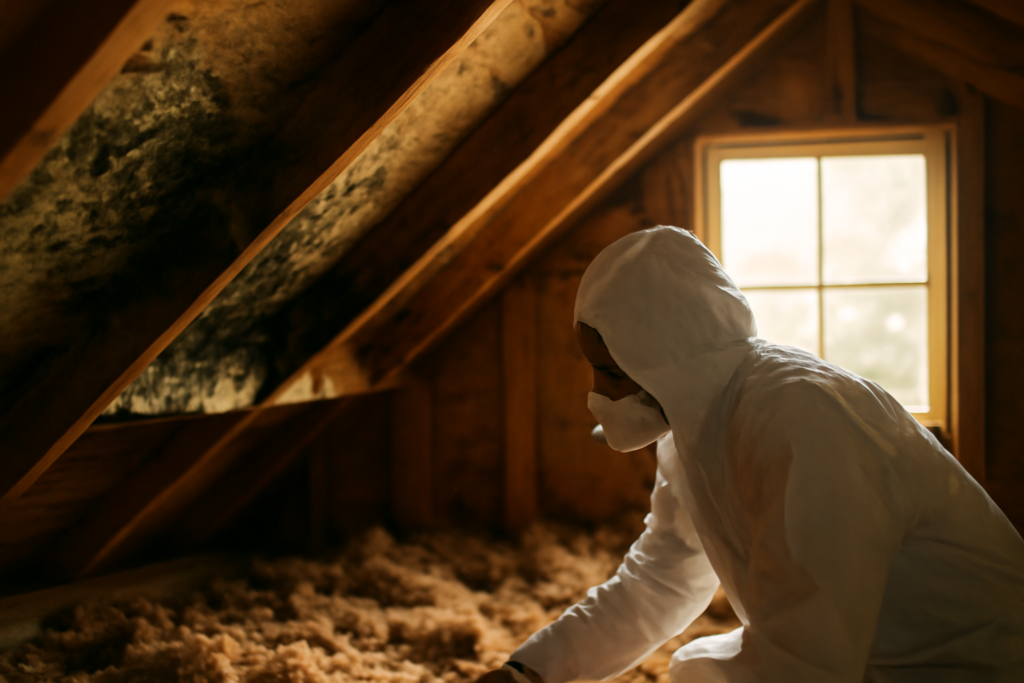
When you notice a persistent, musty smell wafting down from your attic, it’s easy to dismiss it as just an old house. However, that smell is often your first warning sign of a growing mold problem. Ignoring it can lead to serious structural damage and potential health issues for your family. We’ve seen attics where moisture from roof leaks or poor ventilation created the perfect environment for mold to thrive, often out of sight until it’s a significant issue. It’s crucial to address this promptly to protect your home.
Locally, homeowners have come to trust our team for effective attic mold removal because we understand the unique challenges our climate presents. With over 165 five-star reviews, our neighbors know we bring a calm, expert approach to a stressful situation. We don’t just clean; we identify the root cause and ensure your attic is safe and healthy again. You’ll see that commitment to quality in every job we do.
- We focus on safely containing and removing mold spores, preventing them from spreading to your living spaces.
- Our process includes thorough drying and dehumidification to eliminate the moisture that fuels mold growth.
- We help identify and address the source of moisture, like roof leaks or condensation, to prevent future mold issues.
How We Tackle Attic Mold: A Step-by-Step Approach
Dealing with attic mold requires more than just a quick wipe-down; it demands a methodical and safe procedure. When mold takes hold in your attic, it can spread rapidly, impacting insulation, wood, and even your HVAC system. Our team follows a rigorous, proven process designed to eliminate mold effectively and prevent its return. Cutting corners here doesn’t just leave mold behind; it can actually make the problem worse and more expensive to fix later.
Containment and Air Quality Control
The first step involves creating a sealed environment. We use specialized barriers and negative air pressure machines to contain mold spores and prevent them from migrating into the rest of your home. This critical phase ensures your family’s safety throughout the removal process. You can expect this to take a few hours, depending on the attic’s size and accessibility.
Surface Mold Removal
Once contained, our technicians use advanced HEPA-filtered vacuums and specialized cleaning agents to meticulously remove visible mold from all affected surfaces. This isn’t just surface cleaning; it’s about breaking down the mold at its source. This part of the job typically takes several hours, depending on the extent of the growth.
Antimicrobial Treatment
To ensure all mold is neutralized, we apply EPA-approved antimicrobial treatments to the affected areas. This step kills any remaining mold spores and helps inhibit future growth, providing a deeper level of clean. This treatment usually takes a few hours to dry and penetrate.
Drying and Dehumidification
Excess moisture is mold’s best friend. We employ industrial-grade dehumidifiers and air movers to thoroughly dry out your attic space. This process is vital for preventing regrowth and restoring a healthy environment. This can take anywhere from 24 to 72 hours, depending on how damp the attic is.
Final Inspection and Clearance
Before we consider the job done, our team conducts a final inspection and, if necessary, air quality testing. We want to be absolutely sure the mold is gone and your attic is healthy. Your satisfaction is guaranteed, and this final check ensures we’ve met that promise.
Don’t let attic mold compromise your home’s health and integrity. Call us today for a swift and thorough inspection. We’re ready to restore your attic and your confidence.

Warning Signs You Need Attic Mold Removal
Catching attic mold early is key to minimizing damage and cost. Many homeowners miss the subtle signs until the problem is extensive. Recognizing these indicators can save you significant headaches and protect your property. Pay close attention to what’s happening above you.
Musty Odors That Won’t Go Away
The most common indicator is a persistent, earthy, or musty smell, especially noticeable on hot, humid days. This odor often originates from your attic and can seep into your living areas. It’s a strong signal that mold is actively growing.
Visible Mold Growth
While often hidden by insulation, mold can appear as fuzzy or slimy patches, typically black, green, white, or orange. Look for it on wood beams, rafters, or the underside of your roof decking. Early detection is key to preventing spread.
Water Stains or Discoloration
Dark spots or rings on your attic’s ceiling or walls can indicate past or present water intrusion. This moisture is the perfect breeding ground for mold. These stains are a clear sign of potential mold issues.
Peeling or Warping Materials
If you notice paint peeling, drywall sagging, or wood looking warped in your attic or on the ceiling below, it could be due to prolonged moisture exposure, often accompanied by mold. This indicates structural compromise is possible.
Increased Humidity in Your Home
A sudden increase in humidity throughout your house, even when your HVAC system is working, could be a sign that moisture is accumulating in your attic and affecting the overall air quality. This is a sign of hidden moisture problems.
Health Symptoms
Some individuals experience allergy-like symptoms such as sneezing, coughing, headaches, or skin irritation that worsen when they are home. If these symptoms seem tied to your house, especially when spending time indoors, it might be related to attic mold. Your family’s health is paramount.
Attic Mold Removal vs. DIY: When To Call a Professional
| Situation | DIY? | Call a Pro? | Why |
|---|---|---|---|
| Small, isolated spots of surface mold on a non-porous material (like metal ducting) | Yes, with proper safety gear. | Maybe, if unsure. | DIY is manageable for tiny, easily accessible spots. |
| Mold covering a large area (more than a few square feet) | No. | Yes. | Large infestations require professional containment and specialized equipment. |
| Mold suspected within insulation or on porous materials (wood, drywall) | No. | Yes. | Mold penetrates porous materials, requiring advanced removal techniques. |
| Musty odors are present but no visible mold is found | No. | Yes. | Hidden mold is likely present and requires expert detection. |
| Mold is suspected after a significant water event (e.g., roof leak) | No. | Yes. | Water damage often leads to extensive mold growth that needs immediate, professional attention. |
| You or family members have respiratory issues or allergies | Absolutely not. | Yes, immediately. | Protecting your health from airborne spores is the top priority. |
While small, superficial mold spots might seem like a DIY job, attic mold often involves hidden moisture sources and can spread quickly. For anything beyond a tiny, easily contained patch, calling a professional ensures the mold is completely eradicated and the underlying issues are resolved.
Attic Mold Removal Cost In Pasadena, TX
The cost for attic mold removal in Pasadena, TX, can vary significantly based on the size of the affected area, the severity of the mold growth, and the complexity of the attic space. These figures are general estimates; a thorough on-site assessment is needed for precise pricing.
| Service | Typical Price Range | What Affects Cost |
|---|---|---|
| Attic Mold Inspection and Assessment | $250 – $750 | Size of attic, complexity of access, need for specialized testing. |
| Containment and Air Scrubbing | $500 – $1,500 | Square footage of attic, number of air movers/scrubbers needed. |
| Surface Mold Removal (Non-porous materials) | $500 – $2,000 | Extent of mold coverage, accessibility of areas. |
| Mold Remediation on Porous Materials (Wood, Insulation) | $1,500 – $5,000+ | Severity of mold penetration, material removal and replacement needed. |
| Antimicrobial Treatment and Sealing | $300 – $1,000 | Area treated, type of sealant applied. |
| Drying and Dehumidification | $400 – $1,200 | Duration of drying needed, size of dehumidification equipment. |
The best way to get an accurate understanding of the cost for your specific situation is to schedule a free estimate with our team. We’ll provide a detailed breakdown of the necessary work and associated costs.
Service Areas Near Pasadena, TX
Deer Park, La Porte, Channelview, Jacinto City, Galena Park, South Houston, Webster, League City, Pearland, Friendswood, Alvin, Kemah, Seabrook, Baytown, Highlands, Crosby, Huffman, Spring, Humble, Kingwood
Common Questions About Attic Mold Removal
What’s the difference between mold and mildew in an attic?
While often used interchangeably, mildew is a type of mold that typically grows on flat surfaces and appears powdery or slimy. Mold can grow on a wider variety of surfaces, including penetrating porous materials like wood and insulation, and can appear fuzzy or slimy. Both are fungi that thrive in damp environments, and both require professional attention when found in your attic. Our team has the training to identify and treat all types of fungal growth.
How long does attic mold removal typically take?
The timeline can vary significantly, but a typical attic mold removal project can take anywhere from 24 hours to several days. This depends on the size of the attic, the extent of the mold infestation, and the necessary drying time. We’ll provide a more specific estimate after our initial assessment.
Will my homeowner’s insurance cover attic mold removal?
Coverage varies greatly depending on your specific policy and the cause of the mold. Policies often cover mold damage if it resulted from a sudden, accidental event like a burst pipe, but not if it’s due to long-term neglect or poor maintenance. It’s best to review your policy and contact your insurance provider. We can assist with documentation for your claim.
Can I just clean the mold myself if it’s not too bad?
For very small, surface mold spots on non-porous surfaces, a DIY approach might seem feasible, but it’s rarely recommended for attics. Attics are often enclosed spaces with poor ventilation, making it difficult to contain spores. Without proper safety gear and containment, you risk spreading spores throughout your home and exposing yourself to health risks. We use specialized equipment to ensure complete and safe removal.
How can I prevent mold from coming back after it’s removed?
Prevention is key. After our removal process, the most important step is to address the source of moisture. This often involves fixing roof leaks, improving attic ventilation, sealing air leaks from the house into the attic, and using dehumidifiers if necessary. Maintaining a dry attic environment is crucial to keeping mold away.
Check Our Other Relevant Services

Gary Gwin: Damage Restoration Expert
With over 20 years of hands-on experience, Gary Gwin is a trusted authority in property recovery and disaster mitigation. As a licensed specialist, Gary has dedicated his career to restoring safety and peace of mind for homeowners facing environmental crises.
𝗖𝗲𝗿𝘁𝗶𝗳𝗶𝗰𝗮𝘁𝗶𝗼𝗻𝘀: Gary holds multiple advanced IICRC certifications, including Water Damage Restoration (WRT), Applied Microbial Remediation (Mold), Applied Structural Drying (ASD), Odor Control, and Fire and Smoke Restoration. His deep technical knowledge ensures every project meets the highest industry standards for health and safety.
𝗕𝗲𝘀𝘁 𝗣𝗮𝗿𝘁 𝗼𝗳 𝘁𝗵𝗲 𝗝𝗼𝗯: Gary finds the most fulfillment in guiding families through the recovery process, transforming a chaotic property loss into a restored, habitable home.
𝗙𝗮𝘃𝗼𝗿𝗶𝘁𝗲 𝗣𝗮𝘀𝘁𝗶𝗺𝗲: When off the clock, Gary enjoys exploring local hiking trails and woodworking.