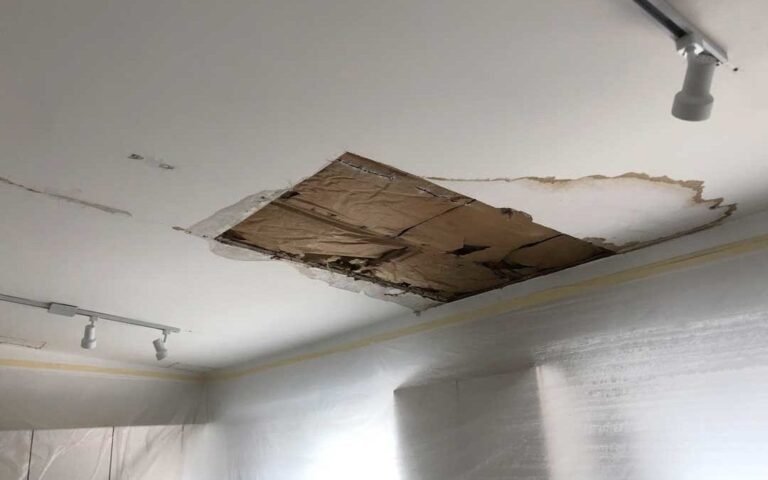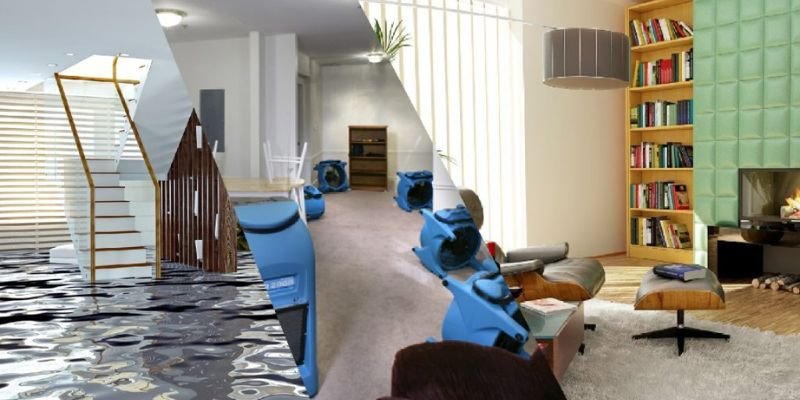
Water in the house feels scary. Pipes burst. Storms roll in. Floors squish. You need help that shows up fast and does the work right.
This plain-talk guide helps you pick a local team with care. It keeps the tone simple and clear. It also respects the science behind drying and repair.
Quick Decision Checklist
- IICRC certified techs
- 24/7 live phone line and arrival in 1-2 hours
- Licensed, insured, and bonded
- Written, itemized estimate before work starts
- Right tools: industrial dehumidifiers, HEPA air scrubbers, infrared and moisture meters
- Clear plan: extract, dry, dehumidify, sanitize, restore
- Solid local reviews with no pattern of the same complaint
- Help with insurance photos and papers
Why Water Damage Gets Worse If You Wait
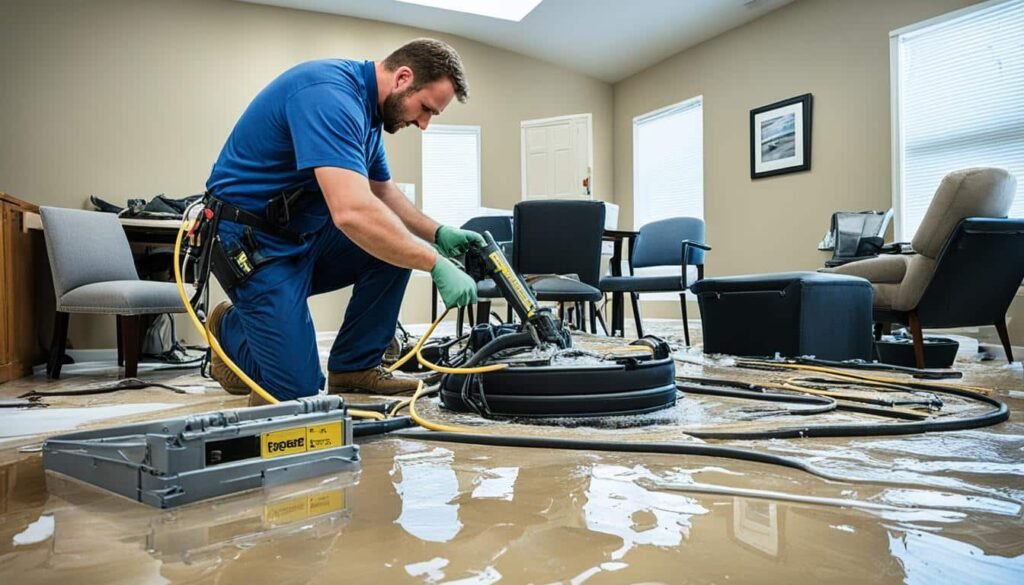
A wet carpet looks simple. The part you cannot see matters more. Water moves behind walls and under floors. Wood swells. Drywall sags. Mold can start in 24-48 hours. Air can feel damp and smell musty. Quick action cuts loss and time.
Here is a short story. A small leak soaked a hallway one night. The owner set two fans and went to bed. The next week, baseboards cupped and paint peeled. Hidden water sat inside the wall. A pro found it with a meter in two minutes. A small job became a bigger one.
Building science gives a frame for all this. Drying works when air flow, heat, and vapor pressure support each other. Techs track these with daily readings, not guesswork. Simple, clear data guides every move.
Some talk about psychrometrics like it is rocket math. It is not. Think of air as a sponge that holds water. Warm air holds more. Move air across wet surfaces. Pull the water out of the air with dehumidifiers. Keep doors open unless the room needs plastic barriers. That is the heart of most jobs.
What a Good Company Does Start to Finish
- Safety first. Find and stop the source. Check power and slip risks. Keep kids and pets out of wet rooms.
- Classify the water. Clean, grey, or black per IICRC S500 guidance. Category sets the cleaning plan.
- Extract fast. Pumps and vacs move bulk water right away. Extraction is faster than drying, so it saves time.
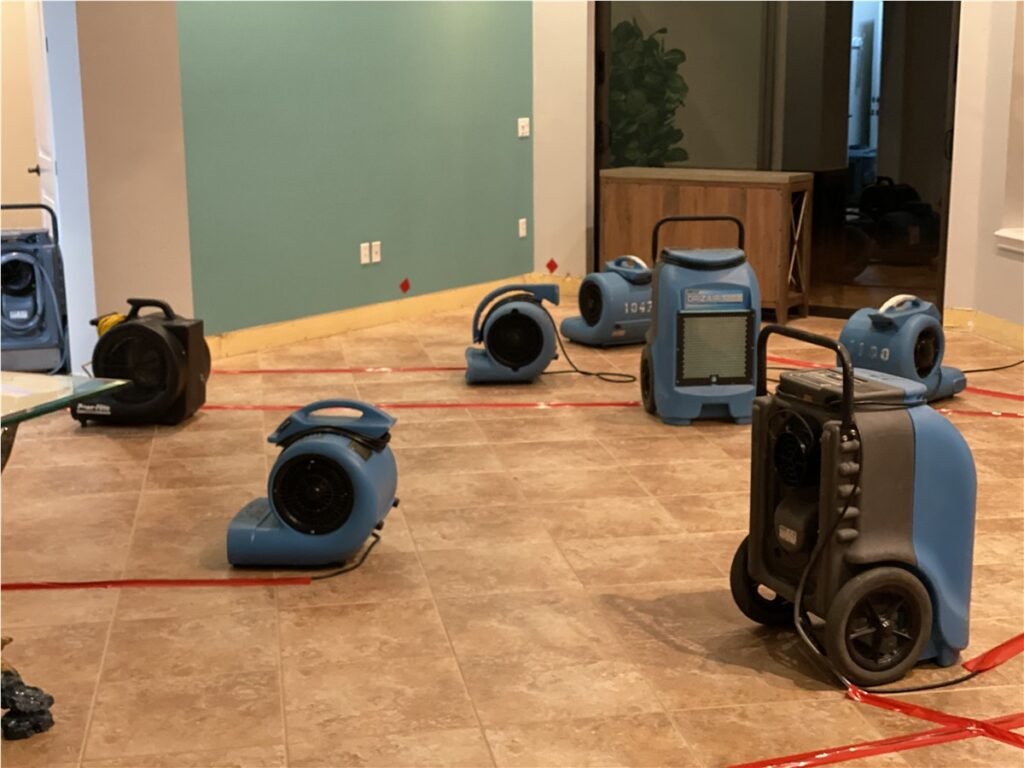
- Set the dry plan. Air movers and dehumidifiers run in the right ratio. The layout fits the room size and shape.
- Measure daily. Moisture meters and infrared show hidden wet spots. Readings guide when to shift gear or open walls.
- Clean the air. HEPA scrubbers reduce dust and spores. Filters get checked and changed on schedule.
- Sanitize where needed. Use products that fit the water category. Let dwell times work as the label states.
- Repair. Replace drywall, trim, and floors. Paint and finish. Match textures, not just colors.
- Document. Photos, readings, and notes for your adjuster. Clear files speed claim review.
You should see a start plan on day one. You should also see changes when readings show new needs. Drying is a process, not a set-it-and-forget-it move.
What to Look For
Licenses and Certification
Ask for IICRC cards for the techs on your job. Training should be current. The company should also hold any state or city license required.
Experience That Fits Your Loss
Numbers help. How many jobs like yours last month? Ask for local references. Ask for photos of a similar case. Real cases beat glossy ads.
Real Response Times
Phones get answered at night and on weekends. Crews should reach you in 60-120 minutes. If they offer a window, ask for updates once the truck rolls.
Insurance and Bonding
You want proof. Ask for certificates. Check dates and policy numbers. This protects you if a worker gets hurt or a tool damages a door.
Modern Tools and Methods
A box fan is not a plan. Look for LGR or desiccant dehumidifiers. Look for high-velocity air movers. Look for plastic containment and negative pressure when the area needs it. Ask how they will verify dry goals. The answer should include meter types and target points.
Clear Communication
Good teams set expectations up front. They tell you where gear will sit and how long it might run. They explain noise, heat, and power needs. They also schedule daily checks at set times.
Reviews Without the Hype
Check Google, Yelp, Angi, and the BBB. Read the words, not just the stars. Patterns matter. Late arrivals. Poor updates. Surprise add-ons. If you keep seeing the same theme, skip that shop.
Read both ends of the range. Five-star raves can hide weak detail. One-star rants can miss key facts. Look for calm notes with dates, names, and room types. Those often tell the real story.
You can also ask a simple question online. “Did the crew show moisture readings each day?” People who had a solid job often mention numbers. Vague praise helps less than clear facts.
Get a Written Estimate You Can Understand
Verbal quotes shift. Ask for a line-by-line estimate. It should list labor, equipment, and days. It should also explain demo vs dry-in-place. Drying often takes three to five days, but size and materials change that.
Look for a sketch or room list. That makes scope clear. You should see notes on baseboard pulls, drywall cuts, and any cabinet work. You should also see who handles content pack-out and storage if needed.
Ask how they bill equipment. Daily rates should be plain and fair. Ask how many air movers and dehumidifiers they plan to set. Ask how they will reduce gear over time as readings drop. Fewer machines near the end is a good sign.
Service and Respect
First calls tell you a lot. Do they listen? Do they explain next steps? At the house, techs should use floor protection and shoe covers. You should get daily updates and moisture numbers.
Small acts matter. Crews can coil cords, protect corners, and wipe door handles. They can set a walk path to keep clean rooms clean. They can check on pets and secure gates. These details do not slow the job. They show care and skill.
Good companies also prepare you for life with the gear. Air movers are loud. Dehumidifiers throw heat. You can ask for a basic sleep plan for the next few nights. Most people rest better with a clear plan.
Why Many People Pick Local Teams
Local crews know flood-prone blocks, slab types, and common pipe failures. They reach you faster and work better with nearby suppliers and landfills. Reputation keeps them honest.
Here is a small Houston story. A ranch home near a bayou took on water after a storm. Two shops offered help. A far branch could come in the morning. A local crew arrived in one hour, set gear, and saved the wood floors. Drive time was the difference.
Houston note: The city is huge. A nearby crew beats a far branch on drive time. Local teams also know which dump sites open early after storms. That speeds debris removal.
Emergency Means Now
- Phones answered all hours
- Clear ETA to your door
- Source stopped, contents protected, extraction started
Minutes matter. Early action can turn a tear-out into a dry-in-place job. Ask what steps they will take in the first 90 minutes. The best crews speak in plain steps, not vague promises.
Insurance Help That Actually Helps
Good teams take usable photos and keep moisture logs. Many can bill the carrier. They know how to note sudden breaks vs slow leaks. That detail may affect your claim.
Claims bring debate in many homes. Some want to file right away. Others fear rate hikes. A steady company will not push you either way. They will explain options and help you document the job. You can then choose the path that fits your risk and budget.
Ask if they use standard price guides. Many carriers use unit rates from common guides. If your estimate speaks that same language, review moves faster.
Common Hiring Mistakes
- Picking the cheapest bid with no item list
- Skipping reviews and license checks
- Accepting a vague scope
- Not asking for daily readings
- Letting demo start before a signed estimate
- Forgetting to ask about contents and storage
Questions to Ask on the First Call
- Are your techs IICRC certified? Can I see their cards?
- How fast can you get here? I need 60-120 minutes.
- Will you send an itemized estimate before demo?
- Will you help with claim photos and logs?
- Walk me through your process from start to finish.
- How will you protect rooms that stayed dry?
- What readings will tell you we are done?
Good answers sound sure and simple. No runaround. If they dodge, move on.
A Note on Debates in the Field
Dry-in-place vs demo sparks debate. Some say pull baseboards and cut early to avoid trapped moisture. Others save finishes when readings trend down and materials allow it. There is also debate on biocide use. Many pros favor physical removal and HEPA control first, with careful product use only when the category calls for it.
You can ask how the crew decides. Ask what readings trigger each step. Ask which part of IICRC S500 they follow for that choice. Also ask about vapor barriers. Foil backs and vinyl layers can trap water. Some teams cut lower walls fast in those cases. Others try dry mats and longer runs. Both paths exist in the trade.
Another debate deals with hardwood floors. Some techs pull planks early once cupping shows. Others set floor drying mats and wait. Wood type and finish make a big difference. So does time since the loss. A calm review beats a rush to rip or save.
One more point fits here. Not every smell is mold. Wet dust and damp drywall can smell off for a day or two. Good teams test, not guess. They can show you what tool they used and what number means safe.
Why Houston Damage Restoration Pros Works for Many Homes
Find the best water damage restoration company near you. Houston Damage Restoration Pros offers fast, reliable, and local water damage repair services. Our techs hold IICRC cards. Phones stay open all day and night. Gear on the trucks is the real kind, not a box fan and hope. Prices are clear and written. We help with claims from the first photo to the last log.
Here is how a first visit often sounds:
You: “Hi, water is coming from the ceiling near the bath.”
Us: “We are on our way. Please shut the supply by the street if safe. Can you move small items off the floor?”
You: “Done. How long till you get here?”
Us: “About one hour. We will set extraction gear first. Then we will check walls with a meter and camera. We will text you our plate number.”
We live here, too. When you call, we show up. We also keep you in the loop. You will get daily notes and a clear finish plan.
FAQs
1) What does water damage repair cost?
Most jobs run $1,000-5,000. Mold or major rebuilds cost more. The range reflects size, materials, and time since the loss.
2) How fast should I act?
Right away. Mold can start in 24-48 hours. Early steps save money and walls.
3) Can I DIY?
Small spills, sure. Large losses hide moisture. Missed pockets lead to mold. You also may not have meters. Guessing often backfires.
4) How do I know it is serious?
Wet walls, sagging ceilings, cupped floors, or a musty smell all point to risk. If water touched outlets or the panel, stay clear and call for help.
5) Does insurance cover this?
Often yes for sudden breaks, not slow leaks. Check your policy. Ask us to document with photos and logs.
6) How loud is the gear?
Air movers are loud. Dehumidifiers add heat. We can shift units at night so you can sleep.
7) How long will it take?
Many homes dry in three to five days. Dense materials and trapped spaces take longer. Readings, not guesses, call the finish.
8) Do I need to leave the house?
Most people stay home. If a bathroom or kitchen is out, we set safe paths. Heavy demo may call for a short hotel stay.

Gary Gwin: Damage Restoration Expert
With over 20 years of hands-on experience, Gary Gwin is a trusted authority in property recovery and disaster mitigation. As a licensed specialist, Gary has dedicated his career to restoring safety and peace of mind for homeowners facing environmental crises.
𝗖𝗲𝗿𝘁𝗶𝗳𝗶𝗰𝗮𝘁𝗶𝗼𝗻𝘀: Gary holds multiple advanced IICRC certifications, including Water Damage Restoration (WRT), Applied Microbial Remediation (Mold), Applied Structural Drying (ASD), Odor Control, and Fire and Smoke Restoration. His deep technical knowledge ensures every project meets the highest industry standards for health and safety.
𝗕𝗲𝘀𝘁 𝗣𝗮𝗿𝘁 𝗼𝗳 𝘁𝗵𝗲 𝗝𝗼𝗯: Gary finds the most fulfillment in guiding families through the recovery process, transforming a chaotic property loss into a restored, habitable home.
𝗙𝗮𝘃𝗼𝗿𝗶𝘁𝗲 𝗣𝗮𝘀𝘁𝗶𝗺𝗲: When off the clock, Gary enjoys exploring local hiking trails and woodworking.