Trusted by 150+ Homeowners
Ceiling Water Damage Restoration in Pecan Grove, TX
- Over 152 5-Star Reviews
- Free Estimates and Quotes
- 100% Satisfaction Guaranteed
- Child, Family & Pet Safe Steps
- 24-Hour Emergency Service
- Fully Licensed & Insured

Don’t Let a Leaky Ceiling Ruin Your Day in Pecan Grove, TX
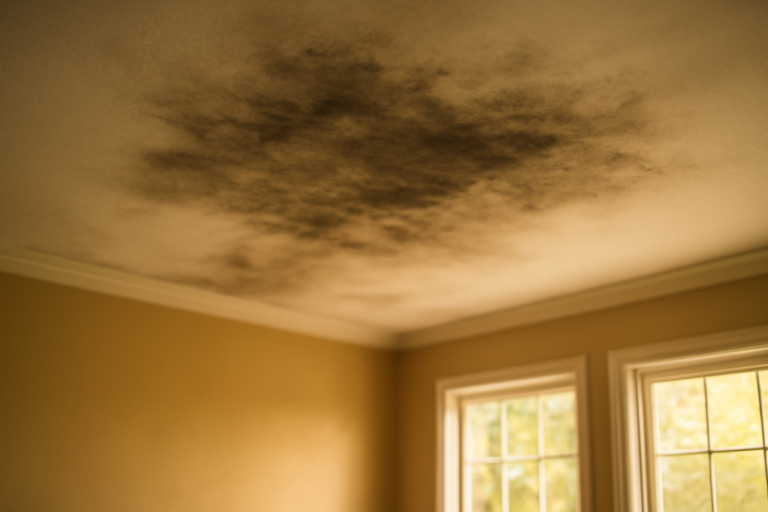
Here around Pecan Grove, TX, we know how quickly a summer thunderstorm can turn into a real headache. That sudden downpour might seem harmless, but it can often lead to sneaky leaks that start showing up in your ceiling. You might notice a small, dark spot that just keeps growing, or worse, a drip, drip, drip that you can’t quite trace back to its source. Ignoring these early signs can lead to a much bigger mess, impacting your home’s structure and even your family’s health. It’s crucial to address ceiling water damage promptly to prevent further issues.
We’ve helped hundreds of your neighbors in this area deal with this exact problem, and they trust us because we get it done right. With over 165 five-star reviews from homeowners just like you, it’s clear we’re the local team you can count on when water starts to attack your ceiling. We focus on getting your home back to normal quickly and effectively, making the whole process less stressful. You’ll appreciate our straightforward approach and commitment to quality work.
- We tackle the source of the leak, not just the symptom, to prevent recurring problems with your ceiling.
- Our team uses specialized equipment to thoroughly dry out affected areas, preventing mold growth and structural damage.
- We restore your ceiling to its pre-loss condition, ensuring it looks and feels like nothing ever happened.
How We Tackle Ceiling Water Damage
When water decides to make an unwelcome appearance in your ceiling, it’s not just about mopping up. A proper restoration process is essential to avoid long-term damage. Simply patching a wet spot often means the underlying issues are left unaddressed, leading to hidden mold or weakened drywall that could fail later. We follow a meticulous process to ensure your ceiling is not only dry but also safe and structurally sound. Our experienced crews understand the science behind water damage and how to reverse its effects.
Initial Assessment and Water Source Identification
We first pinpoint exactly where the water is coming from. Is it a roof leak, a plumbing issue in the attic, or condensation from your HVAC system? Identifying the root cause is the most important first step. We’ll use tools to accurately detect the source and extent of the water intrusion.
Water Extraction and Removal
Once we know the source, we remove any standing water. For ceilings, this might involve carefully puncturing a small hole to allow water to drain safely, preventing it from spreading further or causing a collapse. We use specialized pumps and vacuums to remove as much moisture as possible, which is key to a fast recovery.
Drying and Dehumidification
This is where the real magic happens. We bring in powerful air movers and industrial-grade dehumidifiers to pull moisture out of the air and the affected materials. Proper drying prevents secondary damage like mold and rot. This stage can take a few days, depending on how saturated the area is.
Mold Prevention and Remediation
Water damage creates a perfect breeding ground for mold. We’ll inspect for any signs of mold growth and take immediate action. Our team is trained in mold remediation to safely remove any existing mold and treat the area to prevent future growth.
Ceiling Repair and Restoration
After everything is dry and any mold is gone, we move on to repairing the damaged ceiling. This often involves replacing damaged drywall, texturing, and painting. We aim for a perfect match so you can’t tell any damage ever occurred.
Don’t let a little drip turn into a big problem. Contact us immediately if you suspect ceiling water damage. We’re here to help restore your home quickly and efficiently.

Warning Signs You Need Ceiling Water Damage Restoration
Catching water damage early can save you a lot of money and hassle. Your ceiling might be trying to tell you something’s wrong, but you need to know what to look for. Paying attention to these subtle clues can prevent a minor leak from becoming a major structural issue.
Discolored Spots or Stains
A yellow or brown stain on your ceiling is a clear indicator of water intrusion. These stains often start small and can grow over time if the leak isn’t fixed.
Sagging or Bulging Ceiling
If your ceiling looks like it’s starting to dip or bulge, it means water is accumulating behind the drywall. This is a serious warning sign that the material is weakening and could collapse.
Musty Odors That Won’t Go Away
A persistent damp, musty smell, especially in areas without obvious moisture, can signal hidden water and potential mold growth. These odors often point to unseen problems in your attic or walls.
Peeling Paint or Wallpaper
Water behind the paint or wallpaper can cause it to bubble, peel, or flake away. This is a visible sign of moisture affecting the surface of your ceiling.
Dripping Water
The most obvious sign, of course, is water actually dripping from your ceiling. Don’t wait to see how bad it gets; immediate action is required.
Ceiling Water Damage Restoration vs. DIY: When To Call a Professional
| Situation | DIY? | Call a Pro? | Why |
|---|---|---|---|
| Small, recent drip from a known pipe leak in the attic. | Yes, with caution. | Yes. | Pros ensure complete drying and assess potential mold. |
| Large water stain spreading across the ceiling. | No. | Yes. | Extensive moisture needs professional drying equipment. |
| Ceiling visibly sagging or bulging. | Absolutely Not. | Yes. | Risk of collapse; requires immediate professional attention. |
| Musty odor with no visible stain. | Maybe, for initial cleanup. | Yes. | Hidden mold requires specialized detection and removal. |
| Water damage after a severe storm or roof leak. | No. | Yes. | Assess structural integrity and prevent widespread damage. |
| Minor condensation on a bathroom ceiling from steam. | Yes, improve ventilation. | No. | Usually manageable with better airflow and cleaning. |
While some minor issues might seem like a quick DIY fix, ceiling water damage often hides bigger problems. Professional assessment is crucial for anything beyond a very small, easily identifiable leak. Our team has the tools and expertise to ensure your home is truly dry and safe.
Ceiling Water Damage Restoration Cost In Pecan Grove, TX
The cost for ceiling water damage restoration in Pecan Grove, TX, can vary quite a bit. Factors like the size of the affected area, the severity of the water damage, and whether mold has started to grow all play a role. These are estimates, and a proper on-site inspection is always needed for an exact quote.
| Service | Typical Price Range | What Affects Cost |
|---|---|---|
| Water Damage Assessment & Source Identification | $200 – $700 | Complexity of finding the leak source. |
| Water Extraction & Drying | $500 – $3,000+ | Amount of water, size of area, duration of drying. |
| Mold Inspection & Testing | $300 – $1,000 | Number of samples taken, scope of inspection. |
| Mold Remediation | $1,000 – $5,000+ | Severity of mold growth, containment needs. |
| Drywall Repair & Ceiling Patching | $300 – $1,500 | Size of the damaged section, texture matching. |
| Painting & Finishing | $200 – $800 | Square footage, number of coats, primer needed. |
Remember, these prices are just a guideline. Getting a free estimate from our team is the best way to understand the specific cost for your situation. We’ll walk you through everything.
Service Areas Near Pecan Grove, TX
Stafford, Sugar Land, Missouri City, Arcola, Fresno, Pearland, Friendswood, League City, Webster, Seabrook, Kemah, La Porte, Pasadena, Houston, Katy, Richmond, Rosenberg, Needville, Thompsons, Alvin.
Common Questions About Ceiling Water Damage Restoration
What if I can’t find where the water is coming from?
It’s common for the water source to be hidden, especially in attics or behind walls. Our technicians use specialized moisture meters and thermal imaging cameras to accurately detect hidden water and determine the exact origin of the leak. We’ll find it so we can stop the damage at its source.
How quickly do I need to get ceiling water damage fixed?
You need to act fast. The longer water sits, the more damage it causes. Within 24-48 hours, mold can begin to grow, and structural integrity can be compromised. We offer emergency services because immediate attention is critical for the best outcome.
Will my homeowner’s insurance cover ceiling water damage?
Often, yes, but it depends on the cause of the leak. Sudden and accidental damage, like a burst pipe or storm damage, is usually covered. Gradual leaks or lack of maintenance might not be. We can help you document the damage for your insurance claim and work with your provider.
How long does the entire ceiling restoration process take?
The timeline varies greatly. Simple drying and minor repairs might take a few days. However, if mold is involved or the damage is extensive, it could take a week or more. We prioritize efficient drying and restoration to get your home back to normal as quickly as possible.
Can I prevent ceiling water damage?
Yes, you can take steps to prevent it. Regularly inspect your roof for damage, ensure proper attic ventilation, and maintain plumbing in upper floors and attics. Addressing small issues early, like a tiny roof granule leak or a slightly loose pipe fitting, can save you from major headaches down the line.
Check Our Other Relevant Services

Gary Gwin: Damage Restoration Expert
With over 20 years of hands-on experience, Gary Gwin is a trusted authority in property recovery and disaster mitigation. As a licensed specialist, Gary has dedicated his career to restoring safety and peace of mind for homeowners facing environmental crises.
𝗖𝗲𝗿𝘁𝗶𝗳𝗶𝗰𝗮𝘁𝗶𝗼𝗻𝘀: Gary holds multiple advanced IICRC certifications, including Water Damage Restoration (WRT), Applied Microbial Remediation (Mold), Applied Structural Drying (ASD), Odor Control, and Fire and Smoke Restoration. His deep technical knowledge ensures every project meets the highest industry standards for health and safety.
𝗕𝗲𝘀𝘁 𝗣𝗮𝗿𝘁 𝗼𝗳 𝘁𝗵𝗲 𝗝𝗼𝗯: Gary finds the most fulfillment in guiding families through the recovery process, transforming a chaotic property loss into a restored, habitable home.
𝗙𝗮𝘃𝗼𝗿𝗶𝘁𝗲 𝗣𝗮𝘀𝘁𝗶𝗺𝗲: When off the clock, Gary enjoys exploring local hiking trails and woodworking.