Trusted by 150+ Homeowners
Disaster Recovery Planning in Galveston, TX
- Over 152 5-Star Reviews
- Free Estimates and Quotes
- 100% Satisfaction Guaranteed
- Child, Family & Pet Safe Steps
- 24-Hour Emergency Service
- Fully Licensed & Insured
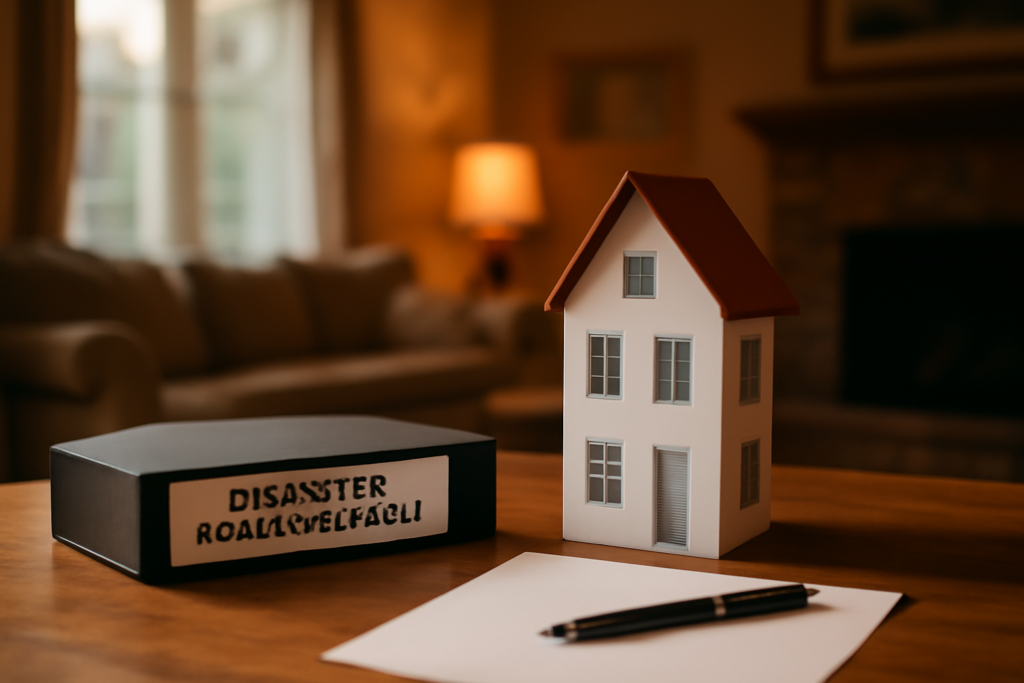
Preparing Your Galveston Home for the Unexpected
When you live on the coast, you understand that a sudden storm or unexpected event can bring significant damage to your property. It’s easy to think, “it won’t happen to me,” but being prepared is key. A common mistake homeowners make is waiting too long to assess potential vulnerabilities or failing to have a clear plan for what to do *after* damage occurs. This is where proactive Disaster Recovery Planning becomes incredibly important, giving you a roadmap when you need it most. We’ve seen firsthand how a well-thought-out plan can make a world of difference in protecting your home and belongings.
Locally, homeowners trust our team because we don’t just react to damage; we help you prepare for it. With over 165 five-star reviews from satisfied neighbors, you can see we’re committed to providing reliable guidance and support. When it comes to your property, having a clear strategy for recovery means you’re not starting from scratch when an emergency hits. We’re dedicated to ensuring you have the information and support you need to navigate difficult situations with confidence.
- A structured Disaster Recovery Plan helps you understand your home’s specific risks, from wind and water to potential structural issues, so you can address them before they become major problems.
- Having a pre-established plan means you’ll know exactly who to call and what steps to take immediately after an incident, drastically reducing response times and the extent of damage.
- Your plan will outline how to protect valuable documents and sentimental items, ensuring the things that matter most are accounted for and secured during a recovery effort.
How Our Disaster Recovery Planning Process Works
A proper Disaster Recovery Plan isn’t just a document; it’s a living strategy that involves understanding potential threats and outlining clear actions. When corners are cut, the effectiveness of your plan diminishes significantly. We believe in a thorough, methodical approach to help you build resilience. This means carefully assessing your property’s unique situation, identifying potential weak points, and creating actionable steps that are easy to follow when stress levels are high. Our goal is to make sure you’re not caught off guard.
Initial Vulnerability Assessment
We’ll start by walking through your property with you, identifying areas that might be susceptible to common issues in our area. This involves looking at everything from your roofline and window seals to drainage around your foundation. This initial assessment helps us pinpoint potential risks before they manifest as actual damage.
Developing Your Actionable Roadmap
Based on the assessment, we’ll work with you to create a detailed, step-by-step plan. This isn’t just a generic checklist; it’s customized to your home and your specific concerns. You’ll understand precisely what to do, who to contact, and what to expect in the critical hours following an incident. This customized roadmap is the core of your preparedness.
Resource Identification and Contact List
Your plan will include a clear list of essential contacts, including our 24/7 emergency line, insurance providers, and any necessary local utility services. We help you gather important documents and store them safely, ensuring you have access to what you need. Having these essential contacts readily available saves precious time.
Securing Your Property and Valuables
We’ll discuss strategies for temporarily securing vulnerable areas of your home, such as boarding up windows or reinforcing entry points if necessary, even before an event. The plan will also guide you on how to best protect irreplaceable items. This step focuses on immediate protection measures.
Regular Review and Updates
A Disaster Recovery Plan isn’t a one-time task. We recommend reviewing and updating your plan annually, or after any significant changes to your property. This ensures it remains relevant and effective. We’ll guide you on when and how to perform these important updates.
Don’t wait for the unexpected to happen. Taking proactive steps now can save you immense stress and financial burden later. Let us help you create a robust plan for your property’s recovery.
Warning Signs You Need Disaster Recovery Planning
Ignoring early indicators can turn small issues into overwhelming problems. Catching these signs early is crucial for effective planning and preventing larger, more costly damage down the line. Our team helps you recognize these subtle cues so you can act decisively.
Visible Water Stains on Ceilings or Walls
These stains are often the first sign of a leak, whether from your roof, plumbing, or an exterior issue. If you’re seeing these, it means water has already found a way in, indicating a need for immediate attention and a plan for potential water damage. This is a clear indicator of leaks.
Musty Odors That Won’t Go Away
Persistent musty or earthy smells, especially in basements, attics, or bathrooms, often point to hidden mold growth. Mold thrives in damp conditions and can spread quickly, posing health risks and structural damage. Addressing these hidden mold issues requires a proactive approach.
Cracks in Foundation or Walls
Small cracks might seem insignificant, but they can be signs of underlying structural stress, potentially exacerbated by soil conditions or external forces common in coastal areas. These can widen and lead to more serious problems if not assessed. Pay attention to structural integrity warnings.
Loose or Damaged Roofing Materials
Shingles that are cracked, curled, or missing, or visible damage to flashing around chimneys and vents, can allow water to penetrate your attic and home. This is a direct pathway for water intrusion, especially during storms. Keep an eye on roofing material condition.
Persistent Dampness in Crawl Spaces or Basements
If these areas feel consistently damp or humid, even when it hasn’t rained recently, it suggests a problem with drainage or moisture intrusion. This can lead to rot, mold, and pest infestations. Managing persistent dampness is key to preventing further damage.
Peeling or Bubbling Paint
This is often a sign of moisture trapped behind the paint, indicating a leak or high humidity levels that have compromised the surface. It’s not just an aesthetic issue; it signals an underlying moisture problem that needs addressing. Look for signs of moisture damage.
Disaster Recovery Planning vs. DIY: When To Call a Professional
| Situation | DIY? | Call a Pro? | Why |
|---|---|---|---|
| Identifying potential water intrusion points | Yes, for obvious signs like a leaky faucet. | Yes, for hidden leaks or extensive pipe issues. | Pros have specialized tools to find hidden moisture. |
| Creating a basic emergency contact list | Yes, this is straightforward to compile. | Yes, if you need help prioritizing who to call first. | A structured list ensures you don’t miss critical contacts. |
| Assessing roof damage after a storm | Yes, for minor visible issues from the ground. | Yes, for significant damage or if you can’t safely access the roof. | Safety is paramount, and professionals have the right equipment. |
| Documenting existing home conditions | Yes, taking photos and videos. | Yes, for detailed reports needed by insurance. | Professional documentation is often more thorough and accepted. |
| Developing a comprehensive recovery strategy | No, this requires expert knowledge. | Yes, this is our specialty. | A pro plan considers all potential impacts and recovery steps. |
| Mitigating immediate water damage | No, unless it’s a tiny spill. | Yes, for any significant water intrusion. | Rapid response is crucial to prevent mold and structural issues. |
For significant issues or when you need a detailed, actionable plan that covers all bases, professional Disaster Recovery Planning is invaluable. It’s about ensuring your home is truly prepared for the unpredictable nature of coastal living.
Disaster Recovery Planning Cost In Galveston, TX
The cost of Disaster Recovery Planning in Galveston, TX can vary significantly depending on the size and complexity of your property, the specific risks identified, and the level of detail required in your plan. These figures are estimates to give you a general idea. Our team provides free, no-obligation estimates after an on-site assessment.
| Service | Typical Price Range | What Affects Cost |
|---|---|---|
| Initial Vulnerability Assessment | $300 – $750 | Property size and complexity of the structure. |
| Customized Actionable Roadmap Development | $500 – $1,500 | Level of detail required and number of potential scenarios covered. |
| Resource Identification and Contact List Compilation | $150 – $400 | Number of contacts and required documentation assistance. |
| Guidance on Property Securing Measures | $200 – $600 | Complexity of recommended securing techniques. |
| Annual Plan Review and Update Session | $100 – $300 | Time spent reviewing and updating the existing plan. |
| Full Disaster Recovery Plan Package | $1,000 – $3,500+ | Combines all elements for a complete, in-depth plan. |
Exact pricing depends on a thorough on-site assessment of your unique needs. We offer free initial consultations to discuss your situation and provide a transparent estimate.
Service Areas Near Galveston, TX
Texas City, La Marque, Hitchcock, Santa Fe, Bayou Vista, Friendswood, Alvin, League City, Clear Lake City, Webster, Seabrook, Kemah, Bacliff, San Leon, Jamaica Beach, Bolivar Peninsula, Crystal Beach, Port Bolivar, Gilchrist, High Island.
Common Questions About Disaster Recovery Planning
What are the biggest risks for homes in Galveston, TX?
The biggest risks for homes in your area typically include hurricane-force winds, storm surge flooding, and heavy rainfall leading to water damage. These events can cause significant structural compromise and widespread property loss. We help you identify and plan for these specific threats, creating a clear action plan tailored to our coastal environment.
How long does it take to create a Disaster Recovery Plan?
The timeline for creating a plan can vary, but a basic plan might be developed within a few days to a week, while a more detailed one could take longer. It depends on the complexity of your property and the thoroughness of the assessment. Our team works efficiently to provide you with a ready-to-use plan as quickly as possible.
Is Disaster Recovery Planning covered by homeowner’s insurance?
Typically, the planning process itself is not directly covered by standard homeowner’s insurance policies, as it’s a preventative measure. However, having a well-documented plan can significantly streamline the claims process and help you recover more effectively after an event, potentially reducing overall costs. We can help you understand how your plan supports insurance claim documentation.
What equipment do you use for disaster recovery assessments?
For assessments, we use tools like moisture meters to detect hidden water, infrared cameras to identify temperature anomalies indicating leaks or insulation issues, and sometimes drones for safe aerial inspection of roofs or difficult-to-reach areas. This advanced equipment allows us to conduct a thorough property inspection and identify potential problems you might not see.
Can I prevent damage from ever happening with a recovery plan?
A Disaster Recovery Plan is designed to prepare you for *after* damage occurs, minimizing its impact and speeding up recovery. While it can include recommendations for preventative measures, its primary goal is to outline the steps for response and recovery. It’s about being prepared for the inevitable, not preventing all damage.
Check Our Other Relevant Services

Gary Gwin: Damage Restoration Expert
With over 20 years of hands-on experience, Gary Gwin is a trusted authority in property recovery and disaster mitigation. As a licensed specialist, Gary has dedicated his career to restoring safety and peace of mind for homeowners facing environmental crises.
𝗖𝗲𝗿𝘁𝗶𝗳𝗶𝗰𝗮𝘁𝗶𝗼𝗻𝘀: Gary holds multiple advanced IICRC certifications, including Water Damage Restoration (WRT), Applied Microbial Remediation (Mold), Applied Structural Drying (ASD), Odor Control, and Fire and Smoke Restoration. His deep technical knowledge ensures every project meets the highest industry standards for health and safety.
𝗕𝗲𝘀𝘁 𝗣𝗮𝗿𝘁 𝗼𝗳 𝘁𝗵𝗲 𝗝𝗼𝗯: Gary finds the most fulfillment in guiding families through the recovery process, transforming a chaotic property loss into a restored, habitable home.
𝗙𝗮𝘃𝗼𝗿𝗶𝘁𝗲 𝗣𝗮𝘀𝘁𝗶𝗺𝗲: When off the clock, Gary enjoys exploring local hiking trails and woodworking.