Trusted by 150+ Homeowners
Drywall Water Damage Repair in Huntsville, TX
- Over 152 5-Star Reviews
- Free Estimates and Quotes
- 100% Satisfaction Guaranteed
- Child, Family & Pet Safe Steps
- 24-Hour Emergency Service
- Fully Licensed & Insured

Expert Drywall Water Damage Repair in Huntsville, TX
Here in Huntsville, TX, we know a thing or two about sudden downpours and humidity that hangs around. That’s why unexpected leaks and moisture can sneak up on your home, often showing up first in your drywall. You might notice a small drip from a recent storm, or maybe a slow, unnoticed leak from a pipe, and suddenly your walls are showing signs of trouble. It’s a common problem for homeowners around here, and dealing with it quickly is key to protecting your property.
We’ve helped over 165 families in your neighborhood resolve their drywall water issues, earning more than 165 five-star reviews for our focused approach. When your walls start to look less than perfect due to water, you want a team that understands the specific challenges of drywall and how to fix it right. Our local crews are known for their detailed attention and proven methods, ensuring your home’s integrity is restored.
- We focus on preventing mold growth by thoroughly drying the affected drywall and the cavity behind it, stopping potential health hazards before they start.
- Our team uses specialized tools to ensure the repaired drywall matches your existing walls seamlessly, so you won’t even know there was ever a problem.
- We handle everything from initial assessment to the final coat of paint, making the repair process as straightforward as possible for you.
How We Tackle Drywall Water Damage
When water finds its way into your drywall, it’s not just about the surface stain. The material can weaken, become a breeding ground for mold, and even compromise the structural integrity of your walls. That’s why our approach to drywall water damage repair is methodical and thorough. We never cut corners because we know that a quick patch job can lead to bigger, more expensive problems down the road for your home.
Step 1: Initial Assessment and Water Source Identification
First, we’ll carefully inspect the damaged area to determine the extent of the water intrusion. This involves identifying exactly where the water came from – was it a leaky pipe, roof damage, or something else? Pinpointing the source is critical to prevent future issues. This initial assessment usually takes about an hour, depending on the complexity.
Step 2: Water Extraction and Drying
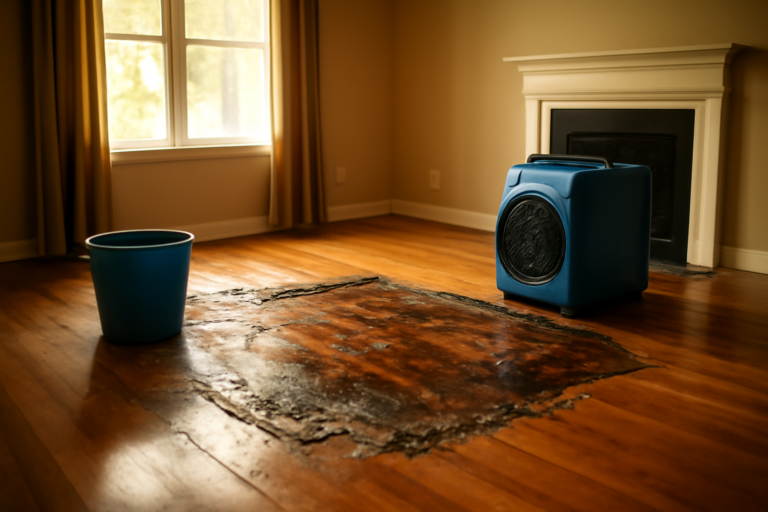
If there’s standing water or the drywall is still saturated, we’ll use professional-grade equipment to extract as much moisture as possible. Then, we deploy specialized drying equipment, like air movers and dehumidifiers, to thoroughly dry out the affected drywall and the wall cavity. This step is crucial and can take anywhere from 24 to 72 hours, depending on how much moisture we need to remove. Proper drying prevents mold.
Step 3: Damaged Drywall Removal
Once everything is dry, we’ll carefully remove any sections of drywall that have been compromised. Waterlogged drywall often loses its structural integrity and can sag or crumble. We cut out only what’s necessary to ensure a solid base for repairs. This part of the process is usually completed within a few hours.
Step 4: Mold Prevention and Treatment
During the drying process, we also inspect for any signs of mold growth. If mold is present, we’ll treat the area with antimicrobial solutions. Our goal is to ensure your home is not only structurally sound but also healthy for your family. This is a vital step in protecting your indoor air quality.
Step 5: New Drywall Installation and Finishing
After the area is clean and prepped, we install new drywall, tape and mud the seams, and sand until smooth. We’ll then prime and paint the repaired section to match your existing walls perfectly. This finishing work usually takes another 1-2 days to complete, depending on the size of the repair and drying times between coats.
Don’t let water damage linger in your walls. Contact us today for an assessment and let us restore your drywall to its original condition.
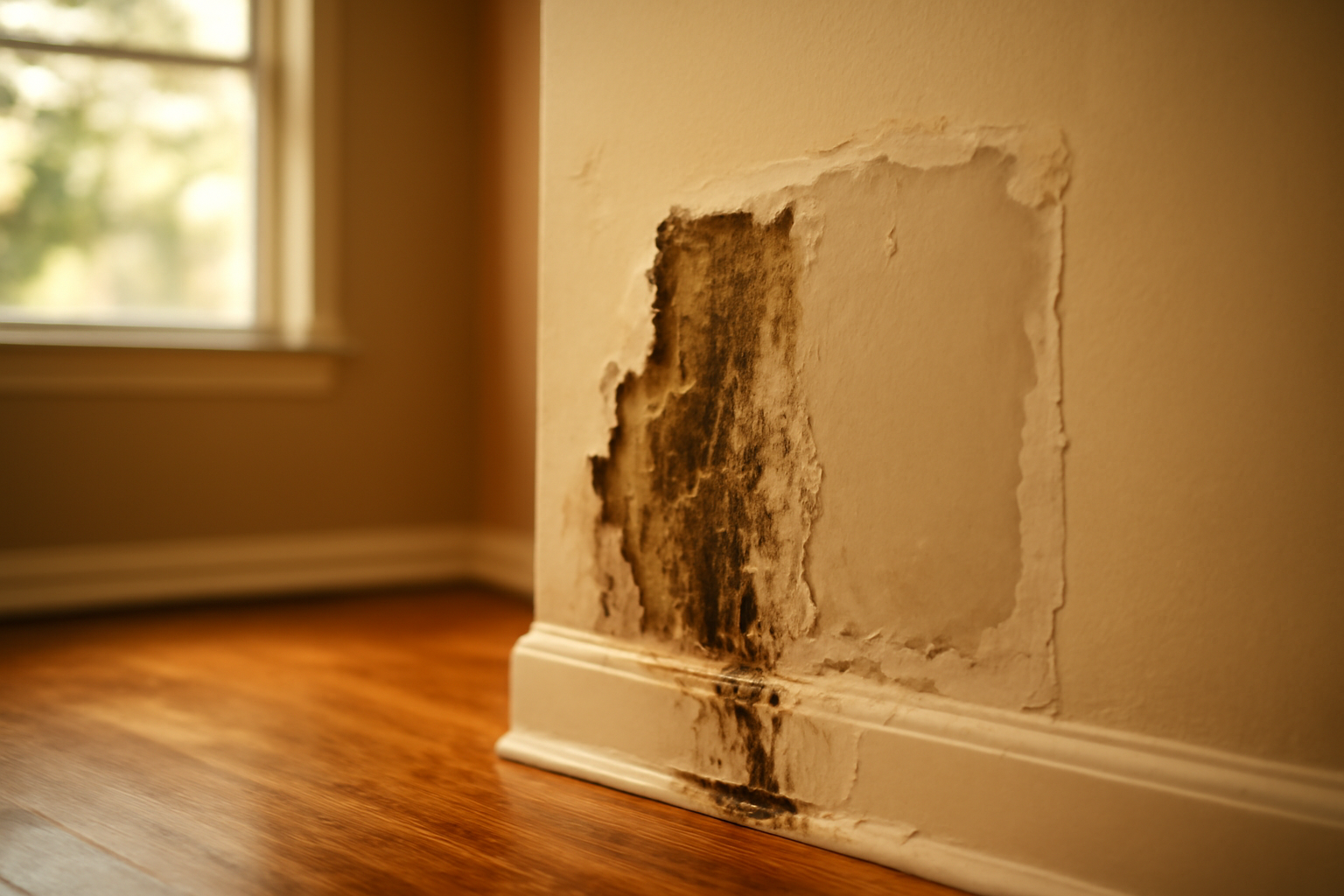
Warning Signs You Need Drywall Water Damage Repair
Catching water damage early can save you a lot of headaches and money. Your drywall might be trying to tell you something’s wrong before it becomes a major issue. Paying attention to these signs means you can get the necessary repairs done before mold sets in or the damage spreads.
Musty Odors That Won’t Go Away
If you notice a persistent damp, earthy smell, especially in a specific area, it’s a strong indicator of hidden moisture. Odor signals hidden mold and can mean water is trapped behind your walls.
Discolored Spots or Stains
Yellow, brown, or even reddish stains on your drywall are classic signs of water intrusion. These spots often start small but can grow as more water seeps in. Stains mean leaks.
Peeling or Bubbling Paint/Wallpaper
When moisture gets behind the paint or wallpaper, it can cause the adhesive to fail, leading to peeling or bubbling. This is a clear visual cue that your drywall is absorbing water. Bubbling is a bad sign.
Soft or Spongy Drywall
If you can gently press on a section of drywall and it feels soft, spongy, or gives way easily, the material has likely been saturated and weakened. Soft spots need immediate attention.
Cracks or Crumbling Edges
Water can break down the gypsum core of drywall, causing the edges to crack or the material itself to crumble. This indicates significant water saturation and potential structural compromise. Crumbling means damage.
Drywall Water Damage Repair vs. DIY: When To Call a Professional
| Situation | DIY? | Call a Pro? | Why |
|---|---|---|---|
| Small, Fresh Ceiling Stain (less than 1 sq ft) from a recent, known leak that is now fixed. | Yes, with caution. | Maybe. | You can try patching and repainting yourself if the area is small and completely dry, but a pro ensures no mold is missed. |
| Large or Spreading Ceiling Stains (over 1 sq ft). | No. | Yes. | These often indicate deeper saturation and require professional drying and potential mold remediation. |
| Visible Mold Growth on Drywall. | Absolutely Not. | Yes. | DIY mold removal can spread spores and is unsafe without proper containment and protective gear. |
| Drywall Feels Soft, Spongy, or is Crumbling. | No. | Yes. | This means the drywall material itself is compromised and needs professional removal and replacement. |
| Water Damage from a Hidden Source (e.g., plumbing leak inside a wall). | No. | Yes. | Locating and fixing hidden leaks requires specialized tools and knowledge to prevent further damage. |
| Any Water Damage Requiring Significant Drywall Replacement and Finishing. | No. | Yes. | Achieving a seamless finish and ensuring proper drying behind the new drywall is a skill that takes training and equipment. |
For minor issues where the water source is immediately fixed and the affected area is very small and dry, a DIY approach might seem tempting. However, for anything beyond a small, superficial stain, especially if there’s any softness, mold, or a persistent odor, calling a professional is the smartest choice to ensure the job is done right and your home is safe.
Drywall Water Damage Repair Cost In Huntsville, TX
The cost for drywall water damage repair in Huntsville, TX can vary quite a bit. Factors like the size of the damaged area, how much drywall needs replacing, and the complexity of the water source all play a role. These are general estimates, not fixed quotes. Accurate pricing requires an inspection.
| Service | Typical Price Range | What Affects Cost |
|---|---|---|
| Minor Drywall Patching (up to 2 sq ft) | $300 – $700 | Labor time for patching, sanding, and priming. |
| Moderate Drywall Replacement (2-10 sq ft) | $700 – $1,800 | More material needed, plus extended drying and finishing time. |
| Large Drywall Section Replacement (over 10 sq ft) | $1,800 – $4,000+ | Significant material, potential structural checks, extended drying, and finishing. |
| Water Extraction and Structural Drying | $500 – $2,000+ (per day) | Size of the affected area, type of equipment used, and duration of drying needed. |
| Mold Treatment (if necessary) | $400 – $2,500+ | The extent of mold growth and the specific treatment methods required. |
| Priming and Painting (single coat) | $150 – $500+ | Area size, paint quality, and matching existing textures or finishes. |
These figures provide a general idea, but the only way to get an exact price for your specific situation is through a professional on-site assessment. We offer free, no-obligation estimates so you know exactly what to expect.
Service Areas Near Huntsville, TX
We proudly serve Huntsville, TX and the surrounding communities, including Conroe, Willis, New Waverly, Cleveland, Shepherd, Woodbranch, Panorama Village, Montgomery, Magnolia, Tomball, Spring, The Woodlands, Porter, Kingwood, Humble, Atascocita, Crosby, Baytown, La Porte, and Deer Park.
Common Questions About Drywall Water Damage Repair
How long does it take to repair water-damaged drywall?
The timeline for drywall water damage repair can vary significantly. It depends on the extent of the water damage, how quickly we can dry out the affected materials, and the size of the area needing repair or replacement. Simple patches might take a day or two, while larger sections requiring extensive drying and finishing could take up to a week.
What are the health risks associated with water-damaged drywall?
The primary health risk comes from mold growth, which thrives in damp environments like saturated drywall. Inhaling mold spores can trigger allergies, asthma symptoms, and other respiratory issues, especially for sensitive individuals. That’s why prompt professional drying and repair is crucial to prevent mold from becoming a problem in your home.
Will my homeowner’s insurance cover drywall water damage repair?
Often, homeowner’s insurance policies cover water damage, especially if it’s due to a sudden, accidental event like a burst pipe or storm damage. However, coverage for gradual leaks or mold damage can be more complex. It’s always best to check your specific policy and contact your insurance provider to understand your coverage and the claims process.
What kind of equipment do you use to dry out water-damaged drywall?
We use a variety of professional-grade equipment to ensure thorough drying. This includes powerful air movers to circulate air, industrial dehumidifiers to extract moisture from the air and materials, and moisture meters to accurately assess dryness levels. This specialized equipment helps us speed up the drying process and prevent secondary damage like mold.
Can I prevent water damage to my drywall in the future?
Yes, there are several preventative measures you can take. Regularly inspect your roof, gutters, and plumbing for any signs of leaks or wear. Ensure your home has proper ventilation to manage humidity, especially in bathrooms and kitchens. Sealing exterior cracks and maintaining your home’s foundation can also help prevent water intrusion. Proactive maintenance saves money and prevents future headaches.
Check Our Other Relevant Services

Gary Gwin: Damage Restoration Expert
With over 20 years of hands-on experience, Gary Gwin is a trusted authority in property recovery and disaster mitigation. As a licensed specialist, Gary has dedicated his career to restoring safety and peace of mind for homeowners facing environmental crises.
𝗖𝗲𝗿𝘁𝗶𝗳𝗶𝗰𝗮𝘁𝗶𝗼𝗻𝘀: Gary holds multiple advanced IICRC certifications, including Water Damage Restoration (WRT), Applied Microbial Remediation (Mold), Applied Structural Drying (ASD), Odor Control, and Fire and Smoke Restoration. His deep technical knowledge ensures every project meets the highest industry standards for health and safety.
𝗕𝗲𝘀𝘁 𝗣𝗮𝗿𝘁 𝗼𝗳 𝘁𝗵𝗲 𝗝𝗼𝗯: Gary finds the most fulfillment in guiding families through the recovery process, transforming a chaotic property loss into a restored, habitable home.
𝗙𝗮𝘃𝗼𝗿𝗶𝘁𝗲 𝗣𝗮𝘀𝘁𝗶𝗺𝗲: When off the clock, Gary enjoys exploring local hiking trails and woodworking.