Trusted by 150+ Homeowners
Drywall Water Damage Repair in Pasadena, TX
- Over 152 5-Star Reviews
- Free Estimates and Quotes
- 100% Satisfaction Guaranteed
- Child, Family & Pet Safe Steps
- 24-Hour Emergency Service
- Fully Licensed & Insured

Water Stains on Your Walls? We Handle Drywall Water Damage Repair in Pasadena, TX
You walk into your living room after a rainstorm, or maybe after a leaky pipe finally gives up. You see it: a dark, spreading stain on your ceiling or wall. It might be soft and spongy to the touch, or maybe it’s starting to sag. You might even smell that distinct, damp odor. This isn’t just an eyesore; it’s a clear sign your drywall has suffered significant water damage, and ignoring it can lead to much bigger, more expensive problems down the line. We know how unsettling that discovery can be.
With over 165 five-star reviews from homeowners right here in the area, our team is the trusted choice for tackling this specific issue. People choose us because we understand the science behind drying and repairing water-damaged drywall, not just patching it up. We focus on getting your home back to normal, preventing mold growth, and restoring your walls to their original condition.
- We use specialized moisture meters to pinpoint exactly how deep the water has penetrated your drywall and framing, ensuring we dry out every affected area completely.
- Our targeted drying techniques, using advanced equipment, work to prevent further structural damage and the spread of secondary issues like mold.
- We meticulously remove and replace only the truly compromised sections of drywall, preserving as much of your existing home as possible.
The Technical Process for Drywall Water Damage Repair
When water hits your drywall, it’s not just a surface issue. The paper facing and gypsum core absorb moisture, weakening the material and creating a perfect breeding ground for mold if not handled correctly. A hasty repair might look okay initially, but without proper drying and assessment, the damage can spread unseen. Our process focuses on thorough moisture removal and careful material assessment to ensure a lasting fix, not just a temporary cover-up. We’re talking about science and precision, not just paint.
Initial Water Assessment
Our first step involves using advanced tools, like infrared cameras and digital moisture meters, to detect the full extent of the water intrusion. We’ll identify where the water has traveled, even into cavities you can’t see. This ensures we address the root cause of the moisture.
Containment and Air Filtration
To prevent the spread of mold spores and contaminants, we set up containment barriers. We also utilize high-efficiency air scrubbers to clean the air in your home during the drying process. This is crucial for maintaining healthy indoor air quality.
Controlled Drying
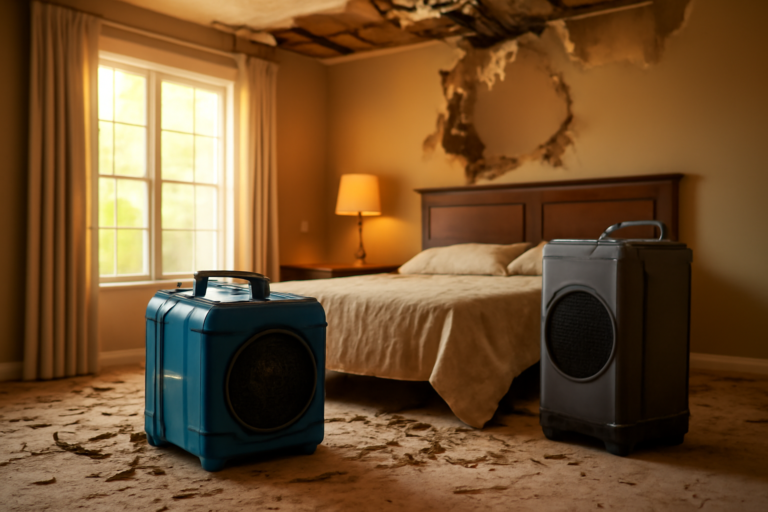
We employ specialized drying equipment, including industrial-grade air movers and dehumidifiers, to carefully control the drying environment. This process is designed to remove moisture from the drywall and underlying materials efficiently and safely. It’s a scientifically managed drying protocol.
Drywall Removal and Replacement
Any drywall that has been severely compromised or is showing signs of mold will be carefully removed. We then prepare the area for new material, ensuring a clean and stable surface for installation. This step is about restoring structural integrity.
Finishing and Sealing
Once new drywall is installed, we’ll tape, mud, and sand the seams to create a smooth finish. We then apply primer and paint to match your existing walls, making the repair virtually invisible.
Don’t let water damage linger. Call us today to schedule an assessment and take the first step toward a dry, healthy home. We’re ready to help you restore your property quickly.
Warning Signs You Need Drywall Water Damage Repair
Catching water damage early is key to minimizing repair costs and preventing more serious issues like mold or structural rot. Your drywall might be trying to tell you something’s wrong, even if you don’t see a major leak. We help homeowners in your neighborhood recognize these subtle but important indicators. Early detection means faster, cheaper repairs.
Musty Odors That Won’t Go Away
A persistent damp or musty smell, especially in a particular room or near a specific wall, is a strong indicator of hidden moisture. This smell often means mold is starting to grow behind the walls. Ignoring this could lead to widespread mold contamination.
Visible Water Stains or Discoloration
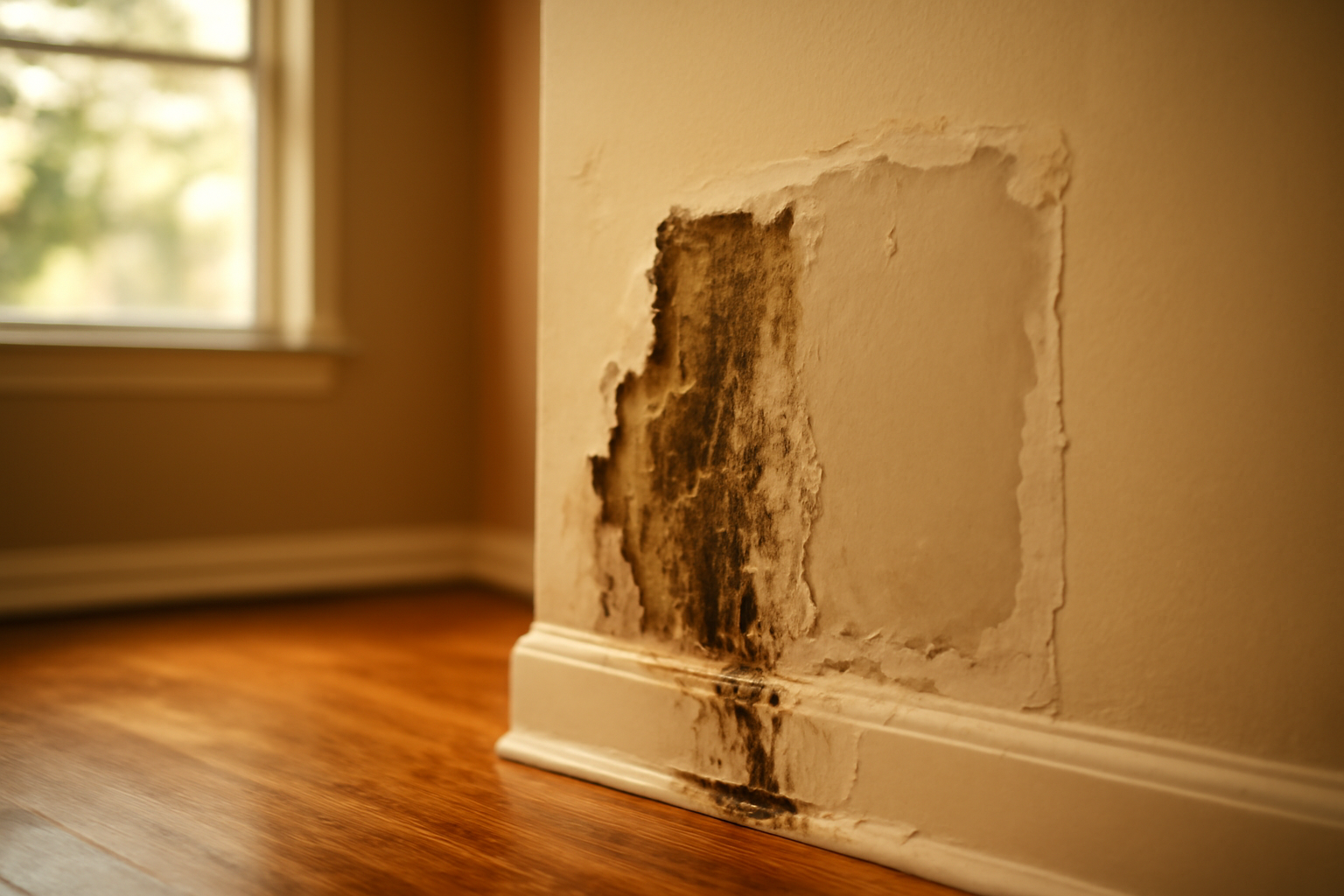
Yellow, brown, or even dark spots appearing on your ceiling or walls are obvious signs of water penetration. These stains can grow larger over time if the source of the water isn’t addressed. These are clear visual warnings.
Peeling or Bubbling Paint and Wallpaper
When moisture gets behind your paint or wallpaper, it can cause the adhesive to fail, leading to peeling, bubbling, or cracking. This indicates that moisture is actively working its way through the drywall surface. It’s a sign of material compromise.
Sagging or Soft Drywall
If a section of your drywall feels soft, spongy, or is visibly sagging, it has likely absorbed a significant amount of water. This is a critical sign that the structural integrity of the drywall is compromised. This requires immediate professional attention.
Cracks or Crumbling Drywall
Water saturation can weaken the gypsum core of the drywall, leading to cracks or a crumbling texture when touched. This means the material is losing its strength. It’s a definite sign of structural weakness.
Mold or Mildew Growth
Any visible signs of mold or mildew, often appearing as black, green, or white fuzzy patches, are a direct result of prolonged moisture exposure. Mold can spread rapidly and pose health risks. This is a serious health hazard you must address.
Drywall Water Damage Repair vs. DIY: When To Call a Professional
| Situation | DIY? | Call a Pro? | Why |
|---|---|---|---|
| Small, recent drip stain on ceiling, no sagging | Yes, if you’re comfortable painting | Yes, for thorough assessment | A pro can confirm no hidden moisture and prevent future issues. |
| Large, spreading stain on ceiling or wall | No | Yes | Large stains indicate significant saturation requiring professional drying and assessment. |
| Drywall is soft, spongy, or sagging | Absolutely No | Yes | This means structural integrity is compromised; requires expert removal and replacement. |
| Suspected mold growth (black spots, musty smell) | No | Yes | Mold requires specialized containment and removal to prevent health risks. |
| Water damage from a burst pipe or significant leak | No | Yes | These events often cause widespread saturation beyond what DIY can handle. |
| Water damage near electrical outlets or fixtures | Absolutely No | Yes | Electrical hazards are present; requires trained professionals to ensure safety. |
For anything beyond a minor surface spot, especially if there’s any sign of structural compromise or potential mold, calling a professional is the safest and most effective route. We have the tools and expertise to handle complex water damage scenarios.
Drywall Water Damage Repair Cost In Pasadena, TX
The cost for drywall water damage repair in Pasadena, TX can vary widely depending on the extent of the damage, the size of the affected area, and the complexity of the job. These figures are estimates to give you a general idea of what to expect. We always provide a detailed quote after a thorough on-site inspection. You’ll get transparent pricing upfront.
| Service | Typical Price Range | What Affects Cost |
|---|---|---|
| Minor Drywall Patch & Repair (up to 2’x2′) | $300 – $800 | Complexity of the patch, paint matching. |
| Moderate Drywall Replacement (2’x2′ to 4’x4′) | $700 – $1,500 | Size of the damaged area, need for structural support. |
| Large Section Drywall Replacement (over 4’x4′) | $1,200 – $3,000+ | Extensive water saturation, multiple layers of drywall, ceiling height. |
| Mold Remediation Associated with Drywall | $500 – $3,000+ (per affected area) | Severity of mold growth, containment needs, type of material affected. |
| Professional Drying and Dehumidification | $1,000 – $4,000+ (depending on duration) | Size of the space, level of saturation, time needed to reach dry standards. |
| Water Source Repair (if applicable) | Varies (call for estimate) | Type of leak (pipe, roof, appliance), complexity of repair. |
An on-site assessment is crucial for an accurate estimate. We offer free, no-obligation estimates to help you understand the exact cost for your specific situation.
Service Areas Near Pasadena, TX
La Porte, Deer Park, Galena Park, Jacinto City, Channelview, Cloverleaf, Highlands, Crosby, Baytown, Pearland, Webster, League City, Friendswood, Houston, South Houston, Bellaire, Missouri City, Stafford, Sugar Land, Katy.
Common Questions About Drywall Water Damage Repair
How long does drywall water damage repair typically take?
The timeline for drywall water damage repair can vary significantly. Minor patching might only take a day or two, including drying and finishing. However, if extensive drying, mold remediation, or large sections of drywall replacement are needed, it could take anywhere from a few days to over a week. We work efficiently to get your home back to normal as quickly as possible.
Is drywall water damage covered by homeowner’s insurance?
Often, homeowner’s insurance will cover water damage, especially if it’s from a sudden, accidental source like a burst pipe or storm damage. Damage from slow leaks or poor maintenance might not be covered. We can help document the damage for your insurance claim and work with adjusters to ensure you get the coverage you deserve.
What are the health risks associated with water-damaged drywall?
The primary health risk is mold growth. Mold spores can trigger allergies, asthma symptoms, and other respiratory issues. Prolonged exposure to mold in damp environments can lead to more serious health complications. That’s why prompt professional remediation is so important to protect your family’s health.
Do you need to remove all water-damaged drywall?
Not always. If the damage is superficial and the drywall is dried thoroughly and quickly, some sections might be salvageable. However, if the drywall is soft, sagging, stained, or if mold is present, removal is necessary to prevent future structural problems and health hazards. We use moisture meters to make these critical decisions.
Can I just paint over water stains on my drywall?
While you might be tempted to simply paint over a water stain, this is rarely a permanent fix. The stain will likely bleed through the paint, and more importantly, it doesn’t address the underlying moisture that caused the stain. This can lead to hidden mold growth and structural weakening. It’s best to address the cause and properly seal the stain before painting.
Check Our Other Relevant Services

Gary Gwin: Damage Restoration Expert
With over 20 years of hands-on experience, Gary Gwin is a trusted authority in property recovery and disaster mitigation. As a licensed specialist, Gary has dedicated his career to restoring safety and peace of mind for homeowners facing environmental crises.
𝗖𝗲𝗿𝘁𝗶𝗳𝗶𝗰𝗮𝘁𝗶𝗼𝗻𝘀: Gary holds multiple advanced IICRC certifications, including Water Damage Restoration (WRT), Applied Microbial Remediation (Mold), Applied Structural Drying (ASD), Odor Control, and Fire and Smoke Restoration. His deep technical knowledge ensures every project meets the highest industry standards for health and safety.
𝗕𝗲𝘀𝘁 𝗣𝗮𝗿𝘁 𝗼𝗳 𝘁𝗵𝗲 𝗝𝗼𝗯: Gary finds the most fulfillment in guiding families through the recovery process, transforming a chaotic property loss into a restored, habitable home.
𝗙𝗮𝘃𝗼𝗿𝗶𝘁𝗲 𝗣𝗮𝘀𝘁𝗶𝗺𝗲: When off the clock, Gary enjoys exploring local hiking trails and woodworking.