Trusted by 150+ Homeowners
Emergency Fire Damage Assessment in Galveston, TX
- Over 152 5-Star Reviews
- Free Estimates and Quotes
- 100% Satisfaction Guaranteed
- Child, Family & Pet Safe Steps
- 24-Hour Emergency Service
- Fully Licensed & Insured
Immediate Action for Fire-Damaged Properties in Galveston, TX
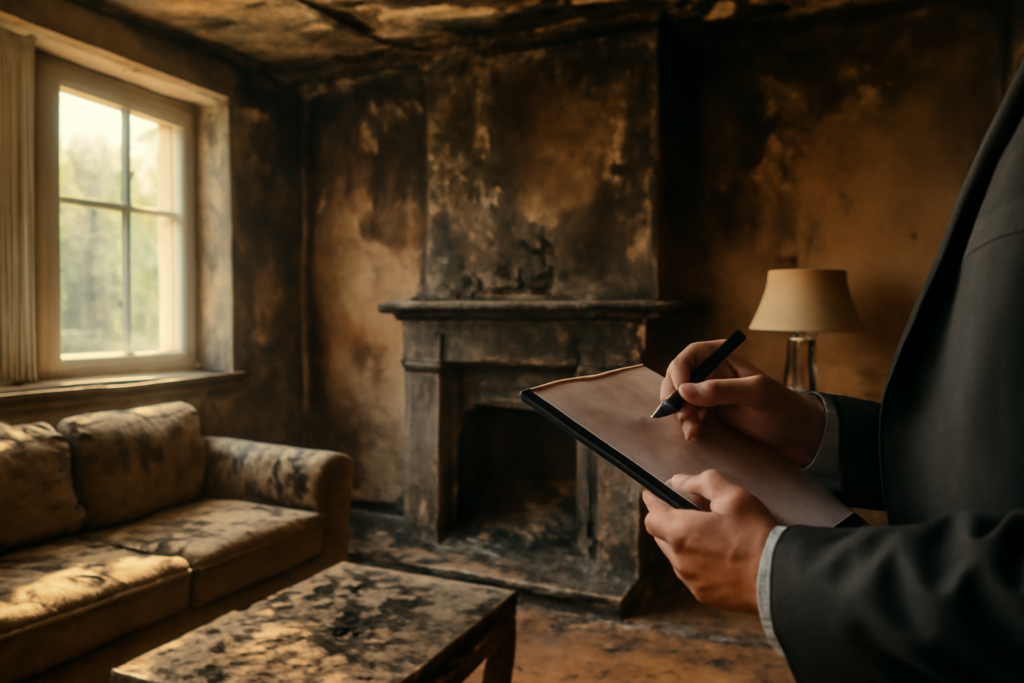
You walk into your home, and the acrid smell hits you first. Smoke lingers heavy in the air, and you see soot staining your walls and ceilings. Even if the flames were quickly contained, the damage from smoke, soot, and water used to fight the fire can spread fast. Understanding the immediate impact is crucial for your home’s safety. This is why getting a rapid, expert Emergency Fire Damage Assessment in Galveston, TX, is your very next step.
Our local homeowners trust us to provide clear, fast assessments after a fire. With over 165 five-star reviews from people right here in the area, you know you’re getting reliable service. We focus solely on the critical assessment phase to help you understand the scope of the damage and what needs to be done next. Getting a clear picture helps you make informed decisions quickly.
- We pinpoint hidden smoke damage that can cause long-term health issues and structural problems if left untreated.
- Our team identifies the exact types of soot and smoke residue, which dictates the correct cleaning methods needed.
- We assess water damage from firefighting efforts, ensuring that moisture is properly managed to prevent mold growth.
How We Conduct Your Emergency Fire Damage Assessment
A proper Emergency Fire Damage Assessment isn’t just a quick look around. It’s a detailed, scientific evaluation of every affected material and system. When corners are cut during this crucial initial phase, it can lead to lingering odors, incomplete cleaning, and escalating repair costs down the line. Our structured approach ensures nothing is overlooked, providing you with the most accurate information possible.
Initial Visual Inspection
We begin by carefully observing all visible areas of your property. This includes looking at structural elements, surfaces, and contents for signs of fire, smoke, and water. Identifying immediate hazards is our top priority during this step.
Soot and Smoke Residue Analysis
Not all soot is the same. We identify wet, dry, and oily smoke residues using specialized tools. This analysis is vital because different types require very specific cleaning agents and techniques. Proper residue identification prevents setting stains or spreading contaminants.
Structural Integrity Check
Fire can weaken building materials like wood, drywall, and even steel. We perform a preliminary check to identify any areas where structural integrity may have been compromised. Ensuring your home’s safety is paramount, and this assessment informs subsequent repair needs.
Moisture Detection
Water used by firefighters can saturate materials, leading to mold and rot if not addressed. We use advanced moisture meters to detect hidden water in walls, floors, and ceilings. Targeting unseen moisture is key to preventing secondary damage.
Air Quality Evaluation
Smoke and fire byproducts can leave behind harmful airborne particles and odors. We assess the air quality to understand the extent of contamination and the necessary steps for ventilation and purification. Improving your air quality is a critical part of the assessment process.
Don’t wait for smoke odors to become permanent or for mold to start growing. Contact us now for a fast, professional Emergency Fire Damage Assessment.
Warning Signs You Need Emergency Fire Damage Assessment
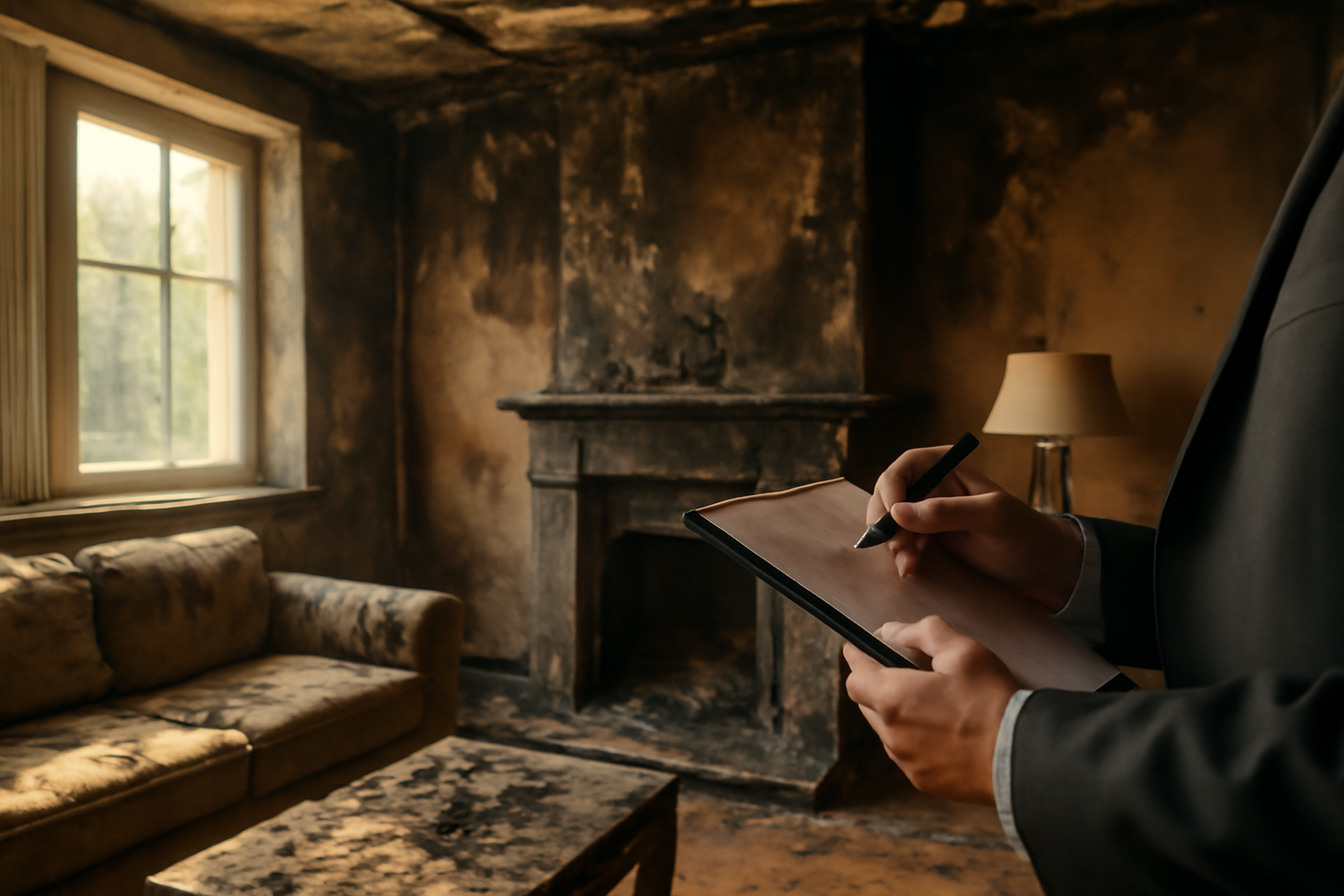
Sometimes, the signs of fire damage are obvious, but often they’re subtle and can be easily missed by the untrained eye. Catching these early warning signs is essential to prevent further deterioration and costly repairs. Recognizing these signals can save you significant trouble later.
Lingering Smoke Odors
Even after the fire is out and the visible soot is cleaned, a smoky smell can persist for weeks or months. This odor indicates that smoke particles are still trapped in porous materials like carpets, upholstery, and drywall. Persistent odors signal deeper contamination that needs professional assessment.
Visible Soot and Ash Residue
You might see a fine, powdery dust or thicker, greasy films on surfaces. This residue is not just unsightly; it’s acidic and corrosive. If left untreated, it can permanently damage finishes and materials. Addressing soot promptly prevents irreversible damage.
Discolored Walls or Ceilings
Yellowish or brownish stains on your walls and ceilings, especially near vents or light fixtures, are clear indicators of smoke damage. These stains are caused by smoke particles settling and can be very difficult to remove without the right methods. Noting discoloration is an important cue to seek professional help.
Water Stains or Damp Areas
The water used to extinguish a fire can cause significant damage, leading to water stains, warped materials, and dampness. This moisture creates an ideal environment for mold growth if not properly dried. Investigating dampness is critical for preventing mold.
Damaged or Warped Materials
Heat from a fire can cause materials like drywall, wood, and plastics to warp, crack, or blister. Even if the flames didn’t directly touch an area, intense heat can cause unseen damage. Examining material integrity helps assess the full extent of heat impact.
Changes in Electrical Fixtures
Smoke and water can corrode electrical wiring and damage fixtures, creating potential fire or shock hazards. Any signs of discoloration, melting, or unusual behavior in your electrical system require immediate attention. Checking electrical safety is a vital part of a thorough assessment.
Emergency Fire Damage Assessment vs. DIY: When To Call a Professional
| Situation | DIY? | Call a Pro? | Why |
|---|---|---|---|
| Identifying the type of smoke residue | No | Yes | Different residues require specific cleaning agents and techniques. |
| Cleaning minor soot from a hard, non-porous surface (e.g., glass table) | Yes (with caution) | No | For small, manageable areas on non-delicate items, careful wiping may suffice. |
| Assessing structural damage from heat or fire | No | Yes | Only trained professionals can safely evaluate structural integrity. |
| Detecting hidden moisture behind walls or under floors | No | Yes | Specialized equipment is needed to find and measure moisture accurately. |
| Removing strong, pervasive smoke odors from fabrics and carpets | No | Yes | Professional deodorization techniques and equipment are required for deep-seated odors. |
| Evaluating potential air quality hazards after a fire | No | Yes | Airborne contaminants can be invisible and dangerous without professional testing. |
While some minor cleaning might be possible on your own, a true Emergency Fire Damage Assessment requires specialized knowledge and equipment. Professional evaluation ensures all damage, including hidden threats, is identified and addressed correctly. This prevents costly mistakes and ensures your home is safe and healthy.
Emergency Fire Damage Assessment Cost In Galveston, TX
The cost of an Emergency Fire Damage Assessment in Galveston, TX, varies significantly based on the extent of the fire, the size of the affected areas, and the complexity of the damage. These figures are general estimates and can fluctuate. Understanding potential costs helps you prepare for the process.
| Service Aspect | Typical Price Range | What Affects Cost |
|---|---|---|
| Initial Site Visit & Visual Assessment | $300 – $800 | Travel time, complexity of access, and initial hazard identification. |
| Soot and Smoke Residue Testing | $400 – $1,200 | Number of samples taken, types of surfaces assessed, and lab analysis needs. |
| Moisture Detection & Mapping | $350 – $900 | Size of the affected area, accessibility of spaces, and depth of moisture penetration. |
| Basic Air Quality Screening | $450 – $1,100 | Number of testing points, specific contaminants being screened for, and equipment used. |
| Detailed Damage Report Preparation | $500 – $1,500 | Length and detail required for insurance purposes, number of affected rooms, and complexity of findings. |
| Emergency Containment Measures (if needed during assessment) | $600 – $2,000+ | Size of area to be contained, materials needed (e.g., plastic sheeting, barriers), and labor involved. |
These costs are for the assessment phase only. The final price depends on a thorough on-site inspection. We offer free estimates for your initial assessment, so you know exactly what to expect before any work begins.
Service Areas Near Galveston, TX
Texas City, La Marque, Hitchcock, Santa Fe, Friendswood, League City, Kemah, Seabrook, Bacliff, San Leon, Jamaica Beach, Crystal Beach, Bolivar Peninsula, Tiki Island, Port Bolivar, Bayou Vista, Dickinson, Alvin, Pearland, Angleton.
Common Questions About Emergency Fire Damage Assessment
What happens if I don’t get a fire damage assessment right away?
Delaying an assessment means that smoke residue can permanently etch surfaces, and hidden moisture can lead to mold growth and structural weakening. Acting fast prevents secondary damage that is more costly to repair. Our team can be on-site quickly to provide immediate clarity.
How much does a fire damage assessment typically cost?
The cost varies based on the size of the damage and the complexity of the assessment needed. You can expect a range from a few hundred to a couple thousand dollars for a thorough evaluation. We provide transparent pricing and free estimates so you’re never surprised by the cost.
Is fire damage assessment covered by insurance?
Often, the cost of a professional fire damage assessment is covered by your homeowner’s insurance policy, especially if it’s a necessary step to determine the scope of damage. Having a professional report can be crucial for your insurance claim. We work with insurance adjusters to document the damage accurately.
How long does an emergency fire damage assessment take?
A basic visual assessment might take a few hours, but a comprehensive evaluation involving moisture readings and air quality testing can take a full day or more, depending on the property size. Our efficient process aims to give you answers as quickly as possible. We prioritize speed without sacrificing thoroughness.
What are the health risks of not assessing fire damage properly?
Inhaling smoke particles and dealing with mold from water damage can cause respiratory problems, allergies, and other health issues. Soot residue can also be toxic. Protecting your family’s health is paramount. Our assessment identifies these risks and the steps needed for remediation.
Check Our Other Relevant Services

Gary Gwin: Damage Restoration Expert
With over 20 years of hands-on experience, Gary Gwin is a trusted authority in property recovery and disaster mitigation. As a licensed specialist, Gary has dedicated his career to restoring safety and peace of mind for homeowners facing environmental crises.
𝗖𝗲𝗿𝘁𝗶𝗳𝗶𝗰𝗮𝘁𝗶𝗼𝗻𝘀: Gary holds multiple advanced IICRC certifications, including Water Damage Restoration (WRT), Applied Microbial Remediation (Mold), Applied Structural Drying (ASD), Odor Control, and Fire and Smoke Restoration. His deep technical knowledge ensures every project meets the highest industry standards for health and safety.
𝗕𝗲𝘀𝘁 𝗣𝗮𝗿𝘁 𝗼𝗳 𝘁𝗵𝗲 𝗝𝗼𝗯: Gary finds the most fulfillment in guiding families through the recovery process, transforming a chaotic property loss into a restored, habitable home.
𝗙𝗮𝘃𝗼𝗿𝗶𝘁𝗲 𝗣𝗮𝘀𝘁𝗶𝗺𝗲: When off the clock, Gary enjoys exploring local hiking trails and woodworking.