Trusted by 150+ Homeowners
Emergency Tarping in Highlands, TX
- Over 152 5-Star Reviews
- Free Estimates and Quotes
- 100% Satisfaction Guaranteed
- Child, Family & Pet Safe Steps
- 24-Hour Emergency Service
- Fully Licensed & Insured
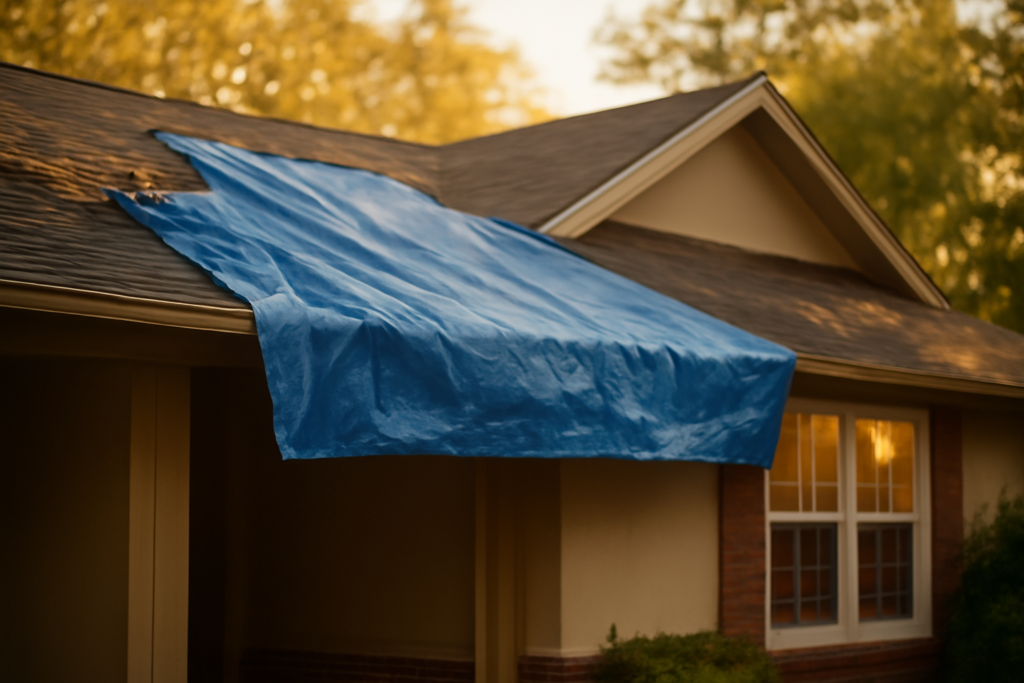
When the Roof Gives Way: Immediate Tarping for Your Highlands, TX Home
It’s a terrible feeling when you discover a gaping hole in your roof, or when a storm has ripped away shingles, leaving your attic and belongings exposed. Don’t wait for the next rain; even a light shower can cause significant water damage inside your home, leading to mold growth and structural issues. If you’ve experienced storm damage, wind damage, or unexpected roof failure, getting a tarp up quickly is your absolute first priority to prevent further harm to your property.
We’ve helped countless neighbors across the area secure their homes after damaging events. Our commitment to rapid response and thorough work has earned us over 165 five-star reviews from homeowners who trusted us when they needed it most. When your roof is compromised, you need a local team that understands the urgency and can act fast to protect your investment. We’re here to help you navigate this stressful time with clear communication and dependable service.
- Rapid Deployment: We understand that time is critical. Our crews are ready 24/7 to dispatch to your location as soon as you call, minimizing exposure to the elements.
- Prevent Further Damage: A professional tarp installation creates a secure barrier against rain, wind, and pests, safeguarding your interior from costly secondary damage.
- Stabilize Your Property: Getting your roof covered quickly provides immediate protection, giving you the breathing room to plan for permanent repairs without added worry.
How Our Emergency Tarping Process Protects Your Home
When you call us for emergency roof tarping, you’re getting a team that follows a detailed, proven process. We know that a rushed or improperly installed tarp can actually cause more problems, like water pooling or further wind damage. That’s why we focus on thoroughness and using the right materials for your specific situation. We aim to make this stressful situation as manageable as possible, ensuring your home is protected until full repairs can be made.
Initial Assessment and Safety Check
Upon arrival, our technicians will conduct a swift but thorough inspection of your roof’s damage from the ground and a safe vantage point. We’ll identify the full extent of the compromised area and check for any immediate safety hazards around your property. This initial step ensures we know exactly what we’re dealing with before we begin the tarping itself. Safety is our first concern.
Securing the Tarping Materials
We bring heavy-duty, weather-resistant tarps specifically designed for emergency roof protection. Our team uses specialized tools and techniques to anchor the tarp securely. This often involves using wood strips and professional-grade fasteners to create a watertight seal around the damaged section. We use robust materials.
Strategic Tarp Placement
Proper placement is crucial. We ensure the tarp is angled correctly to direct water away from your home’s interior and foundation. Our goal is to create a barrier that sheds water effectively, preventing leaks into your attic, walls, and living spaces. Preventing water intrusion is key.
Edge and Seam Reinforcement
The edges and seams of the tarp are critical points where leaks can occur. Our technicians meticulously reinforce these areas, often using additional fasteners and sealing materials to prevent wind uplift and water penetration. This attention to detail makes a significant difference in protection. We reinforce all edges.
Post-Installation Inspection
Before we leave, we’ll do a final walkthrough with you to show you the installed tarp and explain how it’s functioning. We want you to feel confident that your home is protected. We’ll also discuss the next steps for your permanent roof repairs. We confirm your satisfaction.
If your roof has sustained damage, don’t delay. Call us immediately to get a professional tarp installed and protect your home from further harm. Your property’s integrity depends on swift action.

Warning Signs You Need Emergency Tarping
Ignoring small roof issues can lead to much larger, more expensive problems down the line. Recognizing the signs that indicate a need for emergency tarping is the first step in protecting your home and your family’s belongings. Acting quickly can save you a significant amount of money and stress by preventing secondary damage.
Visible Holes or Missing Shingles
If you can see daylight through your roof from inside your attic, or if large sections of shingles are missing after a storm, your roof is critically compromised. Immediate tarping is essential to block out the elements before rain can enter.
Sudden and Severe Leaks
A new, significant leak appearing after high winds or heavy rain is a clear indicator that your roof’s protective layer has failed. Don’t wait for it to worsen; address leaks right away.
Debris on Your Roof
Large tree branches or significant debris on your roof could have caused unseen damage or could puncture your roof further during high winds. Remove debris safely or call us to assess potential damage.
Damaged Vent Boots or Chimney Flashing
These vulnerable areas around roof penetrations are common spots for leaks to start. If they appear damaged or dislodged, water can easily find its way in. Inspect these areas closely.
Sagging Roof Decking
If you notice any sagging or soft spots in your roof structure, it indicates that the underlying wood may be compromised by water. This is a serious structural concern that requires immediate attention. Proactive tarping is vital.
Water Stains on Ceilings or Walls
While this might seem like a sign of existing damage, new or rapidly spreading water stains can mean a recent breach in your roof’s integrity. Investigate new stains promptly.
Emergency Tarping vs. DIY: When To Call a Professional
| Situation | DIY? | Call a Pro? | Why |
|---|---|---|---|
| Minor Shingle Damage (1-2 shingles missing, no visible decking damage) | Yes, if you have the right materials and are comfortable on a ladder. | Yes, if you’re unsure or the damage is significant. | DIY can save money, but a pro ensures it’s done correctly to prevent leaks. |
| Large Section of Missing Shingles (area larger than a few square feet) | No. | Yes. | The risk of injury and improper coverage is too high; professional equipment and expertise are needed. |
| Hole in the Roof Decking (e.g., from a fallen tree limb) | Absolutely not. | Yes, immediately. | This is a structural failure requiring immediate professional attention to prevent further collapse and extensive water damage. |
| High Winds Present During Damage | No, never. | Yes, immediately. | Working on a roof during high winds is extremely dangerous and ineffective; professionals have safety protocols. |
| Extensive Water Intrusion Already Occurred | No. | Yes, immediately. | You need professionals to assess for mold, structural damage, and proper drying in addition to tarping. |
| You’re Uncomfortable Working at Heights | No. | Yes. | Your safety is paramount; leave roof work to trained professionals if you have any doubts. |
While small, isolated shingle issues might be a DIY candidate for some, most roof damage requires professional intervention. When you’re dealing with anything beyond a couple of missing shingles, especially after severe weather, calling a pro is the safest and most effective route. We have the specialized equipment and training to handle these urgent situations effectively.
Emergency Tarping Cost In Highlands, TX
The cost of emergency roof tarping can vary significantly based on the size and complexity of the damaged area, the type of roof, and the local conditions in Highlands, TX. These figures are intended to give you a general idea of what you might expect. Understanding potential costs helps you prepare for unexpected repairs.
| Service | Typical Price Range | What Affects Cost |
|---|---|---|
| Small Area Tarping (e.g., covering a few missing shingles) | $500 – $1,200 | Size of the damaged area and ease of access. |
| Medium Area Tarping (e.g., covering a significant section of missing shingles or a small hole) | $1,000 – $2,500 | Complexity of the roof pitch, material needed, and time involved. |
| Large Area Tarping (e.g., covering a large hole or a section where the roof deck is exposed) | $2,000 – $5,000+ | Extent of the roof damage, structural issues present, and specialized materials required. |
| Emergency Dispatch Fee (24/7 service) | Included in overall cost or a separate $150 – $400 charge | Time of day, day of week, and distance traveled. |
| Material Costs (heavy-duty tarps, fasteners, wood strips) | Varies based on quantity and quality | The amount of material needed to create a secure, long-lasting temporary seal. |
| Wind/Storm Damage Tarping | Can be higher due to complexity and urgency | Conditions requiring extra safety measures and potentially more robust anchoring. |
These are estimates, and an on-site assessment is always necessary for an accurate quote. We offer free estimates for emergency tarping services, so you know exactly what to expect before we begin the work.
Service Areas Near Highlands, TX
Cloverleaf, Sheldon, Crosby, Barrett, Huffman, Baytown, La Porte, Pasadena, Channelview, Galena Park, Deer Park, Mont Belvieu, Anahuac, Hankamer, Stowell, Winnie, Seabrook, Kemah, Webster, League City.
Common Questions About Emergency Tarping
How quickly can you get a tarp on my roof?
We understand the urgency. Our team is available 24/7 and aims to dispatch crews to your location as quickly as possible, often within a few hours of your call. Rapid response minimizes water damage and further issues, making it crucial to call us right away if you have roof damage.
What happens if I try to tarp my roof myself?
Attempting DIY tarping can be very dangerous due to the heights involved and the unpredictable nature of damaged roofs. You also risk not securing the tarp properly, which could lead to more water intrusion or wind damage. Professional installation ensures safety and effectiveness, preventing costly mistakes.
Will my homeowner’s insurance cover emergency tarping?
In most cases, emergency tarping is considered a necessary mitigation expense to prevent further damage and is often covered by your homeowner’s insurance policy. Contacting your insurance provider early is recommended, and we can provide documentation to support your claim.
How long does the tarp stay on my roof?
The tarp is a temporary solution meant to protect your home until permanent repairs can be completed. Typically, it stays in place for a few days to a couple of weeks, depending on weather conditions and the schedule for your full roof replacement or repair. We’ll discuss a timeline for your permanent fix.
What are the risks of not getting immediate roof tarping after damage?
The risks are significant. Uncovered roof damage can lead to widespread water damage, rotting structural elements, mold and mildew growth within days, damaged insulation, and ruined interior finishes like drywall and paint. Ignoring roof damage escalates repair costs dramatically.
Check Our Other Relevant Services

Gary Gwin: Damage Restoration Expert
With over 20 years of hands-on experience, Gary Gwin is a trusted authority in property recovery and disaster mitigation. As a licensed specialist, Gary has dedicated his career to restoring safety and peace of mind for homeowners facing environmental crises.
𝗖𝗲𝗿𝘁𝗶𝗳𝗶𝗰𝗮𝘁𝗶𝗼𝗻𝘀: Gary holds multiple advanced IICRC certifications, including Water Damage Restoration (WRT), Applied Microbial Remediation (Mold), Applied Structural Drying (ASD), Odor Control, and Fire and Smoke Restoration. His deep technical knowledge ensures every project meets the highest industry standards for health and safety.
𝗕𝗲𝘀𝘁 𝗣𝗮𝗿𝘁 𝗼𝗳 𝘁𝗵𝗲 𝗝𝗼𝗯: Gary finds the most fulfillment in guiding families through the recovery process, transforming a chaotic property loss into a restored, habitable home.
𝗙𝗮𝘃𝗼𝗿𝗶𝘁𝗲 𝗣𝗮𝘀𝘁𝗶𝗺𝗲: When off the clock, Gary enjoys exploring local hiking trails and woodworking.