Trusted by 150+ Homeowners
Emergency Tarping in Magnolia, TX
- Over 152 5-Star Reviews
- Free Estimates and Quotes
- 100% Satisfaction Guaranteed
- Child, Family & Pet Safe Steps
- 24-Hour Emergency Service
- Fully Licensed & Insured
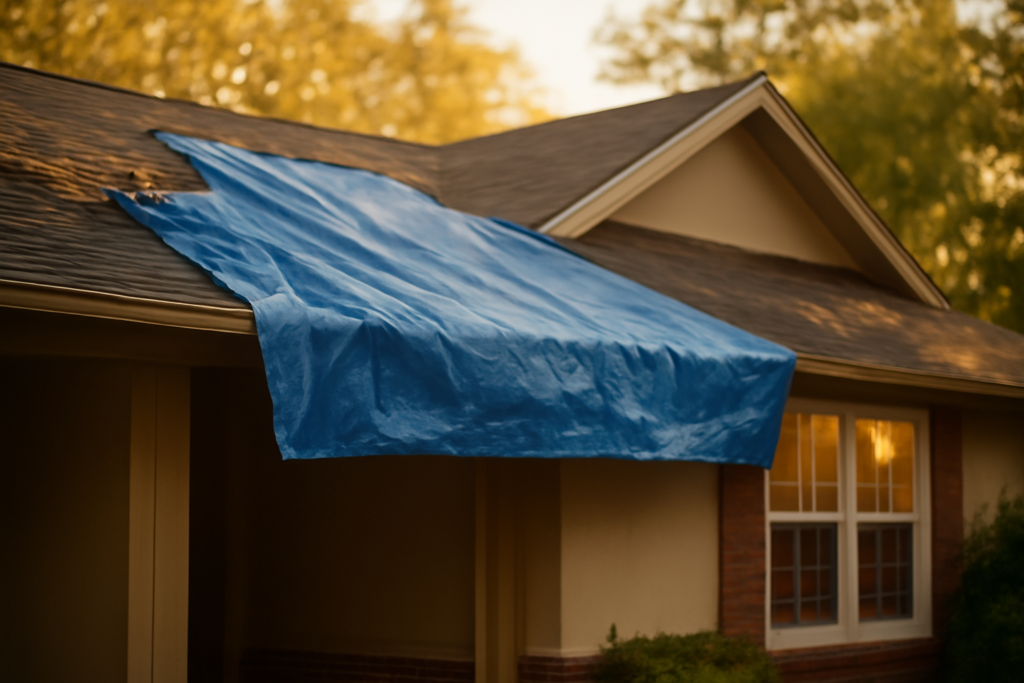
When Hail or Wind Rips Through Your Roof in Magnolia, TX
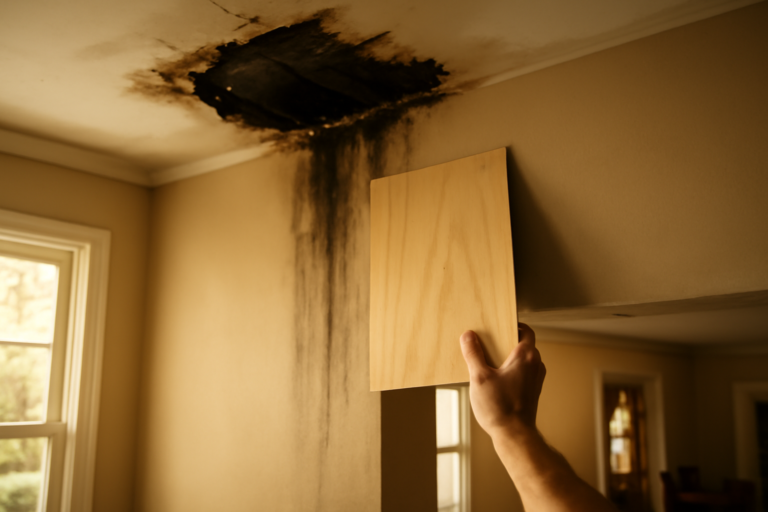
When you see daylight peeking through your ceiling after a storm, it’s a truly unsettling feeling. Don’t wait to address roof damage; even a small opening can lead to massive water intrusion and structural problems. It’s crucial to act fast, especially if you’re in Magnolia, TX, and heavy rain is on the way. Ignoring that hole means inviting mold, rot, and further damage to your attic and living spaces. Protecting your home’s interior starts with securing the exterior.
Homeowners around here trust our team because we understand the urgency of these situations. We’ve earned over 165 five-star reviews by consistently showing up quickly and doing the job right, the first time. When your roof has a breach, you need someone who knows exactly what to do to prevent further harm to your property. We’re committed to providing that reliable, fast response when you need it most.
- We’ll deploy a specialized crew within hours, not days, to prevent secondary damage like mold growth and further structural compromise.
- Our experienced technicians use heavy-duty, weather-resistant materials designed to withstand the elements until permanent repairs can be made.
- We provide a clear, written assessment of the damage and the tarping solution, so you know exactly what to expect and why it’s necessary.
How Our Emergency Tarping Process Works
When you call us, you’re not just getting a tarp thrown over your roof. You’re getting a methodical approach designed to seal your home effectively and efficiently. A rushed or improper tarping job can actually cause more damage, leading to leaks under the tarp or wind damage to the tarp itself. Our crews follow a strict protocol, ensuring your property is protected against the elements and ready for the next phase of repairs. We take every step seriously to ensure your home’s integrity.
Initial Damage Assessment
Upon arrival, our technicians will conduct a swift but thorough inspection of your roof’s damage. We use specialized safety equipment and drones for a detailed view, assessing the extent of the breach and identifying any immediate hazards. This assessment helps us determine the best course of action and the specific materials needed for your unique situation. Safety is always our priority.
Site Preparation and Safety
Before any work begins, we secure the area around your property. This involves clearing debris, setting up safety cones, and ensuring our team can work without putting anyone at risk. We’ll also check the structural integrity of the surrounding roof sections to ensure they can support the tarping materials. We prepare the site meticulously.
Strategic Tarp Placement
Our crews use industrial-grade tarps, often reinforced vinyl or heavy-duty polyethylene, specifically chosen for their durability and weather resistance. We don’t just lay the tarp; we anchor it securely using specialized fasteners and methods designed to prevent wind uplift and water pooling. This strategic placement is key to effective long-term protection.
Securing the Edges
Proper edge securing is critical. We use methods like strapping, battens, or specialized adhesive systems to create a watertight seal around the damaged area. This ensures that rain and wind are deflected away from the breach, preventing water from seeping underneath the tarp and into your home. A tight seal prevents leaks.
Post-Tarping Inspection and Cleanup
Once the tarp is installed, we perform a final inspection to confirm everything is secure and properly sealed. We then clear the work area, remove all equipment, and ensure your property is left tidy. You’ll receive a brief overview of the work completed and any recommendations for the next steps. We leave your property clean.
If your roof has been compromised, don’t delay calling for professional help. Immediate action can save you significant money and prevent further damage to your home. Contact us now for rapid emergency tarping services.

Warning Signs You Need Emergency Tarping
Catching these signs early is your best defense against escalating damage and repair costs. Ignoring subtle indicators can lead to much larger, more expensive problems down the line. Understanding what to look for ensures you can get the protection your home needs right when it’s most vulnerable. Proactive measures save you money.
Visible Holes or Missing Shingles
This is the most obvious sign. After a storm, if you can see daylight through your roof or notice large sections of missing shingles, it’s a clear indication that emergency tarping is needed immediately. Prompt action is essential.
Water Stains on Ceilings or Walls
Any new water spots or staining on your interior ceilings or walls, especially following severe weather, means water is getting inside. This indicates a breach in your roof that needs immediate attention to prevent further saturation and potential structural weakening. Address water stains quickly.
Sagging Roof Decking
If you notice any areas of your roof that appear to be sagging or dipping, it could mean water has saturated the underlying wood. This is a serious structural concern that requires immediate tarping to prevent collapse and further damage. Sagging is a critical warning.
Damage to Gutters or Downspouts
While not directly on the roof, damage to gutters or downspouts can indicate significant impact from high winds or hail. If these are compromised, it’s likely your roof has also sustained damage that may not be immediately visible. Check your drainage system.
Debris on Your Roof
Large branches or other heavy debris on your roof after a storm can cause punctures or significant damage. Even if you don’t see a hole, the weight and impact could have created a weak spot needing immediate protection. Debris can hide damage.
Sounds of Leaking or Dripping
During or after a storm, if you start hearing persistent dripping or the sound of water moving inside your walls or attic, it’s a direct signal that water is entering your home. Listen for unusual sounds.
Emergency Tarping vs. DIY: When To Call a Professional
| Situation | DIY? | Call a Pro? | Why |
|---|---|---|---|
| Small, easily accessible hole on a flat roof section | Yes, with extreme caution and proper safety gear. | No, unless you’re uncomfortable or lack equipment. | Small issues can often be handled safely if you have the right tools and knowledge. |
| Large section of missing shingles after high winds | No. | Yes. | The area is too large and exposed for safe DIY work, increasing risk of injury and further damage. |
| Visible daylight through the roof deck | No. | Yes. | This indicates a significant breach requiring professional assessment and secure anchoring. |
| Roof damage during an active storm with lightning | Absolutely not. | Yes. | Working on a roof during a storm is incredibly dangerous; professional crews are trained for these conditions. |
| Water stains appearing on interior ceilings | No. | Yes. | Water intrusion means internal damage is likely occurring, requiring professional inspection and immediate containment. |
| You have no ladder or safety equipment | No. | Yes. | Safety is paramount; attempting this without proper gear puts you at significant risk. |
While some minor roof issues might seem like a DIY project, emergency situations demand professional expertise. For anything beyond a very small, easily manageable opening, calling a pro ensures the job is done safely and effectively. Don’t risk your safety or further property damage.
Emergency Tarping Cost In Magnolia, TX
The cost for emergency tarping in Magnolia, TX, can vary based on the size and complexity of the roof damage, the height of your home, and the specific materials needed. These figures are general estimates, as a thorough on-site inspection is required for an accurate quote. Understanding pricing helps you prepare.
| Service Aspect | Typical Price Range | What Affects Cost |
|---|---|---|
| Small Area Tarping (e.g., 10×10 ft) | $500 – $1,200 | Accessibility, roof pitch, and need for specialized anchors. |
| Medium Area Tarping (e.g., 20×20 ft) | $1,000 – $2,500 | Increased material needs and labor for secure, widespread coverage. |
| Large Area Tarping (e.g., 30×30 ft or more) | $2,000 – $5,000+ | Extensive material, complex anchoring, and longer deployment time. |
| Emergency Overnight/Weekend Service | Additional $200 – $800 | Labor rates increase for urgent after-hours response. |
| High-Pitched or Multi-Story Roofs | Additional $300 – $1,000 | Requires more extensive safety equipment and specialized techniques. |
| Temporary Structural Support (if needed) | $400 – $1,500 | If the roof deck is compromised, additional bracing may be necessary. |
Remember, these are just estimates. A free, no-obligation estimate will be provided after our team assesses the damage to your property. We aim for transparent pricing.
Service Areas Near Magnolia, TX
Magnolia, Tomball, The Woodlands, Conroe, Cypress, Spring, Houston, Humble, Kingwood, Porter, New Caney, Cleveland, Willis, Montgomery, Navasota, Hockley, Waller, Pinehurst, Plantersville, Todd Mission.
Common Questions About Emergency Tarping
What if my insurance company needs to be involved for roof tarping?
Your insurance company will likely need to be involved if the damage is significant and requires extensive repairs. We work with insurance adjusters to document the damage and the necessary tarping work. We can often bill them directly for covered services, making the process smoother for you. Our team handles the documentation.
How quickly can you get a tarp on my roof after I call?
Our goal is to dispatch a crew to your property as quickly as possible, often within a few hours of your call, especially if you’re located locally. Rapid response is crucial because the longer a roof is exposed, the more secondary damage can occur. We prioritize emergency tarping calls to minimize your risk. We aim for swift deployment.
Are there health risks associated with a damaged roof that isn’t tarped?
Yes, absolutely. An untarped damaged roof allows water to enter, which can lead to mold and mildew growth within days. Mold poses serious health risks, including respiratory problems and allergic reactions. Additionally, water saturation can weaken structural components, creating safety hazards. Protect your family’s health.
What kind of materials do you use for emergency roof tarping?
We use heavy-duty, weather-resistant materials like reinforced vinyl or thick polyethylene tarps specifically designed for temporary roof protection. These aren’t your average tarps; they’re built to withstand wind, rain, and UV exposure. We use professional-grade materials to ensure a secure seal until permanent repairs can be completed. Durability is key.
Can I do anything to prevent damage before a storm hits?
While you can’t prevent all storm damage, regular roof maintenance can help. Keep gutters clean, trim overhanging branches, and inspect your roof periodically for loose or damaged shingles. Preventative maintenance is wise. If you suspect any issues, it’s best to have them addressed before severe weather arrives. Address minor issues early.
Check Our Other Relevant Services

Gary Gwin: Damage Restoration Expert
With over 20 years of hands-on experience, Gary Gwin is a trusted authority in property recovery and disaster mitigation. As a licensed specialist, Gary has dedicated his career to restoring safety and peace of mind for homeowners facing environmental crises.
𝗖𝗲𝗿𝘁𝗶𝗳𝗶𝗰𝗮𝘁𝗶𝗼𝗻𝘀: Gary holds multiple advanced IICRC certifications, including Water Damage Restoration (WRT), Applied Microbial Remediation (Mold), Applied Structural Drying (ASD), Odor Control, and Fire and Smoke Restoration. His deep technical knowledge ensures every project meets the highest industry standards for health and safety.
𝗕𝗲𝘀𝘁 𝗣𝗮𝗿𝘁 𝗼𝗳 𝘁𝗵𝗲 𝗝𝗼𝗯: Gary finds the most fulfillment in guiding families through the recovery process, transforming a chaotic property loss into a restored, habitable home.
𝗙𝗮𝘃𝗼𝗿𝗶𝘁𝗲 𝗣𝗮𝘀𝘁𝗶𝗺𝗲: When off the clock, Gary enjoys exploring local hiking trails and woodworking.