Trusted by 150+ Homeowners
Emergency Tarping in Simonton, TX
- Over 152 5-Star Reviews
- Free Estimates and Quotes
- 100% Satisfaction Guaranteed
- Child, Family & Pet Safe Steps
- 24-Hour Emergency Service
- Fully Licensed & Insured
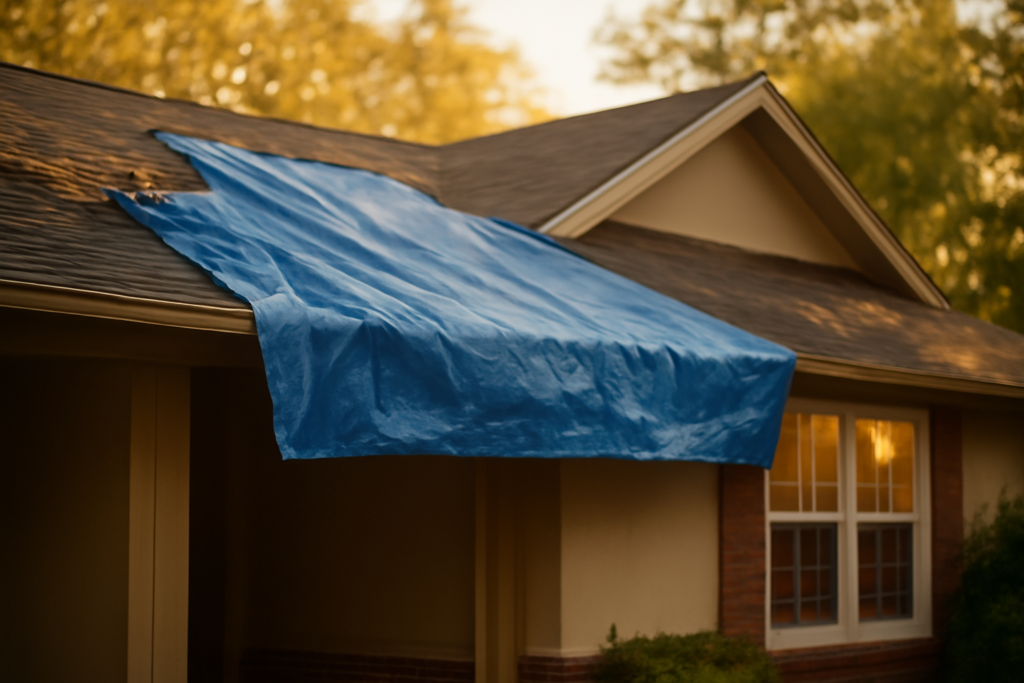
When Your Roof Shows Its Wounds: Emergency Tarping in Simonton, TX
You walk into your living room, and there it is. A dark, spreading stain on your ceiling. Or maybe you hear a steady drip, drip, drip, and you look up to see water seeping through your attic. It’s a sinking feeling, knowing your home’s protection has been compromised. This isn’t just an inconvenience; it’s an immediate threat to your property’s integrity. You need fast, reliable tarping now to prevent further damage before a storm hits or the rain continues. We’re here to help secure your home in Simonton, TX, with prompt emergency services.
Locally, homeowners trust our team because we understand the urgency. We’ve helped over 165 neighbors in your situation, and they’ve shared their positive experiences. When you’re facing an unexpected roof breach, you want a team that shows up quickly and knows exactly what to do. We’re known for our swift response times and our commitment to getting the job done right the first time, protecting your property from the elements.
- We act fast to stop water intrusion, preventing mold growth and structural weakening.
- Our team uses specialized materials designed for maximum durability against wind and rain.
- We provide a secure temporary seal, giving you time to plan for permanent repairs without added stress.
How We Secure Your Property: The Emergency Tarping Process
When you call us, you’re getting more than just a tarp thrown over your roof. You’re getting a methodical approach backed by experience. A proper tarping job involves understanding the forces at play – wind uplift, water runoff, and the structural integrity of your existing roof. Cutting corners here can lead to the tarp failing, causing more damage and costing you more in the long run. Our process is designed to be effective and long-lasting, offering a solid temporary fix until permanent repairs can be made.
Initial Assessment and Safety Check
Our first step is always a thorough inspection of your roof and the surrounding area. We assess the extent of the damage, identify any immediate safety hazards for our crew and your family, and determine the best strategy for tarp placement. This ensures we can work efficiently and safely to protect your home.
Material Selection and Preparation
We don’t use just any tarp. We select heavy-duty, weather-resistant materials specifically suited for emergency roof protection. These are chosen based on the size of the damaged area and anticipated weather conditions. Our team prepares the materials and necessary anchoring systems, ensuring everything is ready for quick deployment.
Secure Anchoring and Sealing
This is where the science comes in. We strategically anchor the tarp to your roof’s structure, using methods that minimize further damage to shingles or decking. We ensure there are no gaps where water can penetrate. Proper sealing is critical to prevent leaks and wind damage, creating a watertight barrier.
Edge Management and Drainage
It’s not enough to just cover the hole. We carefully manage the edges of the tarp to direct water away from your home’s foundation. This involves creating overhangs and ensuring proper drainage channels. This step is vital for preventing water from pooling and causing additional problems around your property.
Post-Tarping Inspection
Once the tarp is in place, we conduct a final inspection to confirm it’s secure and effectively covering the damaged area. We’ll explain what we’ve done and what you can expect. You’ll have a documented temporary solution that buys you crucial time.
Don’t let a damaged roof leave your home exposed. Call us immediately for rapid response and expert tarping. We’re ready to provide urgent protection for your property.

Warning Signs You Need Emergency Tarping
Catching roof damage early can save you a significant amount of money and hassle. Ignoring small problems can lead to much larger, more expensive issues down the line. Pay attention to what your home is telling you. Recognizing these signs means you can act fast and prevent widespread damage.
Visible Holes or Missing Shingles
This is the most obvious sign. If you see large gaps, missing shingles, or visible damage to your roof after a storm, wind event, or impact, it needs immediate attention. These openings are direct pathways for water and debris to enter your home, leading to significant interior damage.
Water Stains on Ceilings or Walls
Dark, spreading water stains are a clear indicator that water is getting into your attic or wall cavities. Even small stains can mean a larger problem is developing. Addressing this promptly prevents rot and mold growth.
Musty Odors That Won’t Go Away
A persistent musty smell, especially in your attic or upper floors, often signals hidden moisture. This could be from a slow leak that’s been occurring for some time, creating an environment for mold and mildew. A strong odor means you need immediate moisture control.
Sagging Ceiling Areas
If you notice any part of your ceiling looks like it’s starting to bow or sag, it’s a critical warning sign. This indicates water saturation and potential structural compromise. This is a serious situation requiring urgent professional assessment.
Loose or Damaged Gutters and Downspouts
While not directly on the roof, damaged gutters and downspouts can’t effectively channel water away from your home. This can cause water to back up under shingles or pool around your foundation. Proper water management is key to preventing water intrusion.
Debris on Your Roof
Large branches or significant debris left on your roof after a storm can create punctures or hold moisture against your roofing materials. This debris needs to be removed carefully to avoid further damage and allow for proper roof inspection.
Emergency Tarping vs. DIY: When To Call a Professional
| Situation | DIY? | Call a Pro? | Why |
|---|---|---|---|
| Minor Shingle Damage After a Light Hail Storm | Yes, if you have safety equipment and know how to identify damage. | Maybe, if you’re unsure or the damage is widespread. | DIY is possible for small, isolated issues, but professionals ensure thoroughness. |
| Large Hole from Fallen Tree Branch | Absolutely Not. | Yes, immediately. | This is a major structural compromise requiring specialized skills and equipment. |
| Suspected Leak But No Visible Damage | No. | Yes, immediately. | Diagnosing and locating hidden leaks requires professional tools and expertise. |
| Wind Damage Causing Several Missing Shingles | Maybe, if it’s just 1-2 shingles in an accessible spot. | Yes, if more than a few shingles are missing or the roof is steep. | Wind can cause hidden damage; professionals can spot it and secure the area properly. |
| Persistent Drips After Heavy Rain | No. | Yes, immediately. | Ongoing leaks indicate a problem that needs professional assessment and repair. |
| Preparing for a Forecasted Hurricane or Major Storm | No. | Yes, as soon as possible. | Proactive tarping by experts provides the best defense against severe weather. |
While small, accessible repairs might seem like a DIY project, anything involving significant damage, height, or uncertainty should be handled by professionals. Trying to DIY can lead to further damage or personal injury. For reliable, effective protection, calling our team is the safest bet.
Emergency Tarping Cost In Simonton, TX
The cost for emergency tarping in Simonton, TX, can vary significantly. Factors like the size of your roof, the severity of the damage, accessibility, and the specific materials needed all play a role. These figures are general estimates to help you understand the potential investment for securing your home quickly.
| Service Aspect | Typical Price Range | What Affects Cost |
|---|---|---|
| Small Area Tarping (e.g., 10×10 ft) | $500 – $1,500 | Complexity of roof, number of anchor points needed. |
| Medium Area Tarping (e.g., 20×20 ft) | $1,000 – $2,500 | Roof pitch, accessibility, type of material used. |
| Large Area Tarping (e.g., entire roof section) | $2,000 – $5,000+ | Size of the roof, extent of damage, structural stabilization required. |
| Emergency Dispatch Fee | $100 – $500 | Time of day (nights, weekends), distance traveled. |
| Material Costs (Heavy-duty tarps, lumber, fasteners) | Included in above ranges, but specialized materials increase cost. | Durability and weather resistance of the chosen materials. |
| Temporary Structural Support (if needed) | $300 – $1,000+ | Severity of sagging or compromised roof structure. |
The best way to get an accurate estimate for your specific situation is to have our team come out and assess the damage. We offer free, no-obligation assessments to discuss your needs and provide a clear pricing breakdown.
Service Areas Near Simonton, TX
We proudly serve Simonton, TX, and the surrounding communities. This includes, but is not limited to, Richmond, Rosenberg, Sugar Land, Katy, Fulshear, Weston Lakes, Pecan Grove, Four Corners, Lakemont, Mission Bend, Alief, Stafford, Missouri City, Arcola, Fresno, Pearland, League City, Friendswood, Clear Lake City, and Webster.
Common Questions About Emergency Tarping
How long does emergency tarping typically take?
For a standard roof breach, our team can usually complete the tarping process in 2 to 4 hours. The exact time depends on the size of the damaged area, roof complexity, and weather conditions. We prioritize efficiency to provide rapid protection for your home.
Will my insurance cover emergency tarping?
In most cases, yes. Emergency tarping is considered a necessary step to prevent further damage, and insurance policies often cover these immediate mitigation costs. It’s crucial to file a claim promptly. We can provide the necessary documentation to help with your insurance claim process.
What are the risks of not getting emergency tarping immediately?
Delaying emergency tarping can lead to severe consequences. Unchecked water intrusion can cause widespread mold growth, compromise your home’s structural integrity, damage electrical systems, and ruin insulation and drywall. You risk turning a manageable problem into a costly, extensive restoration.
What kind of equipment do you use for tarping?
We use industrial-grade tarps made from heavy-duty vinyl or reinforced polyethylene, designed to withstand high winds and heavy rain. Our crews also utilize specialized anchoring systems, heavy-duty fasteners, and sometimes temporary bracing to ensure the tarp is securely attached and effective. We employ the right tools for the job.
Can I do emergency tarping myself to save money?
While tempting, DIY tarping is often not advisable, especially for significant damage or steep roofs. Working on a damaged roof is inherently dangerous. Improperly installed tarps can fail, causing more damage and leading to costly repairs. For your safety and the protection of your property, it’s best to call professionals.
Check Our Other Relevant Services
Serving Simonton, TX And Nearby Areas