Trusted by 150+ Homeowners
Heating Unit Mold Cleanup in Conroe, TX
- Over 152 5-Star Reviews
- Free Estimates and Quotes
- 100% Satisfaction Guaranteed
- Child, Family & Pet Safe Steps
- 24-Hour Emergency Service
- Fully Licensed & Insured
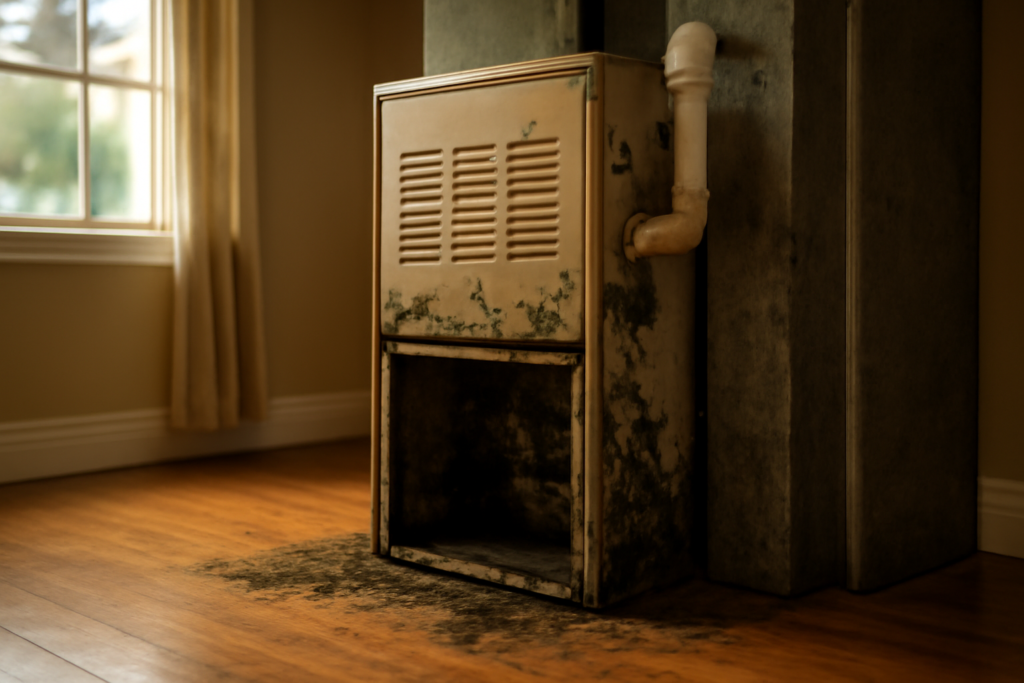
Expert Heating Unit Mold Cleanup Services in Conroe, TX
We’ve seen it all when it comes to mold in the HVAC systems around Conroe, TX. From older homes with original ductwork to newer builds that might have had a small water intrusion, your heating unit can become a breeding ground for mold if not properly maintained or if an issue arises. Addressing mold in your HVAC is crucial for your family’s health and the integrity of your home’s air quality. It’s a problem we tackle every week, understanding the unique humidity and weather patterns we experience locally.
Homeowners in your neighborhood trust us because we’ve consistently delivered results, backed by over 165 five-star reviews. They know that when it comes to something as sensitive as mold within their heating and cooling systems, our team is the one to call for accurate mold assessment and effective cleanup. We don’t just treat the symptoms; we get to the root cause to ensure your system is clear and healthy.
- We specialize in safely removing mold spores from your ductwork, preventing them from recirculating throughout your home and causing respiratory issues.
- Our process is designed to restore your heating unit’s efficiency, as mold buildup can restrict airflow and make your system work harder, costing you more on energy bills.
- You’ll gain the confidence that comes from breathing cleaner air, knowing that a professional, IICRC-certified team has thoroughly remediated your HVAC system.
How Our Heating Unit Mold Cleanup Process Works
A proper mold cleanup process for your heating unit isn’t just about spraying chemicals. It involves a methodical approach to identify the mold, contain the affected areas, remove the contamination safely, and ensure the environment is restored to a healthy state. Cutting corners here can lead to recurring mold growth and potential health risks, which is why our team follows strict protocols. Understanding the remediation steps helps you know what to expect and why professional intervention is often necessary for effective results.
Initial Inspection and Containment
Our technicians begin with a thorough inspection of your entire HVAC system, using specialized tools to pinpoint all areas affected by mold. We then establish containment barriers to prevent mold spores from spreading to other parts of your home during the cleanup. This step is vital for preventing cross-contamination and ensuring a clean work environment.
Air Duct Cleaning and Mold Removal
Once containment is set, we use powerful HEPA-filtered vacuums and specialized cleaning tools to meticulously remove mold and debris from your air ducts. We employ safe, EPA-registered antimicrobial treatments to kill any remaining mold spores and prevent regrowth. This deep cleaning ensures your ducts are thoroughly cleared of all visible mold growth.
Surface Cleaning and Deodorization
After the ducts are clean, we clean all accessible surfaces within the heating unit and associated components, removing any residual mold or dust. We then apply professional-grade deodorizers to neutralize any musty odors left behind by the mold, leaving your system smelling fresh. This ensures your home feels and smells clean.
System Testing and Verification
Before we consider the job done, we conduct air quality tests to verify that mold spore counts have returned to normal, safe levels. We also perform a functional test of your heating unit to ensure it’s operating efficiently. This verification confirms that your system is healthy and ready to use. Confirming air quality standards is a key part of our commitment to you.
Don’t let mold in your heating unit compromise your home’s air. Contact us today to schedule your inspection and cleanup. We’re ready to help you breathe easier.
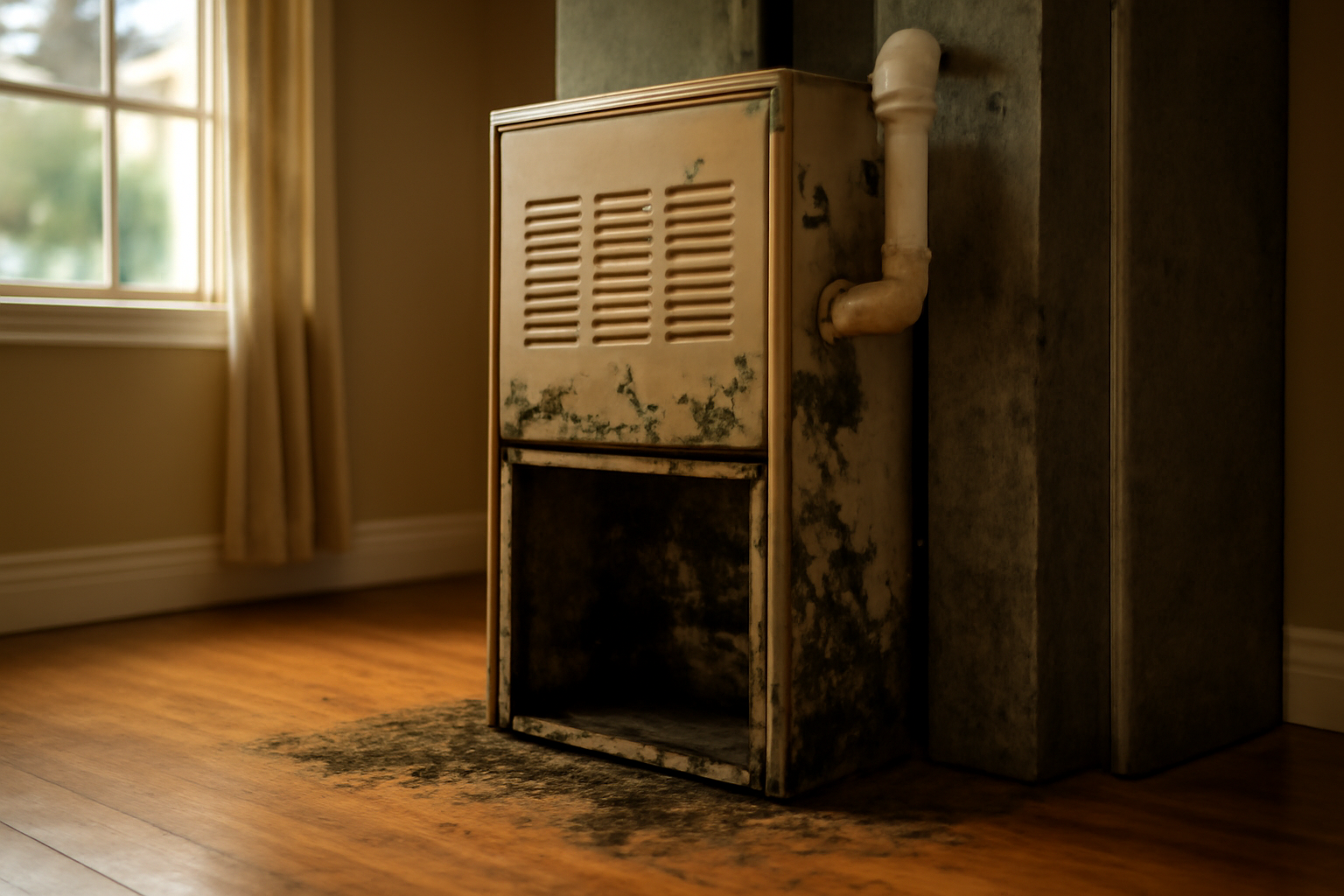
Warning Signs You Need Heating Unit Mold Cleanup
Catching mold issues early in your heating unit can save you a lot of trouble and expense down the line. Ignoring the signs can lead to more extensive damage and potential health problems for your family. Being aware of these common indicators is the first step toward a healthier home environment. Recognizing early warning signs is key to prompt action.
Musty Odors That Won’t Go Away
The most common sign is a persistent musty or earthy smell, especially when your heating system kicks on. This odor indicates mold is actively growing within your ductwork or the unit itself. Investigating persistent odors is a smart move for any homeowner.
Visible Mold Growth
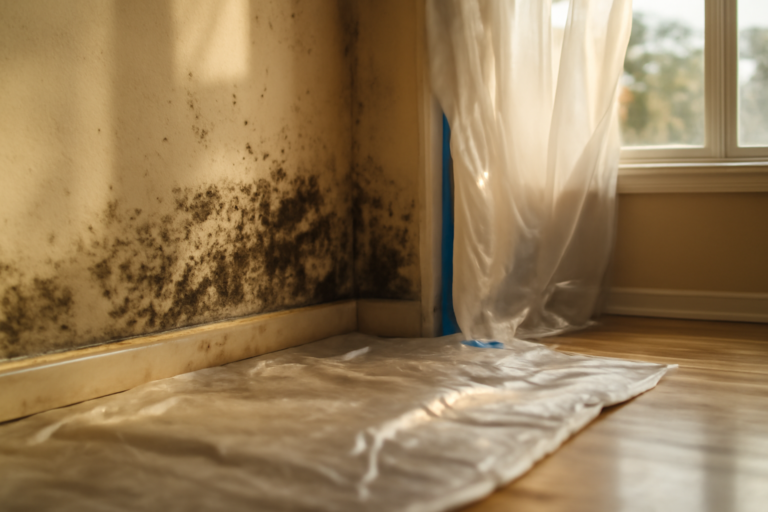
If you can see fuzzy or discolored patches (black, green, white, or gray) inside your air vents or on accessible parts of your heating unit, it’s a clear sign of mold. This visual confirmation requires immediate attention. Addressing visible mold should be a top priority.
Increased Allergy or Asthma Symptoms
A sudden increase in allergy symptoms like sneezing, coughing, itchy eyes, or respiratory irritation among household members, particularly when the heat is running, can point to mold spores being circulated. This is a serious health concern that needs investigation. Monitoring health symptoms can alert you to hidden problems.
Water Stains or Leaks Near the Unit
Any signs of water damage, such as discoloration or dampness around your heating unit or along ductwork, suggest a moisture problem that mold loves. Mold needs moisture to thrive, so these are critical indicators. Checking for moisture issues is essential for prevention.
Strange Noises from the Unit
While not always directly indicative of mold, unusual noises like rattling or whistling could sometimes be related to blockages or airflow issues caused by mold growth within the system. Listening for unusual sounds can provide clues.
High Humidity Levels Inside
If your home feels unusually humid, especially when the heating system is running, it might be an indicator that the system isn’t properly managing moisture or is contributing to it, potentially creating a mold-friendly environment. Assessing indoor humidity is part of maintaining a healthy home.
Heating Unit Mold Cleanup vs. DIY: When To Call a Professional
| Situation | DIY? | Call a Pro? | Why |
|---|---|---|---|
| Identifying the source of a musty smell | Maybe | Yes | A professional can accurately diagnose the mold’s origin and extent. |
| Wiping down accessible exterior surfaces of the unit | Yes | No | Minor surface cleaning might be manageable, but it won’t address internal mold. |
| Cleaning visible mold on a single, easily accessible vent cover | Maybe | Yes | While you might remove surface mold, unseen growth in the ductwork requires specialized tools. |
| Dealing with mold throughout the entire duct system | No | Yes | This requires professional containment, specialized equipment, and IICRC-certified technicians. |
| Testing air quality after suspected mold exposure | No | Yes | Accurate mold testing requires professional equipment and expertise to interpret results. |
| Addressing mold that has spread due to a past water leak | No | Yes | Past leaks often mean hidden mold that needs expert remediation protocols. |
For any situation involving mold growth inside your ductwork or heating unit, calling a professional is the safest and most effective route. Our team has the training and equipment to ensure your system is truly clean and healthy. Trusting the experts prevents recurring issues and protects your family’s well-being.
Heating Unit Mold Cleanup Cost in Conroe, TX
The cost for heating unit mold cleanup in Conroe, TX, can vary significantly. Factors like the size of your HVAC system, the extent of mold contamination, and the accessibility of the affected areas all play a role. These estimates provide a general idea of what you might expect for this specialized service. Understanding cost factors helps you budget appropriately.
| Service Aspect | Typical Price Range | What Affects Cost |
|---|---|---|
| Initial Inspection and Assessment | $200 – $600 | Complexity of the system and the need for specialized diagnostic tools. |
| Basic Duct Cleaning and Mold Removal (up to 1000 sq ft home) | $700 – $2,000 | Length and complexity of duct runs, and the severity of mold. |
| Advanced Mold Remediation (larger homes or severe contamination) | $1,500 – $4,000+ | Extensive mold growth requiring multiple treatments and containment measures. |
| HVAC Unit Component Cleaning (blower motor, coils) | $300 – $800 | The number of components needing deep cleaning and the level of mold present. |
| Air Quality Testing and Verification | $250 – $700 | Number of tests performed and the type of analysis required. |
| Emergency Service Call (after hours or weekends) | Add 25% – 50% to base cost | Urgency and availability of technicians outside normal business hours. |
These are just estimates, and a thorough on-site assessment is always needed for an accurate quote. We offer free, no-obligation estimates to give you a clear picture of the costs involved. Getting a free estimate is the best way to know your exact investment.
Service Areas Near Conroe, TX
Montgomery, Willis, The Woodlands, Magnolia, Conroe, Lake Conroe, Porter, New Caney, Splendora, Cleveland, Huntsville, Spring, Tomball, Cypress, Hockley, Hempstead, Waller, Plantersville, Todd Mission, Richards
Common Questions About Heating Unit Mold Cleanup
What are the health risks associated with mold in my heating unit?
Mold in your heating unit can release spores into the air you breathe, potentially causing or worsening allergies, asthma, and other respiratory problems. Symptoms can include coughing, sneezing, runny nose, itchy eyes, and difficulty breathing. Protecting your family’s health is our top priority, and our team uses advanced methods to ensure thorough mold removal.
How long does heating unit mold cleanup typically take?
The timeline for heating unit mold cleanup depends on the system’s size and the extent of the contamination. A basic cleaning might take a few hours, while more extensive remediation for severe mold issues could require one to two days. We strive for efficiency without compromising thoroughness. Completing mold remediation promptly is important for restoring your home’s comfort.
Will my homeowner’s insurance cover heating unit mold cleanup?
Coverage varies by policy and the cause of the mold. Often, insurance covers mold damage resulting from a sudden, accidental event like a burst pipe, but not gradual mold growth due to poor maintenance or ongoing moisture issues. We can help you navigate the claims process. Understanding insurance coverage can be complex, and we’re here to assist.
How often should my heating unit be inspected for mold?
It’s a good idea to have your heating unit and ductwork inspected for mold, especially if you notice musty odors, experience allergy flare-ups, or have had past water damage issues. A professional inspection every 1-2 years is generally recommended for preventative care. Regular system maintenance helps catch problems early.
Can you prevent mold from growing back in my heating unit after cleanup?
Yes, prevention is key. After our professional cleanup, maintaining proper humidity levels in your home, addressing any water leaks promptly, and scheduling regular HVAC maintenance can significantly reduce the risk of mold returning. We also offer advice on ongoing prevention strategies. Implementing preventative measures ensures long-term air quality.
Check Our Other Relevant Services

Gary Gwin: Damage Restoration Expert
With over 20 years of hands-on experience, Gary Gwin is a trusted authority in property recovery and disaster mitigation. As a licensed specialist, Gary has dedicated his career to restoring safety and peace of mind for homeowners facing environmental crises.
𝗖𝗲𝗿𝘁𝗶𝗳𝗶𝗰𝗮𝘁𝗶𝗼𝗻𝘀: Gary holds multiple advanced IICRC certifications, including Water Damage Restoration (WRT), Applied Microbial Remediation (Mold), Applied Structural Drying (ASD), Odor Control, and Fire and Smoke Restoration. His deep technical knowledge ensures every project meets the highest industry standards for health and safety.
𝗕𝗲𝘀𝘁 𝗣𝗮𝗿𝘁 𝗼𝗳 𝘁𝗵𝗲 𝗝𝗼𝗯: Gary finds the most fulfillment in guiding families through the recovery process, transforming a chaotic property loss into a restored, habitable home.
𝗙𝗮𝘃𝗼𝗿𝗶𝘁𝗲 𝗣𝗮𝘀𝘁𝗶𝗺𝗲: When off the clock, Gary enjoys exploring local hiking trails and woodworking.