
Trusted by 150+ Homeowners
Historic Building Restoration in Fulshear, TX
- Over 152 5-Star Reviews
- Free Estimates and Quotes
- 100% Satisfaction Guaranteed
- Child, Family & Pet Safe Steps
- 24-Hour Emergency Service
- Fully Licensed & Insured
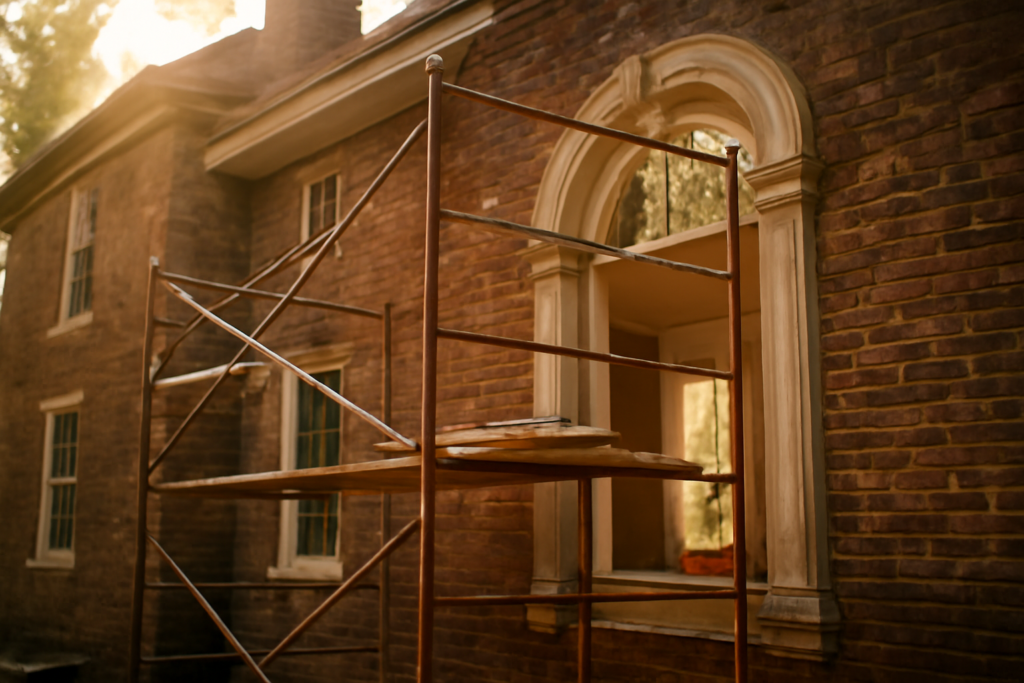
Preserving Fulshear’s Past: Expert Historic Building Restoration
We’ve spent years working on the unique homes and buildings that give Fulshear, TX its special character. It’s a different kind of work, one that requires a deep respect for history and a delicate touch. We understand the challenges that older structures around here face, from settling foundations to the delicate materials that were common decades ago. This isn’t just about fixing damage; it’s about restoring a piece of local heritage for you and future generations. You’re not just a client; you’re a steward of history, and we’re here to help you protect that legacy.
Homeowners throughout the area have trusted us with their most cherished historic properties, and we’ve earned that trust one project at a time. You’ll find over 165 five-star reviews from neighbors who’ve experienced our commitment firsthand. When it comes to preserving the integrity and beauty of your historic home, choosing a team that truly understands the nuances of this specialized work makes all the difference. We focus on meticulous attention to detail and a genuine care for the historical significance of your property.
- We specialize in identifying and repairing the unique structural issues common in older homes, ensuring your property remains sound for years to come without compromising its original charm.
- Our team is trained in the use of historically appropriate materials and techniques, ensuring that repairs blend seamlessly with the existing architecture, maintaining its authentic aesthetic.
- We navigate the complexities of historical preservation guidelines and permits, saving you significant time and stress while ensuring your restoration project meets all necessary standards.
How Historic Building Restoration Actually Works
Restoring a historic building is a careful, methodical process. It’s not like a typical repair job; it demands a different approach, one that prioritizes preservation and authenticity. Rushing through these steps or using the wrong methods can cause irreversible damage, turning a minor issue into a major, costly problem. We believe in transparency and education, so you always know what to expect. Our goal is to make this complex process as clear and manageable for you as possible, handling the technicalities so you can focus on your home.
Initial Assessment and Documentation
We begin with a thorough inspection to document the current condition of your historic property. This involves detailed photographic and written records of all affected areas. We use specialized tools to assess structural integrity and material condition, ensuring we have a complete understanding before any work begins. This foundational step is crucial for developing a precise restoration plan and for insurance purposes.
Stabilization and Protection
Before repairs start, we focus on stabilizing the structure to prevent further damage. This might involve temporary supports or protective coverings for delicate features. Our priority is to secure your property against ongoing environmental factors or structural shifts. This careful approach safeguards the historic elements while we prepare for more intensive restoration work.
Material Matching and Repair
This is where our expertise truly shines. We meticulously source or replicate materials that match the original construction of your home. Whether it’s specific types of wood, plaster, or masonry, we are committed to historical accuracy. Our skilled craftspeople then carefully repair or replace damaged sections, ensuring a flawless integration that respects the building’s original design and character.
Restoration and Refinishing
Once repairs are complete, we move into the restoration and refinishing phase. This can involve delicate cleaning of original finishes, repainting with historically accurate colors, or restoring intricate architectural details. Our aim is to bring your historic building back to its former glory, enhancing its beauty and preserving its unique story. We pay close attention to the finishing touches that make a historic property truly special.
Final Inspection and Handover
Before we consider the job done, we conduct a comprehensive final inspection with you. We walk through every aspect of the restoration, ensuring you are completely satisfied with the results. You’ll receive all documentation and information about the work performed. Our commitment is to deliver a restored historic property that you can cherish for years to come.
Don’t let the challenges of historic property ownership overwhelm you. Reach out to our team for a dedicated assessment and a clear path forward. Let us help you protect your investment and its history.
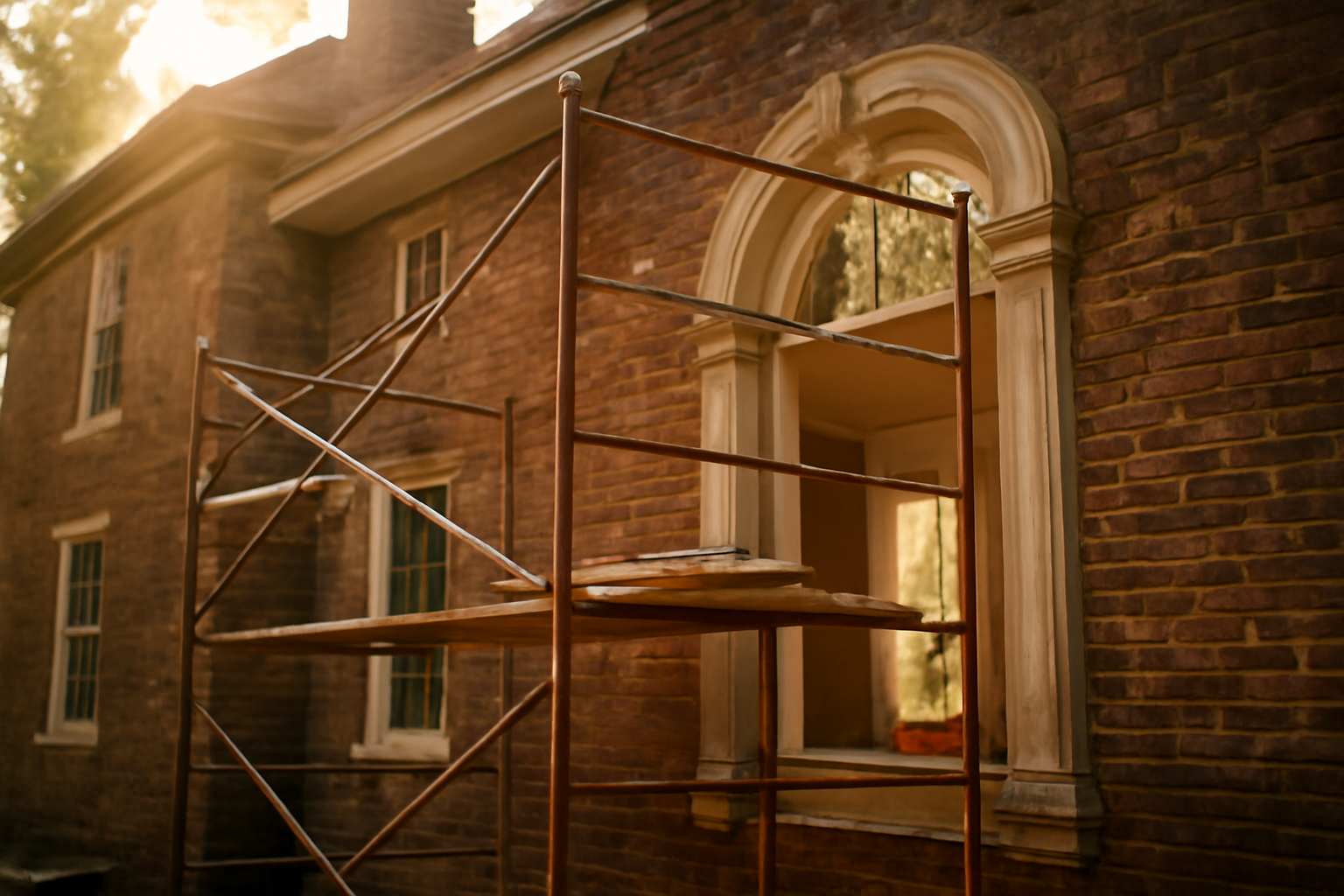
Warning Signs You Need Historic Building Restoration
Catching problems early in older homes is key to preventing costly and extensive damage. These structures have unique vulnerabilities that can worsen over time if ignored. Recognizing these warning signs can save you significant money and hassle down the line. We’ve seen it all around Fulshear, TX, and know what to look for.
Visible Water Stains or Discoloration
These aren’t just unsightly; they’re often the first sign of moisture intrusion. This can lead to rot, mold, and structural weakening behind your walls or under your roof. Address water issues promptly to prevent deeper problems.
Cracking or Deteriorating Plaster
Older plaster can be beautiful, but it’s also susceptible to cracking due to settling, moisture, or age. Significant cracking or crumbling plaster can indicate underlying structural issues or water damage that needs immediate attention. Don’t ignore spreading cracks.
Sagging or Uneven Floors
Floors that slope, creak excessively, or feel soft underfoot can point to problems with the subflooring, joists, or even foundation settling. These issues can compromise the entire structure’s stability. Investigate floor changes carefully.
Peeling or Damaged Exterior Paint
Paint on historic homes does more than add beauty; it protects the underlying materials from the elements. Widespread peeling, blistering, or chalking can mean moisture is trapped, leading to rot in wood siding. Maintain your exterior’s protective layer.
Musty Odors That Won’t Go Away
Persistent musty or earthy smells, especially in basements or attics, are a strong indicator of hidden mold or mildew growth. This can be a serious health hazard and a sign of significant moisture problems. Identify the source of odors immediately.
Drafts or Temperature Fluctuations
If you notice significant drafts around windows and doors, or your home struggles to maintain a consistent temperature, your historic building’s envelope may be compromised. This indicates poor insulation or air leaks, leading to energy waste and potential damage. Seal up drafts to improve comfort and efficiency.
Historic Building Restoration vs. DIY: When To Call a Professional
| Situation | DIY? | Call a Pro? | Why |
|---|---|---|---|
| Minor cosmetic plaster crack (less than 1/4 inch) | Yes | No | Small cracks are often superficial and easily repaired with spackle. |
| Painting an exterior wall with intact siding | Yes | No | A straightforward task for homeowners with basic painting skills. |
| Replacing a single, easily accessible rotten wood shingle | Yes | No | Can be done with basic tools and readily available materials. |
| Significant structural settling causing large plaster cracks or door frame warping | No | Yes | Requires structural assessment and specialized repair techniques. |
| Water damage causing mold growth in walls or ceilings | No | Yes | Health risks and need for specialized remediation equipment and expertise. |
| Repairing or replacing original, intricate millwork or trim | No | Yes | Requires specialized tools, knowledge of historic joinery, and custom fabrication skills. |
| Addressing foundation issues or major water intrusion from the ground up | No | Yes | Complex engineering and heavy-duty equipment are needed for safety and effectiveness. |
While some minor cosmetic fixes can be handled as a DIY project, the complexities of structural integrity, material authenticity, and hidden damage in historic buildings often necessitate professional intervention. When your property’s historical value and structural soundness are at stake, calling a specialized team is the wisest choice. We offer the expertise your historic home deserves.
Historic Building Restoration Cost In Fulshear, TX
The cost of historic building restoration in Fulshear, TX can vary significantly. Factors like the age and condition of your property, the extent of the damage, and the specific materials needed all play a role. These price ranges are estimates and will be refined after a thorough on-site assessment. We aim to provide clear and honest pricing.
| Service Aspect | Typical Price Range | What Affects Cost |
|---|---|---|
| Structural Stabilization (e.g., reinforcing beams, foundation adjustments) | $2,000 – $15,000+ | Severity of structural compromise and complexity of required engineering. |
| Historic Plaster Repair (per square foot) | $10 – $30 | Depth of damage, need for lath repair, and matching original plaster composition. |
| Exterior Wood Repair/Replacement (per linear foot) | $50 – $200 | Type of wood, complexity of the architectural detail, and primer/paint application. |
| Masonry Repair (brick/stone pointing, repointing) | $15 – $50 per square foot | Mortar type, condition of existing bricks/stones, and accessibility of the area. |
| Roof Repair/Restoration (specific to historic materials) | $500 – $5,000+ | Size of the roof, material used (e.g., slate, cedar shakes), and complexity of the roofline. |
| Interior Finish Restoration (e.g., trim, baseboards) | $30 – $100 per linear foot | Intricacy of the original design, condition of the wood, and required finishing steps. |
An accurate quote requires a detailed inspection of your property. We’re happy to provide a free, no-obligation estimate to help you understand the investment needed to preserve your historic home. Let’s discuss your specific needs.
Service Areas Near Fulshear, TX
Katy, Richmond, Sugar Land, Cypress, Houston, Missouri City, Stafford, Pearland, League City, The Woodlands, Conroe, Spring, Humble, Baytown, Pasadena, Deer Park, La Porte, Webster, Friendswood, Alvin.
Common Questions About Historic Building Restoration
How long does historic building restoration typically take?
The timeline for historic building restoration can vary greatly, from a few weeks for minor repairs to several months or even over a year for extensive projects. Factors like the size of the property, the complexity of the damage, the availability of specialized materials, and any necessary historical review board approvals all influence the duration. We’ll provide you with a detailed project schedule once we’ve assessed your specific needs.
Is historic building restoration covered by insurance?
Often, yes, especially if the damage resulted from a covered event like a storm or fire. However, policies for historic properties can be complex. It’s important to review your specific insurance policy. We have extensive experience working with insurance adjusters to ensure that all necessary repairs and materials are properly documented and accounted for, making the claims process smoother for you. We help document the damage accurately.
What are the biggest risks if I don’t restore my historic building properly?
Failing to restore a historic building correctly can lead to accelerated deterioration, loss of historical integrity, and significant devaluation of your property. Improper repairs can cause further damage over time, create new structural problems, and even lead to safety hazards. You could end up with costly, recurring issues if it’s not done right the first time. Our team focuses on permanent, historically sound solutions.
What kind of specialized equipment do you use for historic restoration?
We use a range of specialized equipment tailored to the delicate nature of historic buildings. This includes gentle cleaning apparatus, precision tools for intricate repairs, moisture meters for detecting hidden water issues, and sometimes even custom-fabricated equipment for replicating unique architectural elements. Our focus is on using methods and tools that protect original materials while effectively addressing damage.
Can you help me understand the permits and approvals needed for historic restoration in Fulshear, TX?
Navigating the world of historical preservation permits can be daunting. We assist homeowners by identifying the necessary permits and working with local historical commissions or review boards to ensure compliance. Understanding these requirements upfront is crucial for a smooth project. We help ensure your restoration meets all local regulatory standards.
Check Our Other Relevant Services
Serving Fulshear, TX And Nearby Areas