Trusted by 150+ Homeowners
Historic Building Restoration in Galveston, TX
- Over 152 5-Star Reviews
- Free Estimates and Quotes
- 100% Satisfaction Guaranteed
- Child, Family & Pet Safe Steps
- 24-Hour Emergency Service
- Fully Licensed & Insured
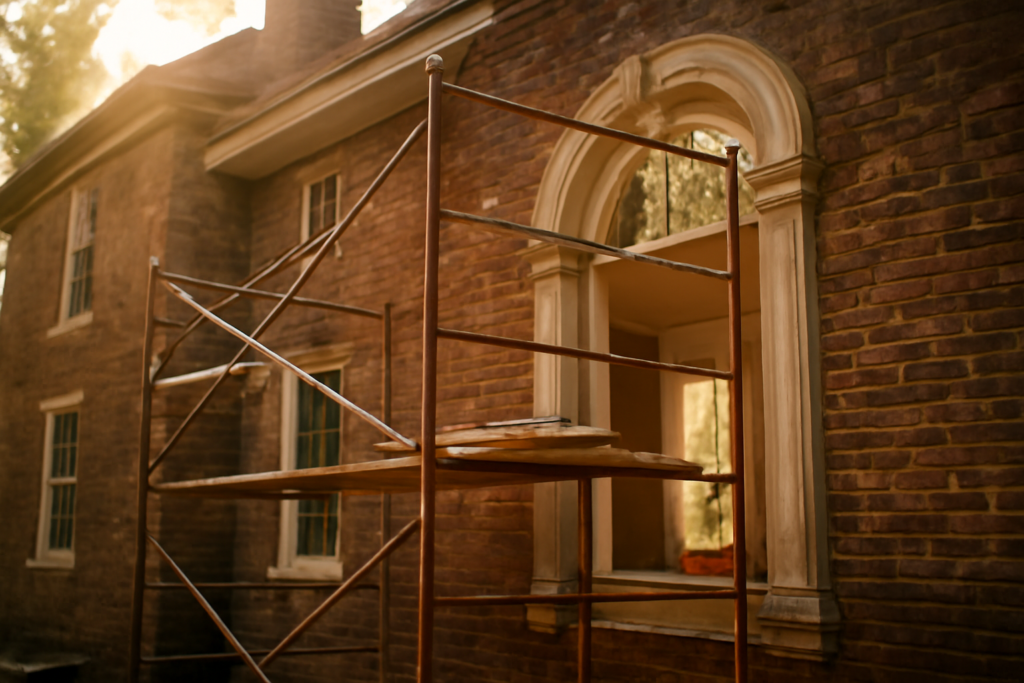
Protecting Galveston’s Charm: Expert Historic Building Restoration
Here on the island, we know a thing or two about the sea breeze and the humidity it carries. That salty air, while beautiful, can be incredibly tough on older homes, especially with our frequent coastal storms. Persistent moisture and salt spray are real culprits when it comes to damaging historic structures, leading to issues like wood rot, crumbling plaster, and compromised foundations. If you’ve noticed your beautiful old home showing signs of wear that feel specific to its age and location, you’re likely thinking about specialized historic building restoration.
Homeowners around here trust us because we understand the unique needs of older properties. We’ve helped over 165 families preserve their homes’ character and structural integrity, earning more than 165 five-star reviews. When it comes to restoring a piece of local history, you want a team that respects its past while using modern techniques to secure its future. Preserving architectural detail is just as important to us as ensuring your home is safe and sound.
- We specialize in using traditional materials and methods that match your home’s original construction, preventing future damage and maintaining its authentic look.
- Our team is trained to identify and address the subtle signs of decay that are common in older buildings, often before they become major problems.
- We work with your insurance adjusters and local historical commissions to ensure all restoration work meets necessary standards and preserves your property’s value.
The Art of Bringing History Back to Life: Our Restoration Process
Restoring a historic building isn’t like fixing a leaky faucet; it’s a delicate art form that requires deep knowledge and meticulous execution. Cutting corners here can lead to irreversible damage, making your home look less like a historic gem and more like a patchwork of repairs. Our process is designed to be thorough, respectful of your home’s heritage, and focused on achieving lasting results. We believe in doing it right the first time, so you can enjoy your beautifully restored home for years to come.
1. Initial Assessment and Documentation
This is where we get to know your home. Our trained technicians will conduct a detailed inspection, documenting the existing conditions, architectural style, and materials used. We’ll take plenty of photos and notes to understand the full scope of the project. Thorough documentation ensures we don’t miss a single detail and helps us plan the most effective restoration strategy.
2. Material Matching and Sourcing
Finding the right materials is crucial for historic building restoration. We’ll identify the original materials – whether it’s specific types of wood, mortar, plaster, or decorative elements – and source historically accurate replacements. This might involve custom milling or working with specialized suppliers to ensure a perfect match. Authentic material sourcing is key to preserving your home’s historical accuracy and preventing compatibility issues down the line.
3. Careful Demolition and Stabilization
Sometimes, damaged sections need to be removed to access underlying issues or to make way for repairs. We perform this demolition with extreme care, preserving any salvageable historic elements. Once we’ve cleared the area, we’ll stabilize the surrounding structure to prevent further damage during the restoration phase. Precise demolition protects what’s good while we fix what’s broken.
4. Restoration and Reconstruction
This is the core of the work. Our skilled craftspeople will meticulously repair or reconstruct damaged areas using the matched materials and appropriate techniques. Whether it’s repairing intricate woodwork, repointing brickwork, or restoring plaster details, we handle each task with precision. We aim for a seamless integration of new work with the old, making it hard to tell where the original ends and the restoration begins. Skilled craftsmanship ensures a beautiful and durable finish.
5. Final Touches and Protection
Once the main restoration is complete, we focus on the finishing touches. This can include cleaning, sealing, and applying protective coatings that are compatible with historic materials. Our goal is to not only restore your home but also to protect it from future environmental damage. Long-term protection is the final step in securing your investment.
Don’t let the unique challenges of an older home discourage you. Reach out today to discuss how we can help preserve its beauty and integrity. Schedule your consultation and let’s protect your piece of local history together.
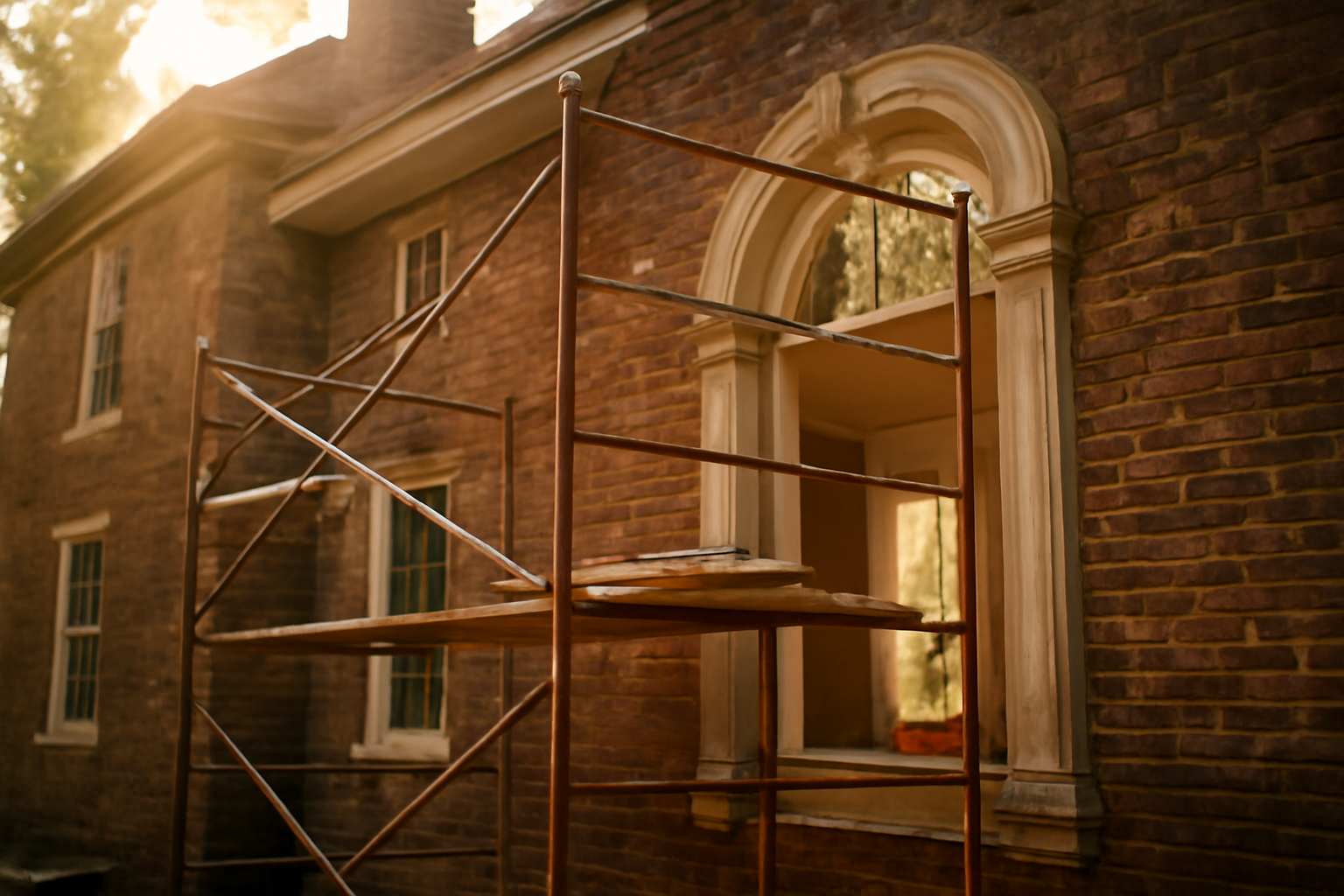
Spotting the Subtle Signs: When Your Historic Home Needs Attention
Older homes have a character all their own, but they also come with unique vulnerabilities. Catching these early warning signs before they escalate can save you a significant amount of time and money. Being aware of what to look for is your first line of defense in protecting your investment. Proactive inspection is your best friend.
Visible Water Stains or Discoloration
Any new or worsening water stains on ceilings, walls, or around windows are a clear sign of a leak or moisture intrusion that needs immediate attention. Address water stains promptly to prevent deeper structural damage.
Peeling or Bubbling Paint
This is often an indicator of moisture trapped beneath the paint layer, which can lead to wood rot or plaster damage. It’s more than just an aesthetic issue. Investigate peeling paint to find the source of moisture.
Cracked or Crumbling Mortar
Mortar in older brick or stone buildings can degrade over time due to weather exposure. Cracks allow water to penetrate, leading to spalling and structural weakening. Repair crumbling mortar before it compromises your walls.
Musty Odors That Won’t Go Away
Persistent damp or musty smells, especially in basements, attics, or crawl spaces, often point to hidden mold growth or significant moisture problems. Eliminate musty odors to ensure a healthy living environment.
Sagging Floors or Ceilings
If you notice areas of your floor or ceiling that seem to be dipping or sagging, it could indicate serious structural issues caused by water damage or rot. Inspect sagging structures for underlying causes.
Insect or Pest Infestations
Wood-damaging insects like termites and carpenter ants are attracted to damp or decaying wood. An infestation can signal existing moisture problems that need fixing. Control pest infestations by addressing moisture sources.
Historic Building Restoration vs. DIY: When To Call a Professional
| Situation | DIY? | Call a Pro? | Why |
|---|---|---|---|
| Minor cosmetic plaster crack repair | Yes, for small hairline cracks. | Maybe, if it’s widespread or deep. | DIY is fine for surface fixes, but extensive cracking suggests underlying issues. |
| Repointing a small section of brickwork | Maybe, with extensive research and practice. | Yes, for larger areas or load-bearing walls. | Repointing requires specific mortar mixes and techniques to avoid damaging the brick. |
| Replacing a few rotted wood shingles on an outbuilding | Yes, if you’re comfortable with basic carpentry. | Yes, if it’s a primary dwelling or complex design. | Shingle replacement needs careful matching and installation to prevent leaks. |
| Addressing significant water damage in the attic | Absolutely Not. | Yes, always. | Attic damage can involve structural compromise, mold, and electrical hazards. |
| Restoring ornate plaster ceiling medallions | No. | Yes, always. | These require specialized knowledge, tools, and materials to restore without damage. |
| Cleaning and sealing historic stonework | Maybe, with extreme caution and research. | Yes, for large or sensitive areas. | Improper cleaning can permanently etch or damage historic stone surfaces. |
For most significant issues impacting the structural integrity or historical authenticity of your property, calling a professional is the wisest choice. Expert assessment ensures the correct materials and methods are used. We can handle the complexities that DIY projects simply can’t, ensuring your historic home is preserved for generations. Trust the experts for your valuable historic property.
Historic Building Restoration Cost In Galveston, TX
The cost of historic building restoration in Galveston, TX, can vary widely. Factors like the size of your property, the extent of the damage, the specific materials needed, and the complexity of the architectural features all play a role. These figures are estimates and a detailed on-site assessment is always necessary for an accurate quote. Understanding cost factors helps you budget effectively.
| Service | Typical Price Range | What Affects Cost |
|---|---|---|
| Exterior Wood Repair & Restoration | $500 – $5,000+ per section | Complexity of the woodwork, type of wood, and extent of rot or damage. |
| Historic Plaster Repair & Restoration | $300 – $2,000+ per room | Size of the area, intricacy of the design, and need for custom plaster mixes. |
| Masonry Repointing (Brick & Stone) | $10 – $30+ per square foot | Type of masonry, mortar condition, accessibility, and scale of the project. |
| Window Restoration (Wood & Sash) | $400 – $1,500+ per window | Condition of the wood, glass replacement needs, and hardware repair or replication. |
| Foundation Stabilization/Repair | $2,000 – $10,000+ | Severity of settlement, underlying soil conditions, and method of repair required. |
| Roof Repair/Restoration (Slate, Tile, etc.) | $1,000 – $15,000+ | Type of roofing material, pitch of the roof, size, and extent of damage. |
These are general ranges, and your specific project may fall outside them. We offer free, no-obligation estimates to give you a clear picture of the investment needed for your historic home. Get a detailed estimate to know exactly what to expect.
Service Areas Near Galveston, TX
Texas City, La Marque, Hitchcock, Santa Fe, Friendswood, Pearland, League City, Kemah, Seabrook, Clear Lake City, Alvin, Manvel, Liverpool, Danbury, Angleton, Lake Jackson, Freeport, Brazoria, Rosharon, Webster
Common Questions About Historic Building Restoration
How long does historic building restoration typically take?
The timeline for historic building restoration can vary significantly. It depends on the size and complexity of the project, the extent of the damage, and the availability of specialized materials. Simple repairs might take a few weeks, while a full historic restoration could last many months. We provide a projected timeline after our initial assessment and keep you updated throughout the process.
Is historic building restoration covered by insurance?
Often, yes, especially if the damage was caused by a covered event like a storm or fire. However, standard homeowner’s insurance may not cover gradual wear and tear or code upgrades. We have extensive experience working with insurance companies and can help you navigate the claims process for your historic property. It’s always best to check your specific policy.
What are the biggest risks of not restoring a historic building properly?
The biggest risks include irreversible damage to original materials, structural failure, increased moisture intrusion leading to mold and rot, and a significant decrease in property value. Improper restoration can also create new problems or fail to address the root cause of the damage. We focus on preventing future decay by addressing the underlying issues.
What kind of equipment do you use for historic restoration?
While we use modern tools for efficiency and safety, we also employ specialized equipment suited for delicate historic materials. This can include low-pressure washing systems, precise cutting tools, specific types of scaffolding for safe access, and advanced moisture meters to detect hidden issues. Our goal is to use the right tools for sensitive work without causing further harm.
Can historic building restoration help prevent future damage in Galveston, TX?
Absolutely. Proper historic building restoration involves not only repairing current damage but also implementing preventative measures. This can include improving drainage, sealing vulnerable areas, and using appropriate protective coatings. By addressing the root causes of decay, we help fortify your home against the harsh coastal environment and extend its lifespan.
Check Our Other Relevant Services

Gary Gwin: Damage Restoration Expert
With over 20 years of hands-on experience, Gary Gwin is a trusted authority in property recovery and disaster mitigation. As a licensed specialist, Gary has dedicated his career to restoring safety and peace of mind for homeowners facing environmental crises.
𝗖𝗲𝗿𝘁𝗶𝗳𝗶𝗰𝗮𝘁𝗶𝗼𝗻𝘀: Gary holds multiple advanced IICRC certifications, including Water Damage Restoration (WRT), Applied Microbial Remediation (Mold), Applied Structural Drying (ASD), Odor Control, and Fire and Smoke Restoration. His deep technical knowledge ensures every project meets the highest industry standards for health and safety.
𝗕𝗲𝘀𝘁 𝗣𝗮𝗿𝘁 𝗼𝗳 𝘁𝗵𝗲 𝗝𝗼𝗯: Gary finds the most fulfillment in guiding families through the recovery process, transforming a chaotic property loss into a restored, habitable home.
𝗙𝗮𝘃𝗼𝗿𝗶𝘁𝗲 𝗣𝗮𝘀𝘁𝗶𝗺𝗲: When off the clock, Gary enjoys exploring local hiking trails and woodworking.