Trusted by 150+ Homeowners
Historic Building Restoration in Humble, TX
- Over 152 5-Star Reviews
- Free Estimates and Quotes
- 100% Satisfaction Guaranteed
- Child, Family & Pet Safe Steps
- 24-Hour Emergency Service
- Fully Licensed & Insured
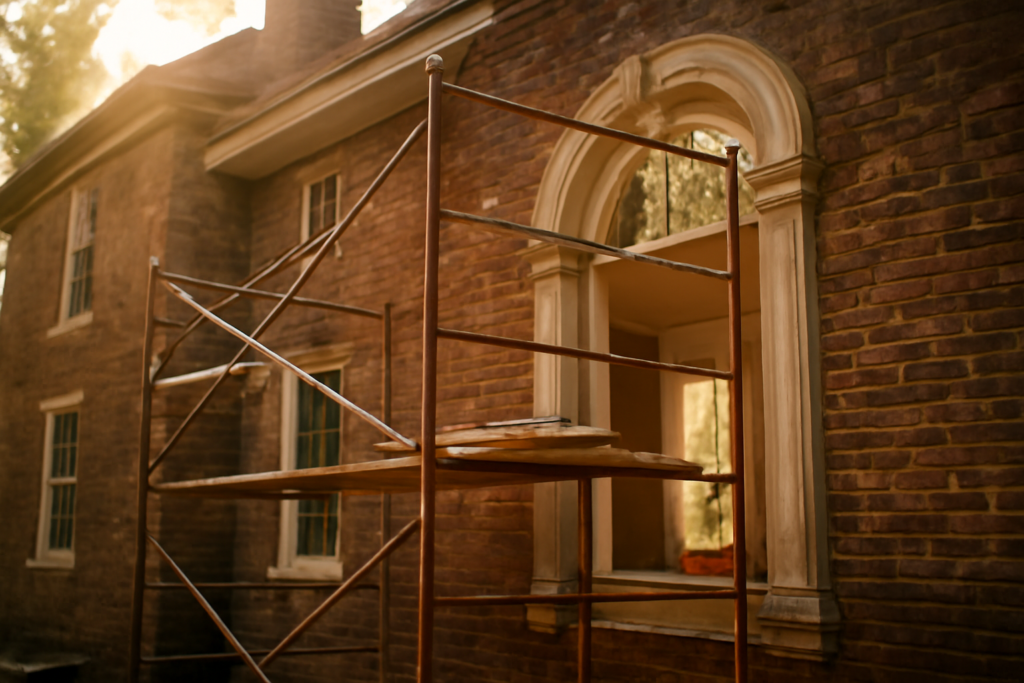
Preserving Humble’s Past: Expert Historic Building Restoration
When you notice signs of decay or damage in your historic property, it’s easy to feel overwhelmed. Protecting irreplaceable features can seem like a daunting task, especially when dealing with materials that require specialized care. For instance, many homeowners mistakenly try to clean old plaster with harsh chemicals, which can cause irreversible damage. It’s crucial to understand that not all restoration work is the same; historic buildings demand a unique approach. We’re here to guide you through the process, ensuring your treasured structure is treated with the respect it deserves right here in Humble, TX.
Our local team has earned the trust of homeowners across the area, evidenced by over 165 five-star reviews. People choose us for Historic Building Restoration because we understand the delicate balance between preserving original character and ensuring structural integrity. We don’t just fix problems; we bring a deep appreciation for history to every project, making us the preferred choice for safeguarding your property’s legacy. You’ll find that our dedication to detail sets us apart.
- We specialize in sourcing and using historically appropriate materials, ensuring your restoration blends seamlessly with the original architecture.
- Our crews are trained in advanced techniques for delicate material repair, like stabilizing antique wood or cleaning fragile masonry without causing further harm.
- We offer a meticulous approach to documentation, providing you with a clear record of the work performed, which is invaluable for future maintenance and historical value.
How Historic Building Restoration Unfolds
The process for restoring a historic building is far more involved than standard repairs. It requires careful assessment, planning, and execution to avoid damaging the building’s unique character or structural integrity. Cutting corners can lead to costly mistakes that are difficult and expensive to correct later. Our team approaches each project with a commitment to thoroughness, ensuring every step is taken thoughtfully. We believe in transparency, so you’ll always know what to expect.
Initial Assessment and Documentation
Our process begins with a detailed inspection of your property. We’ll meticulously document existing conditions, noting any signs of damage, material degradation, or structural concerns. This thorough assessment helps us create a precise restoration plan and identify the best materials and methods for your specific building. We use specialized tools to capture detailed photographic and written records, ensuring nothing is overlooked. This foundational step is critical for successful historic preservation.
Material Testing and Analysis
Before any work begins, we conduct careful material testing. This involves analyzing original materials like plaster, wood, paint, and masonry to understand their composition and condition. We then identify historically accurate replacement materials or appropriate conservation treatments. This scientific approach ensures that any new materials or repairs are compatible with the existing structure. It’s about making sure we’re not introducing anything that could compromise the building’s long-term stability. This guarantees authentic material matching.
Stabilization and Structural Repair
Often, historic buildings require structural stabilization before cosmetic repairs can begin. Our crews are skilled in addressing issues like sagging foundations, compromised beams, or failing roofing structures. We use techniques that are minimally invasive and sympathetic to the original construction. The goal is always to reinforce the building’s integrity without altering its historic appearance. This phase is crucial for ensuring long-term safety.
Careful Cleaning and Conservation
Cleaning historic materials requires a delicate touch. We employ specialized cleaning methods, such as gentle abrasion or chemical treatments, to remove dirt and grime without damaging original surfaces. For delicate elements like old paint layers or intricate carvings, we use techniques that conserve their integrity. This meticulous cleaning process reveals the building’s original beauty. It’s about bringing back its luster while preserving original finishes.
Replication and Replacement of Damaged Elements
When elements are beyond repair, we focus on accurate replication. Whether it’s a unique molding, a decorative tile, or a specific type of window frame, our team can recreate it to match the original perfectly. We work with skilled artisans and use historical records to ensure authenticity. This attention to detail is what truly distinguishes historic building restoration. It’s about making sure any new piece looks like it has always been there, maintaining the building’s historical narrative.
Don’t let minor issues become major problems for your historic home. Contact us today for a thorough assessment and a clear plan to protect your property’s legacy. We’re ready to help you preserve its unique charm.
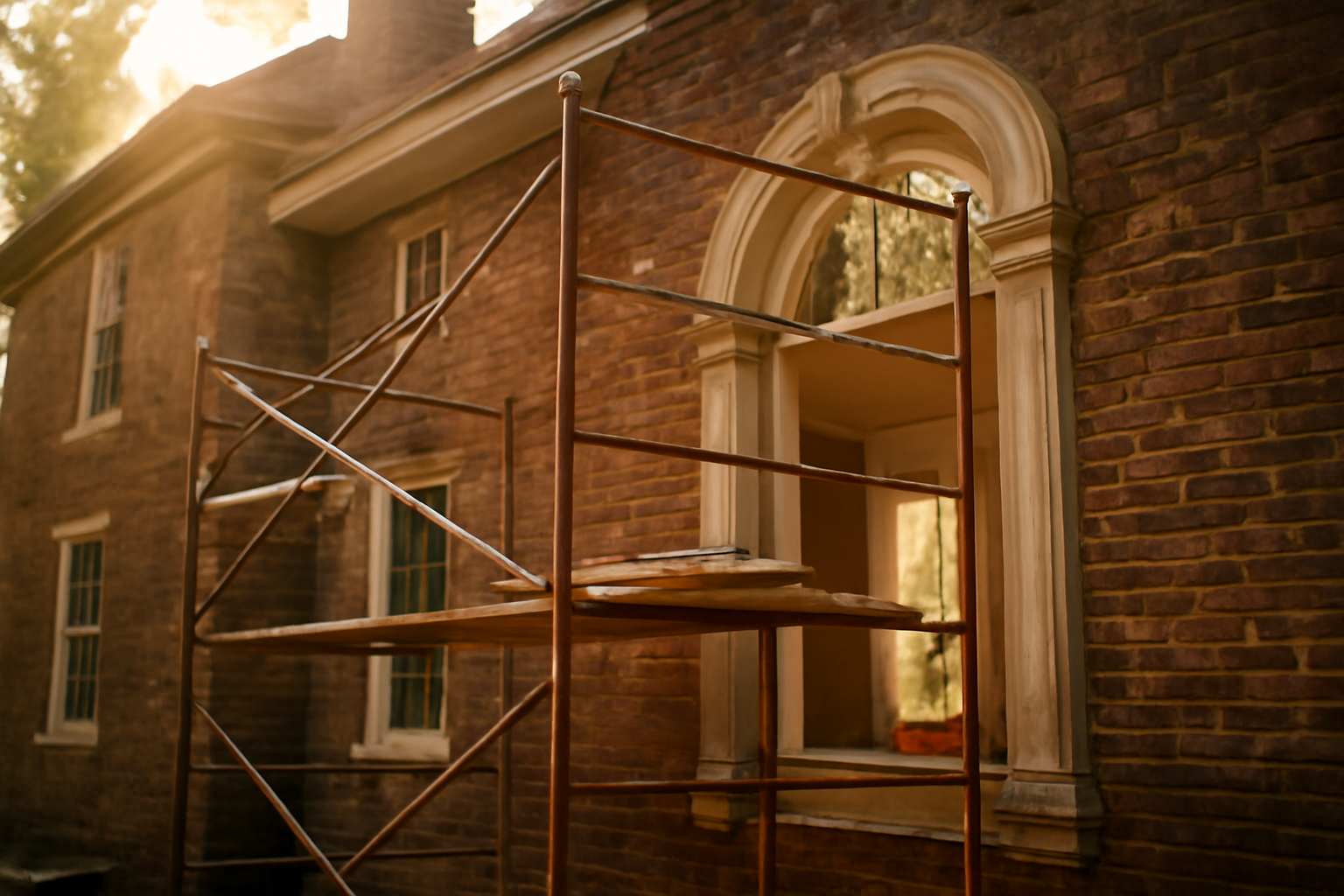
Warning Signs You Need Historic Building Restoration
Catching these signs early can save your historic property from significant damage and costly repairs. Ignoring them can lead to more extensive problems, compromising the structural integrity and historical value of your building. Being aware of these indicators is the first step toward proactive preservation.
Visible Water Stains or Dampness
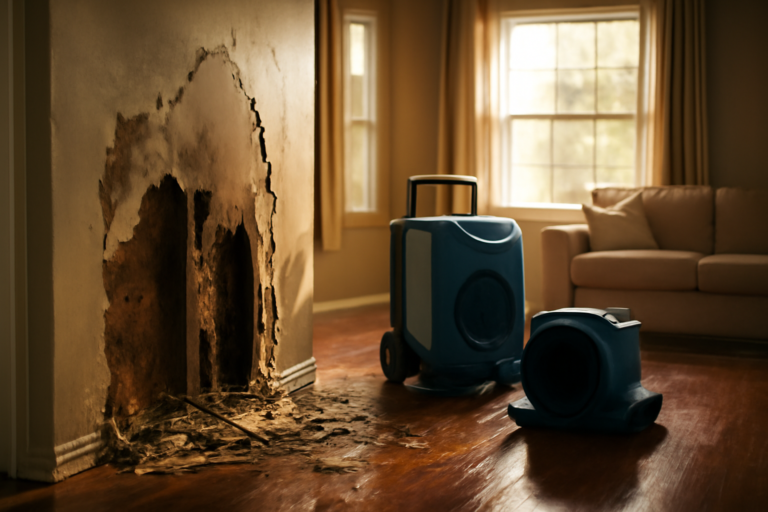
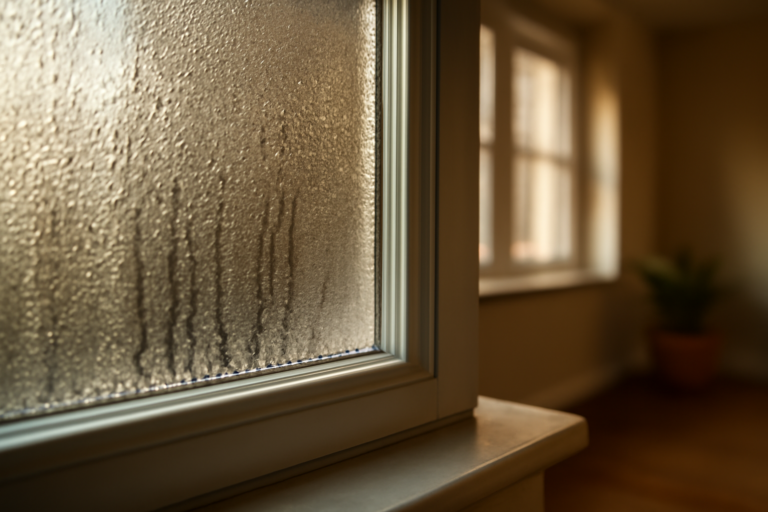
Any signs of water intrusion, such as discoloration on walls or ceilings, or persistent dampness, indicate a leak or moisture problem. This can lead to rot, mold growth, and damage to delicate plasterwork. It’s a clear signal that immediate attention is needed to prevent further deterioration.
Cracking or Crumbling Plaster
Fine cracks can be normal, but larger, deeper cracks, or plaster that is crumbling away from the lath, suggest underlying structural issues or moisture damage. This is particularly common in older homes and requires careful assessment to determine the cause. Ignoring this can lead to plaster failure.
Wood Rot or Insect Damage
Soft, spongy wood, visible insect trails, or small holes are indicators of wood rot or pest infestation. These issues can severely weaken structural components like beams, joists, and framing. Prompt treatment is essential to prevent widespread structural failure.
Peeling or Blistering Paint
While normal aging can cause some paint wear, widespread peeling or blistering, especially when accompanied by moisture, can signal problems. It might indicate moisture trapped behind the paint layers or issues with the substrate itself. This needs careful investigation to address the root cause.
Musty Odors That Won’t Go Away
A persistent musty smell often points to hidden mold growth, usually caused by long-term moisture issues. Mold can compromise air quality and damage building materials. It’s a sign that you need to find and eliminate the source of moisture.
Sagging Floors or Ceilings
Any noticeable sagging in floors or ceilings is a serious structural concern. It indicates that the underlying support system may be compromised due to rot, insect damage, or age. This requires an immediate professional evaluation to ensure the building’s stability.
Historic Building Restoration vs. DIY: When To Call a Professional
| Situation | DIY? | Call a Pro? | Why |
|---|---|---|---|
| Minor surface dust removal from ornate moldings | Yes, with care | No | Gentle dusting with soft brushes is usually sufficient and safe for DIY. |
| Addressing a small, isolated patch of efflorescence on exterior brick | Possibly, with research | Yes | Understanding the cause of efflorescence is key; a pro can diagnose and treat it correctly. |
| Repairing a small crack in original plaster (less than 1 inch) | Yes, with specific products | No | Using appropriate plaster repair compounds can be a manageable DIY task for minor cracks. |
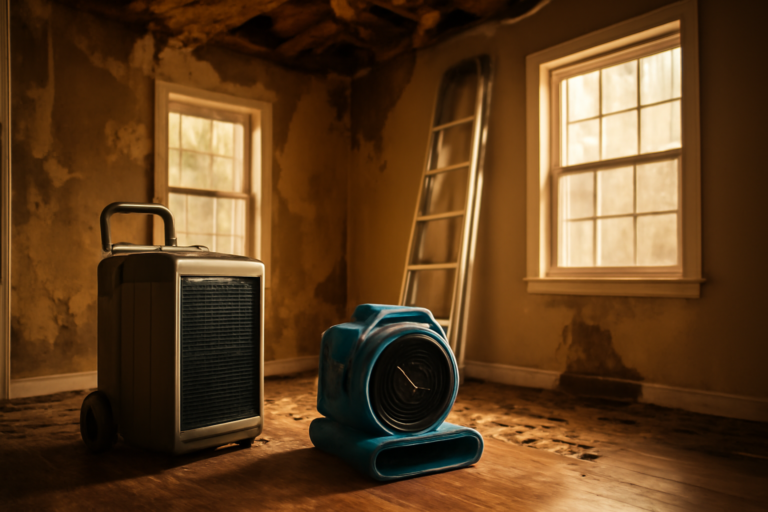
| Dealing with widespread water damage causing structural compromise | Absolutely Not | Yes | Extensive water damage requires specialized drying equipment and structural expertise. |
| Cleaning a historic stained-glass window | No | Yes | Stained glass is fragile and requires specialized cleaning techniques to avoid damage. |
| Identifying and treating widespread mold growth | No | Yes | Mold remediation requires safety protocols and specialized equipment to ensure proper removal and prevent recurrence. |
For historic buildings, the complexity and fragility of materials mean that many issues are best left to professionals. While some minor maintenance can be handled yourself, anything involving potential structural compromise, widespread moisture, or delicate original finishes requires expert intervention. Trusting the right team ensures your building’s history is respected and preserved.
Historic Building Restoration Cost In Humble, TX
The cost of Historic Building Restoration in Humble, TX, can vary significantly. Factors like the size of the affected area, the extent of the damage, the age and type of materials involved, and the specific historical details of your property all play a role. These are estimated ranges, and a precise quote requires an on-site assessment.
| Service Aspect | Typical Price Range | What Affects Cost |
|---|---|---|
| Initial Assessment & Documentation | $300 – $1,000 | Complexity of the structure and detail of documentation required. |
| Plaster Repair (per sq ft) | $50 – $200 | Severity of the damage, intricacy of the original plasterwork, and material matching. |
| Wood Stabilization/Repair (per linear foot) | $75 – $250 | Type of wood, extent of rot or damage, and complexity of the repair. |
| Masonry Cleaning (per sq ft) | $10 – $50 | Type of masonry, severity of soiling, and chosen cleaning method. |
| Historic Paint Analysis & Replication | $500 – $2,500 | Number of paint layers to analyze and complexity of matching original colors and finishes. |
| Structural Stabilization (variable) | $2,000 – $15,000+ | The extent of structural issues and the methods needed for reinforcement. |
These figures provide a general idea of potential costs. For an accurate estimate tailored to your unique historic property, we offer complimentary on-site evaluations. This allows us to provide a detailed proposal for the necessary restoration work.
Service Areas Near Humble, TX
Aldine, Atascocita, Barrett, Baytown, Channelview, Cloverleaf, Crosby, Deer Park, Galena Park, Highlands, Houston, Huffman, Jacinto City, Katy, La Porte, League City, Mont Belvieu, New Caney, Pearland, Porter, Sheldon, Spring, Stafford, Tomball, Webster, Willis
Common Questions About Historic Building Restoration
How long does historic building restoration typically take?
The timeline for historic building restoration can vary greatly, from a few weeks for minor repairs to many months or even over a year for extensive projects. It depends heavily on the scope of the damage, the complexity of the materials, and the availability of specialized craftsmen. We’ll provide a realistic timeline estimate after our initial assessment, explaining each phase clearly.
Is historic building restoration covered by insurance?
Insurance coverage for historic building restoration depends on your specific policy and the nature of the damage. Standard homeowner’s policies may not fully cover the unique costs associated with preserving historic elements. It’s crucial to review your policy and discuss potential coverage with your insurance provider. We can assist by providing detailed documentation of the damage and our proposed repairs to support your claim, helping to secure the necessary funds.
What are the health risks associated with damage to historic buildings?
Damage to historic buildings can pose several health risks, including exposure to mold, lead paint, asbestos, and poor indoor air quality due to compromised ventilation. Old materials can degrade in ways that release harmful particles. Our team is trained to handle these materials safely, using proper personal protective equipment and containment procedures to minimize exposure for you and our crew during restoration.
What kind of equipment do you use for historic building restoration?
We use a combination of specialized and traditional equipment for historic building restoration. This can include gentle abrasive cleaning tools, low-pressure washing systems, moisture meters for detecting hidden water, HEPA air scrubbers for air quality control, and sometimes, traditional hand tools for delicate work. The key is selecting equipment that is effective yet non-damaging to historic materials. We choose our tools carefully for each specific project.
Can I prevent damage to my historic home?
While you can’t prevent all damage, regular maintenance is key to preventing many common issues in historic homes. This includes keeping gutters clean, ensuring proper roof drainage, monitoring for leaks, and maintaining the building’s exterior to protect original materials. Addressing small problems quickly can prevent them from escalating into major restoration needs. We can also provide guidance on best practices for preservation during our site visits.
Check Our Other Relevant Services
Serving Humble, TX And Nearby Areas