Trusted by 150+ Homeowners
HVAC Mold Remediation in Dickinson, TX
- Over 152 5-Star Reviews
- Free Estimates and Quotes
- 100% Satisfaction Guaranteed
- Child, Family & Pet Safe Steps
- 24-Hour Emergency Service
- Fully Licensed & Insured
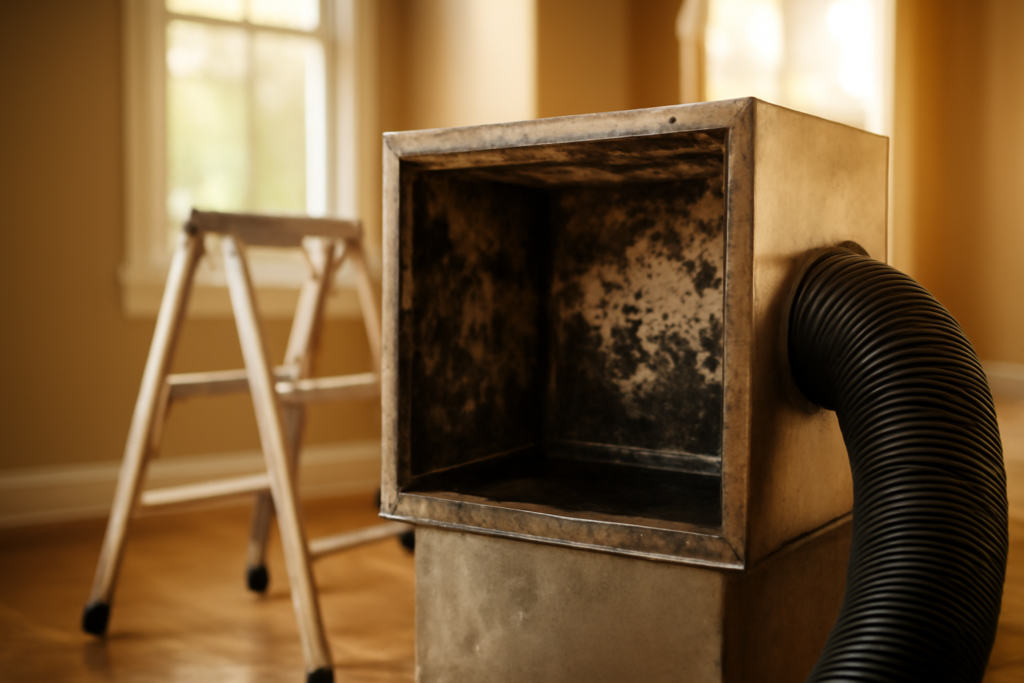
Battling Hidden Mold: Your HVAC System in Dickinson, TX
Did you know that up to 50% of indoor mold can be hidden within your HVAC system? This means the air you breathe every day might be circulating microscopic mold spores throughout your home without you even realizing it. It’s a common issue around here, and it affects more than just your air quality. If you’ve noticed unusual smells or suspect mold is growing in your ductwork, it’s crucial to address it quickly. Ignoring it can lead to significant health concerns and more costly repairs down the line. We understand how unsettling this can be for your family’s well-being.
Homeowners across the area trust our team for effective HVAC mold remediation because we focus on thoroughness and clear communication. We’ve earned over 165 five-star reviews by treating every property with care and providing practical, lasting solutions. You can count on us to get the job done right the first time. We aim to make the entire process as stress-free as possible for you and your family.
- We use specialized equipment to safely remove mold from inside your ductwork, preventing airborne contaminants from spreading further into your living spaces.
- Our process helps improve your indoor air quality, which can alleviate allergy and asthma symptoms often triggered by mold exposure.
- We work directly with your insurance provider, simplifying the claims process and ensuring you understand your coverage for mold remediation.
How Our HVAC Mold Remediation Process Works
When mold takes root in your HVAC system, a superficial cleaning just won’t cut it. A proper remediation process requires a systematic approach to ensure all mold is identified, contained, and removed safely. Cutting corners here can lead to recurring mold growth and potential health risks for your family. Our crews follow a strict protocol to guarantee effective treatment. You’ll know exactly what to expect, from the initial inspection to the final air quality test. We focus on long-term prevention and complete removal.
Initial Inspection and Assessment
Our certified technicians will conduct a thorough inspection of your entire HVAC system, including accessible ductwork and the air handler. We use specialized tools to identify the extent of mold growth and assess potential moisture sources contributing to the problem. This assessment helps us create a detailed remediation plan tailored to your specific situation.
Containment of Affected Areas
Before any mold removal begins, we establish containment barriers to prevent mold spores from spreading to other parts of your home. This critical step involves sealing off vents and using negative air pressure machines to isolate the work area. It’s about ensuring your home remains safe and protected throughout the process.
Mold Removal and Cleaning
Our skilled crews meticulously remove mold from all affected surfaces within your HVAC system. We utilize specific cleaning agents designed to eliminate mold and its spores safely and effectively. This stage is crucial for restoring your system’s integrity and preventing future growth.
Duct Sealing and Repair
Once the mold is removed, we inspect your ductwork for any damage, such as cracks or holes, that could allow moisture or mold to return. If necessary, we’ll perform repairs or sealing to ensure your ducts are airtight and secure. This step is vital for maintaining a healthy environment.
Post-Remediation Testing
After cleaning and repairs are complete, we often recommend or perform post-remediation air quality testing. This verifies that mold spore counts have returned to normal levels, confirming the success of the remediation. Your family’s health is our top priority, and this test provides objective proof of safety.
Don’t let hidden mold compromise your indoor air. Contact us today to schedule your HVAC mold inspection and take the first step towards a healthier home. We’re ready to help you breathe easier with a thorough and professional service.

Warning Signs You Need HVAC Mold Remediation
Catching mold in your HVAC system early can save you a lot of money and prevent more serious health issues. Your heating and cooling system circulates air constantly, so mold can spread quickly if left unchecked. Pay attention to these common signs. Recognizing them means you can get professional help before the problem becomes truly widespread.
Persistent Musty Odors
If you notice a persistent musty or earthy smell, especially when your HVAC system is running, it’s a strong indicator of mold growth. These odors often get worse when the system is turned on, circulating spores throughout your house. It’s a clear sign that something is growing inside your ducts.
Visible Mold Growth
While mold can be hidden, sometimes you might see visible signs of mold around vents, filters, or within accessible parts of your HVAC unit. Any dark or discolored patches that look fuzzy or slimy should be treated as a potential mold problem. Don’t try to clean it yourself; professional assessment is key.
Increased Allergy or Asthma Symptoms
A sudden or unexplained increase in allergy symptoms, such as sneezing, coughing, itchy eyes, or respiratory issues, can be linked to mold exposure. If your symptoms seem to worsen when you’re indoors, especially when your HVAC system is active, it could be the culprit. This is a serious health warning sign that should not be ignored.
Water Stains or Leaks Near HVAC Components
Any signs of water damage, stains, or active leaks around your air handler, vents, or ductwork suggest a moisture problem. Mold thrives in damp environments, so these leaks are often the initial source of mold growth within your system. Addressing the moisture source is as important as removing the mold.
Black or Discolored Spots on Surfaces
Mold can appear as small black, green, or white spots on surfaces near your HVAC system or vents. If you see these, it means mold spores have likely settled and started to grow. This visual cue is a direct indication of an active mold infestation.
Unexplained Changes in Airflow
Mold growth can clog air filters and obstruct airflow within your ducts. If you notice that your system isn’t blowing air as strongly as it used to, or if some rooms are getting significantly less air, it might be due to mold buildup. This indicates your system is working harder and less efficiently.
HVAC Mold Remediation vs. DIY: When To Call a Professional
| Situation | DIY? | Call a Pro? | Why |
|---|---|---|---|
| Minor surface mold on an easily accessible air filter | Yes, replace the filter immediately. | Maybe, if symptoms persist after filter change. | A dirty filter is an easy fix, but persistent symptoms suggest deeper issues. |
| Musty smell when AC runs | No. | Yes. | Odors indicate mold is likely inside the system and requires specialized cleaning. |
| Visible mold growth inside ductwork | Absolutely Not. | Yes, immediately. | DIY attempts can spread spores and cause more damage; professional containment is essential. |
| Water leak near the air handler | Address the leak source first. | Yes, for mold assessment after leak repair. | Mold needs moisture; fixing the leak is step one, but mold may already be present. |
| General concerns about air quality and family health | No, not for mold. | Yes. | Professional testing and remediation provide certainty and effective solutions. |
| Routine HVAC maintenance | Yes, for filter changes. | Yes, for professional cleaning and inspection. | Regular professional checks can catch mold issues early. |
While changing an air filter is a simple DIY task, any suspected mold growth inside your HVAC system warrants professional attention. The risks of spreading spores or incomplete removal are too high with DIY methods. Our team has the tools and expertise to handle these complex situations safely and effectively. You get a truly clean system and better air.
HVAC Mold Remediation Cost in Dickinson, TX
The cost of HVAC mold remediation in Dickinson, TX, can vary widely depending on the scope of the problem. Factors like the size of your HVAC system, the amount of mold present, and the accessibility of the affected areas all play a role. These figures are general estimates, and an on-site assessment is always needed for an accurate quote. We aim to provide transparent pricing for our services.
| Service | Typical Price Range | What Affects Cost |
|---|---|---|
| HVAC System Mold Inspection | $250 – $750 | Size of the system, complexity of access, and need for specialized testing. |
| Ductwork Mold Cleaning (per linear foot) | $10 – $30 | Length of ductwork, severity of mold, and type of duct material. |
| Air Handler Unit Cleaning | $500 – $1,500 | Size of the unit, accessibility, and extent of mold contamination. |
| Mold Containment Setup | $300 – $800 | Size of the affected area and complexity of sealing off the space. |
| Post-Remediation Air Quality Testing | $300 – $700 | Number of samples taken and laboratory analysis fees. |
| Minor Duct Sealing/Repair | $200 – $600 | Length of repairs needed and materials used. |
These price ranges give you a general idea, but a precise estimate will be provided after our team conducts a thorough inspection of your HVAC system. We offer free, no-obligation estimates to help you understand the exact costs involved.
Service Areas Near Dickinson, TX
Alvin, Angleton, Bay City, Brazoria, Clute, Conroe, Corpus Christi, Cypress, Friendswood, Galveston, Houston, Humble, Katy, League City, Pearland, Port Arthur, Rosenberg, Sugar Land, Texas City, The Woodlands
Common Questions About HVAC Mold Remediation
My HVAC system smells musty, is it mold?
A musty smell when your HVAC system is running is a strong indicator of mold. Mold spores can grow in damp areas within your ductwork or air handler. While other issues can cause odors, mold is a common and serious cause that requires professional inspection. Our team can perform the necessary tests to confirm if mold is present and then safely remove it.
How long does HVAC mold remediation usually take?
The timeline for HVAC mold remediation can vary, but typically, a standard cleaning and containment process takes 1 to 3 days. More extensive mold growth or complex duct systems might require additional time. We’ll provide you with a more specific timeframe after our initial assessment. Our goal is to complete the work efficiently while ensuring thorough remediation.
Is HVAC mold dangerous to my health?
Yes, HVAC mold can pose significant health risks. Inhaling mold spores can trigger allergic reactions, asthma attacks, and other respiratory problems for sensitive individuals. Some types of mold can even produce mycotoxins. Keeping your HVAC system mold-free is essential for maintaining good indoor air quality and protecting your family’s health. We take these health risks very seriously.
Will insurance cover HVAC mold remediation in Dickinson, TX?
Insurance coverage for mold remediation can be complex and often depends on the cause of the mold. If the mold is due to a sudden, accidental event like a burst pipe that was then addressed, it might be covered. If it’s due to long-term neglect or humidity, it may not be. We work closely with insurance companies to document the damage properly and help you navigate the claims process. Understanding your policy is key.
How can I prevent mold from growing in my HVAC system again?
Preventing mold involves controlling moisture and ensuring regular maintenance. Keep humidity levels in your home below 50% and ensure proper drainage for your AC unit. Regularly changing your air filters as recommended and scheduling professional HVAC inspections are also crucial steps. We can advise you on the best practices to maintain a mold-free system after remediation.
Check Our Other Relevant Services

Gary Gwin: Damage Restoration Expert
With over 20 years of hands-on experience, Gary Gwin is a trusted authority in property recovery and disaster mitigation. As a licensed specialist, Gary has dedicated his career to restoring safety and peace of mind for homeowners facing environmental crises.
𝗖𝗲𝗿𝘁𝗶𝗳𝗶𝗰𝗮𝘁𝗶𝗼𝗻𝘀: Gary holds multiple advanced IICRC certifications, including Water Damage Restoration (WRT), Applied Microbial Remediation (Mold), Applied Structural Drying (ASD), Odor Control, and Fire and Smoke Restoration. His deep technical knowledge ensures every project meets the highest industry standards for health and safety.
𝗕𝗲𝘀𝘁 𝗣𝗮𝗿𝘁 𝗼𝗳 𝘁𝗵𝗲 𝗝𝗼𝗯: Gary finds the most fulfillment in guiding families through the recovery process, transforming a chaotic property loss into a restored, habitable home.
𝗙𝗮𝘃𝗼𝗿𝗶𝘁𝗲 𝗣𝗮𝘀𝘁𝗶𝗺𝗲: When off the clock, Gary enjoys exploring local hiking trails and woodworking.