Trusted by 150+ Homeowners
HVAC Mold Remediation in Huntsville, TX
- Over 152 5-Star Reviews
- Free Estimates and Quotes
- 100% Satisfaction Guaranteed
- Child, Family & Pet Safe Steps
- 24-Hour Emergency Service
- Fully Licensed & Insured
Breathe Easier: Tackling HVAC Mold in Huntsville, TX
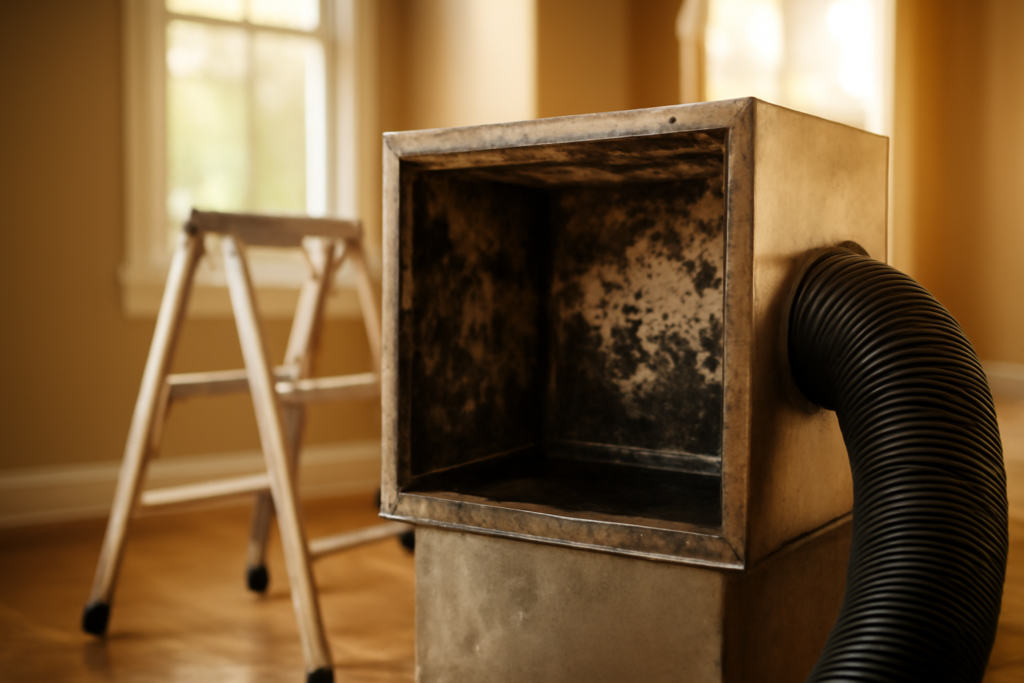
Here around Huntsville, TX, we know how humid summers can get. That sticky air often means more moisture inside our homes, and that’s exactly what mold loves. When that dampness finds its way into your HVAC system, it can turn a simple comfort system into a source of unseen trouble. You might not even realize your air conditioner or heater is silently spreading mold spores throughout your house. Protecting your family’s health and keeping your home comfortable means addressing this issue head-on.
We’ve helped over 165 local families deal with HVAC mold, earning more than 165 five-star reviews. Homeowners trust our team because we focus specifically on getting your air ducts clean and clear. We understand the unique challenges our climate presents and have developed a proven approach to tackle mold in your ventilation system. Getting your air quality back is our top priority, and we do it with care and expertise.
- We target the root cause of mold growth within your ductwork, not just the surface.
- Our process uses specialized equipment to safely remove mold without damaging your HVAC system.
- You’ll notice a difference in air freshness and can feel more confident about the air you’re breathing.
How We Conquer HVAC Mold
Tackling mold in your HVAC system requires a methodical approach. It’s not just about spraying something in the vents; it’s about thoroughly cleaning and decontaminating the entire system. When corners are cut, mold can return quickly, and you’re left with the same musty smells and health concerns. Our crews follow a detailed, IICRC-certified process to ensure we eliminate the problem completely. We handle the hard work so you don’t have to worry.
Initial Inspection and Assessment
First, we’ll carefully inspect your HVAC system to identify the extent of the mold growth. This involves checking accessible ductwork and identifying potential moisture sources. We use specialized tools to get a clear picture of the problem. This step typically takes about an hour, depending on the size of your system.
Containment of the Work Area
Before we start any cleaning, we set up containment barriers around your HVAC system’s access points. This is crucial for preventing mold spores from spreading into other parts of your home during the remediation process. We use negative air pressure machines to ensure any airborne particles stay where we’re working. This usually takes around 30 minutes to an hour.
Duct Cleaning and Mold Removal
This is where the real work happens. We use powerful, specialized vacuum systems and rotary brushes to dislodge mold and debris from your ductwork. For tougher areas, we might use a HEPA-filtered fogger with an EPA-approved antimicrobial solution. We work methodically through every inch of accessible duct. This part can take anywhere from 2 to 8 hours, depending on the complexity and size of your duct system.
Antimicrobial Treatment
After cleaning, we apply an EPA-registered antimicrobial treatment to the inside of your ducts. This helps to kill any remaining mold spores and prevent future growth. It’s a vital step in ensuring the long-term effectiveness of our work. This step usually adds another hour to the process.
Final Inspection and Air Quality Testing
Once everything is clean and treated, we conduct a final inspection to ensure all visible mold is gone. We may also perform air quality testing to confirm that your indoor air is significantly improved. This provides objective proof of our success. This final check typically takes about an hour.
Don’t let mold in your vents compromise your home’s air. Reach out today for a thorough assessment. We’re ready to help you breathe cleaner, healthier air. Get your free estimate now.

Warning Signs You Need HVAC Mold Remediation
Catching mold early in your HVAC system can save you a lot of hassle and expense down the line. It’s much easier to deal with a small problem than a widespread infestation. Keep an eye out for these common indicators. Ignoring these signs could lead to bigger issues.
Musty Odors That Won’t Go Away
A persistent, musty smell, especially when your HVAC system kicks on, is a classic sign of mold. It’s that damp, earthy odor that just doesn’t seem to leave. Don’t just mask the smell; investigate the source.
Visible Mold Growth
If you can see mold – fuzzy black, green, or white patches – anywhere in your ductwork or near vents, it’s a clear problem. Early detection is key to preventing spread.
Increased Allergy or Asthma Symptoms
Are you or your family experiencing more sneezing, coughing, itchy eyes, or breathing difficulties, especially indoors? Your HVAC system could be circulating mold spores. Your health matters, so get it checked.
Water Stains Around Vents or Ducts
Any signs of water damage, discoloration, or dampness around your air vents or where ductwork enters/exits walls can indicate a moisture problem that’s feeding mold. Look for subtle changes.
Strange HVAC Noises
Sometimes, mold growth can affect airflow and even cause unusual sounds like whistling or rattling within your ducts. Listen carefully to your system.
Unexplained Health Issues
If doctors can’t pinpoint a cause for recurring headaches, fatigue, or respiratory issues, your indoor air quality might be to blame. Seek professional advice if symptoms persist.
HVAC Mold Remediation vs. DIY: When To Call a Professional
| Situation | DIY? | Call a Pro? | Why |
|---|---|---|---|
| Small, visible mold spot on an accessible vent cover | Yes | No | Easy to wipe down and disinfect. |
| Persistent musty smell when the AC runs | No | Yes | The mold is likely deep inside the ductwork. |
| Suspected mold growth inside the main air handler unit | No | Yes | Requires specialized tools and containment to avoid spreading spores. |
| Water damage near ductwork or AC unit | No | Yes | Moisture source needs professional identification and repair. |
| Widespread mold growth throughout multiple rooms | No | Yes | Indicates a significant problem requiring thorough remediation. |
| You or family members have respiratory sensitivities | No | Yes | Professional cleaning ensures maximum spore removal for better health. |
For HVAC mold, it’s often best to call in the pros. While a quick wipe-down might seem like a solution, it rarely addresses the root cause within your ductwork. Professional remediation is designed for thoroughness and safety.
HVAC Mold Remediation Cost In Huntsville, TX
The cost for HVAC mold remediation in Huntsville, TX can vary quite a bit. Factors like the size of your home, how extensive the mold growth is, and the complexity of your ductwork all play a role. These are just general estimates to give you an idea. Understanding the factors helps in budgeting.
| Service Aspect | Typical Price Range | What Affects Cost |
|---|---|---|
| HVAC System Inspection & Assessment | $200 – $500 | Complexity of the system and accessibility of ducts. |
| Duct Cleaning (Standard) | $500 – $1,500 | Linear footage of ducts and amount of debris. |
| Targeted Mold Removal & Decontamination | $800 – $2,500 | Severity of mold infestation and specific treatment needed. |
| Antimicrobial Treatment Application | $300 – $800 | Size of the system treated and type of product used. |
| Air Quality Testing (Post-Remediation) | $200 – $600 | Number of samples taken and lab processing fees. |
| Emergency HVAC Mold Service | +$300 – $1000+ | Availability outside normal business hours or weekends. |
Remember, these figures are estimates. An on-site assessment by our team is the best way to get an accurate quote. We offer free estimates so you know exactly what to expect.
Service Areas Near Huntsville, TX
We proudly serve Huntsville, TX and the surrounding communities, including Willis, New Waverly, Conroe, Cleveland, Shepherd, Livingston, Trinity, Crockett, Nacogdoches, Lufkin, Diboll, Corrigan, Onalaska, Coldspring, Woodbranch, Splendora, Porter, Kingwood, and Humble.
Common Questions About HVAC Mold Remediation
What’s the quickest way to get mold out of my air vents?
The quickest way to get mold out of your air vents involves a professional cleaning process. While you might be tempted to just spray something into the vent, that often doesn’t reach the mold deep inside. Our team uses specialized equipment to clean the entire duct system effectively. We ensure thorough removal for lasting results.
How much does it typically cost to get mold removed from an HVAC system in Huntsville, TX?
The cost for HVAC mold remediation in Huntsville, TX, can range from $500 to $3,000 or more, depending on the system’s size and the mold’s severity. Factors like accessibility of ducts and the need for specialized treatments will influence the final price. We provide transparent pricing after a thorough inspection.
Is mold in my air ducts dangerous to my health?
Yes, mold in your air ducts can be dangerous. Mold spores can trigger allergies, asthma attacks, and other respiratory issues, especially for sensitive individuals. When your HVAC system runs, it circulates these spores throughout your home. Protecting your family’s well-being is our primary concern.
How long does HVAC mold remediation usually take?
HVAC mold remediation can take anywhere from a few hours to a couple of days. The timeline depends heavily on the size of your duct system, the extent of the mold growth, and any necessary repairs or treatments. We work efficiently to minimize disruption to your home.
Can I prevent mold from growing in my HVAC system?
Preventing mold growth involves managing humidity levels in your home, typically below 50%, and ensuring your HVAC system is properly maintained. Regularly changing air filters and scheduling annual system checks can help. Proactive maintenance is your best defense against mold.
Check Our Other Relevant Services

Gary Gwin: Damage Restoration Expert
With over 20 years of hands-on experience, Gary Gwin is a trusted authority in property recovery and disaster mitigation. As a licensed specialist, Gary has dedicated his career to restoring safety and peace of mind for homeowners facing environmental crises.
𝗖𝗲𝗿𝘁𝗶𝗳𝗶𝗰𝗮𝘁𝗶𝗼𝗻𝘀: Gary holds multiple advanced IICRC certifications, including Water Damage Restoration (WRT), Applied Microbial Remediation (Mold), Applied Structural Drying (ASD), Odor Control, and Fire and Smoke Restoration. His deep technical knowledge ensures every project meets the highest industry standards for health and safety.
𝗕𝗲𝘀𝘁 𝗣𝗮𝗿𝘁 𝗼𝗳 𝘁𝗵𝗲 𝗝𝗼𝗯: Gary finds the most fulfillment in guiding families through the recovery process, transforming a chaotic property loss into a restored, habitable home.
𝗙𝗮𝘃𝗼𝗿𝗶𝘁𝗲 𝗣𝗮𝘀𝘁𝗶𝗺𝗲: When off the clock, Gary enjoys exploring local hiking trails and woodworking.