Trusted by 150+ Homeowners
HVAC Mold Remediation in Magnolia, TX
- Over 152 5-Star Reviews
- Free Estimates and Quotes
- 100% Satisfaction Guaranteed
- Child, Family & Pet Safe Steps
- 24-Hour Emergency Service
- Fully Licensed & Insured
Breathe Easier: Tackling Hidden Mold in Your Magnolia, TX HVAC System
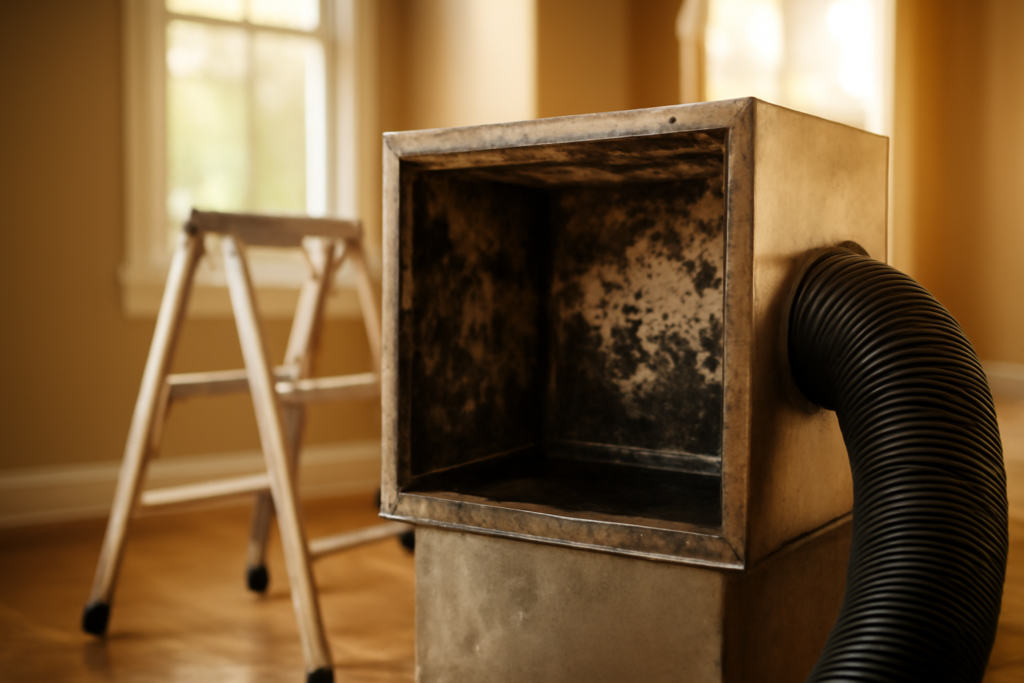
Did you know that up to 50% of all buildings may have indoor air quality problems due to mold? For homes around Magnolia, TX, this often starts with a hidden issue: mold growing inside your HVAC system. It’s not just about a musty smell; it’s about protecting your family’s health and your home’s structure. We understand how concerning finding mold can be, and our team is here to provide clear, practical steps to address it. You deserve to know exactly what’s happening and how to fix it.
Our local crews have helped over 165 homeowners in your neighborhood achieve cleaner air through dedicated HVAC mold remediation. You’ve probably seen our trucks around, and you can trust our proven methods. We focus on getting your system back to a healthy state efficiently. We’ve earned a reputation for honest work and transparent communication, and we’re committed to serving you.
- Targeted mold removal directly from your air ducts and HVAC components, preventing widespread contamination.
- Improved indoor air quality, which can significantly reduce allergy symptoms and respiratory issues for your family.
- Protection against potential structural damage caused by unchecked mold growth spreading throughout your home’s ventilation.
How Our HVAC Mold Remediation Process Works
Addressing mold in your HVAC system requires a methodical approach. Simply cleaning the visible parts isn’t enough; mold spores can travel and regrow if the entire system isn’t properly treated. We’ve developed a thorough process to ensure your system is truly clean and safe. Cutting corners here can lead to recurring problems and higher costs down the line, which nobody wants. That’s why we follow strict protocols for every job.
Initial Inspection and Assessment
We’ll start with a detailed inspection of your HVAC system, including ductwork and the air handler. Using specialized tools, we’ll identify the extent of the mold growth. This assessment helps us create a precise remediation plan tailored to your specific situation and gives you a clear picture of the problem. You’ll know exactly what we’ve found.
Containment of Contaminated Areas
Before any cleaning begins, we meticulously seal off the affected HVAC components and ductwork. This crucial step prevents mold spores from spreading to other parts of your home during the remediation process. We use professional-grade containment barriers and negative air machines to ensure no cross-contamination occurs. Your home’s other areas stay clean.
Mold Removal and Cleaning
Our trained technicians use specialized equipment and EPA-approved cleaning agents to safely remove mold from all affected surfaces within the HVAC system. This includes scrubbing ducts, cleaning coils, and ensuring all components are thoroughly decontaminated. We pay close attention to every nook and cranny. This thorough cleaning is key.
Duct Sealing and Reassembly
After cleaning, we’ll inspect the ductwork for any damage that may have contributed to the mold growth. If needed, we can perform minor repairs or sealing to prevent future issues. Once all cleaning is complete and the system is dry, we’ll carefully reassemble everything. We make sure it’s sealed correctly.
System Testing and Verification
Finally, we’ll run your HVAC system to ensure it’s operating correctly and that air is flowing freely. We may use air sampling tests to verify that mold spore counts have returned to normal levels. Your confirmation that everything is working as it should is important to us. We want you breathing easy again.
Don’t wait for mold problems to worsen. Contact us today for a thorough HVAC mold inspection. We’re ready to help you reclaim your home’s healthy air.

Warning Signs You Need HVAC Mold Remediation
Catching mold early in your HVAC system can save you a significant amount of money and hassle. Ignoring the signs can lead to more extensive damage and potentially serious health issues for your family. Being aware of what to look for is the first step in protecting your home. It’s better to be safe than sorry when it comes to mold.
Persistent Musty Odors
If you notice a persistent musty or earthy smell, especially when your HVAC system is running, it’s a strong indicator of mold growth. This smell often comes from mold hidden within the ductwork or air handler. Don’t just mask the odor; investigate the source.
Visible Mold Growth
While often hidden, mold can sometimes be visible in air ducts, on vent covers, or around HVAC unit components. If you see any fuzzy or discolored patches, it’s time for professional assessment. Even a small amount can mean a larger problem.
Increased Allergy or Asthma Symptoms
Are you or your family members experiencing unexplained allergy symptoms, headaches, or respiratory irritation that worsens when you’re indoors? Your HVAC system might be circulating mold spores, triggering these reactions. This is a significant health concern.
Water Stains or Leaks Around Vents
Any signs of water damage, such as stains or drips around your air vents or HVAC unit, could indicate moisture problems that foster mold growth. Address these moisture issues promptly. They are often linked to mold.
Unexplained Dampness in Ducts
If you’ve had recent water damage or excessive humidity, moisture can get trapped in your ductwork. This damp environment is ideal for mold to take hold and spread. Regular checks can reveal hidden moisture.
HVAC Mold Remediation vs. DIY: When To Call a Professional
| Situation | DIY? | Call a Pro? | Why |
|---|---|---|---|
| Detecting a faint musty smell | Yes, monitor closely | Yes, for thorough inspection | A faint smell could be early-stage mold requiring professional assessment to prevent worsening. |
| Seeing small, visible mold spots on vent covers | Maybe, with caution | Yes, for full system check | Visible mold is a clear sign, and DIY cleaning might miss the internal HVAC mold source. |
| System is blowing air that smells strongly of mildew | No | Yes, immediately | Strong odors indicate significant mold growth that DIY methods can’t safely or effectively remove. |
| Suspected mold after a water leak in the home | No | Yes, immediately | Water intrusion requires professional drying and mold remediation to prevent long-term damage. |
| Routine duct cleaning is needed | Yes, for basic dusting | Yes, if mold is suspected or confirmed | Professional cleaning ensures all mold is eradicated, not just spread around. |
| You or family members have severe allergies/asthma | No | Yes, for air quality assurance | Ensuring your HVAC system is mold-free is critical for improving air quality and health. |
While basic cleaning might seem like a quick fix, true HVAC mold remediation requires specialized knowledge and equipment. For anything beyond a very minor, superficial surface issue, calling a professional is the safest and most effective route. Our team can ensure your system is truly clean and healthy. We follow strict safety protocols.
HVAC Mold Remediation Cost In Magnolia, TX
The cost for HVAC mold remediation in Magnolia, TX can vary based on several factors. These include the size of your HVAC system, the severity and location of the mold growth, and any necessary repairs to ductwork. The estimates below are general ranges; an on-site assessment is always needed for an accurate quote. We work hard to provide fair pricing for our services.
| Service | Typical Price Range | What Affects Cost |
|---|---|---|
| HVAC Mold Inspection & Assessment | $200 – $500 | System size and complexity of inspection. |
| Ductwork Containment Setup | $300 – $800 | Linear footage of ducts needing isolation and area size. |
| HVAC Mold Cleaning (Ducts & Components) | $750 – $3,000+ | Amount of mold, accessibility, and type of HVAC system. |
| Air Handler & Coil Cleaning | $300 – $1,000 | Size and condition of the air handler and coils. |
| HVAC System Reassembly & Testing | $150 – $400 | Complexity of the system and testing methods used. |
| Post-Remediation Air Quality Testing | $200 – $600 | Number of samples taken and lab analysis fees. |
These figures give you an idea of potential expenses. We offer free, no-obligation estimates after a thorough on-site inspection. We’ll explain all costs upfront so you know exactly what to expect.
Service Areas Near Magnolia, TX
Magnolia, Tomball, The Woodlands, Conroe, Cypress, Spring, Houston, Hockley, Pinehurst, Montgomery, Willis, New Caney, Porter, Huffman, Kingwood, Humble, Aldine, Cleveland, Splendora, Rose Hill.
Common Questions About HVAC Mold Remediation
What are the health risks associated with mold in my air ducts?
Mold in your HVAC system can release spores into the air you breathe, potentially triggering allergic reactions, asthma attacks, and other respiratory problems. Symptoms can include coughing, sneezing, itchy eyes, and difficulty breathing. For individuals with compromised immune systems, these risks can be even more severe. We focus on removing the source and ensuring clean air circulation.
How long does HVAC mold remediation typically take?
The timeline depends heavily on the system’s size and the extent of the mold. A basic cleaning might take a day, but more complex jobs involving extensive ductwork can take 2 to 5 days. We’ll provide a realistic timeframe after our initial assessment. Our goal is efficient, thorough work without unnecessary delays.
Will my homeowner’s insurance cover HVAC mold remediation?
Coverage varies greatly by policy. Many standard policies exclude mold damage unless it’s directly caused by a sudden, covered peril like a burst pipe. We can help you document the damage and work with your insurance adjuster to determine coverage. We aim to make the claims process smoother for you.
Can I just spray bleach in my air ducts to kill the mold?
No, this is strongly discouraged. Bleach is not effective on porous materials like ductwork and can actually exacerbate the problem by leaving behind moisture. Furthermore, inhaling bleach fumes is dangerous. Professional remediation uses specialized, safe products and techniques. We use EPA-approved methods for safe and effective mold removal.
What can I do to prevent mold from returning to my HVAC system?
Maintaining proper humidity levels in your home (ideally between 30-50%) is crucial. Ensure your HVAC system is regularly maintained, including filter changes, and address any leaks or water intrusion promptly. Keeping air vents clear of obstructions also helps. We can offer tips on preventative maintenance and humidity control.
Check Our Other Relevant Services

Gary Gwin: Damage Restoration Expert
With over 20 years of hands-on experience, Gary Gwin is a trusted authority in property recovery and disaster mitigation. As a licensed specialist, Gary has dedicated his career to restoring safety and peace of mind for homeowners facing environmental crises.
𝗖𝗲𝗿𝘁𝗶𝗳𝗶𝗰𝗮𝘁𝗶𝗼𝗻𝘀: Gary holds multiple advanced IICRC certifications, including Water Damage Restoration (WRT), Applied Microbial Remediation (Mold), Applied Structural Drying (ASD), Odor Control, and Fire and Smoke Restoration. His deep technical knowledge ensures every project meets the highest industry standards for health and safety.
𝗕𝗲𝘀𝘁 𝗣𝗮𝗿𝘁 𝗼𝗳 𝘁𝗵𝗲 𝗝𝗼𝗯: Gary finds the most fulfillment in guiding families through the recovery process, transforming a chaotic property loss into a restored, habitable home.
𝗙𝗮𝘃𝗼𝗿𝗶𝘁𝗲 𝗣𝗮𝘀𝘁𝗶𝗺𝗲: When off the clock, Gary enjoys exploring local hiking trails and woodworking.