Trusted by 150+ Homeowners
Insulation Replacement in Waller, TX
- Over 152 5-Star Reviews
- Free Estimates and Quotes
- 100% Satisfaction Guaranteed
- Child, Family & Pet Safe Steps
- 24-Hour Emergency Service
- Fully Licensed & Insured

Don’t Let Damp Texas Air Ruin Your Home’s Comfort
Here in Waller, TX, we know how humid our summers can get. That sticky air doesn’t just feel uncomfortable; it can sneak into your attic and walls, creating a breeding ground for mold and mildew. If your insulation is water-damaged or just plain old and ineffective, you’re likely feeling the effects right now, like higher energy bills and rooms that just won’t cool down. Addressing insulation issues isn’t just about comfort; it’s about protecting your home’s structure and your family’s health. Replacing old insulation is a smart investment for any homeowner.
With over 165 five-star reviews from neighbors in the area, you can trust our team to handle your insulation replacement needs with care. We understand the unique challenges our climate presents and have the right tools and expertise to get the job done efficiently. Homeowners choose us because we focus on providing clear communication and delivering quality results that last. You’ll appreciate our commitment to customer satisfaction and our detailed approach to every project.
- Improved Energy Efficiency: New, properly installed insulation can significantly reduce your heating and cooling costs, keeping your home at a comfortable temperature year-round without straining your HVAC system.
- Healthier Indoor Air Quality: Old or damaged insulation can trap moisture, dust, and allergens. Replacing it helps prevent mold growth and improves the air you breathe inside your property.
- Long-Term Home Protection: Effective insulation acts as a barrier against moisture and temperature extremes, safeguarding your home’s structure from potential damage and reducing the risk of future costly repairs.
How Insulation Replacement Actually Works
Getting your insulation replaced might sound like a big job, but our team makes it straightforward. We believe in educating you about what we’re doing, why it’s necessary, and how it benefits your home. When insulation is compromised, it loses its ability to insulate properly, leading to energy waste and potential structural issues. A professional replacement ensures the job is done right, from removal to installation, preventing common mistakes that can cost you more in the long run. We’re here to make this process as smooth as possible for you.
Step 1: Thorough Inspection and Assessment
Before we do anything, we’ll carefully inspect your attic, crawl spaces, and walls to determine the extent of the damage and the type of insulation best suited for your home. This involves checking for moisture intrusion, mold, pest activity, and the overall R-value of your existing insulation. We’ll use specialized tools to get a clear picture of the situation, ensuring we recommend the most effective replacement strategy.
Step 2: Safe Removal of Old Insulation
Removing old, damaged, or contaminated insulation requires specific safety precautions and equipment. Our crews wear protective gear and use powerful vacuums to carefully extract materials like fiberglass, cellulose, or spray foam without spreading dust or debris throughout your home. This step is critical for creating a clean and healthy environment for the new insulation. We aim for complete removal of compromised materials.
Step 3: Cleaning and Preparation of the Space
Once the old insulation is gone, we thoroughly clean and prepare the area. This might involve vacuuming out dust and debris, treating any existing mold, and ensuring the space is completely dry. We’ll also check for any air leaks or structural issues that could affect the new insulation’s performance. A clean, dry space is essential for a successful and long-lasting installation.
Step 4: Professional Insulation Installation
We offer various types of insulation, and we’ll help you choose the best option for your home and budget, whether it’s blown-in cellulose, fiberglass batts, or spray foam. Our technicians are trained in the proper installation techniques for each material to ensure maximum coverage and optimal R-value. We pay close attention to detail, sealing all gaps and ensuring an even and effective thermal barrier.
Step 5: Final Inspection and Cleanup
After the new insulation is installed, we conduct a final inspection to confirm everything meets our high standards and your expectations. We’ll then clean up the work area, removing all equipment and debris, leaving your attic or crawl space tidy. Our goal is to leave your property in better condition than we found it.
Ready to improve your home’s comfort and energy efficiency? Give our team a call today to schedule your insulation inspection. You’ll be glad you took this important step for your home.

Warning Signs You Need Insulation Replacement
Catching insulation problems early can save you a lot of money and prevent more serious issues down the road. Ignoring these signs can lead to higher utility bills, mold growth, and even damage to your home’s structure. Knowing what to look for is half the battle. Pay attention to your home’s behavior.
Musty Odors That Won’t Go Away
If you notice persistent damp or musty smells, especially in your attic or basement, it’s often a sign of moisture trapped in your insulation. This can lead to mold and mildew growth, which is bad for your health and your home. Addressing these smells promptly is key.
Unexplained High Energy Bills
Is your HVAC system running constantly but your home still feels too hot or too cold? Old, compressed, or wet insulation can’t do its job effectively, allowing conditioned air to escape. This means your system works overtime, driving up your electricity bills. Monitor your energy usage closely.
Uneven Temperatures in Your Home
If some rooms are significantly warmer or colder than others, even when your thermostat is set correctly, your insulation might be to blame. Gaps, settling, or moisture damage can create “thermal leaks” that disrupt consistent temperatures throughout your property. Detecting temperature variations is important.
Visible Signs of Water Damage or Mold
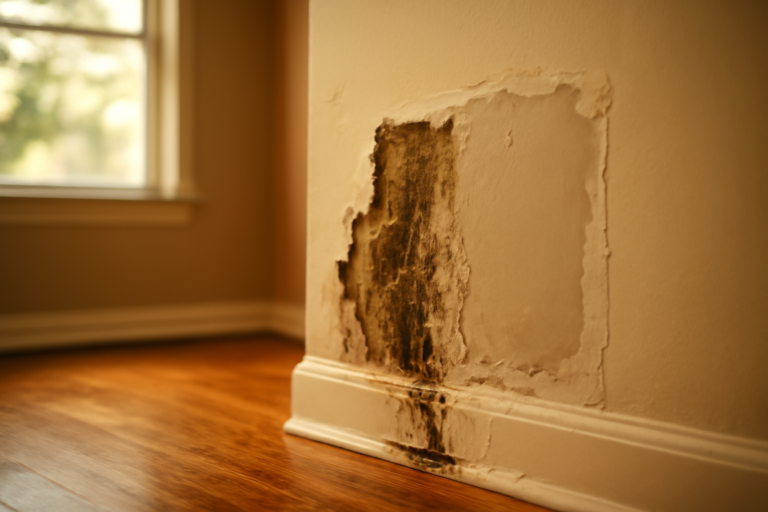
Look for water stains on ceilings or walls, especially near the attic or roofline. Discoloration, damp spots, or fuzzy mold growth are clear indicators that moisture is getting into your insulation and needs immediate attention. Investigating water stains is crucial.
Pest Infestations in the Attic
Rodents and insects often seek out attics for warmth and shelter. Damaged or sparse insulation provides an easy entry point and nesting material. If you suspect pests, it’s likely your insulation has been compromised. Securing your attic space is vital.
Ice Dams Forming on Your Roof
In colder months, if you see ice building up along the eaves of your roof, it could be a sign of poor attic insulation. Heat escaping from your home melts the snow on your roof, which then refreezes at the colder edges, creating dams that can cause water to back up under your shingles. Preventing ice dams protects your roof.
Insulation Replacement vs. DIY: When To Call a Professional
| Situation | DIY? | Call a Pro? | Why |
|---|---|---|---|
| Minor attic top-up (e.g., adding a few inches of fiberglass batts) | Yes | No | If you’re comfortable working in an attic and can safely handle materials. |
| Removing old, wet, or moldy insulation | No | Yes | Requires specialized equipment, protective gear, and knowledge to prevent health risks and contamination. |
| Installing spray foam insulation | No | Yes | Requires precise mixing, application, and ventilation to be effective and safe; improper installation can cause serious issues. |
| Identifying and sealing air leaks before insulating | Maybe | Yes | A professional has tools like infrared cameras to find hidden leaks and ensure a complete seal. |
| Replacing insulation in hard-to-reach areas (e.g., crawl spaces, tight attics) | No | Yes | Access can be difficult and dangerous; professionals have the right tools and experience to navigate these spaces safely. |
| Dealing with insulation contaminated by pests or sewage | Absolutely Not | Yes | These situations pose significant health hazards and require professional remediation and specialized disposal methods. |
While DIY can be an option for simple insulation top-ups, most insulation replacement scenarios benefit greatly from professional expertise. When your insulation is damaged, contaminated, or requires specialized materials like spray foam, bringing in our team ensures the job is done safely and effectively. Professional installation guarantees optimal performance and protects your home from further damage.
Insulation Replacement Cost In Waller, TX
The cost of insulation replacement in Waller, TX, can vary widely depending on the size of your home, the type of insulation removed, the new material you choose, and the complexity of the installation. These figures are general estimates to help you budget. Understanding potential costs is the first step.
| Service | Typical Price Range | What Affects Cost |
|---|---|---|
| Attic Insulation Removal | $500 – $2,000 | Amount of old insulation, type (e.g., fiberglass vs. cellulose), and accessibility. |
| Blown-In Cellulose Insulation (Attic) | $1,000 – $3,500 | Square footage of attic, desired R-value, and thickness of installation. |
| Fiberglass Batt Insulation (Walls/Attic) | $1,500 – $4,000 | Square footage of walls or attic, accessibility, and complexity of framing. |
| Spray Foam Insulation (Attic/Walls) | $2,000 – $7,000+ | Square footage, type of foam (open-cell vs. closed-cell), and thickness. This is often the most expensive option. |
| Crawl Space Insulation | $800 – $3,000 | Size of crawl space, type of insulation (batts, spray foam, or rigid foam), and any necessary vapor barrier installation. |
| Mold Remediation related to insulation damage | $500 – $2,500+ | Severity of mold growth and the area affected, requiring specialized treatments. |
These prices are estimates for services in the Waller, TX area. For an accurate quote tailored to your specific situation, we offer free, no-obligation on-site assessments. Getting a precise estimate is easy.
Service Areas Near Waller, TX
We proudly serve homeowners throughout the area, including but not limited to: Cypress, Tomball, Magnolia, Hockley, Hempstead, Brookshire, Pattison, Cat Spring, Fulshear, Katy, Sugar Land, Richmond, Rosenberg, Spring, The Woodlands, Conroe, Montgomery, Cleveland, New Caney, and Baytown.
Common Questions About Insulation Replacement
What is the average lifespan of home insulation?
The lifespan of insulation can vary depending on the type and quality of installation, but most types last between 20 to 80 years. However, insulation can degrade faster if it becomes wet, compressed, or contaminated by pests. When you notice a drop in performance or signs of damage, it’s time to consider replacement, even if it hasn’t reached its theoretical end of life. Our team can help assess if your existing insulation needs replacing.
How long does a typical insulation replacement job take?
The timeline for insulation replacement depends heavily on the size of your property, the type of insulation being installed, and the accessibility of the areas. A simple attic top-up might take a day, while a full home insulation replacement, including wall cavities, could take several days to a week. We’ll provide a more precise estimate after our initial inspection. We work efficiently to minimize disruption.
Is old insulation a health hazard?
Old insulation itself might not be a direct hazard, but it can harbor problems that are. If your insulation is damaged, it can trap moisture, leading to mold and mildew growth, which can trigger allergies and respiratory issues. It can also become a home for dust mites and other allergens. Protecting your family’s health is paramount, and replacing compromised insulation helps create a healthier indoor environment.
What’s the difference between blown-in and batt insulation?
Batt insulation comes in pre-cut rolls or sections, typically made of fiberglass or mineral wool, designed to fit between studs and joists. Blown-in insulation, often cellulose or fiberglass, is blown into place using special equipment, making it ideal for filling irregular spaces and attics with excellent coverage. Blown-in can often achieve a higher R-value in attics due to its density and ability to fill gaps.
How can I prevent insulation damage in the future?
Regularly inspect your attic and crawl spaces for any signs of moisture or leaks, especially after heavy rain. Ensure proper ventilation in your attic to prevent heat and moisture buildup. Seal any visible air leaks around pipes, vents, and electrical outlets. For homes in our area, maintaining your roof and gutters is also crucial for preventing water intrusion that could damage insulation.
Check Our Other Relevant Services
Serving Waller, TX And Nearby Areas