Trusted by 150+ Homeowners
Lead Paint Removal in Galveston, TX
- Over 152 5-Star Reviews
- Free Estimates and Quotes
- 100% Satisfaction Guaranteed
- Child, Family & Pet Safe Steps
- 24-Hour Emergency Service
- Fully Licensed & Insured

Protect Your Galveston Home From Lead Paint Hazards
Here on the coast, we know how that salty air and humidity can really do a number on older homes. It’s especially true for the paint. When you have a house built before 1978, there’s a good chance it contains lead-based paint. That old paint can start to chip and peel, especially with our coastal weather. This creates a serious risk for your family’s health. We’re here to help you deal with it safely.
Homeowners around here trust us because we understand the unique challenges of living in older homes in our area. With over 165 five-star reviews, it’s clear our neighbors value our careful approach to lead paint removal. We focus on making sure your home is safe for everyone, especially your kids. Your family’s health is our top priority.
- We use specialized containment methods to prevent lead dust from spreading throughout your home during removal, protecting your living spaces.
- Our trained technicians are certified to handle lead paint safely, ensuring the job is done right and meets all environmental standards.
- We provide detailed cleanup and disposal services, so you don’t have to worry about the hazardous waste aspect of lead paint removal.
How We Tackle Lead Paint Removal Safely
Dealing with lead paint isn’t like a regular painting job; it requires a very specific, careful process. Cutting corners here can lead to serious health problems and costly future remediation. Our team follows strict protocols to ensure every trace of lead is removed and contained properly. We believe in educating you, our neighbor, on why each step is critical for your safety and your property’s integrity. You can count on our diligent work.
Step 1: Initial Assessment and Containment Setup
Before we touch any paint, we’ll do a thorough inspection of the affected areas. Then, we set up containment barriers. This usually involves plastic sheeting and negative air machines. This is crucial for preventing lead dust from contaminating other parts of your home. We aim for maximum protection.
Step 2: Wetting and Scraping/Sanding
To minimize airborne dust, we wet the lead paint before scraping or sanding. This helps the paint particles clump together. Our crews use specialized tools designed to capture dust as it’s generated. This step is all about controlling the dust.
Step 3: Encapsulation or Removal
Depending on the situation, we might encapsulate the lead paint with a special sealant or completely remove it. Encapsulation is a good option if the paint is in decent condition and can be covered. If it’s heavily damaged, removal is usually the best course. We’ll explain your best options.
Step 4: Thorough Cleaning and Decontamination
After the bulk of the paint is gone, we perform a multi-stage cleaning. This includes HEPA vacuuming and wet wiping all surfaces within the containment area. We want to ensure absolutely no lead dust remains. This is a critical cleanup phase.
Step 5: Final Inspection and Waste Disposal
Once cleaning is complete, we conduct a final inspection to confirm the area is lead-free. All lead-contaminated waste is carefully bagged and disposed of according to strict federal and local regulations. We handle the proper disposal so you don’t have to.
Don’t let old lead paint put your family at risk. Taking action now means a healthier home for years to come. Call us today for a leading lead paint removal service.
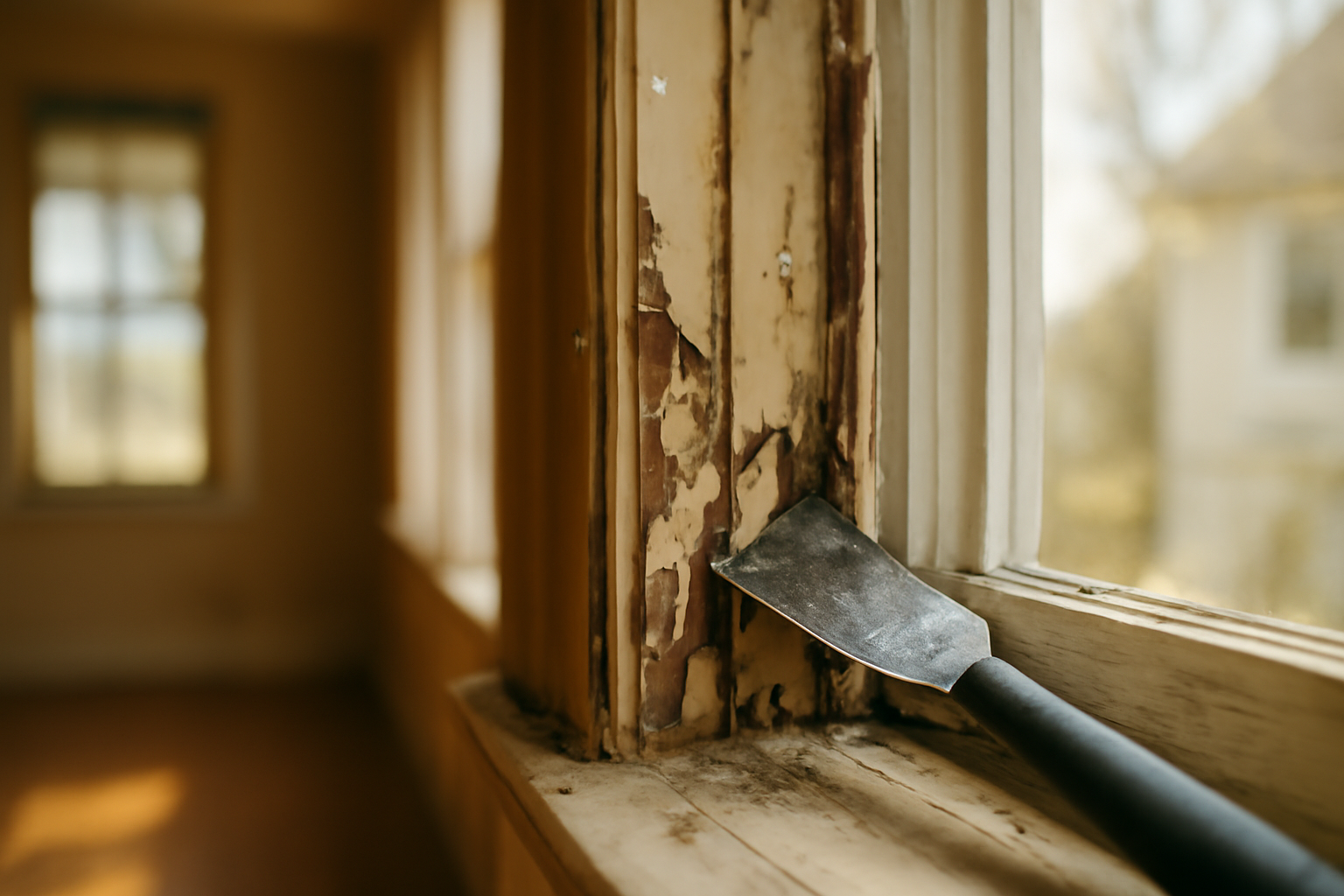
Warning Signs You Need Lead Paint Removal
Catching lead paint issues early can save you a lot of trouble and expense. It’s important to know what to look for, especially in older homes. Ignoring these signs could mean higher health risks and more extensive repair work down the line. Keep an eye out for these common indicators. Your vigilance is key to prevention.
Chipping, Peeling, or Deteriorating Paint
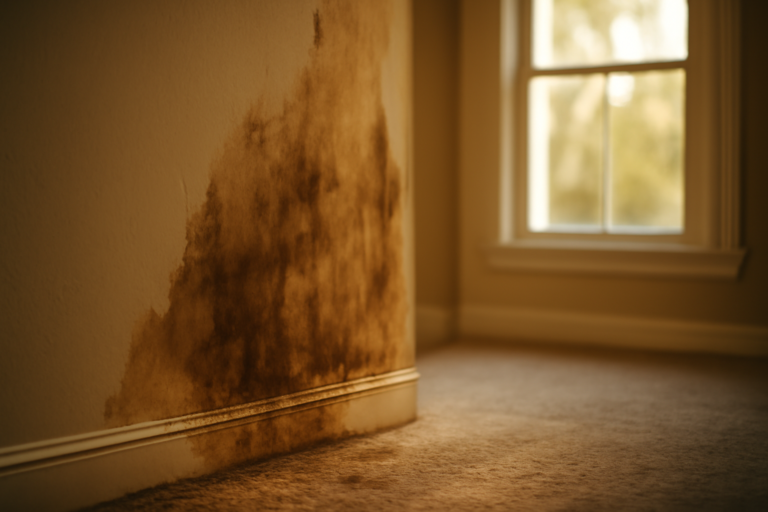
This is the most obvious sign. If you see paint flaking off walls, windowsills, or door frames, especially in areas with high traffic or moisture, it’s a major red flag. This creates readily accessible lead dust. Inspect all painted surfaces.
Friction Dust on Windowsills and Floors
When painted windows or doors are opened and closed repeatedly, they can create a fine dust. If you notice a chalky residue on your windowsills, floors, or even furniture, it could be lead dust. This is a direct exposure risk.
Children Chewing on Painted Surfaces
Young children are particularly vulnerable because they tend to put their hands and objects in their mouths. If you notice your child chewing on window sills, crib rails, or painted toys, it’s an immediate concern. Protect your children.
Suspected Lead Paint in Homes Built Before 1978
If your house was built before 1978, it’s highly probable that lead-based paint was used. Even if you don’t see obvious signs of damage, it’s wise to consider testing or professional evaluation. It’s about proactive home care.
Water Damage or Moisture Issues
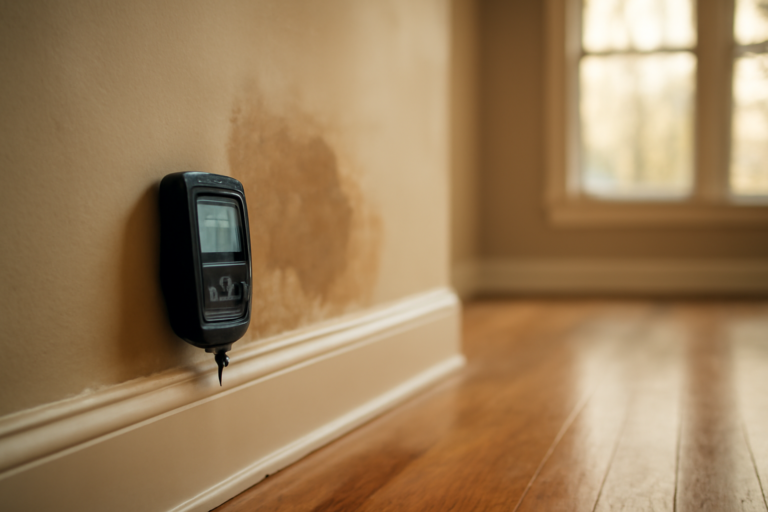
Areas prone to moisture, like bathrooms or kitchens, can accelerate paint deterioration. If you’ve had water leaks or high humidity, check the painted surfaces in those areas closely. This can worsen paint breakdown.
Lead Paint Removal vs. DIY: When To Call a Professional
| Situation | DIY? | Call a Pro? | Why |
|---|---|---|---|
| Small area of minor chipping on an interior wall, out of reach of children. | Yes, with extreme caution and proper PPE. | Yes, for certainty. | DIY is risky due to unseen dust. |
| Peeling paint on exterior surfaces, especially near playgrounds or garden areas. | No. | Yes. | Exterior lead dust contaminates the environment. |
| Dust found on windowsills or floors in a child’s bedroom. | Absolutely not. | Yes, immediately. | Direct exposure risk to young children is severe. |
| Large-scale deterioration or water damage affecting multiple rooms. | No. | Yes. | Requires specialized containment and disposal procedures. |
| Renovating or remodeling a home built before 1978. | No. | Yes. | Disturbing lead paint requires professional handling to avoid contamination. |
| Just want to repaint over existing paint. | Yes, but only after testing. | Yes, for testing. | Painting over lead paint without proper prep can seal in a hazard. |
While minor touch-ups might seem like a DIY project, the risks associated with lead paint are significant. For anything more than a tiny, inaccessible spot, it’s always safer and more effective to call professionals. We ensure the job is done right, protecting your health and your home’s value. It’s about informed decision-making.
Lead Paint Removal Cost In Galveston, TX
The cost of lead paint removal in Galveston, TX can vary quite a bit. Factors like the amount of lead paint needing removal, the size of the affected area, and how accessible it is all play a role. These prices are general estimates. We’ll give you a precise quote after seeing your property. We’re committed to transparent pricing.
| Service Aspect | Typical Price Range | What Affects Cost |
|---|---|---|
| Lead Paint Inspection/Testing | $300 – $800 | Size of property, number of samples taken. |
| Small Area Containment & Removal (e.g., one room) | $1,000 – $3,500 | Severity of paint damage, accessibility. |
| Whole House Containment & Removal | $8,000 – $25,000+ | Square footage, number of stories, condition of paint. |
| Exterior Lead Paint Removal (partial) | $2,000 – $7,000 | Surface area, height of work, type of siding. |
| Lead Paint Encapsulation | $500 – $2,000 per room | Area size, type of encapsulant used. |
| Lead Dust Decontamination | $500 – $2,500 | Extent of contamination, size of area. |
These figures give you an idea, but a personalized assessment is crucial. We offer free estimates to provide an accurate cost for your specific lead paint removal needs. Let us help you get a clear picture.
Service Areas Near Galveston, TX
Alvin, Angleton, Bay City, Brazoria, Clear Lake City, Conroe, کورpus کرستی, Friendswood, Houston, Jamaica Beach, Kemah, La Marque, League City, Lake Jackson, Pearland, Port Bolivar, Rosenberg, Santa Fe, Texas City, Webster
Common Questions About Lead Paint Removal
Is lead paint removal expensive?
The cost can seem high, but it’s an investment in your family’s health and your home’s safety. Prices vary based on the extent of the problem, but we offer detailed estimates. We work diligently to make the process as efficient as possible, which can help manage costs. Getting a professional assessment is the first step to understanding the exact investment.
How long does lead paint removal take?
The timeline really depends on the size of the affected area and the condition of the paint. A single room might take a few days, while an entire house could take several weeks. Our team prioritizes safety and thoroughness over speed, ensuring complete remediation. We’ll give you a projected timeline during your estimate.
What are the health risks of lead paint?
Lead exposure, especially for children, can cause serious developmental issues, learning disabilities, and behavioral problems. Adults can suffer from high blood pressure, joint pain, and other health concerns. It’s a significant health hazard that shouldn’t be ignored. That’s why proper removal by trained professionals is so important.
What equipment do you use for lead paint removal?
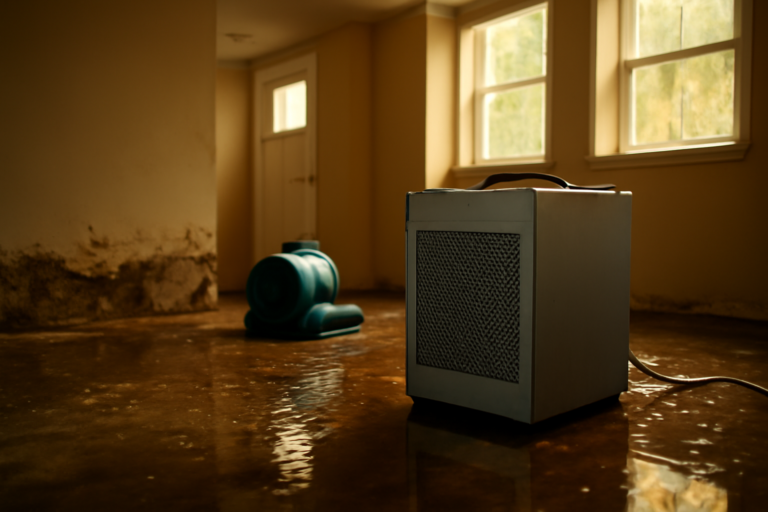
We use specialized equipment designed for lead abatement. This includes HEPA vacuums for dust-free cleaning, negative air machines to control airborne particles, and specialized containment sheeting. Our tools are chosen to ensure maximum safety and efficiency during the entire process. We follow all EPA guidelines.
Can I just paint over lead paint?
While you can paint over lead paint, it’s generally not recommended as a permanent solution. The lead paint is still there and can eventually chip or peel, exposing the hazard again. For long-term safety, especially if the paint is deteriorating, professional removal or encapsulation is the best approach. It ensures a truly safe surface.
Check Our Other Relevant Services

Gary Gwin: Damage Restoration Expert
With over 20 years of hands-on experience, Gary Gwin is a trusted authority in property recovery and disaster mitigation. As a licensed specialist, Gary has dedicated his career to restoring safety and peace of mind for homeowners facing environmental crises.
𝗖𝗲𝗿𝘁𝗶𝗳𝗶𝗰𝗮𝘁𝗶𝗼𝗻𝘀: Gary holds multiple advanced IICRC certifications, including Water Damage Restoration (WRT), Applied Microbial Remediation (Mold), Applied Structural Drying (ASD), Odor Control, and Fire and Smoke Restoration. His deep technical knowledge ensures every project meets the highest industry standards for health and safety.
𝗕𝗲𝘀𝘁 𝗣𝗮𝗿𝘁 𝗼𝗳 𝘁𝗵𝗲 𝗝𝗼𝗯: Gary finds the most fulfillment in guiding families through the recovery process, transforming a chaotic property loss into a restored, habitable home.
𝗙𝗮𝘃𝗼𝗿𝗶𝘁𝗲 𝗣𝗮𝘀𝘁𝗶𝗺𝗲: When off the clock, Gary enjoys exploring local hiking trails and woodworking.