Trusted by 150+ Homeowners
Mold Growth From Water Leaks Cleanup in Conroe, TX
- Over 152 5-Star Reviews
- Free Estimates and Quotes
- 100% Satisfaction Guaranteed
- Child, Family & Pet Safe Steps
- 24-Hour Emergency Service
- Fully Licensed & Insured
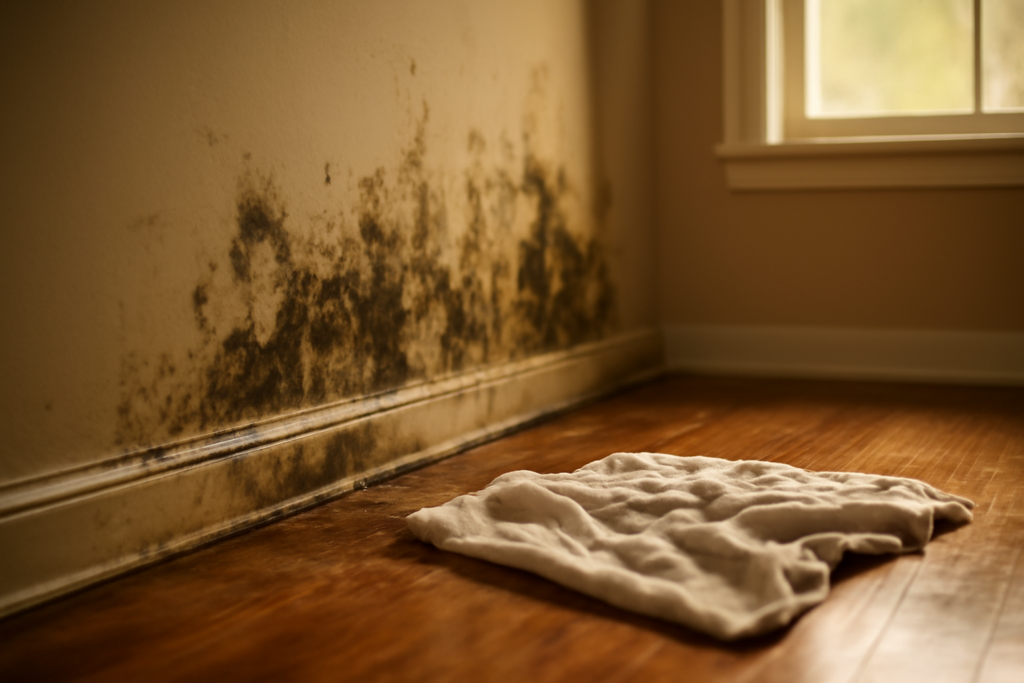
Battling Mold After a Leak in Conroe, TX? We Can Help.
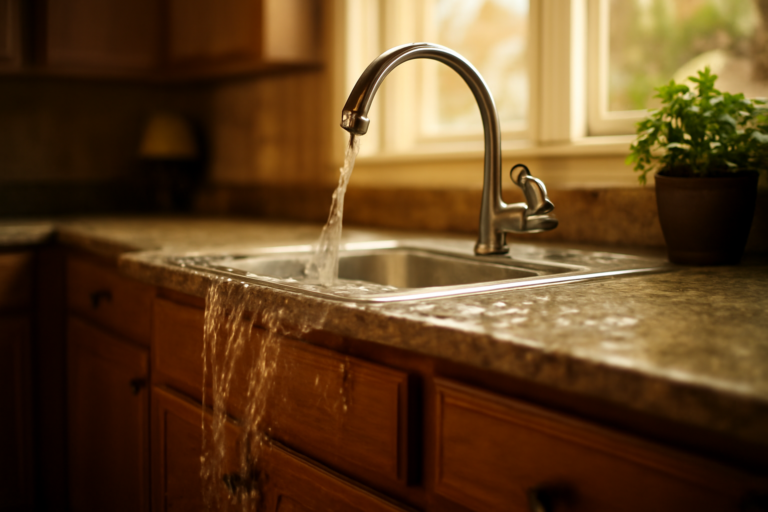
Here in Conroe, TX, we know that our humid climate, especially after those sudden downpours or persistent drizzles, can create the perfect breeding ground for mold. When a pipe bursts, a roof leaks, or even condensation builds up behind walls, that moisture doesn’t just go away on its own. It lingers, feeding invisible mold spores that can quickly turn a minor inconvenience into a serious problem for your home. If you’re noticing that tell-tale musty smell or seeing discoloration on your walls, it’s time to address the mold growth from water leaks before it gets worse. Don’t ignore dampness, and know that swift action prevents spread.
We’ve helped over 165 families right here in your neighborhood deal with the aftermath of water leaks and the mold that follows. They choose us because we understand what it takes to tackle this specific issue effectively and locally. You’re not just getting a cleanup service; you’re getting neighbors who are dedicated to restoring your home’s safety and health. We focus on getting to the root of the problem so you can feel confident again in your living space. Trust our experienced crews to get it right.
- We don’t just clean the visible mold; we identify and remediate the moisture source to prevent future outbreaks.
- Our technicians use specialized equipment to detect hidden moisture and mold, ensuring no area is overlooked.
- We prioritize your family’s health by using safe, effective mold removal techniques that meet industry standards.
How We Tackle Mold Growth From Water Leaks
Dealing with mold after a water leak can feel overwhelming, but our team has a clear, step-by-step process designed for efficiency and thoroughness. It’s not just about wiping away surface mold. We focus on the entire picture: finding the water’s origin, drying everything out completely, and then safely removing any mold that has taken hold. Cutting corners here means the mold will likely return, so we take every step seriously. Proper containment is crucial, and thorough drying saves your home.
1. Initial Inspection and Assessment
The first thing we do is a detailed inspection of the affected area. We’ll look for the source of the water leak, assess the extent of the mold growth, and identify any hidden moisture using advanced tools. This step helps us understand the full scope of the problem, which is vital for creating an effective plan. We aim to complete this initial assessment within a few hours of arrival. Detailed moisture mapping is key here, and accurate damage assessment guides our next steps.
2. Water Extraction and Drying
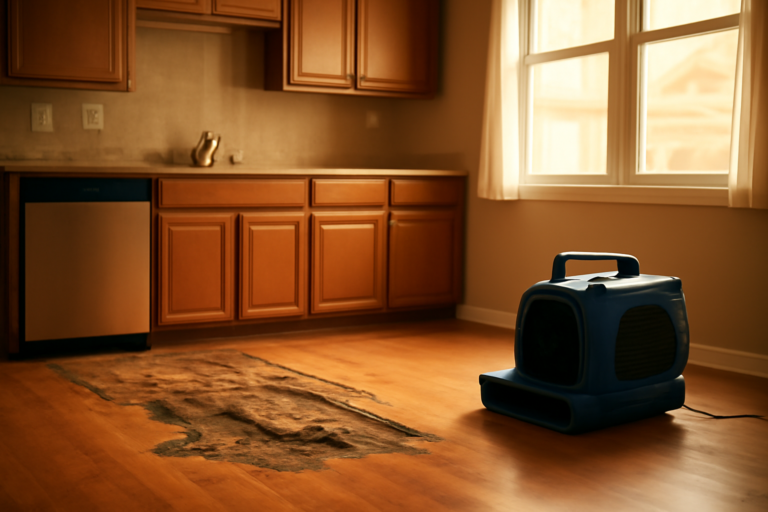
If there’s still standing water, our first priority is to remove it using powerful extraction equipment. Following that, we set up specialized drying systems, like high-speed air movers and dehumidifiers, to pull moisture out of building materials. This process can take anywhere from a few days to over a week, depending on how saturated your home became. Aggressive drying protocols are essential, and preventing secondary damage is our goal.
3. Containment of Moldy Areas
Before we start any mold removal, we’ll set up containment barriers. This usually involves using plastic sheeting and negative air pressure machines to isolate the affected area from the rest of your home. This prevents mold spores from spreading while we work. It’s a critical step for your family’s health and safety. Airborne spore control is paramount, and securing the work zone protects your living spaces.
4. Mold Removal and Cleaning
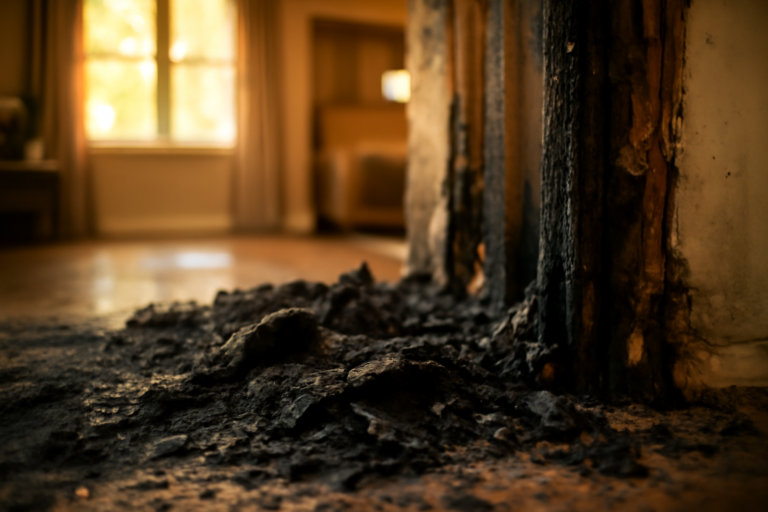
Once containment is in place, our trained technicians will carefully remove mold-infested materials. This might include drywall, insulation, or flooring. We then thoroughly clean and sanitize all affected surfaces using EPA-approved cleaning agents. We don’t just clean; we ensure the area is safe and healthy again. Safe mold remediation is our standard, and disinfecting surfaces thoroughly is non-negotiable.
5. Final Inspection and Verification
After the mold is gone and the area is clean, we conduct a final inspection. We’ll ensure all moisture is gone and verify that the mold has been completely removed. We might use specialized equipment to confirm the air quality is back to normal. Your satisfaction is our priority, and we want you to feel completely comfortable in your home. Confirming a dry environment is vital, and ensuring a healthy outcome is our promise.
Don’t let mold from a water leak compromise your home’s integrity. Contact us immediately for prompt and effective mold cleanup. Protect your family’s health by addressing the problem head-on.

Warning Signs You Need Mold Growth From Water Leaks Cleanup
Catching mold early is always better than dealing with a widespread problem. The sooner you spot these signs after a leak, the less extensive and costly the cleanup will be. Ignoring them can lead to more significant structural damage and potential health issues for your household. Early detection saves money, and prompt intervention prevents growth.
Musty Odors That Won’t Go Away
If you notice a persistent damp, earthy, or musty smell, especially in areas that have experienced water damage, it’s a strong indicator of mold growth. This smell often lingers even after the visible wetness is gone. Persistent musty smells are a red flag, and investigating odors is important.
Visible Mold Growth
Mold can appear in various colors, including black, green, white, or gray. It often looks fuzzy or slimy. Check walls, ceilings, around windows, and in damp areas like bathrooms or basements. Visible mold patches require immediate attention, and documenting growth locations helps.
Discolored Walls or Ceilings
Water stains on your walls or ceiling are a clear sign of moisture intrusion. If these stains don’t dry out completely or start to show fuzzy or discolored patches, mold is likely present. Water stains indicate leaks, and discoloration suggests mold.
Peeling or Bubbling Paint/Wallpaper
Moisture trapped behind paint or wallpaper can cause it to peel, blister, or bubble away from the surface. This is often a sign that mold is growing underneath. Damaged finishes signal moisture, and checking for peeling coatings is wise.
Increased Allergy Symptoms
If you or your family members are experiencing unexplained allergy symptoms like sneezing, itchy eyes, coughing, or skin rashes, and these symptoms improve when you leave the house, mold could be the culprit. Unexplained health issues can be linked to mold, and consulting a professional is advised.
Warped Flooring or Subflooring
Water that seeps into your flooring can cause it to warp, buckle, or become soft. This damage is not only unsightly but also creates an environment where mold can thrive unseen beneath the surface. Warped floors need inspection, and soft subflooring is a concern.
Mold Growth From Water Leaks Cleanup vs. DIY: When To Call a Professional
| Situation | DIY? | Call a Pro? | Why |
|---|---|---|---|
| Small, isolated patch of mold (less than 1 square foot) on a non-porous surface, clearly from a recent, resolved leak. | Yes, with caution. | Maybe. | For very minor cases, careful cleaning is possible, but professionals ensure full moisture removal. |
| Mold growth covering a large area (more than 10 square feet) after a significant leak. | No. | Yes. | Extensive mold requires specialized containment and removal techniques to prevent spore spread. |
| Mold is found inside walls, in HVAC systems, or on porous materials like drywall or insulation. | No. | Yes. | These materials absorb moisture and mold, requiring professional assessment and often removal/replacement. |
| Suspected hidden mold due to persistent musty odors but no visible signs. | No. | Yes. | Advanced tools are needed to detect and locate hidden moisture and mold growth. |
| You or household members have severe allergies, asthma, or compromised immune systems. | No. | Yes. | Health risks are significantly higher, necessitating expert handling to ensure a safe environment. |
| The water leak was caused by sewage backup or contaminated water. | Absolutely not. | Yes. | This involves biohazards and requires specialized procedures and protective gear. |
For anything beyond a very small, surface-level mold issue on a non-porous material, calling a professional is the safest and most effective route. DIY is limited to tiny spots, while professional remediation ensures thoroughness. Professionals have the equipment, knowledge, and safety protocols to handle mold effectively.
Mold Growth From Water Leaks Cleanup Cost In Conroe, TX
The cost for mold growth from water leaks cleanup in Conroe, TX, can vary quite a bit. Factors like the size of the affected area, the type of materials contaminated, and the complexity of the water intrusion all play a role. These prices are general estimates and a full on-site assessment is always needed for an accurate quote. Understanding cost factors is helpful, and getting a free estimate is the best first step.
| Service Aspect | Typical Price Range | What Affects Cost |
|---|---|---|
| Mold Inspection and Assessment | $300 – $750 | Complexity of the leak, need for specialized testing equipment. |
| Water Extraction and Drying | $750 – $3,000+ | Volume of water, size of affected rooms, duration of drying needed. |
| Containment Setup | $200 – $600 | Size of the area to be contained, need for negative air machines. |
| Mold Removal and Cleaning (per square foot) | $10 – $25 | Severity of mold growth, type of materials affected (e.g., drywall vs. wood). |
| Material Removal and Replacement | Varies greatly | Type and amount of material needing demolition and replacement (e.g., drywall, insulation, flooring). |
| Final Testing and Verification | $200 – $500 | Need for air quality testing or specific mold sampling. |
Remember, these are just estimates. An on-site evaluation by our team will provide you with a precise breakdown of costs for your specific situation. We offer free, no-obligation estimates for mold cleanup. Fair pricing for quality work is what we strive for.
Service Areas Near Conroe, TX
Montgomery, Willis, New Caney, Porter, Cleveland, Splendora, Humble, Kingwood, Spring, Tomball, Magnolia, The Woodlands, Oak Ridge North, Shenandoah, Panorama Village, Cut and Shoot, Woodloch, Roman Forest, Porter Heights, Fostoria.
Common Questions About Mold Growth From Water Leaks Cleanup
What is the fastest way to get rid of mold after a water leak?
The fastest way to address mold after a water leak is to contact a professional remediation team immediately. We can quickly extract water, dry out the affected areas with specialized equipment, and contain and remove the mold safely. Trying to rush the drying process yourself often leads to mold returning because hidden moisture remains. Prompt professional response is key to a fast and effective cleanup.
How long does mold remediation from a water leak typically take?
The timeline for mold remediation can vary significantly depending on the severity of the water damage and the extent of the mold growth. Simple drying and cleaning might take a few days, but if materials need to be removed or extensive drying is required, it could take one to two weeks or even longer. We work efficiently to minimize disruption to your home. Realistic timelines are important, and thoroughness ensures lasting results.
Is mold from water leaks dangerous to my health?
Yes, mold growth from water leaks can pose health risks. Exposure to mold spores can trigger allergic reactions, asthma attacks, and other respiratory problems, especially for sensitive individuals. The longer mold is left untreated, the higher the risk. We take health and safety very seriously during our cleanup process. Protecting your family’s health is our top priority, and minimizing spore exposure is critical.
What kind of equipment do you use to clean up mold from water leaks?
Our team uses a range of professional-grade equipment, including industrial air movers and dehumidifiers for rapid drying, HEPA air scrubbers to filter mold spores from the air, and specialized containment barriers to prevent cross-contamination. We also use moisture meters to detect hidden dampness and appropriate cleaning solutions for effective mold removal. Advanced drying technology is essential, and containment prevents spread.
How can I prevent mold from growing after a minor water leak in my home?
After a minor leak, the most important step is to dry the affected area completely and quickly. Use fans and dehumidifiers to ensure all materials are thoroughly dry, usually within 24-48 hours. Clean any visible residue with a mild detergent and water. If you’re unsure or the area is large, it’s always best to get a professional assessment to ensure no hidden moisture or mold remains. Quick drying prevents mold, and professional assessment offers certainty.
Check Our Other Relevant Services

Gary Gwin: Damage Restoration Expert
With over 20 years of hands-on experience, Gary Gwin is a trusted authority in property recovery and disaster mitigation. As a licensed specialist, Gary has dedicated his career to restoring safety and peace of mind for homeowners facing environmental crises.
𝗖𝗲𝗿𝘁𝗶𝗳𝗶𝗰𝗮𝘁𝗶𝗼𝗻𝘀: Gary holds multiple advanced IICRC certifications, including Water Damage Restoration (WRT), Applied Microbial Remediation (Mold), Applied Structural Drying (ASD), Odor Control, and Fire and Smoke Restoration. His deep technical knowledge ensures every project meets the highest industry standards for health and safety.
𝗕𝗲𝘀𝘁 𝗣𝗮𝗿𝘁 𝗼𝗳 𝘁𝗵𝗲 𝗝𝗼𝗯: Gary finds the most fulfillment in guiding families through the recovery process, transforming a chaotic property loss into a restored, habitable home.
𝗙𝗮𝘃𝗼𝗿𝗶𝘁𝗲 𝗣𝗮𝘀𝘁𝗶𝗺𝗲: When off the clock, Gary enjoys exploring local hiking trails and woodworking.