Trusted by 150+ Homeowners
Mold Growth From Water Leaks Cleanup in Iowa Colony, TX
- Over 152 5-Star Reviews
- Free Estimates and Quotes
- 100% Satisfaction Guaranteed
- Child, Family & Pet Safe Steps
- 24-Hour Emergency Service
- Fully Licensed & Insured
Don’t Let a Water Leak Turn into a Mold Nightmare in Iowa Colony, TX
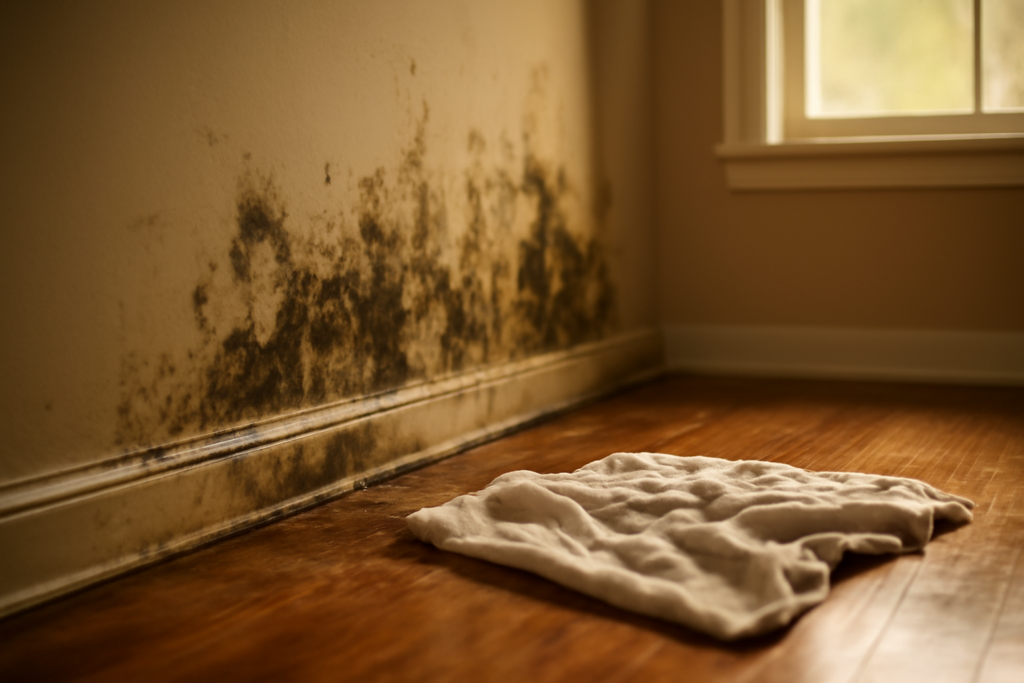
It’s easy to overlook that small drip under your sink or the slow leak behind your washing machine. You might think it’s just a minor inconvenience, but even a small amount of water can create the perfect environment for mold to start growing within 24 to 48 hours. This is especially true in humid Texas weather. Ignoring it can lead to serious structural damage and pose significant health risks to your family. That’s why addressing mold growth from water leaks immediately is so critical for your home in Iowa Colony, TX.
Homeowners around here trust our team because we understand the urgency of these situations. We’ve helped over 165+ clients in your neighborhood achieve a mold-free home, and they’ve shared their positive experiences. You can count on us to respond quickly and handle your water leak mold problem with the care it deserves. We’re dedicated to getting your property back to normal, safely and efficiently.
- We stop mold growth at its source by meticulously drying out affected areas, preventing further spread.
- Our specialized equipment targets microscopic mold spores, ensuring a healthier living environment for your family.
- We provide clear documentation of the mold remediation process, which can be invaluable for insurance claims or future peace of mind.
How We Tackle Mold Growth From Water Leaks
When you discover mold stemming from a water leak, speed is absolutely essential. The longer water sits, the more mold can spread, making the cleanup process more complex and costly. Our crews follow a proven, methodical process to ensure we remove all traces of the mold and prevent it from returning. We don’t cut corners; we focus on thoroughness to protect your home and your health. You’ll see exactly what we’re doing and why.
Step 1: Initial Assessment and Containment
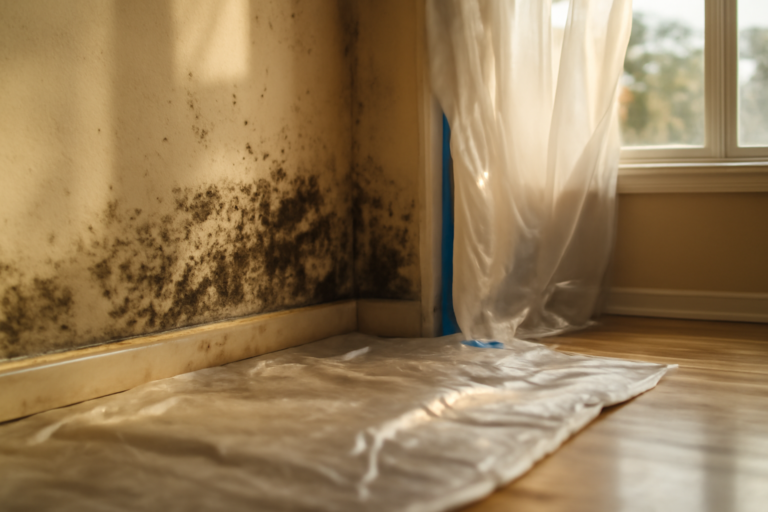
Our first priority is to assess the extent of the mold growth and the source of the water leak. We’ll use moisture meters and visual inspections to pinpoint all affected areas. Then, we set up containment barriers using plastic sheeting and negative air pressure machines. This crucial step prevents mold spores from spreading to unaffected parts of your home during the cleanup. This phase typically takes a few hours, depending on the size of the affected area.
Step 2: Water Extraction and Drying
Before we can tackle the mold itself, we need to remove the standing water and thoroughly dry the affected materials. We use powerful water extraction equipment, including truck-mounted units and industrial-grade dehumidifiers. Air movers are strategically placed to accelerate the drying process. This might take anywhere from 24 to 72 hours, depending on the amount of water and the type of building materials involved. We’ll monitor the moisture levels closely.
Step 3: Mold Removal and Cleaning
Once everything is dry, our trained technicians carefully remove the mold-damaged materials. This might include drywall, insulation, or carpeting. We use specialized cleaning agents and HEPA-filtered vacuums to clean all surfaces, ensuring no mold spores are left behind. For non-porous materials, we clean and sanitize them thoroughly. This is a detailed process that requires precision and the right tools for effective mold remediation.
Step 4: Air Filtration and Purification
Even after visible mold is gone, microscopic spores can still be present in the air. We use industrial-grade air scrubbers with HEPA filters to capture these airborne particles. This step is vital for ensuring the air quality in your home is safe and healthy. We’ll run these units until air samples confirm that spore counts have returned to normal levels. This purification process is key to long-term success.
Step 5: Final Inspection and Verification
Before we consider the job complete, we conduct a thorough final inspection. We’ll walk through the affected areas with you to ensure you’re satisfied with the results. We also verify that all moisture has been eliminated and that the environment is safe. Our goal is to provide you with a clean, healthy home, free from mold. We’re committed to restoring your home’s safety.
Don’t wait for mold to take hold. If you suspect a water leak has caused mold growth, contact us immediately. We’re ready to help you protect your home and family from this hidden threat.

Warning Signs You Need Mold Growth From Water Leaks Cleanup
Catching mold early can save you a lot of headaches and expense. Water leaks often start small, but their effects can quickly become visible and impactful. Being aware of the signs means you can act fast and prevent a minor issue from turning into a major problem. Don’t ignore these common indicators that mold might be developing in your home.
Musty Odors That Won’t Go Away
One of the most common and often the first sign of mold is a persistent musty or earthy smell. This odor can be especially noticeable in damp areas like bathrooms, basements, or closets. If you smell something unpleasant that you can’t quite place, it’s a strong indicator that mold could be present, even if you can’t see it.
Visible Mold Growth
Mold can appear in various colors, including green, black, white, or even orange. You might see it on walls, ceilings, in grout, around windows, or on damp fabrics. Even small patches of fuzzy or slimy growth should be treated as a serious sign of a problem needing professional mold assessment.
Water Stains or Discoloration
Look for dark spots, rings, or wavy patterns on your walls, ceilings, or floors. These are often signs of past or present water intrusion. If you see these marks, it’s a good idea to investigate further for hidden moisture and potential mold development.
Peeling or Bubbling Paint and Wallpaper
Moisture trapped behind paint or wallpaper can cause it to blister, peel, or crack. This is a clear sign that the materials behind it are damp, creating an ideal breeding ground for mold. This damage often indicates a longer-term moisture issue.
Warped or Sagging Ceilings and Walls
When building materials absorb too much moisture, they can begin to warp, sag, or even crumble. This is a serious sign of water damage that likely involves mold growth within the structural components of your home. This requires immediate attention.
Increased Allergy Symptoms
If you or your family members are experiencing unexplained allergy symptoms like sneezing, itchy eyes, runny noses, or persistent coughing, especially when you’re at home, mold could be the culprit. Mold spores are common allergens that can significantly impact indoor air quality and your health.
Mold Growth From Water Leaks Cleanup vs. DIY: When To Call a Professional
| Situation | DIY? | Call a Pro? | Why |
|---|---|---|---|
| A small, visible patch of mold (less than 1 square foot) on a non-porous surface like tile. | Yes, with caution. | No. | Small, contained mold on hard surfaces can often be cleaned with household cleaners. |
| A musty smell in a room with no visible mold. | Possibly, if you can locate and fix the leak. | Yes. | Odors indicate hidden mold, which requires specialized detection and removal. |
| Mold growth on porous materials like drywall, insulation, or carpet. | No. | Yes. | Porous materials absorb mold and moisture, making DIY removal ineffective and potentially spreading spores. |
| Mold covering a large area (more than 10 square feet). | Absolutely not. | Yes. | Extensive mold requires professional containment, specialized equipment, and safety protocols. |
| Mold suspected after a significant water event (burst pipe, flooding). | No. | Yes. | Large-scale water damage leads to widespread mold, demanding professional drying and remediation. |
| Concerns about health effects or allergies related to mold. | No. | Yes. | Professionals can test air quality and ensure the environment is safe for sensitive individuals. |
While small mold spots on non-porous surfaces might be manageable with DIY efforts, anything involving porous materials, larger areas, or lingering odors warrants professional attention. Our team has the training and equipment to handle these complex situations safely and effectively, ensuring your home is truly mold-free.
Mold Growth From Water Leaks Cleanup Cost In Iowa Colony, TX
The cost for mold growth from water leaks cleanup in Iowa Colony, TX, can vary widely. Factors like the size of the mold infestation, the type of materials affected, and the complexity of the water leak all play a role. These price ranges are estimates to give you a general idea of potential costs.
| Service | Typical Price Range | What Affects Cost |
|---|---|---|
| Mold Inspection and Assessment | $300 – $1,000 | Size of the affected area and the need for specialized testing. |
| Containment Setup | $500 – $1,500 | Complexity of the area needing isolation and the size of the affected space. |
| Water Extraction and Drying | $700 – $3,000+ | Amount of water present and the time required to dry materials. |
| Mold Removal (Porous Materials) | $1,000 – $5,000+ | The extent of contamination and the amount of material needing removal. |
| Cleaning and Sanitization | $500 – $2,000+ | The number of rooms and surfaces requiring detailed cleaning. |
| Air Filtration and Clearance Testing | $500 – $1,500 | Duration the air scrubbers need to run and the number of samples taken. |
The best way to get an accurate estimate for your specific situation is to have our team perform an on-site assessment. We offer free estimates to help you understand the scope of work and the associated costs involved in restoring your home’s health.
Service Areas Near Iowa Colony, TX
Alvin, Angleton, Arcola, Baytown, Bellaire, Brazoria, Brookside Village, Clute, Corpus Christi, Deer Park, Dickinson, Friendswood, Galena Park, Galveston, Houston, Humble, Jacinto City, Katy, La Marque, La Porte, League City, Lufkin, Manvel, Missouri City, Mont Belvieu, Nassau Bay, Pearland, Pasadena, Port Arthur, Port Bolivar, Port Lavaca, Richmond, Rosenberg, Santa Fe, Seabrook, South Houston, Sugar Land, Texas City, The Woodlands, Webster, West University Place,
Common Questions About Mold Growth From Water Leaks Cleanup
What is the first thing I should do if I find mold from a water leak?
The very first thing you should do is try to stop the water source if it’s safe to do so. Then, if the mold is a small, contained area on a non-porous surface, you might be able to clean it yourself with appropriate cleaners. However, for most situations involving leaks, especially if the mold is spreading or on porous materials, it’s best to call a professional mold remediation team immediately. We can assess the situation, stop further damage, and ensure it’s removed correctly.
How much does mold cleanup from a water leak typically cost?
The cost for mold cleanup following a water leak varies significantly based on the size of the affected area, the type of materials contaminated, and the complexity of the remediation process. You can expect costs to range from several hundred dollars for minor issues to several thousand dollars for larger infestations that require extensive drying and material removal. Our team provides free estimates after an on-site inspection to give you a precise cost for your specific situation.
How long does it take to get rid of mold from a water leak?
The timeline for mold remediation depends heavily on the extent of the mold growth and the amount of water damage. A small area might be addressed in a day or two, but larger projects involving extensive drying and material removal can take anywhere from three to ten days, sometimes longer. We work efficiently to restore your home safely and as quickly as possible, always prioritizing thoroughness.
Are there health risks associated with mold from water leaks?
Yes, there can be significant health risks. Mold spores can trigger allergic reactions, asthma attacks, and other respiratory problems, especially for children, the elderly, or individuals with weakened immune systems. Symptoms can include coughing, sneezing, itchy eyes, and skin irritation. It’s crucial to address mold growth promptly to protect your family’s health and improve indoor air quality.
What kind of equipment do you use for mold cleanup?
Our crews use specialized equipment designed for effective mold remediation. This includes industrial-grade dehumidifiers and air movers for thorough drying, HEPA-filtered vacuums and air scrubbers to capture microscopic mold spores, and containment systems to prevent cross-contamination. We also utilize moisture meters to ensure all materials are completely dry. This advanced equipment allows us to perform a complete mold removal.
Check Our Other Relevant Services

Gary Gwin: Damage Restoration Expert
With over 20 years of hands-on experience, Gary Gwin is a trusted authority in property recovery and disaster mitigation. As a licensed specialist, Gary has dedicated his career to restoring safety and peace of mind for homeowners facing environmental crises.
𝗖𝗲𝗿𝘁𝗶𝗳𝗶𝗰𝗮𝘁𝗶𝗼𝗻𝘀: Gary holds multiple advanced IICRC certifications, including Water Damage Restoration (WRT), Applied Microbial Remediation (Mold), Applied Structural Drying (ASD), Odor Control, and Fire and Smoke Restoration. His deep technical knowledge ensures every project meets the highest industry standards for health and safety.
𝗕𝗲𝘀𝘁 𝗣𝗮𝗿𝘁 𝗼𝗳 𝘁𝗵𝗲 𝗝𝗼𝗯: Gary finds the most fulfillment in guiding families through the recovery process, transforming a chaotic property loss into a restored, habitable home.
𝗙𝗮𝘃𝗼𝗿𝗶𝘁𝗲 𝗣𝗮𝘀𝘁𝗶𝗺𝗲: When off the clock, Gary enjoys exploring local hiking trails and woodworking.