Trusted by 150+ Homeowners
Mold Inspection & Testing in Cleveland, TX
- Over 152 5-Star Reviews
- Free Estimates and Quotes
- 100% Satisfaction Guaranteed
- Child, Family & Pet Safe Steps
- 24-Hour Emergency Service
- Fully Licensed & Insured
Is That Musty Smell More Than Just Old House Odors?
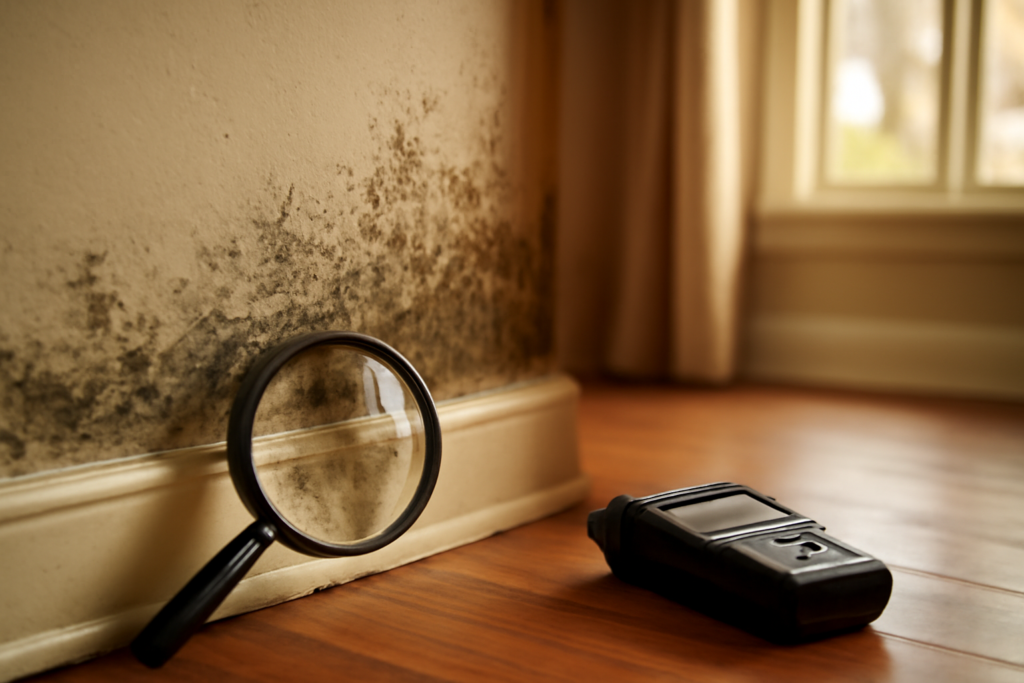
You walk into your living room, and there it is again. That faint, earthy smell. You might dismiss it at first, telling yourself it’s just the humidity or an old carpet. But it’s persistent, and maybe you’ve even spotted a small, dark spot on the wall behind the sofa. Don’t ignore these signs. That smell could be a warning that something’s growing in your home, and it needs immediate attention. We’re here to help you understand exactly what’s going on with your property and provide a clear path forward.
Locally, homeowners trust our team because we get to the bottom of things, fast. We’ve earned over 165 five-star reviews by treating every home like our own and bringing a keen eye to every inspection. You’re not just getting a service; you’re getting neighbors who care about your health and your home’s integrity. We’ve seen it all around here, and we know how to tackle it effectively.
- We use advanced equipment to pinpoint hidden moisture sources, not just what you can see.
- Our meticulous testing identifies the specific types of mold present, which is crucial for safe removal.
- We provide a detailed report so you understand the full scope of the issue and our recommended next steps.
How We Tackle Mold Inspection & Testing
When you suspect mold, you need a systematic approach. It’s not just about looking around; it’s about science and precision. Our process involves using specialized tools to measure humidity levels and detect water intrusion that might not be visible to the naked eye. Cutting corners here means missing the root cause, allowing mold to return and potentially cause more damage. We ensure every inch of your property is assessed thoroughly.
Initial Assessment and Containment
First, we’ll do a visual inspection of the visible areas you’ve noticed. We’ll also discuss any concerns you have about smells or potential water damage. If mold is suspected, we’ll immediately set up containment barriers using plastic sheeting and negative air pressure. This is vital to prevent mold spores from spreading to unaffected areas of your home. Preventing cross-contamination is our top priority from the moment we arrive.
Moisture Mapping and Detection
Next, we use tools like moisture meters and infrared cameras to find hidden water sources. These devices can detect moisture within walls, under floors, or in attics that aren’t obvious. Finding the source of the water is key to stopping mold growth permanently. We’re looking for elevated moisture content that indicates a problem.
Air and Surface Sampling
To understand what you’re dealing with, we collect air samples and surface samples. Air sampling measures the concentration of mold spores in the air inside your home compared to the outside air. Surface samples are collected from visible mold growth or suspected areas. These samples are sent to an independent, accredited laboratory for analysis. This gives us a clear picture of the specific mold species present and their concentrations.
Laboratory Analysis and Reporting
The lab results are critical. They tell us if there’s an elevated spore count and identify the types of mold, such as Stachybotrys (black mold) or Aspergillus. Once we have the lab report, we’ll compile a detailed assessment for you. This report outlines our findings, the extent of the contamination, and the recommended remediation plan. You’ll understand exactly what we found and why.
Developing a Remediation Plan
Based on the inspection and lab results, we’ll create a targeted plan to address the mold issue. This plan outlines the necessary steps for safe removal and proper drying. We focus on restoring your home to a healthy environment. Our goal is to provide you with a clear, actionable plan for restoring your home’s safety.
Don’t wait for mold to become a bigger problem. Call us today for a thorough inspection. We’re ready to help you take immediate action.

Warning Signs You Need Mold Inspection & Testing
Sometimes mold doesn’t announce itself with a visible patch. It hides, silently spreading and potentially impacting your health. Catching these early indicators can save you significant trouble and expense down the line. Trust your senses; they’re often the first alert system your home has.
Musty Odors That Won’t Go Away
This is often the first sign, especially in damp areas like bathrooms, basements, or kitchens. If you detect a persistent, musty, or earthy smell that doesn’t clear up with ventilation, it’s a strong indicator of mold growth. The smell comes from the volatile organic compounds mold releases. Investigate persistent odors immediately.
Visible Mold Growth
This is the most obvious sign. Mold can appear in various colors—black, green, white, or orange—and textures, from fuzzy to slimy. Check areas prone to moisture, like around windows, under sinks, behind appliances, or in attics and crawl spaces. Visible mold is a clear signal for professional testing.
Water Damage or Leaks
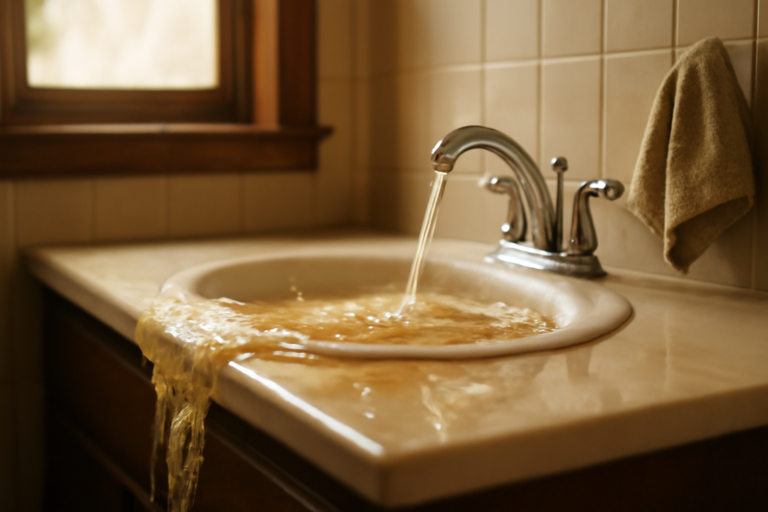
Any past or present water damage—from leaky pipes, roof leaks, flooding, or high humidity—creates an ideal environment for mold. Even if the water was cleaned up, residual moisture in building materials can support mold growth. We look for signs of past water intrusion during our inspection.
Peeling or Bubbling Paint/Wallpaper
When moisture gets behind paint or wallpaper, it can cause it to blister, peel, or crack. This is often a sign that moisture is trapped within the wall cavity. Mold loves to grow on the surface of drywall paper or the adhesive used for wallpaper. Damaged finishes can hide mold.
Warped or Stained Ceilings and Walls
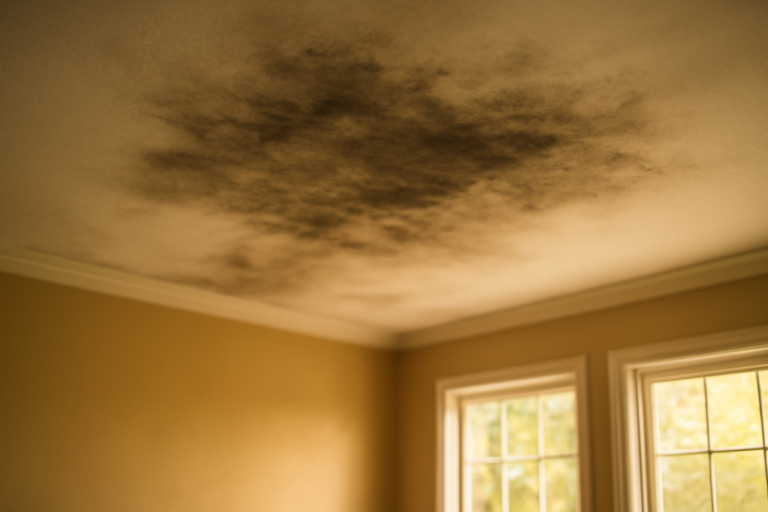
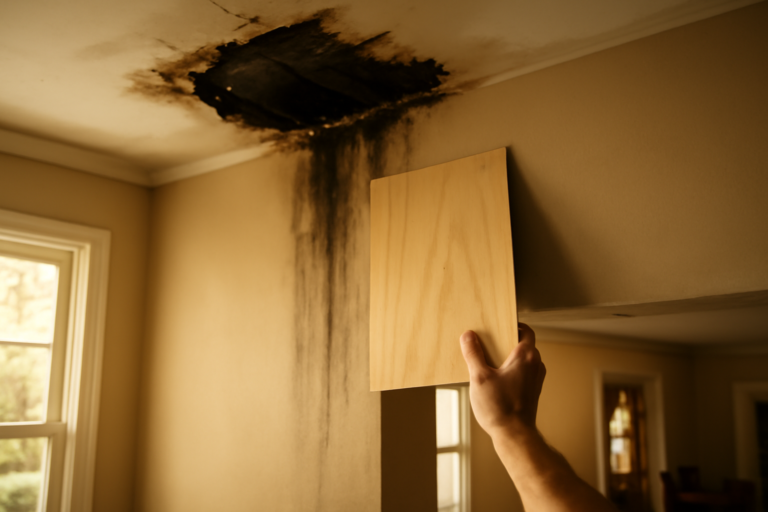
Discoloration or warping on your walls or ceiling can indicate a hidden leak from an upstairs bathroom, a roof issue, or plumbing problems. These stains are often brown or yellow and can be accompanied by sagging or soft spots. Water stains are red flags for potential mold growth.
Health Symptoms Like Allergies or Asthma
If you or your family members are experiencing unexplained allergy symptoms, headaches, respiratory issues, or asthma flare-ups that improve when you leave the house, mold could be the culprit. Mold spores are allergens and irritants. Your health matters, and persistent symptoms warrant an inspection.
Mold Inspection & Testing vs. DIY: When To Call a Professional
| Situation | DIY? | Call a Pro? | Why |
|---|---|---|---|
| Suspected mold smell in a small, accessible area (e.g., bathroom corner) | Yes, for surface cleaning if small and non-porous. | Yes, if smell persists or you’re unsure. | DIY cleaning might not address underlying moisture or invisible spores. |
| Visible mold growth covering less than 1 square foot on a non-porous surface. | Yes, with proper protective gear and cleaning agents. | Yes, if it’s on porous materials or you have health concerns. | Porous materials require specialized removal techniques. |
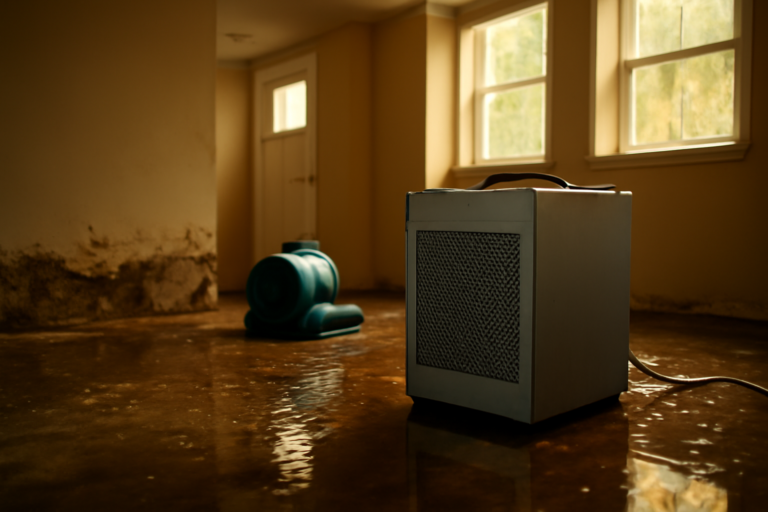
| Mold growth discovered after a significant water event (flood, burst pipe). | No. | Yes, absolutely. | Large-scale water damage requires professional drying and mold remediation protocols. |
| Mold is found inside walls, in HVAC systems, or in crawl spaces. | No. | Yes, definitely. | These areas are inaccessible and require specialized equipment and containment. |
| You or family members have existing respiratory conditions or allergies. | No. | Yes, immediately. | Exposure can be dangerous and requires expert handling to ensure safety. |
| You want to buy or sell a property and need a professional assessment. | No. | Yes, for documentation. | A certified inspection provides an objective report for real estate transactions. |
While you can handle very minor, surface-level mold spots yourself, anything beyond that warrants professional attention. When mold is widespread, hidden, or affecting your health, it’s time to call in the experts. We have the tools and knowledge to ensure it’s dealt with safely and effectively.
Mold Inspection & Testing Cost in Cleveland, TX
The cost for mold inspection and testing in Cleveland, TX can vary. Factors like the size of your home, the accessibility of affected areas, and the complexity of the suspected contamination all play a role. These prices are estimates, and an on-site assessment is needed for an accurate quote.
| Service | Typical Price Range | What Affects Cost |
|---|---|---|
| Initial Visual Mold Inspection | $300 – $700 | Home size, complexity of visible issues. |
| Air Quality Testing (per sample) | $150 – $400 | Number of samples needed, lab fees. |
| Surface Mold Sampling (per sample) | $100 – $300 | Number of samples, lab fees. |
| Infrared Thermal Imaging | $200 – $500 | Extent of area to be scanned. |
| Detailed Mold Inspection Report | Included with testing or $200 – $500 if standalone | Scope of inspection, number of samples analyzed. |
| Moisture Meter Readings | Included with inspection | Number of readings and areas assessed. |
These figures give you a general idea of what to expect. For a precise quote tailored to your situation, we offer free estimates. Contact us today to schedule your assessment.
Service Areas Near Cleveland, TX
Cleveland, Conroe, Splendora, Porter, New Caney, Kingwood, Humble, Atascocita, Huffman, Dayton, Liberty, Tarkington, Shepherd, Goodrich, Livingston, Woodbranch, Roman Forest, Porter Heights, Tavener, Plum Grove.
Common Questions About Mold Inspection & Testing
What’s the difference between mold inspection and mold testing?
An inspection is a visual assessment of your property to identify potential mold growth and moisture issues. Testing, on the other hand, involves taking air or surface samples to confirm the presence of mold and identify the types and quantities. We often recommend testing when an inspection reveals suspicious signs but no visible mold. Testing provides scientific data to support our findings.
How long does a mold inspection and testing process take?
A typical inspection and sample collection can take anywhere from 2 to 4 hours, depending on the size of your home and the extent of the suspected problem. The lab analysis of samples usually takes 24 to 48 hours. We then compile a detailed report, which we’ll review with you shortly after receiving the lab results. We aim to provide you with clear answers quickly.
Is mold testing covered by homeowner’s insurance?
Coverage varies greatly by insurance policy. Many policies exclude mold damage unless it’s a direct result of a covered peril, like a sudden pipe burst that you immediately addressed. Mold resulting from long-term neglect or poor maintenance is typically not covered. It’s best to check your specific policy or contact your insurance provider for details. We can provide documentation for your claim.
What kind of equipment do you use for mold inspection?
Our team uses a variety of specialized tools. This includes infrared cameras to detect moisture behind walls, moisture meters to measure water content in building materials, and air sampling pumps connected to specialized collection devices. We also use high-intensity lights and even borescopes for hard-to-see areas. These tools allow us to get an accurate understanding of moisture levels and hidden growth.
How much does mold remediation cost?
The cost of mold remediation varies widely based on the severity and extent of the mold growth, the types of materials affected (e.g., drywall vs. wood), and the complexity of the containment needed. Simple surface mold on non-porous materials is less expensive than mold that has penetrated porous materials or requires extensive demolition. We provide a detailed estimate after a thorough inspection and testing process. Our goal is to provide fair pricing for effective removal.
Check Our Other Relevant Services

Gary Gwin: Damage Restoration Expert
With over 20 years of hands-on experience, Gary Gwin is a trusted authority in property recovery and disaster mitigation. As a licensed specialist, Gary has dedicated his career to restoring safety and peace of mind for homeowners facing environmental crises.
𝗖𝗲𝗿𝘁𝗶𝗳𝗶𝗰𝗮𝘁𝗶𝗼𝗻𝘀: Gary holds multiple advanced IICRC certifications, including Water Damage Restoration (WRT), Applied Microbial Remediation (Mold), Applied Structural Drying (ASD), Odor Control, and Fire and Smoke Restoration. His deep technical knowledge ensures every project meets the highest industry standards for health and safety.
𝗕𝗲𝘀𝘁 𝗣𝗮𝗿𝘁 𝗼𝗳 𝘁𝗵𝗲 𝗝𝗼𝗯: Gary finds the most fulfillment in guiding families through the recovery process, transforming a chaotic property loss into a restored, habitable home.
𝗙𝗮𝘃𝗼𝗿𝗶𝘁𝗲 𝗣𝗮𝘀𝘁𝗶𝗺𝗲: When off the clock, Gary enjoys exploring local hiking trails and woodworking.