Trusted by 150+ Homeowners
Mold Structural Damage Restoration in Freeport, TX
- Over 152 5-Star Reviews
- Free Estimates and Quotes
- 100% Satisfaction Guaranteed
- Child, Family & Pet Safe Steps
- 24-Hour Emergency Service
- Fully Licensed & Insured
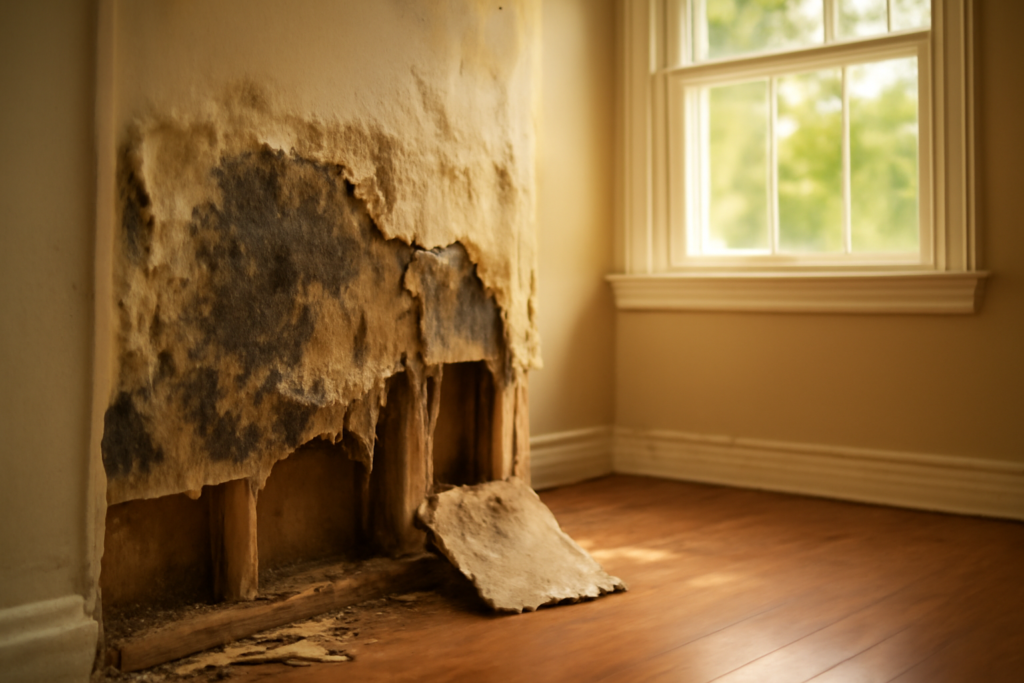
When Hidden Mold Threatens Your Home’s Structure in Freeport, TX
You’re walking through your house, maybe in the attic or a less-used closet, and you catch it – that unmistakable, earthy smell. Then you see it: dark, fuzzy patches spreading across drywall, or worse, starting to eat away at wooden beams. This isn’t just surface mold; it’s a sign of a deeper problem that could be compromising your home’s very foundation. Addressing structural mold damage requires immediate, expert attention to prevent further decay and protect your family’s health.
Locally, homeowners trust our team to tackle even the most challenging mold situations. With over 165 five-star reviews from satisfied neighbors, we’ve earned a reputation for thoroughness and effectiveness. When you suspect mold is affecting your home’s structure, you need specialists who understand the science behind mold growth and its impact on building materials. We’re here to provide that essential service.
- We focus on identifying and remediating the root cause of mold growth, not just the visible signs, preventing its return.
- Our advanced drying and containment methods protect unaffected areas of your property during the restoration process.
- We utilize specialized equipment to ensure all mold and contaminated materials are safely removed, restoring your home’s integrity.
The Science Behind Restoring Mold-Damaged Structures
When mold takes hold within your home’s structure, it’s a serious issue that demands a methodical, scientific approach. Simply cleaning the surface isn’t enough; you need to address the moisture source and remove the affected materials safely and completely. Cutting corners on mold remediation can lead to recurring problems and hidden health risks. Our crews are trained to understand material science and the specific ways mold impacts wood, drywall, insulation, and other structural components. We follow strict protocols to ensure your home is restored correctly and safely.
Initial Assessment and Containment
Before any work begins, our technicians conduct a thorough inspection to determine the extent of the mold and identify the water source. We then set up containment barriers, often using negative air pressure, to prevent mold spores from spreading to other parts of your home. This containment is crucial for a successful remediation and protects your family’s health throughout the process. We’ll take moisture readings to understand the full scope of the problem.
Controlled Demolition and Removal
In cases of structural mold damage, some building materials may be too compromised to save. We carefully remove affected drywall, insulation, wood, or other structural elements. This controlled demolition ensures all contaminated materials are safely bagged and disposed of according to industry standards. Our team works efficiently to minimize disruption while maximizing safety.
Thorough Cleaning and Deodorization
Once the damaged materials are removed, we meticulously clean and treat all affected surfaces to eliminate any remaining mold spores and prevent regrowth. This often involves specialized cleaning agents and HEPA-filtered vacuums. We also address any lingering odors, using advanced deodorization techniques to leave your home smelling fresh and clean. This step is vital for a complete restoration.
Drying and Moisture Control
Addressing the moisture source is paramount. We use industrial-grade dehumidifiers and air movers to dry out the affected areas completely, bringing moisture levels back to normal. Proper drying prevents future mold growth and further structural damage. We monitor humidity and temperature closely to ensure optimal drying conditions.
Reconstruction and Repair
After the mold is safely removed and the area is thoroughly dried, our team begins the reconstruction phase. This can involve replacing insulation, repairing or replacing damaged wood framing, and installing new drywall. We aim to restore your home to its pre-loss condition, ensuring structural soundness and aesthetic appeal. You’ll be involved in decisions about materials and finishes.
Don’t let mold compromise your home’s integrity. Contact us today for an immediate assessment. Acting fast saves your structure and your health.
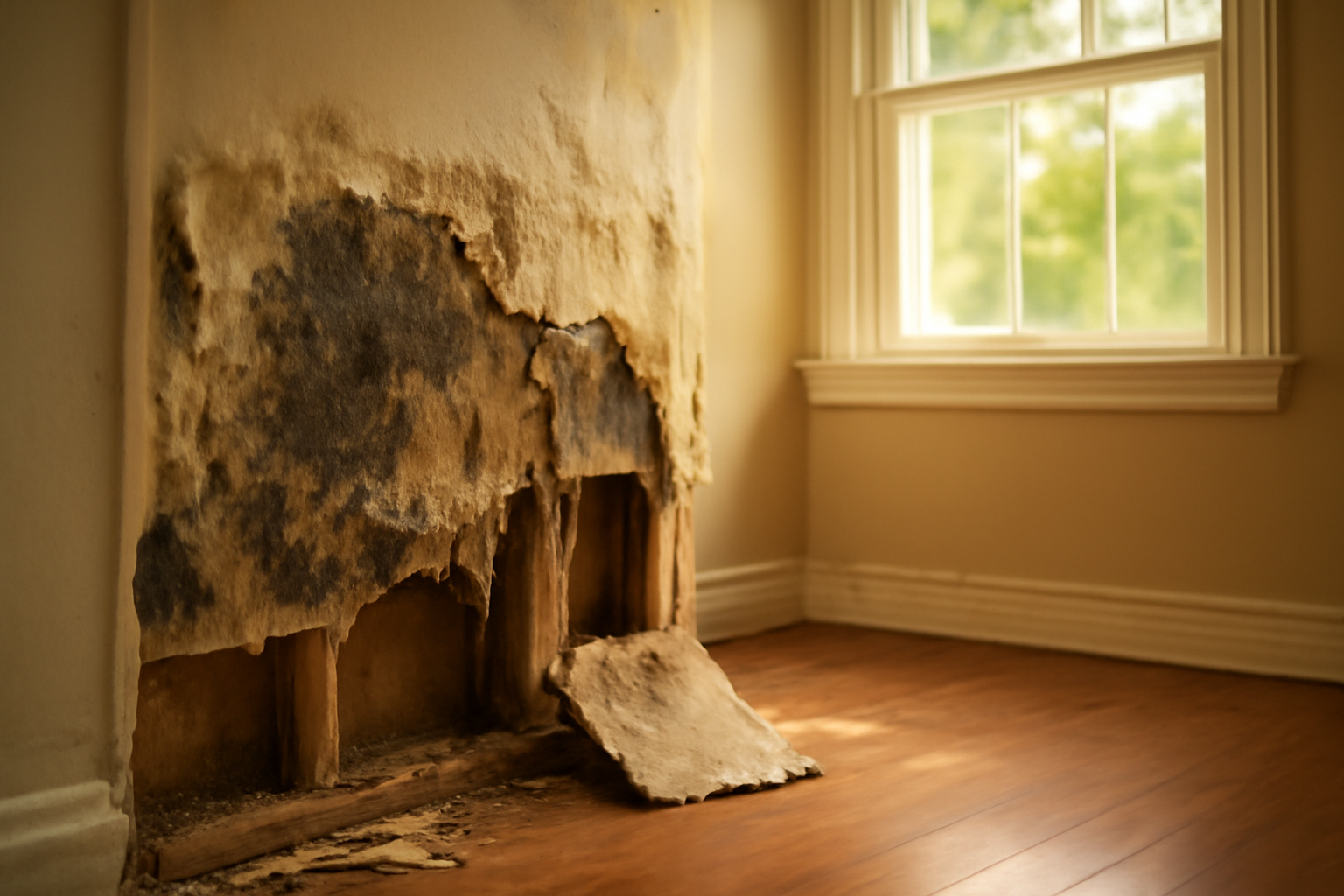
Warning Signs You Need Mold Structural Damage Restoration
Catching mold damage early is key to minimizing costly repairs and potential health issues. Your home might be trying to tell you something’s wrong, even if you can’t see it yet. Paying attention to these subtle clues can save you significant trouble down the line. Don’t ignore the warning signs; they often point to a problem that needs professional intervention.
Persistent Musty Odors
If you notice a persistent damp, earthy, or musty smell that doesn’t go away, even after airing out rooms, it’s a strong indicator of mold growth. This smell often originates from hidden areas like behind walls or under floors. These odors are a red flag that mold may be thriving out of sight.
Visible Mold Growth
Any visible mold, whether it’s black, green, white, or orange, is cause for concern, especially if it appears on structural elements like wood beams or drywall. Even small patches can be part of a larger infestation. Don’t try to clean large mold patches yourself; it can release spores into the air.
Water Stains or Discoloration
Water stains on ceilings, walls, or floors, especially those that reappear or darken over time, suggest a recurring moisture problem. These stains often indicate that water has penetrated building materials. Such discoloration is a sign of potential structural compromise and hidden mold growth.
Peeling or Bubbling Paint/Wallpaper
Moisture trapped behind paint or wallpaper can cause it to bubble, blister, or peel away from the surface. This is a common sign that water is seeping into the wall structure. This damage can be extensive and often requires more than just cosmetic repair.
Warped or Sagging Walls/Floors
When structural wood or drywall becomes saturated, it can begin to warp, sag, or feel soft to the touch. This is a serious sign that the building’s framework is being damaged. Structural integrity is compromised when materials weaken this much.
Increased Allergy or Asthma Symptoms
If you or your family members experience sudden increases in allergy symptoms, respiratory issues, or asthma flare-ups, especially when you’re at home, mold exposure could be the cause. Mold spores are allergens that can significantly impact indoor air quality and health.
Mold Structural Damage Restoration vs. DIY: When To Call a Professional
| Situation | DIY? | Call a Pro? | Why |
|---|---|---|---|
| Small, surface-level mold on a non-porous surface (like tile) with no underlying moisture issue. | Yes | No | Easy to clean, low risk of spore release. |
| Mold covering more than 10 square feet, especially on porous materials (drywall, wood). | No | Yes | Requires containment and specialized removal techniques to prevent spread. |
| Musty odors with no visible mold, suggesting hidden growth within walls or HVAC systems. | No | Yes | Professional inspection and air sampling are needed to locate and remediate hidden mold. |
| Mold growth on structural wood, beams, or subflooring. | No | Yes | Structural materials may need removal and replacement, requiring specialized knowledge. |
| Mold associated with a significant water intrusion event (e.g., burst pipe, roof leak). | No | Yes | The water source must be fixed, and the area thoroughly dried and remediated to prevent recurrence. |
| Concerns about health effects or sensitive individuals in the home. | No | Yes | Professionals ensure safe removal and can advise on air quality improvements. |
For any mold impacting your home’s structure, or if you’re unsure about the extent of the problem, calling a professional is the safest bet. DIY attempts on structural mold can be ineffective and even dangerous. Our certified technicians have the tools and expertise to handle these complex situations correctly.
Mold Structural Damage Restoration Cost In Freeport, TX
The cost of mold structural damage restoration in Freeport, TX, can vary significantly. Factors include the size and location of the mold infestation, the type of building materials affected, and the complexity of the remediation process. These are estimates and a proper on-site assessment is needed for an accurate quote.
| Service | Typical Price Range | What Affects Cost |
|---|---|---|
| Mold Assessment and Inspection | $300 – $1,000 | Level of detail required, use of specialized testing equipment. |
| Containment Setup | $500 – $1,500 | Size of the affected area, complexity of creating seals. |
| Mold Remediation (Porous Materials) | $1,000 – $7,500+ | Square footage affected, depth of material damage, type of material. |
| Structural Wood Repair/Replacement | $750 – $3,000+ per section | Extent of rot or damage, accessibility of the structural element. |
| Drying and Dehumidification | $400 – $2,000 | Duration of drying needed, size of space, equipment used. |
| Odor Removal | $300 – $1,500 | Severity of odor, size of affected area, methods required. |
These figures provide a general idea, but your specific situation dictates the final cost. We offer free estimates after a thorough inspection. Get a clear, upfront quote from our team.
Service Areas Near Freeport, TX
Brazoria, Clute, Lake Jackson, Richwood, Surfside Beach, Quintana, Oyster Creek, Angleton, Danbury, Alvin, Pearland, Friendswood, League City, Texas City, La Marque, Galveston, Hitchcock, Santa Fe, Manvel, Rosharon.
Common Questions About Mold Structural Damage Restoration
How quickly does mold cause structural damage?
Mold can begin to cause structural damage surprisingly fast, often within 24-48 hours after a water event, especially in warm, humid conditions common around Freeport, TX. The speed depends on the type of mold, the material it’s growing on, and the moisture levels. Prompt removal of the moisture source and remediation are critical to prevent extensive damage. Our team responds quickly to mitigate these risks.
Is mold structural damage covered by homeowners insurance?
Coverage for mold structural damage often depends on the *cause* of the mold. If the mold resulted from a sudden, accidental event like a burst pipe or storm damage that your policy covers, you might have coverage. However, mold caused by long-term neglect or slow leaks is often excluded. We can help document the damage for your insurance claim. It’s best to review your specific policy or consult your provider.
What equipment do you use for structural mold removal?
Our technicians use a variety of specialized equipment for structural mold removal. This includes high-efficiency particulate air (HEPA) vacuums for capturing microscopic spores, industrial-grade dehumidifiers and air movers for drying, air scrubbers with HEPA filters to clean the air, and often specialized moisture meters to detect hidden dampness. We employ advanced tools to ensure thorough and safe remediation. We also use containment systems to isolate the work area.
How long does structural mold remediation typically take?
The timeline for structural mold remediation can vary greatly depending on the severity and extent of the damage. Minor cases might take a few days, while extensive infestations affecting structural components could take weeks. We work efficiently to complete the process as quickly as possible without compromising quality. A thorough inspection will give you a better idea of the expected timeline for your property.
Can I prevent mold from returning after structural restoration?
Prevention is key. The most important step is to identify and fix the original moisture source that allowed the mold to grow in the first place. Regular inspections for leaks, ensuring proper ventilation in bathrooms and kitchens, and controlling indoor humidity levels are vital. We provide guidance on prevention after completing our restoration work. Maintaining a dry environment is your best defense against future mold issues.
Check Our Other Relevant Services
Serving Freeport, TX And Nearby Areas