Trusted by 150+ Homeowners
Mold Structural Damage Restoration in Pearland, TX
- Over 152 5-Star Reviews
- Free Estimates and Quotes
- 100% Satisfaction Guaranteed
- Child, Family & Pet Safe Steps
- 24-Hour Emergency Service
- Fully Licensed & Insured
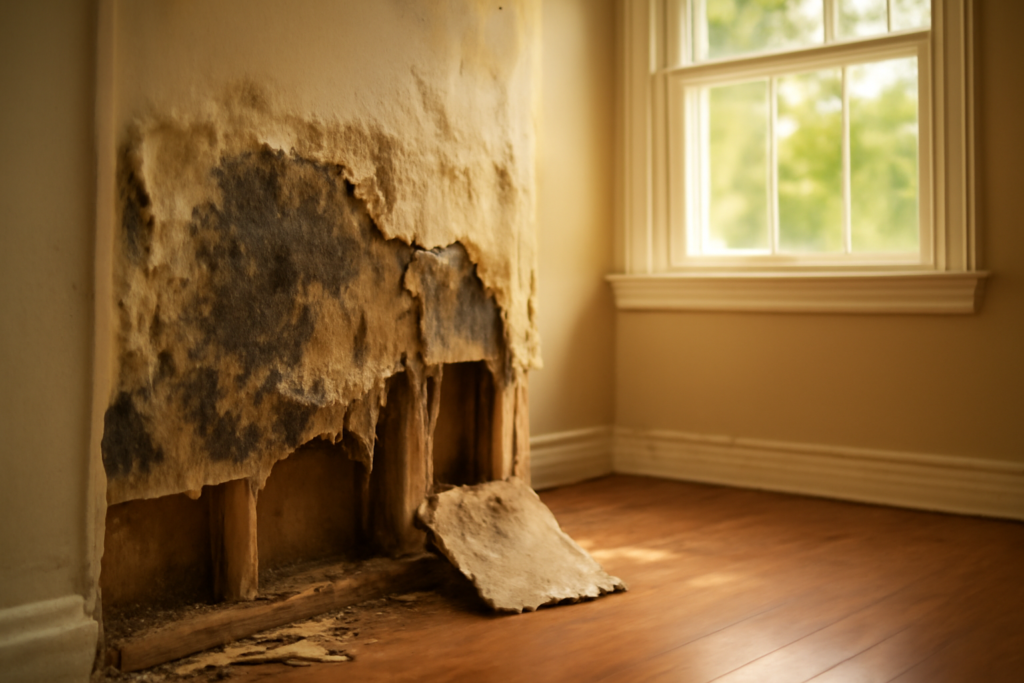
Expert Mold Structural Damage Restoration in Pearland, TX
When mold takes hold within your home’s structure, it’s more than just an unsightly problem; it’s a serious structural threat. We’ve seen firsthand how persistent moisture, often hidden behind walls or beneath floors, can compromise the very integrity of your property. Dealing with this kind of damage requires a specialized approach, one that goes beyond surface cleaning to address the root cause and repair the compromised building materials. We understand the stress this brings to homeowners in Pearland, TX, and we’re here to guide you through the restoration process with clarity and confidence.
Our local homeowners have trusted us time and again, contributing to over 165 five-star reviews, because we deliver tangible results when it matters most. They choose us specifically for mold structural damage because we focus on rebuilding what’s been lost and ensuring your home is safe and sound again. We don’t just treat the mold; we restore structural integrity and provide lasting solutions for your peace of mind. You’ll appreciate our straightforward communication and our commitment to getting your home back to its pre-mold condition.
- We employ advanced containment and removal techniques to stop mold growth at its source, preventing further damage to your home’s framework.
- Our team meticulously repairs and rebuilds compromised structural elements, ensuring your home’s safety and stability are fully restored.
- We provide thorough documentation for insurance claims, making the complex process of filing a claim significantly easier for you.
How Mold Structural Damage Restoration Actually Works
A proper restoration process for mold structural damage is crucial. Cutting corners here can lead to recurring mold issues and ongoing structural problems, costing you much more in the long run. We believe in a methodical, science-backed approach. Our crews use specialized equipment and follow strict protocols to ensure every trace of mold is eradicated and affected areas are safely and effectively repaired. Your home’s health and safety are our top priorities throughout this entire restoration journey.
Step 1: Initial Assessment and Containment
Our certified technicians begin with a thorough inspection to identify the extent of mold growth and structural compromise. We then set up containment barriers using negative air pressure systems. This prevents airborne mold spores from spreading to unaffected areas of your property, a critical first step in safe remediation. This phase typically takes a few hours, depending on the affected area’s size.
Step 2: Mold Remediation and Removal
Once containment is established, we carefully remove mold-infested materials. This can include drywall, insulation, carpeting, and even structural wood. We use specialized tools and HEPA vacuums to capture mold particles. Our process ensures that all visible and microscopic mold is safely removed, protecting your family’s health. This step’s duration varies, often taking 1-3 days for moderate infestations.
Step 3: Structural Drying and Dehumidification
After removal, we focus on thoroughly drying the affected areas. We use industrial-grade dehumidifiers and air movers to reduce moisture levels to safe standards. Proper drying is essential to prevent future mold growth and to stabilize the remaining structure. This can take 2-5 days, depending on the severity of the moisture intrusion.
Step 4: Structural Repair and Reconstruction
With the area clean and dry, our skilled carpenters begin rebuilding. We replace damaged structural components, ensuring they meet or exceed original building codes. This might involve repairing or replacing studs, joists, subflooring, or roof trusses. Our goal is to restore your home’s structural integrity completely. This phase can range from a few days to several weeks, depending on the scope of damage.
Step 5: Final Cleaning and Verification
Before we consider the job done, we perform a final, deep cleaning of the affected areas. We also conduct post-remediation verification, often using air quality testing, to confirm that mold levels are back to normal. This ensures your home is safe and healthy for you and your family. This final verification is crucial for confirming successful remediation and usually takes about a day.
Don’t let mold structural damage linger. Contact us today for a professional assessment and to begin the path to a safe, restored home. Your property deserves the best care possible.
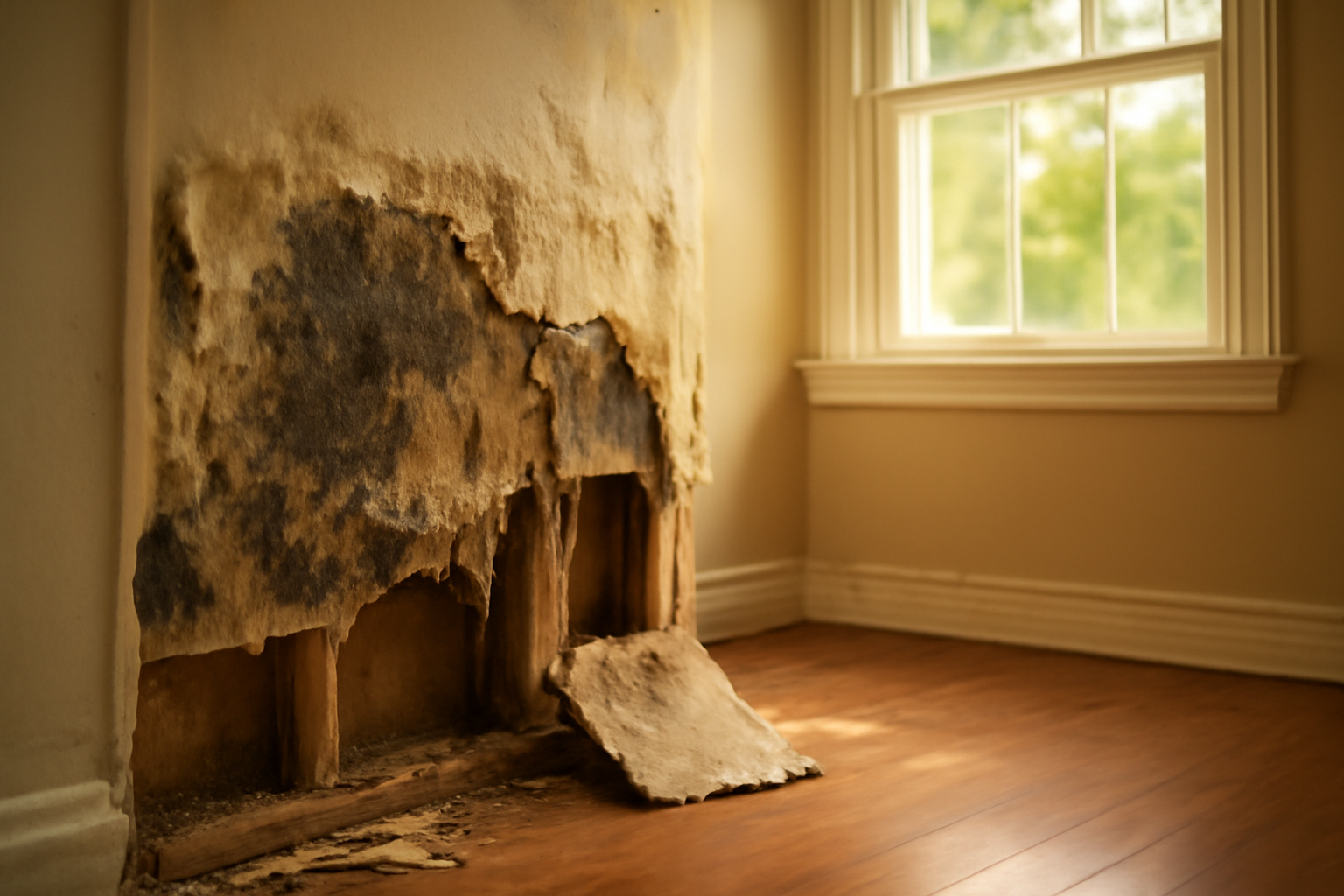
Warning Signs You Need Mold Structural Damage Restoration
Catching mold structural damage early can save you significant time, money, and stress. Many homeowners overlook subtle signs, thinking they’re minor issues. However, these early indicators often point to deeper problems within your home’s framework that require professional attention. Recognizing these signs is the first step toward protecting your investment and ensuring a healthy living environment.
Musty Odors That Won’t Go Away
A persistent, musty smell, especially in damp areas like basements or bathrooms, is a classic sign of mold. It often indicates mold growth behind walls or under flooring, affecting the structural integrity of materials. Don’t just mask the smell; investigate its source.
Visible Mold Growth
Any visible mold, regardless of its color (black, green, white, or fuzzy), is a concern. If you see it on walls, ceilings, or structural wood, it means there’s a moisture problem fueling its growth. This is a clear signal for immediate professional intervention.
Water Stains or Discoloration
Dark or discolored spots on walls or ceilings, especially those that appear after a leak or flood, often indicate water intrusion. This moisture can lead to mold growth within the wall cavities, weakening the structure over time. Addressing water stains promptly is key.
Peeling or Bubbling Paint/Wallpaper
When paint or wallpaper starts to peel, bubble, or warp, it’s usually a sign of moisture trapped behind it. This moisture creates an ideal environment for mold to grow on the underlying building materials. This suggests hidden moisture damage.
Warped or Sagging Floors/Walls
Noticeable sagging in floors or walls can indicate that moisture has been present for an extended period, causing wood rot and compromising the structural support. This is a serious sign of significant structural compromise and requires immediate attention.
Increased Allergy Symptoms
If you or your family members experience unexplained allergy symptoms, headaches, or respiratory issues that improve when you leave the house, mold could be the culprit. Mold spores released into the air can affect indoor air quality and impact your family’s health.
Mold Structural Damage Restoration vs. DIY: When To Call a Professional
| Situation | DIY? | Call a Pro? | Why |
|---|---|---|---|
| Small, surface mold spots on non-porous materials (e.g., tile, metal) | Yes | No | Easily cleaned with household cleaners without structural risk. |
| Mold growth exceeding 10 square feet | No | Yes | Requires specialized containment and removal equipment to prevent spread. |
| Mold found inside wall cavities or HVAC systems | No | Yes | Requires professional assessment and specialized equipment to access and remediate safely. |
| Mold on porous materials (e.g., drywall, wood, carpet) | No | Yes | Porous materials often need removal and replacement to fully eliminate mold. |
| Signs of structural wood rot or damage | No | Yes | Requires structural engineers and specialized repair to ensure safety and stability. |
| Mold after a significant water event (flood, major leak) | No | Yes | Extensive moisture requires professional drying, remediation, and structural assessment. |
While minor surface mold might be manageable with DIY methods, any indication of mold affecting structural components or covering a larger area demands professional intervention. Attempting to fix serious mold structural damage yourself can lead to incomplete removal and further damage, making the problem much worse and more expensive to fix later. Trust the experts for these complex situations.
Mold Structural Damage Restoration Cost In Pearland, TX
The cost of mold structural damage restoration in Pearland, TX, can vary significantly based on the size of the affected area, the severity of the mold growth, and the extent of structural repairs needed. These price ranges are estimates and can fluctuate based on specific property conditions and local building regulations. Getting a professional on-site estimate is always the best approach.
| Service | Typical Price Range | What Affects Cost |
|---|---|---|
| Mold Inspection and Assessment | $300 – $1,000 | Size of property, complexity of suspected damage, and need for advanced testing. |
| Containment Setup | $500 – $1,500 | Size of the affected area and the need for negative air pressure systems. |
| Mold Remediation (removal of infested materials) | $1,000 – $7,500+ | Amount of material to remove (drywall, insulation, wood) and labor intensity. |
| Structural Drying and Dehumidification | $500 – $3,000 | Duration needed for drying, size of space, and number of dehumidifiers/air movers required. |
| Structural Repair and Reconstruction | $2,000 – $15,000+ | Extent of damage to wood framing, subflooring, roofing, and complexity of repairs. |
| Post-Remediation Testing | $300 – $800 | Number of samples taken and type of testing required for verification. |
These figures represent a general idea of what you might expect. A precise quote for your specific situation requires a detailed inspection by our trained technicians. We offer free, no-obligation estimates to give you a clear understanding of the investment needed for your home’s restoration.
Service Areas Near Pearland, TX
Alvin, Angleton, Arcola, Bellaire, Brazoria, Clute, Deer Park, Friendswood, Freeport, Fresno, Galena Park, Houston, Jacinto City, Lake Jackson, La Porte, League City, Manvel, Missouri City, Pasadena, Pearland, Richmond, River Oaks, Rosenberg, South Houston, Sugar Land, Webster, West Columbia, Stafford, Spring, The Woodlands.
Common Questions About Mold Structural Damage Restoration
What is the first step in dealing with mold structural damage?
The very first step is to contact a professional restoration company. We’ll perform a thorough inspection to determine the extent of the mold and any structural damage. It’s crucial not to disturb the mold yourself, as this can release spores into the air and spread the contamination, making the problem worse and potentially affecting your family’s health. We’ll guide you through the necessary containment and remediation steps.
How long does mold structural damage restoration typically take?
The timeline for mold structural damage restoration can vary greatly, from a few days for smaller issues to several weeks for extensive damage. Factors include the size of the affected area, the type of materials compromised, and the complexity of the structural repairs needed. We aim to complete the work efficiently while ensuring all mold is safely removed and your structure is soundly rebuilt, providing you with a realistic project schedule.
Is mold structural damage covered by homeowners insurance?
In many cases, homeowners insurance can cover mold structural damage, especially if the mold resulted from a sudden, accidental event like a burst pipe or storm damage. However, coverage for mold resulting from long-term neglect or poor maintenance can be more limited. We can help you navigate the insurance claims process and provide the necessary documentation to support your claim for structural repair coverage.
What are the health risks associated with mold structural damage?
Mold can cause a range of health issues, from allergic reactions like sneezing, runny nose, and skin rash, to more severe problems like asthma attacks and respiratory infections, especially in sensitive individuals. Long-term exposure to certain molds can also lead to chronic health problems. Our priority is to ensure your home is free from mold, creating a safe and healthy living environment for your family.
Can you prevent mold structural damage from returning after restoration?
Prevention is key after restoration. The most important factor is controlling moisture. This means fixing any leaks promptly, ensuring proper ventilation in bathrooms and kitchens, and addressing any water intrusion issues. We can advise on specific preventative measures for your property to help maintain a mold-free home after our work is complete.
Check Our Other Relevant Services

Gary Gwin: Damage Restoration Expert
With over 20 years of hands-on experience, Gary Gwin is a trusted authority in property recovery and disaster mitigation. As a licensed specialist, Gary has dedicated his career to restoring safety and peace of mind for homeowners facing environmental crises.
𝗖𝗲𝗿𝘁𝗶𝗳𝗶𝗰𝗮𝘁𝗶𝗼𝗻𝘀: Gary holds multiple advanced IICRC certifications, including Water Damage Restoration (WRT), Applied Microbial Remediation (Mold), Applied Structural Drying (ASD), Odor Control, and Fire and Smoke Restoration. His deep technical knowledge ensures every project meets the highest industry standards for health and safety.
𝗕𝗲𝘀𝘁 𝗣𝗮𝗿𝘁 𝗼𝗳 𝘁𝗵𝗲 𝗝𝗼𝗯: Gary finds the most fulfillment in guiding families through the recovery process, transforming a chaotic property loss into a restored, habitable home.
𝗙𝗮𝘃𝗼𝗿𝗶𝘁𝗲 𝗣𝗮𝘀𝘁𝗶𝗺𝗲: When off the clock, Gary enjoys exploring local hiking trails and woodworking.