Trusted by 150+ Homeowners
Post-Remediation Clearance Testing in Huntsville, TX
- Over 152 5-Star Reviews
- Free Estimates and Quotes
- 100% Satisfaction Guaranteed
- Child, Family & Pet Safe Steps
- 24-Hour Emergency Service
- Fully Licensed & Insured

Ensuring Your Home is Truly Safe After Remediation in Huntsville, TX
One common mistake homeowners make after mold or asbestos remediation is assuming the job is done once the visible signs are gone. It’s crucial to understand that microscopic contaminants can linger, posing hidden risks to your family’s health. That’s why securing official clearance is the absolute final, essential step before you can truly relax in your Huntsville, TX home. This isn’t just a formality; it’s your guarantee that the air you breathe is clean and safe.
Locally, homeowners trust our team for this critical final phase because we bring a level of precision and care that simply can’t be matched. With over 165 five-star reviews from satisfied clients around the area, you know you’re choosing a partner dedicated to your well-being. We understand the stress that comes with dealing with indoor environmental hazards, and we’re here to provide that definitive confirmation your property is clear.
- Certified Air Quality Verification: We use specialized equipment to scientifically measure airborne particles, confirming that remediation efforts have successfully reduced contaminants to safe levels.
- Objective Third-Party Confirmation: Our clearance testing provides an unbiased assessment, giving you concrete data and definitive proof that your indoor environment meets health standards.
- Preventing Re-contamination: Understanding the specific clearance criteria helps us advise you on steps to prevent future contamination, protecting your family’s long-term health.
How Our Post-Remediation Clearance Testing Process Works
A proper clearance testing process is more than just a quick air sample; it’s a detailed, methodical approach designed to leave no doubt about your home’s safety. When we’re called in, we follow a strict protocol that ensures every potential pathway for contamination is examined. Cutting corners here can lead to serious health issues down the line, and that’s something we simply won’t risk for you or your family.
Initial Site Assessment and Planning
Before any testing begins, our technicians conduct a thorough walk-through of the remediated areas. We’ll identify any remaining visible debris and discuss the scope of the original remediation project with you. This step ensures we’re targeting the right areas and using the appropriate testing methods for complete contaminant removal confirmation.
Air Sampling
We deploy calibrated air sampling pumps connected to specialized collection media. These pumps draw a precise volume of air from the affected spaces over a set period, capturing any airborne particles present. This process is designed to mimic normal breathing conditions, providing a realistic snapshot of your indoor air quality for accurate airborne particle detection.
Surface Sampling (If Necessary)
Depending on the type of contamination and remediation performed, we may also collect surface wipe samples. These samples are taken from surfaces within the work area to check for any residual settled contaminants. This helps us verify that all surfaces have been thoroughly cleaned and decontaminated, ensuring thorough residual contaminant checks.
Laboratory Analysis
All collected air and surface samples are immediately sent to an accredited, independent laboratory for analysis. This ensures an unbiased, scientific evaluation of your home’s environment. The lab uses advanced techniques to identify and quantify any specific contaminants, providing us with reliable laboratory-verified results.
Clearance Report and Consultation
Once the lab results are back, we compile a detailed clearance report. This report clearly outlines the findings and confirms whether your property meets the required safety standards. We’ll walk you through the report, explain what it means for your family, and answer all your questions, giving you definitive safety confirmation.
Don’t guess when it comes to your family’s health. Let our team provide the conclusive evidence you need that your home is safe to reoccupy. Call us today to schedule your Post-Remediation Clearance Testing.
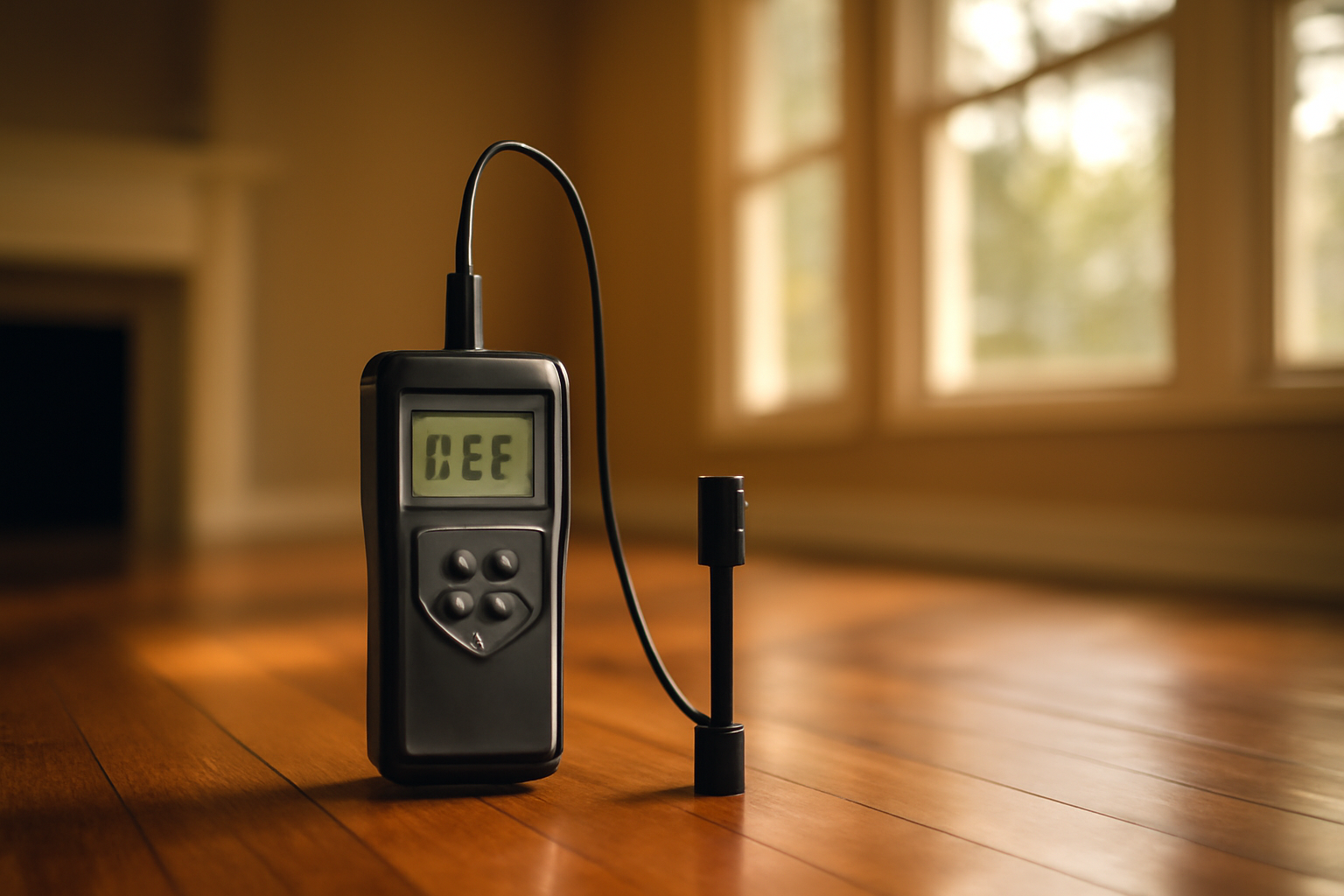
Warning Signs You Need Post-Remediation Clearance Testing
Even after remediation professionals have finished their work, there are subtle signs that might indicate residual issues requiring further inspection. Catching these early can save you from potential health problems and costly future remediation. It’s always better to be sure than sorry when it comes to the air quality inside your home.
Persistent Musty or Unpleasant Odors
If you still notice lingering musty, earthy, or chemical smells in the air after remediation, it could mean that the source of the odor hasn’t been fully eliminated. These odors are often indicators of unseen biological growth or chemical residue that needs professional verification.
Recurrence of Allergy Symptoms
Did your or your family members’ allergy symptoms, like sneezing, coughing, or itchy eyes, return shortly after remediation was completed? This could point to unresolved airborne irritants or allergens that were not adequately cleared, suggesting a need for immediate health-related testing.
Visible Signs of Contaminant Return
While less common after thorough remediation, spotting new or returning visible signs like mold growth, water stains, or dust accumulation in the remediated areas is a clear red flag. This indicates a potential failure in the initial remediation or a new issue that requires prompt professional assessment.
Unexplained Respiratory Issues
If you or anyone in your household develops new or worsening respiratory problems, such as asthma flare-ups or persistent coughs, without an obvious external cause, the indoor environment should be suspect. This could be a sign of compromised air quality, necessitating urgent air quality evaluation.
Lingering Dampness or Humidity
Areas that remain unusually damp or humid after remediation suggest that the underlying moisture problem may not have been fully resolved. This creates an ideal environment for mold and bacteria to thrive again, making moisture source investigation critical.
Post-Remediation Clearance Testing vs. DIY: When To Call a Professional
| Situation | DIY? | Call a Pro? | Why |
|---|---|---|---|
| Confirming mold remediation is complete | No | Yes | DIY methods lack the accuracy and certification needed for official clearance. |
| Testing for asbestos after removal | Absolutely Not | Yes | Asbestos fibers are invisible and deadly; professional testing is legally required and essential for safety. |
| Checking general indoor air quality for allergens | Maybe | Yes | While some basic tests exist, professional testing identifies specific allergens and quantifies levels. |
| Verifying lead paint dust levels after disturbance | No | Yes | Lead dust is a serious health hazard; specialized equipment and lab analysis are required for accurate measurement. |
| Assessing if VOCs (Volatile Organic Compounds) are safe | No | Yes | Identifying and quantifying VOCs requires specialized equipment and expertise. |
| Simply wanting reassurance that your home is safe | No | Yes | Professional clearance provides certified, objective proof of safety for your family’s well-being. |
While some DIY air quality monitors exist, they cannot provide the legally recognized, certified clearance necessary after professional remediation. For absolute certainty and to protect your family’s health, especially after hazards like mold or asbestos, always rely on a professional Post-Remediation Clearance Testing service. This ensures your home truly meets safety standards.
Post-Remediation Clearance Testing Cost in Huntsville, TX
The cost for Post-Remediation Clearance Testing in Huntsville, TX can vary depending on several factors, including the size of the affected area, the type and extent of the original contamination, and the complexity of the testing required. These price ranges are estimates to give you a general idea of potential costs.
| Service Aspect | Typical Price Range | What Affects Cost |
|---|---|---|
| Basic Air Quality Clearance Testing | $500 – $1,500 | Number of samples, size of the area tested, and lab fees. |
| Mold Clearance Testing (Post-Remediation) | $700 – $2,000 | Extent of mold growth, number of air and surface samples needed, and lab turnaround time. |
| Asbestos Clearance Testing (Post-Removal) | $800 – $2,500+ | Number of air samples, complexity of the building, and regulatory requirements. |
| Lead Dust Clearance Testing | $600 – $1,800 | Number of surface samples, size of the disturbed area, and reporting requirements. |
| Additional Specialized Testing (e.g., VOCs) | $400 – $1,000 per test | Specific contaminant being tested for and the equipment required. |
| Final Clearance Report and Consultation | Included in testing fees or $100 – $300 | Detailed analysis and explanation of results. |
The most accurate pricing will always come after an on-site assessment of your specific situation. We offer free estimates, so you’ll know exactly what to expect before any work begins.
Service Areas Near Huntsville, TX
Huntsville, Conroe, The Woodlands, Spring, Tomball, Montgomery, Willis, New Caney, Porter, Cleveland, Shepherd, Livingston, Corrigan, Diboll, Lufkin, Jasper, Woodville, Livingston, Coldspring, Shepherd.
Common Questions About Post-Remediation Clearance Testing
How long does post-remediation clearance testing take?
The testing process itself, including sample collection, usually takes a few hours on-site, depending on the size of your property and the number of samples needed. However, the results from the laboratory analysis typically take 24 to 72 hours to come back. Our team works efficiently to get samples to the lab quickly, providing you with timely and accurate results.
What is the difference between air sampling and surface sampling?
Air sampling measures the concentration of airborne particles in the environment at the time of testing, which is critical for confirming that remediation has removed contaminants from the air you breathe. Surface sampling, on the other hand, checks for settled dust or residue on surfaces like floors, walls, or furniture. Both are important for comprehensive safety verification.
Will my homeowner’s insurance cover post-remediation clearance testing?
Coverage varies greatly depending on your specific insurance policy and the cause of the initial damage. While the initial remediation might be covered, clearance testing might be considered a separate step or a verification process. We recommend reviewing your policy or contacting your insurance provider directly for clarity on your coverage.
What happens if the clearance test fails?
If a clearance test indicates that contaminants are still present above acceptable levels, it means further remediation work is necessary. Our team will explain the findings in detail and work with your remediation contractor to identify the areas that need additional attention. We’ll then schedule a re-test once the additional work is completed, ensuring your home’s safety is fully restored.
How do I prepare my home for clearance testing?
Generally, you don’t need to do much to prepare for clearance testing. The goal is to assess the environment as it is after remediation. However, it’s important that no one enters the remediated areas for a specified period (often 24 hours) before testing, and that any ventilation systems used during remediation are turned off. We’ll provide you with specific instructions for optimal testing conditions.
Check Our Other Relevant Services

Gary Gwin: Damage Restoration Expert
With over 20 years of hands-on experience, Gary Gwin is a trusted authority in property recovery and disaster mitigation. As a licensed specialist, Gary has dedicated his career to restoring safety and peace of mind for homeowners facing environmental crises.
𝗖𝗲𝗿𝘁𝗶𝗳𝗶𝗰𝗮𝘁𝗶𝗼𝗻𝘀: Gary holds multiple advanced IICRC certifications, including Water Damage Restoration (WRT), Applied Microbial Remediation (Mold), Applied Structural Drying (ASD), Odor Control, and Fire and Smoke Restoration. His deep technical knowledge ensures every project meets the highest industry standards for health and safety.
𝗕𝗲𝘀𝘁 𝗣𝗮𝗿𝘁 𝗼𝗳 𝘁𝗵𝗲 𝗝𝗼𝗯: Gary finds the most fulfillment in guiding families through the recovery process, transforming a chaotic property loss into a restored, habitable home.
𝗙𝗮𝘃𝗼𝗿𝗶𝘁𝗲 𝗣𝗮𝘀𝘁𝗶𝗺𝗲: When off the clock, Gary enjoys exploring local hiking trails and woodworking.