Trusted by 150+ Homeowners
Structural Drying & Dehumidification in Freeport, TX
- Over 152 5-Star Reviews
- Free Estimates and Quotes
- 100% Satisfaction Guaranteed
- Child, Family & Pet Safe Steps
- 24-Hour Emergency Service
- Fully Licensed & Insured
Don’t Let Humidity Ruin Your Freeport Home: Expert Structural Drying & Dehumidification
Here in Freeport, TX, we know a thing or two about humidity. That sticky, heavy air we deal with year-round isn’t just uncomfortable; it can be a silent enemy to your home’s structure. Excess moisture hides in walls, floors, and attics, creating the perfect breeding ground for mold and rot. Ignoring these damp conditions means risking serious structural damage and unhealthy living environments for your family. We’re here to help you fight back against the damp.
Homeowners around the area trust our team because we understand the unique challenges of our climate. With over 165 five-star reviews, you can see why so many local families rely on us for their Structural Drying & Dehumidification needs. We don’t just dry things out; we ensure your property is restored to its healthy state.
- We use specialized equipment to extract moisture from deep within your home’s structure, preventing long-term damage like warping and decay.
- Our focused approach targets the source of the moisture and removes it effectively, helping to prevent mold growth and improve your indoor air quality.
- We provide detailed assessments and clear communication, so you always know what to expect and how we’re protecting your investment.
How Structural Drying & Dehumidification Actually Works
When water damage happens, whether from a leaky pipe or heavy rain, it doesn’t just sit on the surface. It soaks into wood, insulation, and drywall, creating a hidden problem that needs a specialized approach. Our process for Structural Drying & Dehumidification is designed to get to the root of the issue, removing moisture from places you can’t see. We use advanced techniques and equipment to safely dry out your home, minimizing the risk of secondary damage. Cutting corners here can lead to lingering dampness, mold, and costly repairs down the road, so you’ll want to make sure it’s done right.
Step 1: Initial Assessment and Water Source Identification
The first thing our crews do is thoroughly inspect your property to pinpoint exactly where the water came from and how far it has spread. This involves using specialized tools like moisture meters and thermal imaging cameras to identify hidden water intrusion. Knowing the source is key to stopping the problem at its origin.
Step 2: Water Extraction
Once we’ve assessed the situation, we begin removing any standing water. We use powerful pumps and extraction equipment to get rid of as much bulk water as possible, which is crucial for starting the drying process efficiently. This step helps prevent further saturation and reduces drying time.
Step 3: Structural Drying with Advanced Equipment
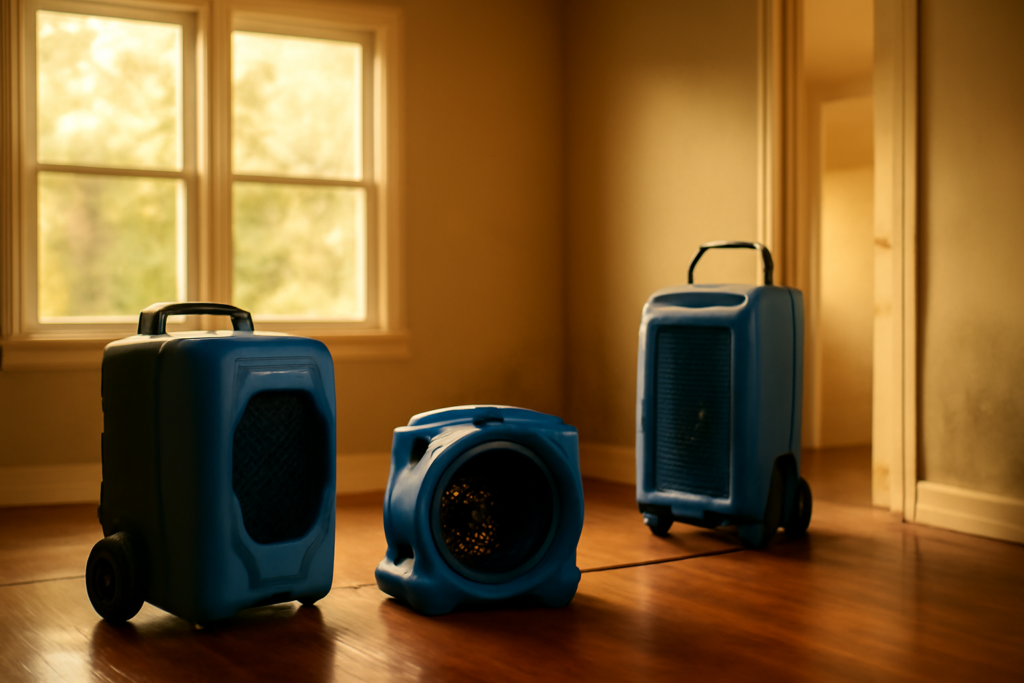
This is where the real magic happens. We strategically place high-speed air movers and industrial-grade dehumidifiers throughout your home. These machines work together to circulate air, speed up evaporation, and remove moisture from the air and building materials. This targeted drying process is essential for saving your home’s structure.
Step 4: Monitoring and Moisture Measurement
We don’t just set up equipment and leave. Our technicians continuously monitor the drying process, taking regular readings with moisture meters to track progress. We adjust the placement and type of equipment as needed to ensure an efficient and complete drying of all affected materials.
Step 5: Mold Prevention and Final Inspection
As we near the end of the drying phase, we take steps to prevent mold growth. This might include applying antimicrobial treatments to affected areas. Finally, we conduct a thorough inspection with you to confirm that all moisture levels are back to normal and your home is safe and dry.
Don’t let water damage linger. If you suspect moisture is hiding in your home, it’s time to call in the experts. Getting professional help quickly can save you a lot of headaches and money.

Warning Signs You Need Structural Drying & Dehumidification
Catching water damage early is incredibly important. The sooner you notice these signs, the less damage we’ll have to repair, and the quicker we can get your home back to normal. Ignoring them can lead to bigger, more expensive problems down the line, so pay attention to what your home is telling you.
Musty Odors That Won’t Go Away
That persistent damp, earthy smell, especially in closets, basements, or bathrooms, is often a telltale sign of hidden moisture and potential mold growth. You need to address the source of the smell.
Discolored Walls or Ceilings
Water stains, dark spots, or peeling paint on your walls and ceilings are clear indicators that water has penetrated the surface. This means moisture is trapped behind the finish.
Warped Floors or Baseboards
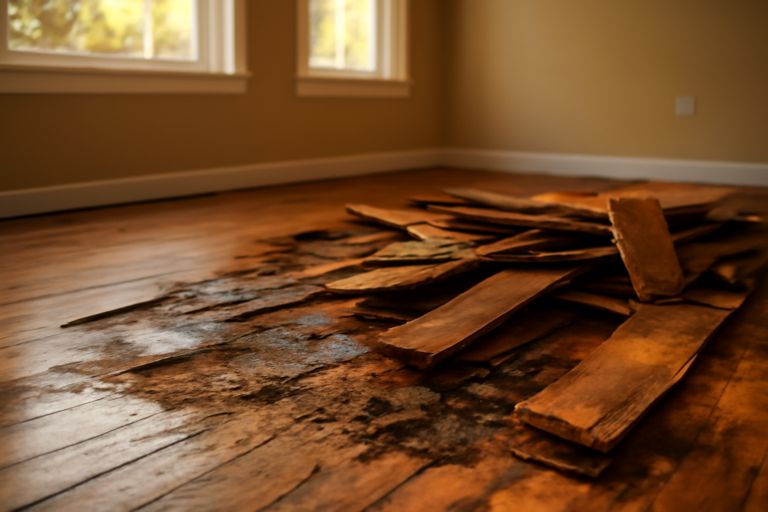
When wood absorbs too much moisture, it swells and can warp. If you notice your floors or baseboards buckling or looking out of place, it’s a sign of significant water saturation. This shows structural integrity is compromised.
Condensation on Windows or Pipes
Excessive condensation, especially when it’s not a typical weather event, can indicate high humidity levels within your home. This constant moisture can lead to rot and mold development.
Soft or Spongy Drywall
If parts of your drywall feel soft, spongy, or even crumbly to the touch, it’s a strong sign that the material has been saturated and is beginning to break down. This requires immediate attention and drying.
Increased Allergy Symptoms
A sudden increase in sneezing, coughing, or other allergy symptoms for household members could be linked to mold or mildew growth caused by hidden moisture. Your health is a critical factor to consider.
Structural Drying & Dehumidification vs. DIY: When To Call a Professional
| Situation | DIY? | Call a Pro? | Why |
|---|---|---|---|
| Minor spill on tile floor | Yes | No | Most tile floors are non-porous and water won’t penetrate easily. |
| Leaky faucet causing a small puddle on linoleum | Yes | No | Linoleum is fairly water-resistant, and a few towels usually suffice for immediate cleanup. |
| Water seeping under a door after a storm | Maybe | Yes | If water has entered the subfloor or drywall, professional drying is needed to prevent hidden damage. |
| Burst pipe in a wall cavity | No | Yes | Water is trapped inside walls and requires specialized equipment to locate and dry effectively. |
| Flooding from a sewage backup | Absolutely Not | Yes | Sewage contains harmful bacteria and requires professional remediation and decontamination. |
| Persistent musty odor after a known leak | No | Yes | This indicates hidden moisture and potential mold growth that needs professional assessment and drying. |
While minor spills can often be handled with household items, anything involving structural materials like drywall, wood, or insulation requires professional intervention. For significant water intrusion or persistent dampness, calling a pro is the safest bet.
Structural Drying & Dehumidification Cost In Freeport, TX
The cost for Structural Drying & Dehumidification in Freeport, TX, can vary greatly depending on the extent of the water damage, the size of the affected area, and how long the moisture has been present. These figures are general estimates, and an on-site assessment is always needed for an accurate quote. Factors like accessibility of the area and the type of building materials involved also play a role.
| Service Aspect | Typical Price Range | What Affects Cost |
|---|---|---|
| Initial Inspection & Assessment | $200 – $500 | Use of advanced equipment like thermal cameras can increase initial assessment costs. |
| Water Extraction (per area) | $300 – $1,000 | The volume of water and the size of the space being extracted from will impact the price. |
| Structural Drying Setup (per day) | $400 – $1,200 | The number and type of air movers and dehumidifiers needed for effective drying. |
| Moisture Monitoring & Progress Checks | $100 – $300 (per visit) | Frequency of checks and the complexity of the drying environment. |
| Antimicrobial Treatments | $200 – $600 | The size of the area treated and the type of treatment applied. |
| Final Inspection & Report | $150 – $400 | Detailed reporting and confirmation of drying standards. |
Remember, these are just estimates. We offer free, no-obligation estimates after a thorough on-site inspection, so you’ll know exactly what to expect before any work begins. Getting prompt professional help can often prevent more costly repairs later.
Service Areas Near Freeport, TX
Lake Jackson, Clute, Richwood, Brazoria, Surfside Beach, Quintana, Jones Creek, Oyster Creek, Angleton, Danbury, Alvin, Pearland, Friendswood, League City, Dickinson, Texas City, La Marque, Hitchcock, Santa Fe, Galveston.
Common Questions About Structural Drying & Dehumidification
What’s the difference between regular water damage cleanup and structural drying?
Regular cleanup often focuses on removing visible water and drying surfaces. Structural drying goes deeper, using specialized equipment to extract moisture from within walls, floors, and other building materials to prevent long-term damage and mold. Our team excels at this deeper, more thorough process.
How long does structural drying usually take?
The timeline for structural drying can vary significantly, typically ranging from a few days to a couple of weeks. It depends on the severity of water saturation, the types of materials affected, and environmental conditions. We monitor progress closely to ensure efficient drying.
Is it safe to stay in my home during structural drying?
In many cases, yes, it’s safe to remain in your home, especially if the drying is contained to a specific area. However, we may recommend temporary relocation if the damage is extensive or if mold is a concern. Your safety is our top priority.
How much does professional structural drying cost?
The cost is highly dependent on the scope of the damage. Factors like the size of the affected area, the type of water (e.g., clean vs. contaminated), and the duration of the drying process all influence the price. We provide detailed estimates after a thorough inspection to give you a clear understanding of the investment.
Can I prevent moisture problems in my home in the first place?
Yes, regular maintenance can help prevent issues. This includes checking for roof leaks, ensuring proper drainage around your foundation, and promptly addressing any plumbing leaks. Maintaining a healthy humidity level indoors also plays a big role in preventing moisture buildup.
Check Our Other Relevant Services
Serving Freeport, TX And Nearby Areas