Trusted by 150+ Homeowners
Structural Drying & Dehumidification in Pearland, TX
- Over 152 5-Star Reviews
- Free Estimates and Quotes
- 100% Satisfaction Guaranteed
- Child, Family & Pet Safe Steps
- 24-Hour Emergency Service
- Fully Licensed & Insured
Stop Water Damage Before It Spreads: Structural Drying & Dehumidification Experts in Pearland, TX
Did you know that even a small leak can cause structural damage that takes months to fully address if not handled correctly? It’s true. Many homeowners in Pearland, TX, underestimate the hidden dangers of moisture within walls and under floors. Ignoring water intrusion can lead to significant property damage and costly future repairs. We’re here to make sure that doesn’t happen to you.
With over 165 five-star reviews from neighbors around here, our team is the local choice for tackling water damage head-on. Homeowners trust us because we explain exactly what’s happening and what we’re doing to fix it. We focus on getting your property truly dry, preventing mold growth and structural rot.
- We use specialized equipment to extract moisture from deep within your building materials, not just the surface.
- Our dehumidification process helps prevent secondary damage like warped wood and compromised insulation.
- We work diligently to get your home back to a safe and healthy environment, often faster than you might expect.
How Structural Drying & Dehumidification Works
Our approach to structural drying is straightforward and effective. We understand that dealing with water damage is stressful, so we aim to be clear and direct throughout the entire process. When water gets into the hidden spaces of your home, it requires more than just mopping up. It needs a systematic, professional approach to remove all trapped moisture and prevent long-term issues. Cutting corners here often leads to bigger headaches down the road, like expensive secondary damage and health concerns.
Initial Water Extraction
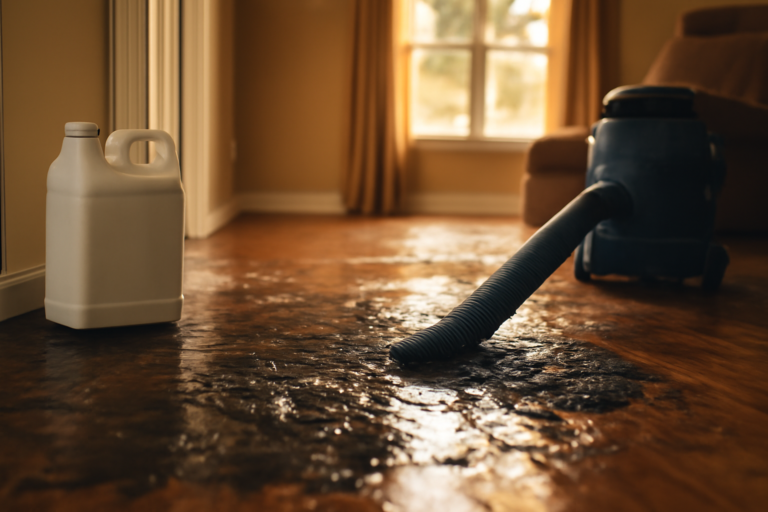
First, our crews will use powerful pumps and vacuums to remove as much standing water as possible from your property. This initial step is crucial for minimizing damage and setting up the drying process. We aim to remove bulk water quickly to prevent further saturation.
Structural Drying Equipment Setup
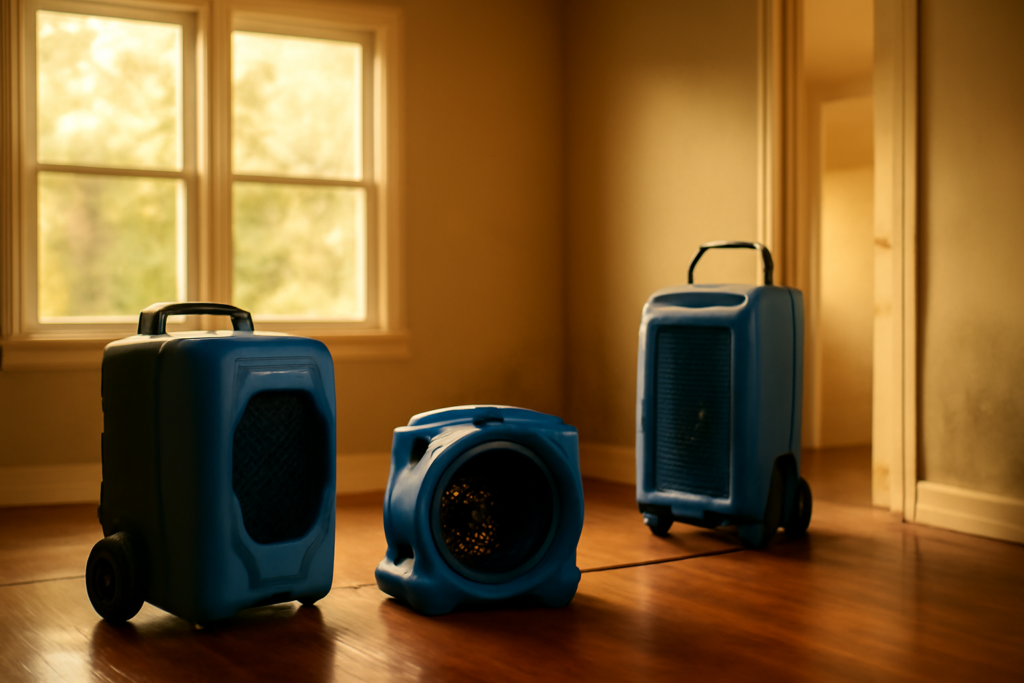
Next, we strategically place specialized drying equipment, including air movers and dehumidifiers, within your home. These machines work together to circulate dry air and pull moisture out of the air and building materials. This phase requires precise placement of equipment for maximum efficiency.
Monitoring and Moisture Measurement
Throughout the drying process, our technicians will regularly monitor humidity levels and moisture content in your building materials. We use advanced meters to ensure we’re drying effectively and to determine when materials are back to their normal moisture levels. This data-driven approach prevents over-drying or under-drying.
Dehumidification
Our high-capacity dehumidifiers actively remove moisture from the air, preventing condensation and further damage. This is key to achieving safe indoor humidity levels and inhibiting mold formation. It’s a critical step for long-term structural integrity.
Final Inspection and Verification
Once our equipment has done its job, we’ll conduct a thorough inspection to confirm that all affected areas are completely dry. We’ll use moisture meters to verify that your property has returned to pre-loss conditions. This final verification ensures success and your satisfaction.
Don’t wait for water damage to become a bigger problem. Call us today for expert structural drying services. We’re ready to help protect your home’s structure.

Warning Signs You Need Structural Drying & Dehumidification
Catching water intrusion early is key to saving money and preventing serious damage to your home. Many signs of hidden moisture aren’t obvious at first glance. Ignoring these signals can lead to expensive structural repairs and potential health risks. We help homeowners identify and address these issues promptly.
Musty Odors That Won’t Go Away
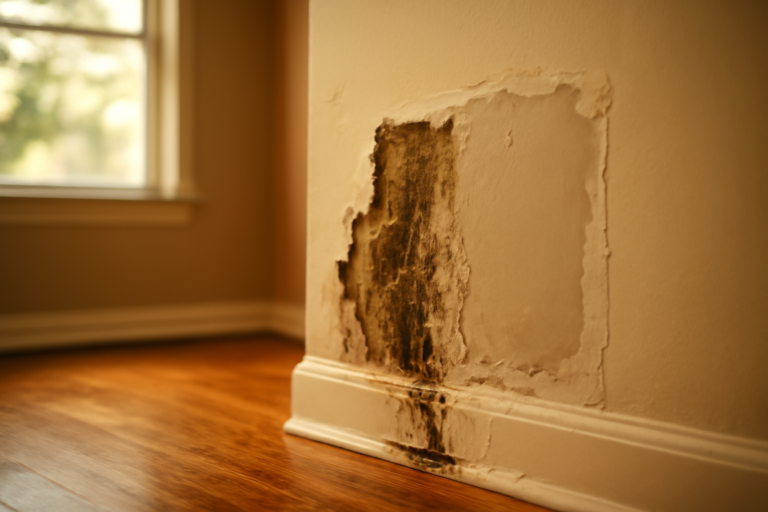
A persistent, musty smell, especially in basements or closed-off rooms, is often a sign of mold or mildew growing behind walls or under floors. This indicates hidden moisture problems that need immediate attention.
Visible Water Stains or Discoloration
Yellow or brown stains on ceilings, walls, or even carpets are clear indicators of past or present water leaks. These marks show where water has penetrated and can lead to material breakdown and decay.
Warped Walls or Ceilings
If you notice drywall sagging, buckling, or walls that feel soft to the touch, it means the underlying materials are saturated. This is a serious structural concern that requires professional drying.
Peeling or Bubbling Paint and Wallpaper
Moisture trapped behind paint or wallpaper can cause it to lose its adhesion, leading to unsightly peeling and bubbling. This symptom suggests water intrusion at the surface level.
Buckled or Warped Flooring
Hardwood floors that cup or buckle, or tile grout that cracks, often signal that moisture is trapped beneath the flooring material. This points to significant water saturation below the surface.
Condensation on Windows or Walls
Excessive condensation, even when it’s not particularly humid outside, can be a sign of poor insulation and interior moisture issues. It suggests high indoor humidity that needs managing.
Structural Drying & Dehumidification vs. DIY: When To Call a Professional
| Situation | DIY? | Call a Pro? | Why |
|---|---|---|---|
| Small spill on hard surface (tile, concrete) | Yes | No | Easy to clean up and dry with fans. |
| Minor shower leak without visible damage | No | Yes | Hidden moisture can cause widespread damage. |
| Water stains on a single ceiling tile | No | Yes | Requires professional assessment to find the source and dry properly. |
| Whole room flooded with inches of water | No | Yes | Requires specialized equipment for extraction and drying. |
| Musty odor in basement or crawlspace | No | Yes | Indicates hidden moisture and potential mold growth. |
| Water intrusion behind walls or under floors | No | Yes | Impossible to access and dry effectively without professional tools. |
For any situation involving water that has penetrated beyond the surface, especially within walls, under floors, or in crawlspaces, calling a professional is always the best route. DIY methods are simply not equipped to handle deep structural moisture removal or prevent hidden mold growth. Our team has the tools and expertise to ensure your property is truly dry.
Structural Drying & Dehumidification Cost in Pearland, TX
The cost of structural drying and dehumidification in Pearland, TX, can vary significantly based on the extent of the water damage, the size of the affected areas, and how long the moisture has been present. These figures are general estimates and not a guarantee of price. Our team provides transparent pricing discussions upfront.
| Service Aspect | Typical Price Range | What Affects Cost |
|---|---|---|
| Initial Water Extraction (up to 500 sq ft) | $500 – $1,500 | Amount of water, accessibility of the area. |
| Air Mover and Dehumidifier Rental (per day) | $50 – $150 | Number of units needed, duration of drying. |
| Moisture Monitoring and Assessment | $300 – $800 | Complexity of the structure, number of readings. |
| Drying of Structural Cavities (walls, ceilings) | $1,000 – $3,000+ | Extent of saturation, number of affected rooms. |
| Specialized Drying Techniques (e.g., subfloor) | $1,500 – $4,000+ | Difficulty of access, duration required. |
| Post-Drying Inspection and Report | $200 – $500 | Level of detail required for insurance. |
Exact pricing for your specific situation will depend on a thorough on-site assessment by our qualified technicians. We offer free, no-obligation estimates to give you a clear understanding of the costs involved. Contact us to schedule your assessment and get accurate cost information.
Service Areas Near Pearland, TX
Alvin, Angleton, Arcola, Bellaire, Brazoria, Clute, Deer Park, Friendswood, Galena Park, Houston, Humble, Jacinto City, Katy, La Marque, La Porte, League City, Manvel, Missouri City, Pasadena, Pearland, Richmond, Rosenberg, Sugar Land, Stafford, Webster, West University Place.
Common Questions About Structural Drying & Dehumidification
How long does structural drying typically take?
The timeline for structural drying can vary greatly, usually ranging from three days to two weeks. It depends on factors like the amount of water, the type of materials affected, and the ambient humidity. We use specialized equipment to speed up the process, but thorough drying is essential to prevent future problems.
Will my insurance company cover the cost of structural drying?
In most cases, if the water damage is caused by a sudden and accidental event like a burst pipe or storm damage, your insurance policy will likely cover structural drying and dehumidification. Our team is experienced in working with insurance adjusters and provides detailed documentation for your claim. We help ensure you receive the coverage you’re entitled to for water damage restoration.
What are the health risks associated with not drying water damage properly?
Failing to dry water-damaged areas thoroughly can lead to mold and mildew growth, which can cause a variety of health problems. These include respiratory issues, allergic reactions, and headaches, especially for individuals with pre-existing conditions. Proper structural drying is crucial for maintaining a healthy indoor environment.
What kind of equipment do you use for structural drying?
We utilize a range of professional-grade equipment, including high-speed air movers to create airflow, industrial-strength dehumidifiers to remove moisture from the air, and specialized moisture meters to gauge the dryness of materials. We also use extraction tools for efficient water removal and sometimes air scrubbers to improve air quality. This equipment is essential for effective drying and restoration.
Can I prevent structural damage from water in the future?
While some water damage is unavoidable, you can take steps to minimize risk. Regular maintenance of plumbing, checking for roof leaks, and ensuring proper drainage around your foundation are key. Promptly addressing any small leaks you discover can prevent them from becoming major structural issues. If you do experience water intrusion, remember that professional drying is vital.
Check Our Other Relevant Services

Gary Gwin: Damage Restoration Expert
With over 20 years of hands-on experience, Gary Gwin is a trusted authority in property recovery and disaster mitigation. As a licensed specialist, Gary has dedicated his career to restoring safety and peace of mind for homeowners facing environmental crises.
𝗖𝗲𝗿𝘁𝗶𝗳𝗶𝗰𝗮𝘁𝗶𝗼𝗻𝘀: Gary holds multiple advanced IICRC certifications, including Water Damage Restoration (WRT), Applied Microbial Remediation (Mold), Applied Structural Drying (ASD), Odor Control, and Fire and Smoke Restoration. His deep technical knowledge ensures every project meets the highest industry standards for health and safety.
𝗕𝗲𝘀𝘁 𝗣𝗮𝗿𝘁 𝗼𝗳 𝘁𝗵𝗲 𝗝𝗼𝗯: Gary finds the most fulfillment in guiding families through the recovery process, transforming a chaotic property loss into a restored, habitable home.
𝗙𝗮𝘃𝗼𝗿𝗶𝘁𝗲 𝗣𝗮𝘀𝘁𝗶𝗺𝗲: When off the clock, Gary enjoys exploring local hiking trails and woodworking.