Trusted by 150+ Homeowners
Structural Drying & Dehumidification in Splendora, TX
- Over 152 5-Star Reviews
- Free Estimates and Quotes
- 100% Satisfaction Guaranteed
- Child, Family & Pet Safe Steps
- 24-Hour Emergency Service
- Fully Licensed & Insured
When Hidden Moisture Threatens Your Splendora Home
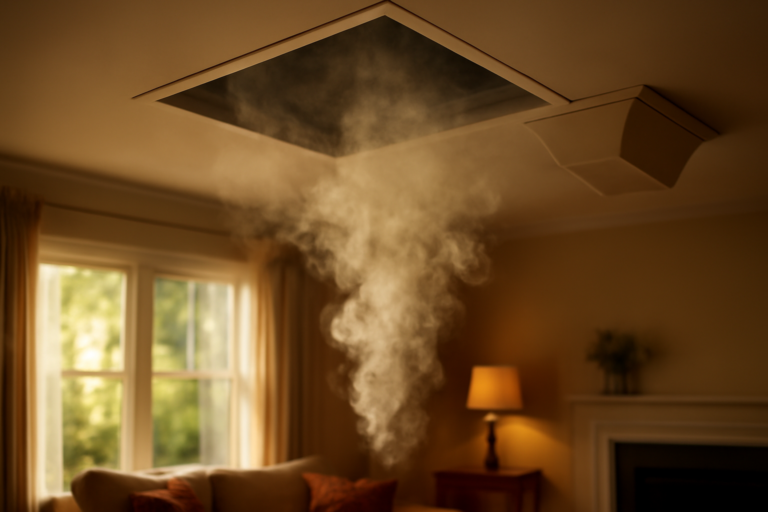
You walk into your kitchen, and there it is. A faint, unpleasant smell you can’t quite place. Maybe you notice a subtle discoloration on the baseboard, or a wall that feels a little soft to the touch. It’s not a flood, but you know something’s wrong. This kind of hidden moisture problem can start small, but it quickly becomes a serious structural issue if not handled. We’re talking about the kind of dampness that creeps into walls, floors, and ceilings, creating a breeding ground for problems you can’t even see yet. It’s crucial to address this structural drying need immediately.
Local homeowners trust us to tackle these invisible threats because we’ve earned it, earning more than 165 five-star reviews from people right here in the area. They know we don’t just mop up visible water; we dive deep to ensure your property is truly dry. Our commitment is to restore your home’s integrity, not just clean up a mess. We understand the unique challenges of our climate and how quickly moisture can become a pervasive problem.
- We deploy specialized equipment designed to extract moisture from deep within building materials, preventing long-term damage and mold growth.
- Our systematic approach targets hidden water, ensuring that even inaccessible areas are thoroughly dried, safeguarding your investment.
- We use advanced monitoring tools to verify that your home reaches and maintains safe humidity levels, giving you confidence in the drying process.
How We Tackle Structural Drying & Dehumidification
Proper structural drying is more than just airing out a room. It’s a science that requires precision, the right tools, and a deep understanding of how water behaves within building materials. When you attempt to dry things yourself, you often miss the moisture that’s burrowed deep into studs, subfloors, or insulation. This unseen water continues to cause harm, leading to rot, mold, and compromised structural integrity down the line. Our team follows strict protocols to ensure every bit of excess moisture is removed effectively and efficiently.
Initial Assessment and Moisture Mapping
First, we’ll conduct a thorough assessment of the affected areas. Using advanced moisture meters and thermal imaging cameras, we create a detailed map of exactly where the water is and how far it has spread. This step is critical for effective planning and helps us determine the scope of the drying needed. It typically takes a few hours, depending on the complexity.
Containment Setup
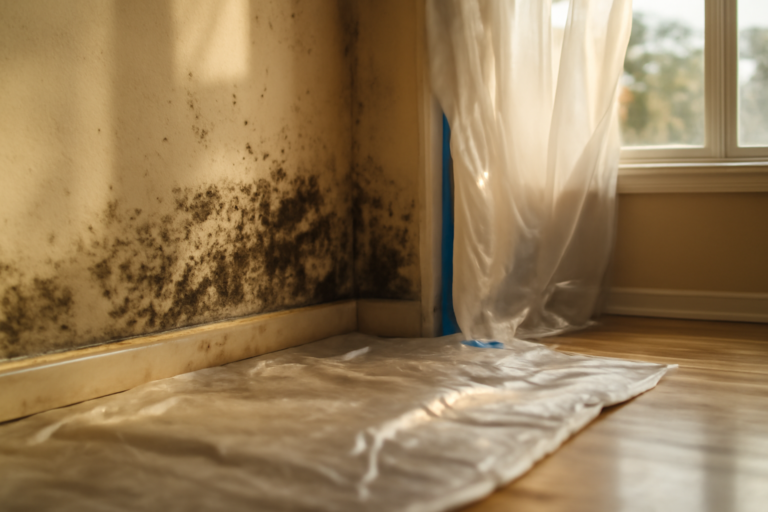
To prevent moisture from spreading further, we establish containment zones. This involves setting up barriers, often using heavy-duty plastic sheeting, to isolate the wet areas from the rest of your home. This ensures that the drying process is focused and efficient, protecting unaffected parts of your property. Setting up containment can take anywhere from 1 to 4 hours.
Water Extraction
If there’s standing water, our powerful extraction equipment will remove it. We use specialized pumps and vacuums designed for water damage situations. This step is vital for removing bulk water and preventing further saturation. The time this takes varies greatly, from 30 minutes for a small area to several hours for extensive flooding.
Air Mover and Dehumidifier Placement
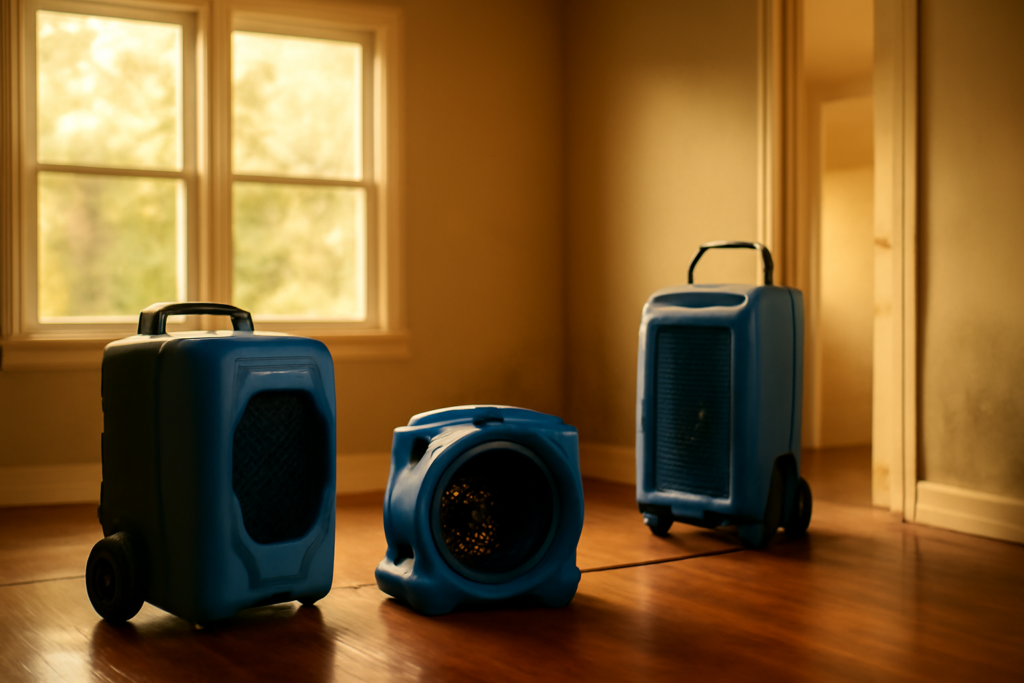
Next, we strategically position industrial-strength air movers and dehumidifiers. Air movers create airflow to help evaporate moisture from surfaces, while dehumidifiers pull that moisture out of the air. This combination is key to the drying process, accelerating evaporation and preventing secondary damage. We’ll leave this equipment running for several days, sometimes weeks, based on your specific situation.
Monitoring and Moisture Verification
Throughout the drying period, our technicians will regularly monitor the humidity and moisture content in the air and building materials. We use calibrated equipment to take readings and confirm that drying is progressing as planned. This ensures complete drying and that your home is safe before we remove our equipment. This ongoing process happens daily until the target moisture levels are met.
Don’t let hidden moisture linger; it’s time to call for professional drying today. Our team is ready to deploy the right equipment and expertise to your property immediately.

Warning Signs You Need Structural Drying & Dehumidification
Ignoring early indicators of moisture problems can turn a minor inconvenience into a major, expensive headache. Catching these signs early is the most effective way to minimize damage and costs. Our local area sees its share of humidity and occasional water intrusion, so knowing what to look for is smart homeowner practice.
Musty Odors That Won’t Go Away
That persistent, earthy smell in certain rooms, closets, or basements is often the first clue. It indicates mold or mildew is likely growing behind walls or under floors due to trapped moisture. You need to investigate these odors now before they spread further.
Discolored or Warped Walls and Ceilings
Look for bubbling paint, peeling wallpaper, or noticeable stains that seem to grow over time. If you see that drywall is sagging or that wooden trim is starting to warp, it’s a clear sign that moisture is saturating the materials. This damage needs immediate attention.
Soft or Spongy Flooring
After a leak or even prolonged high humidity, your carpets, wood floors, or even tile grout can feel soft or spongy underfoot. This indicates that the subfloor beneath has absorbed significant moisture. Don’t delay; address flooring softness immediately to prevent structural compromise.
Condensation on Windows and Pipes
Excessive condensation on interior window panes or visible moisture beading on cold water pipes can signal high indoor humidity. While some condensation is normal in humid weather, a sudden or significant increase means your home’s moisture levels are too high. This requires professional intervention.
Visible Mold or Mildew Growth
Any visible patches of mold or mildew, often appearing as black, green, or white fuzzy spots, are serious red flags. Mold thrives in damp environments and can spread rapidly. Seeing mold means there’s a significant moisture problem that needs immediate professional drying.
Higher Than Usual Utility Bills
If your air conditioning system is running constantly and your energy bills have spiked unexpectedly, it could be because your HVAC is fighting excessive humidity. Trapped moisture makes the air feel heavy and harder to cool. This energy waste signals a problem that needs a professional assessment.
Structural Drying & Dehumidification vs. DIY: When To Call a Professional
| Situation | DIY? | Call a Pro? | Why |
|---|---|---|---|
| Small spill on a hard surface (e.g., tile kitchen floor) | Yes | No | Easy to wipe up and fans can dry the surface quickly. |
| Leak from a minor pipe burst in a wall cavity | No | Yes | Moisture is hidden and requires specialized tools to locate and extract. |
| Water damage from a roof leak after a storm | No | Yes | The extent of damage is often widespread and requires professional assessment and drying equipment. |
| Condensation buildup in a bathroom | Yes | No | Good ventilation and a dehumidifier usually manage this level of moisture. |
| Persistent musty odors throughout the house | No | Yes | Indicates widespread hidden moisture and potential mold growth needing expert intervention. |
| Damage from a sewage backup | Absolutely Not | Yes | Sewage is a biohazard requiring specialized containment, removal, and sanitation. |
While minor, surface-level dampness might be manageable with fans and a home dehumidifier, anything that involves hidden moisture, potential mold growth, or significant water intrusion absolutely requires professional structural drying. Our team has the specialized equipment and expertise to handle these more complex situations effectively and prevent future problems.
Structural Drying & Dehumidification Cost In Splendora, TX
The cost for structural drying and dehumidification in Splendora, TX, can vary significantly. Factors like the size of the affected area, the type of building materials involved, and the duration of moisture exposure all play a role. These figures are estimates to help you plan and aren’t exact quotes.
| Service Aspect | Typical Price Range | What Affects Cost |
|---|---|---|
| Initial Assessment & Moisture Mapping | $300 – $800 | Complexity of the damage and the technology used (e.g., thermal imaging). |
| Containment Setup | $200 – $700 | Size of the area to be contained and the materials needed. |
| Water Extraction (for standing water) | $500 – $2,000+ | Volume of water and the type of extraction equipment required. |
| Industrial Dehumidifier Rental (per unit, per day) | $50 – $150 | Type and capacity of the dehumidifier, and how many are needed. |
| Industrial Air Mover Rental (per unit, per day) | $30 – $100 | Number and power of air movers required for optimal airflow. |
| Ongoing Monitoring and Verification | Included in overall service cost | Frequency of visits and the advanced tools used to confirm dryness. |
Getting an exact price requires our team to visit your property, assess the specific damage, and create a drying plan. We offer free, no-obligation estimates to help you understand the investment needed to properly dry your home.
Service Areas Near Splendora, TX
New Caney, Porter, Kingwood, Humble, Cleveland, Conroe, Willis, Montgomery, The Woodlands, Spring, Tomball, Cypress, Houston, Pasadena, Baytown, La Porte, Deer Park, Pearland, League City, Friendswood.
Common Questions About Structural Drying & Dehumidification
What is structural drying and why is it different from just drying a wet carpet?
Structural drying is a highly technical process focused on removing moisture from deep within building materials like wood studs, concrete, and insulation. It’s essential for preventing hidden damage like mold and rot. Simply drying a carpet addresses only the surface; our team uses specialized equipment and protocols to ensure the entire structure is dried to safe levels, protecting your home’s long-term health.
How long does structural drying usually take?
The timeline for structural drying varies greatly depending on the extent of the water intrusion, the types of materials affected, and ambient humidity. It can range from a few days for minor issues to several weeks for more severe cases. We constantly monitor progress to ensure efficient drying, but it’s crucial to be patient for a truly dry result.
Does my homeowner’s insurance cover structural drying?
Often, yes, especially if the water damage is from a sudden and accidental source like a burst pipe or storm damage. Coverage depends on your specific policy details and the cause of the water loss. We can help you navigate the insurance process and provide the documentation needed to support your claim for structural drying services.
What health risks are associated with not properly drying a home?
The biggest health risk is mold growth, which thrives in damp environments and can cause respiratory problems, allergies, and other health issues. Prolonged moisture can also lead to structural decay, creating unsafe living conditions. Addressing moisture immediately is vital for your family’s well-being and the safety of your property.
What kind of equipment do you use for structural drying?
We use a range of industrial-grade equipment, including high-capacity dehumidifiers that pull large amounts of water vapor from the air, powerful air movers to create consistent airflow and speed evaporation, and specialized moisture meters and thermal imaging cameras to accurately assess and track moisture levels. This equipment is far more effective than anything available for home use, ensuring thorough drying.
Check Our Other Relevant Services
Serving Splendora, TX And Nearby Areas