Trusted by 150+ Homeowners
Structural Drying & Dehumidification in Spring, TX
- Over 152 5-Star Reviews
- Free Estimates and Quotes
- 100% Satisfaction Guaranteed
- Child, Family & Pet Safe Steps
- 24-Hour Emergency Service
- Fully Licensed & Insured
Don’t Let Hidden Moisture Ruin Your Home in Spring, TX
Did you know that it can take up to three years for moisture damage to become visible, even though the structural issues start much sooner? Many homeowners in Spring, TX, don’t realize the extent of water damage until it’s already caused significant problems. Our team specializes in identifying and addressing this hidden threat using advanced structural drying and dehumidification techniques. We understand that dealing with water intrusion can be overwhelming, but we’re here to make the process clear and manageable for you. You’ll find our approach is direct and focused on getting your property back to normal, fast.
We’ve earned the trust of over 165 homeowners in the area, reflected in our many five-star reviews. They choose us for structural drying and dehumidification because we’re not just about removing water; we’re about restoring the integrity of your home. When you work with us, you’re getting a local team that understands the unique challenges faced by properties around here. We provide the detailed attention your home needs to prevent long-term issues.
- We use specialized equipment to extract water from deep within your walls, floors, and ceilings, something standard fans and dehumidifiers just can’t do effectively.
- Our targeted approach helps prevent mold growth by quickly reducing moisture levels to safe, pre-loss conditions, protecting your family’s health.
- We meticulously document the entire drying process, which is crucial for insurance claims and ensures you understand exactly what was done to restore your property.
How Structural Drying & Dehumidification Actually Works
Our process for structural drying and dehumidification is designed to be thorough and efficient. It’s more than just wiping down surfaces; it’s about getting to the root of the moisture problem. When water penetrates building materials like drywall, wood, or insulation, it can linger for weeks or even months, causing hidden damage and creating an environment where mold can thrive. Using the wrong equipment or a less detailed approach can lead to costly repairs down the line, including issues like warped floors, peeling paint, and compromised structural integrity. We ensure every affected area is treated with the right technology.
1. Initial Water Extraction
First, we remove all standing water using powerful truck-mounted or portable extraction units. This step is critical for stopping further damage. We aim to remove bulk water as quickly as possible, often within the first 24 hours, depending on the severity of the water loss.
2. Setting Up Drying Equipment
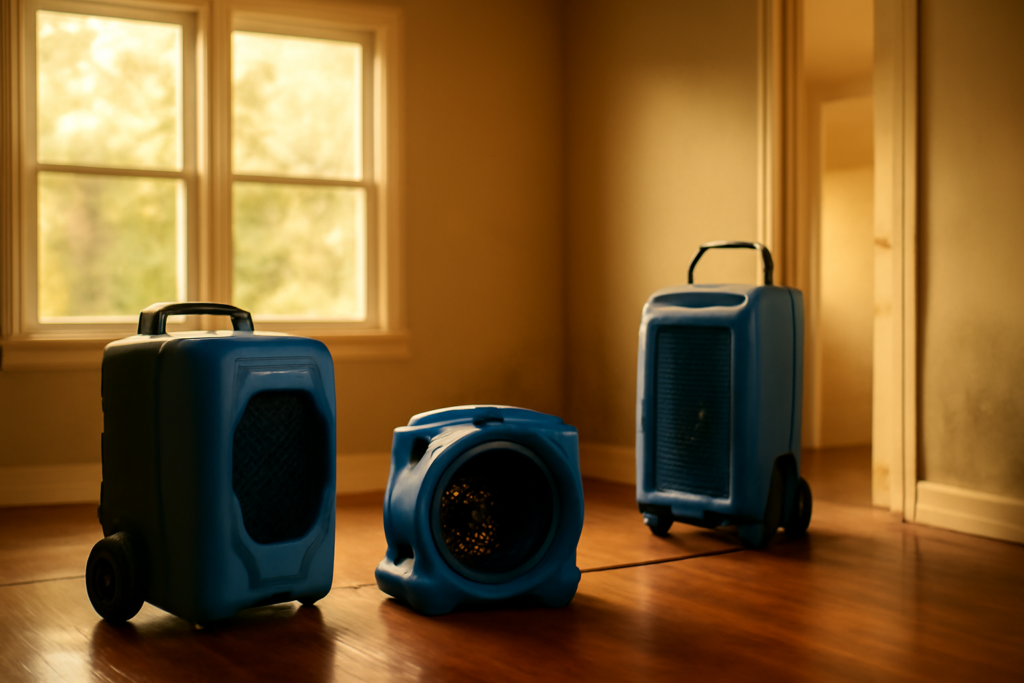
Next, our crews strategically place high-velocity air movers and industrial-grade dehumidifiers throughout your property. These machines work together to circulate air and pull moisture out of the materials and the air. This equipment is specifically designed for water damage restoration and operates 24/7.
3. Monitoring Moisture Levels
Throughout the drying process, we use advanced moisture meters and thermal imaging cameras to track the progress. We check the materials, the air, and the ambient humidity. This allows us to adjust our equipment placement and settings for optimal drying efficiency, ensuring we don’t over-dry or under-dry any area.
4. Containment and Air Filtration
If necessary, we’ll set up containment barriers to isolate affected areas and prevent the spread of moisture or potential contaminants. We also use air scrubbers with HEPA filters to improve air quality by removing airborne particles. This step is vital for maintaining a healthy indoor environment.
5. Final Inspection and Documentation
Once drying goals are met, we conduct a final inspection to confirm that all materials are dried to industry standards. We provide you and your insurance company with detailed documentation of the entire process, including readings and timelines. This ensures transparency and helps with your insurance claim settlement.
Don’t wait for minor moisture issues to become major problems. Contact us today to get your property assessed and drying started immediately. We’re ready to help you get your home back to its dry, safe condition.

Warning Signs You Need Structural Drying & Dehumidification
Catching water damage early is key to minimizing repairs and preventing long-term health risks. Sometimes the signs are obvious, but other times they can be subtle. Ignoring these indicators can lead to much bigger, more expensive issues down the road. Pay close attention to what’s happening in your home, and don’t hesitate to call us if you suspect a problem.
Musty Odors That Won’t Go Away
A persistent damp or musty smell, especially in basements, crawl spaces, or after a leak, is a strong indicator of hidden moisture. This odor is often caused by mold or mildew beginning to grow. It’s your nose telling you there’s a hidden moisture problem.
Discolored or Warped Walls and Ceilings
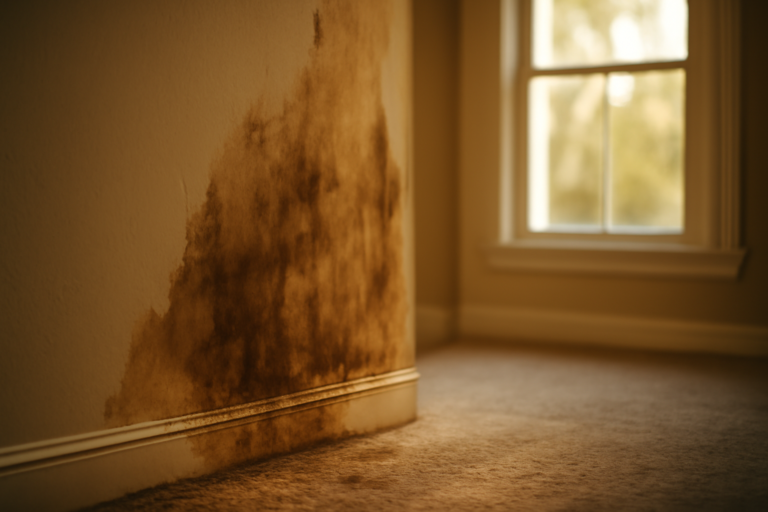
Look for peeling paint, wallpaper that’s bubbling, or visible stains on your walls or ceiling. These are clear signs that water has saturated the drywall or plaster. Warping or sagging materials indicate structural material damage.
Soft or Spongy Flooring
If your carpet feels damp underfoot, or if wood or laminate flooring feels soft, spongy, or is buckling, water has likely infiltrated the subfloor. This type of damage requires immediate attention to prevent further deterioration. You’re looking at underlying water issues.
Condensation on Windows or Pipes
While some condensation is normal, excessive moisture buildup on windows, pipes, or even HVAC vents can signal high indoor humidity levels. This often points to a larger water intrusion or a ventilation problem. It’s a sign of elevated humidity levels.
Unexplained High Water Bills
A sudden, unexplained increase in your water bill can sometimes point to a hidden leak within your plumbing system. Even small, slow leaks can contribute to significant moisture buildup within your home’s structure. This could mean a costly undetected leak.
Visible Mold or Mildew Growth
Any visible patches of mold or mildew, often appearing as black, green, or white fuzzy spots, are a definitive sign of a moisture problem. Mold needs moisture to grow, so seeing it means there’s a water source. This is a serious health hazard warning.
Structural Drying & Dehumidification vs. DIY: When To Call a Pro
| Situation | DIY? | Call a Pro? | Why |
|---|---|---|---|
| Small spill on a hard surface (e.g., kitchen tile) | Yes | No | Easy to clean up and dry with towels and fans. |
| Minor leak from a sink U-bend, contained to cabinet | Yes | Maybe | If you can dry it completely within 24 hours, DIY is fine. Otherwise, call us. |
| Water damage to drywall or insulation | No | Yes | These materials absorb water and require specialized equipment to dry properly and prevent mold. |
| Flooding from a burst pipe or appliance malfunction | No | Yes | Requires immediate, large-scale extraction and drying to prevent structural damage. |
| Sewage backup or contaminated water | Absolutely Not | Yes | Extremely hazardous; requires professional containment, cleanup, and sanitization. |
| Persistent musty odors after a known water event | No | Yes | Indicates hidden moisture and potential mold growth that needs professional assessment. |
When water has soaked into building materials like wood, drywall, or insulation, professional structural drying and dehumidification are almost always necessary. Attempting to dry these materials yourself can lead to long-term issues like mold, rot, and weakened structures. We have the right tools and expertise to handle these complex situations effectively.
Structural Drying & Dehumidification Cost In Spring, TX
The cost for structural drying and dehumidification in Spring, TX, can vary significantly based on the size of the affected area, the type of materials damaged, and how long the water has been present. These are estimates, and a precise quote requires an on-site inspection. We work diligently to provide clear pricing and help you navigate the insurance process to manage these costs.
| Service Aspect | Typical Price Range | What Affects Cost |
|---|---|---|
| Water Extraction (Initial) | $500 – $2,500 | Volume of water, accessibility, and speed of response. |
| Structural Drying Equipment Rental (Daily) | $100 – $300 | Number and type of air movers and dehumidifiers needed. |
| Moisture Monitoring & Assessment | $300 – $1,000 | Complexity of the damage, number of site visits, and advanced tools used. |
| Containment & Air Filtration | $400 – $1,500 | Size of the area requiring containment and duration of air scrubbing. |
| Mold Prevention Treatment | $300 – $1,000 | Area size and type of antimicrobial treatment applied. |
| Emergency Service Call (After Hours) | +$200 – $500 | Time of day or week the service is requested. |
Getting an accurate estimate is the first step toward recovery. We offer free, no-obligation assessments for structural drying needs. Let us help you understand the scope of the work and the associated costs.
Service Areas Near Spring, TX
Tomball, The Woodlands, Cypress, Houston, Conroe, Humble, Kingwood, Katy, Sugar Land, Pearland, Pasadena, League City, Webster, Friendswood, Clear Lake City, Missouri City, Stafford, Richmond, Rosenberg, La Porte.
Common Questions About Structural Drying & Dehumidification
How long does structural drying usually take?
The drying process typically takes three to five days, but it can extend to two weeks or longer for severe water damage or materials that hold a lot of moisture, like concrete or dense wood. We monitor moisture levels closely to determine when your property is truly dry. Our goal is to restore your home efficiently while ensuring thoroughness.
Will my homeowner’s insurance cover structural drying and dehumidification?
In most cases, yes. Homeowner’s insurance policies generally cover damage caused by sudden and accidental water events, which includes the cost of professional structural drying. We have extensive experience working with insurance adjusters and can help document the damage and the necessary drying procedures for your claim. This makes the insurance claim process smoother for you.
What happens if structural drying isn’t done properly?
If structural drying isn’t performed correctly, you risk developing serious secondary damage. This includes mold growth, which can cause health problems and further structural damage, as well as rot, warping of materials, and potential electrical hazards. It’s crucial to address moisture issues promptly with the right equipment and expertise to prevent these long-term consequences.
What kind of equipment do you use for structural drying?
We utilize a range of specialized equipment, including high-powered air movers to increase airflow, industrial-grade dehumidifiers to remove moisture from the air, and sometimes LGR (Low-Grain Refrigerant) dehumidifiers for extreme humidity. We also use moisture meters, thermal imaging cameras, and hygrometers to accurately assess and monitor drying progress. This ensures we’re using the most effective drying technology.
Can I prevent mold after a water leak if I dry it myself?
While you can dry minor surface water yourself, preventing mold after a leak requires reducing moisture levels below a certain threshold very quickly. If water has penetrated walls, floors, or insulation, it’s very difficult to dry completely without professional equipment. Mold can start growing in as little as 24-48 hours, so for significant leaks, it’s best to call us to ensure complete moisture removal and mold prevention.
Check Our Other Relevant Services
Serving Spring, TX And Nearby Areas