Trusted by 150+ Homeowners
Structural Drying & Dehumidification in Willis, TX
- Over 152 5-Star Reviews
- Free Estimates and Quotes
- 100% Satisfaction Guaranteed
- Child, Family & Pet Safe Steps
- 24-Hour Emergency Service
- Fully Licensed & Insured
Mastering Structural Drying & Dehumidification in Willis, TX
We’ve seen it all when it comes to water damage impacting homes and businesses right here in the Willis, TX area. From leaky pipes that turn into hidden moisture problems to more significant storm events, you’re often dealing with more than just visible water. It’s the hidden moisture within your walls and under your floors that poses the real threat, leading to mold and structural decay if not addressed promptly. Our team’s extensive experience means we understand the unique challenges of building materials and the local climate, ensuring your property gets the expert drying attention it deserves. We know how stressful this can be, and our primary goal is to make the structural drying process as straightforward as possible for you.
Homeowners around here consistently choose us for their structural drying needs, and it’s not just about our equipment. It’s about the trust built over years of delivering results. With over 165 five-star reviews from your neighbors, you can be confident that we’re dedicated to restoring your property effectively. We understand the disruption water damage causes to your life, and our focus is on getting your home back to its dry, safe state with minimal inconvenience. You’ll find our crews are not just skilled, but also genuinely committed to helping you through this difficult time.
- We deploy advanced moisture meters and thermal imaging to pinpoint every pocket of hidden water, ensuring no area is overlooked for complete structural drying.
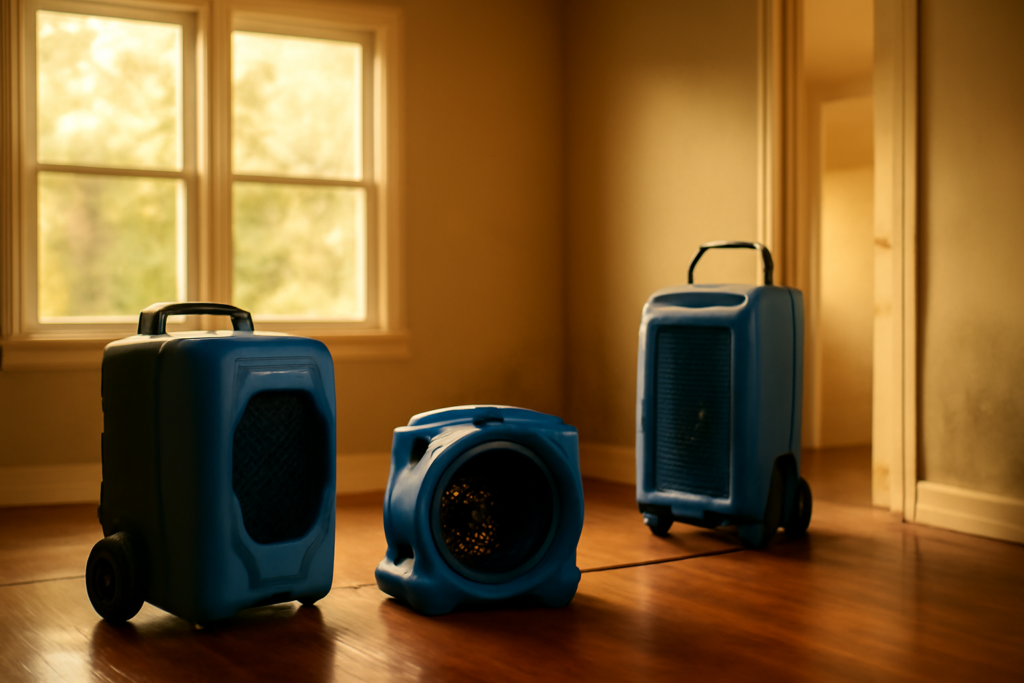
- Our specialized dehumidifiers work continuously to rapidly extract excess moisture from the air and building materials, preventing secondary damage like mold growth and safeguarding your home’s integrity.
- We provide detailed documentation throughout the drying process, which can be invaluable for your insurance claims and offers you clear insight into the restoration progress.
How Structural Drying & Dehumidification Actually Works
Getting water out of your structure isn’t as simple as mopping up a spill. It requires a methodical, science-based approach to truly dry out the materials themselves – the wood framing, insulation, and drywall. If these materials aren’t dried properly, you’re inviting long-term problems like rot, mold, and compromised structural support. Our process is designed to be thorough, efficient, and to protect your investment by removing moisture at its source. We utilize specialized equipment and techniques to achieve a truly dry environment, far beyond what you could manage on your own.
Step 1: Initial Water Extraction
Before we can start drying, we need to remove as much standing water as possible. Our technicians use powerful truck-mounted or portable extraction units to quickly pull water from carpets, floors, and subfloors. This initial step is crucial for minimizing water saturation and preventing further damage. It’s about getting the bulk of the water out so we can focus on the remaining moisture.
Step 2: Moisture Assessment and Mapping
Once the standing water is gone, we conduct a detailed assessment. Using IICRC-certified techniques and advanced tools like moisture meters and infrared cameras, we map out exactly where moisture is trapped. This allows us to identify hidden water sources and create a targeted drying plan for your property. Understanding the full extent of the moisture is key to effective drying.
Step 3: Controlled Air Movement
To speed up the drying process, we strategically place high-velocity air movers. These specialized fans create airflow across wet surfaces and within wall cavities, helping to evaporate trapped moisture. This controlled airflow is essential for accelerating the drying timeline and preventing mold from taking hold. We ensure the air circulation is optimized for your specific situation.
Step 4: Advanced Dehumidification
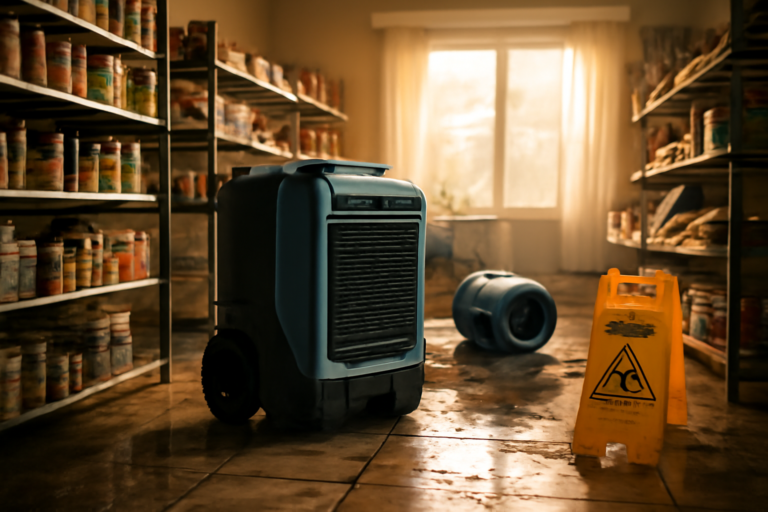
While air movers encourage evaporation, dehumidifiers are what actually remove the moisture from the air. We deploy industrial-grade dehumidifiers that pull large amounts of water vapor from the environment. These units are far more powerful than anything you can buy at a retail store and are critical for achieving dry structural materials. They work tirelessly to lower humidity levels effectively.
Step 5: Continuous Monitoring and Validation
Drying isn’t a set-it-and-forget-it process. Our crews regularly monitor moisture levels throughout your property using specialized equipment. We continue to adjust our drying strategy as needed until we can validate that your structure has reached a safe, dry standard. This meticulous monitoring ensures long-term structural stability and prevents future issues.
Don’t let hidden moisture compromise your home. Contact us today to get a professional assessment and start the drying process immediately. You’ll be glad you took prompt, decisive action.

Warning Signs You Need Structural Drying & Dehumidification
Catching water damage early is vital to preventing costly repairs and potential health hazards. Sometimes, the signs of water intrusion aren’t obvious, but they are there. Ignoring these subtle indicators can lead to much bigger problems down the line, like mold growth and structural weakening. Recognizing these early warning signs can save you significant stress and expense. We’re here to help you identify them.
Musty Odors That Won’t Go Away
A persistent, musty, or earthy smell, especially in enclosed spaces like closets or basements, is a strong indicator of trapped moisture and potential mold growth. This smell often signifies hidden water issues that need immediate attention.
Discolored or Peeling Paint/Wallpaper
Bubbling, peeling, or cracking paint or wallpaper can be a sign that moisture is trapped behind the surface. This indicates that the building materials are compromised by excess water.
Warped or Stained Ceilings and Walls
Visible water stains, sagging drywall, or warped sections on your walls or ceilings are clear signs of water intrusion. These are critical indicators of significant moisture problems that require professional drying.
Soft or Spongy Flooring
If your carpet feels unusually damp, or your wood or laminate flooring feels soft, spongy, or is beginning to buckle, it means water has saturated the subfloor and materials. This is a direct sign of unaddressed water damage.
Increased Humidity Levels
A noticeable increase in the humidity within your home, even when the weather outside isn’t particularly humid, can mean there’s a hidden water source or inadequate drying after an event. This often signals ongoing moisture issues.
Condensation on Windows or Pipes
Excessive condensation on windows, mirrors, or plumbing pipes can be a symptom of high indoor humidity. This suggests that moisture isn’t being properly managed within your home’s environment.
Structural Drying & Dehumidification vs. DIY: When To Call a Professional
| Situation | DIY? | Call a Pro? | Why |
|---|---|---|---|
| Small spill on hard flooring (tile, concrete) | Yes | No | Easy to clean up and dry with fans and towels. |
| Minor carpet wetting from a small leak (less than 10 sq ft) | Maybe | Yes | Requires thorough drying to prevent subfloor damage and mold. |
| Water in drywall or insulation | No | Yes | Cannot be effectively dried without specialized equipment and knowledge to prevent mold. |
| Saturated wood framing or subfloors | No | Yes | Requires industrial dehumidifiers and air movers to prevent structural compromise. |
| Any water damage after 24-48 hours | No | Yes | Mold can start growing quickly; professional intervention is needed to halt it. |
| Water damage from sewage or contaminated sources | Absolutely Not | Yes | Requires specialized containment, cleaning, and drying protocols for safety. |
While small, contained spills on hard surfaces might be manageable with DIY efforts, anything involving carpets, drywall, insulation, or extended periods of wetness warrants professional attention. Improper drying can lead to long-term structural damage and mold issues that are far more expensive to fix later. Trusting the job to experienced professionals ensures your property is dried correctly and safely.
Structural Drying & Dehumidification Cost in Willis, TX
The cost for structural drying and dehumidification in Willis, TX can vary significantly based on the extent of the water damage, the size of the affected area, and the specific materials that need drying. These price ranges are estimates and a detailed on-site assessment is always needed for an accurate quote. We aim for transparent pricing and clear communication.
| Service Aspect | Typical Price Range | What Affects Cost |
|---|---|---|
| Initial Water Extraction (up to 500 sq ft) | $400 – $1,200 | Amount of water, type of flooring, and accessibility. |
| Moisture Assessment & Drying Plan | $300 – $800 | Complexity of the water intrusion and building structure. |
| Air Mover & Dehumidifier Rental (per unit, per day) | $50 – $150 | Number of units needed and duration of rental. |
| Structural Drying (per room, standard) | $800 – $2,500 | Size of the room, depth of saturation, and materials affected. |
| Mold Prevention Treatment (if needed) | $300 – $1,000 | Area treated and type of preventative solution used. |
| Post-Drying Moisture Verification | $200 – $500 | Number of check-ins and areas requiring verification. |
An accurate quote requires a hands-on inspection of your property. We offer free, no-obligation estimates for all structural drying and dehumidification projects. Contact us to schedule your on-site assessment and get a clear understanding of your specific costs.
Service Areas Near Willis, TX
Willis, Conroe, Montgomery, New Caney, Cleveland, Splendora, Porter, Humble, Spring, Tomball, Magnolia, The Woodlands, Cypress, Houston, Katy, Sugar Land, Pearland, Friendswood, League City, Galveston.
Common Questions About Structural Drying & Dehumidification
How long does structural drying usually take?
The timeline for structural drying can vary greatly, typically ranging from three days to two weeks. Factors like the amount of water, the types of materials affected (e.g., dense wood vs. drywall), and ambient humidity all play a role. We use advanced monitoring to expedite the process safely and ensure your property is dried thoroughly.
Will my insurance cover structural drying and dehumidification?
In most cases, yes, if the water damage is from a covered peril like a burst pipe or storm damage. Insurance policies usually cover the cost of necessary water extraction, drying, and dehumidification to prevent further damage. We work closely with insurance adjusters to provide detailed documentation and help ensure your claim is processed smoothly for your peace of mind.
How do I know if I need professional structural drying, or if I can handle it myself?
If water has saturated carpets, drywall, insulation, or subflooring, or if the area is larger than a small spill, it’s time to call a professional. DIY methods are rarely sufficient for deep structural drying and can lead to mold or long-term damage. Our team has the specialized equipment and expertise to ensure your property is dried correctly from the inside out.
What are the health risks associated with not drying properly?
The primary health risk from inadequate drying is mold growth, which can trigger allergies, asthma, and other respiratory issues. Trapped moisture can also lead to the deterioration of building materials, creating unsafe living conditions. Prompt and thorough structural drying is essential for maintaining a healthy indoor environment and preventing these issues.
Can you dry out a basement that flooded from heavy rains?
Yes, we specialize in drying out properties affected by various types of water damage, including basement flooding from rain. Our process involves assessing the extent of saturation, removing standing water, and then using powerful air movers and dehumidifiers to draw moisture out of the foundation, walls, and flooring. We’ll work to restore your basement’s dryness and prevent secondary damage.
Check Our Other Relevant Services
Serving Willis, TX And Nearby Areas