Trusted by 150+ Homeowners
Subfloor And Under-House Water Leak Repair in Galveston, TX
- Over 152 5-Star Reviews
- Free Estimates and Quotes
- 100% Satisfaction Guaranteed
- Child, Family & Pet Safe Steps
- 24-Hour Emergency Service
- Fully Licensed & Insured
Don’t Let a Hidden Leak Ruin Your Galveston Home
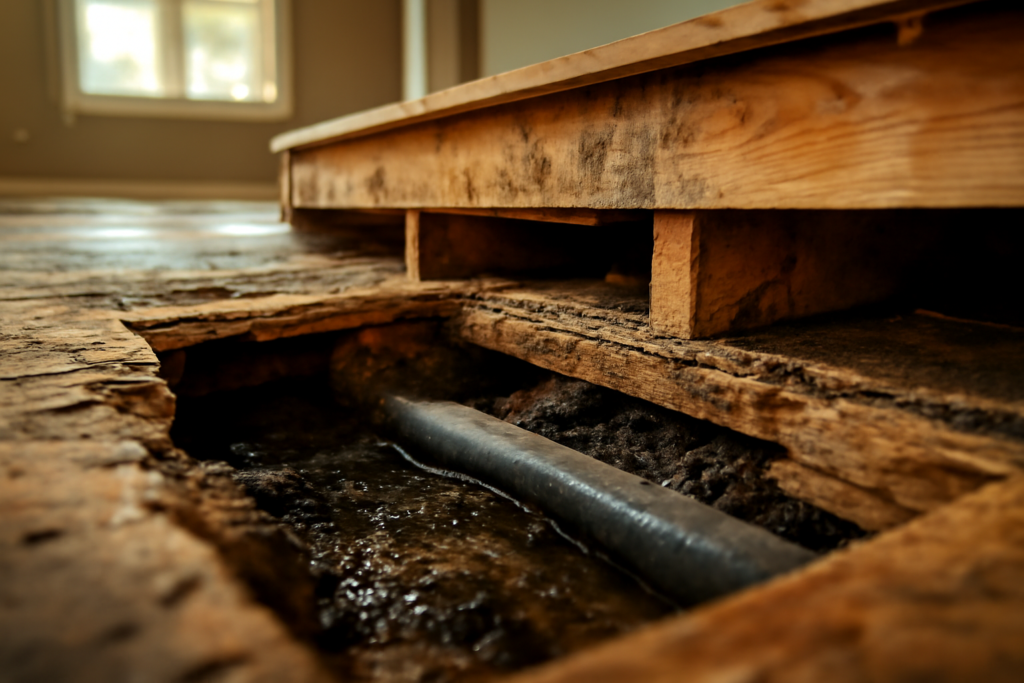
You walk into your kitchen, and there it is. A soft spot underfoot, maybe a faint smell of mildew you can’t quite place. Your heart sinks. You’re looking at a potential subfloor water leak, right here in Galveston, TX. It’s a problem that doesn’t just sit there; it spreads, causing hidden structural damage and inviting unwanted mold growth. You need to act, and you need to act fast.
With over 165 five-star reviews from your neighbors, it’s clear that when homeowners in the area face this specific challenge, they trust our team. We’ve seen it all, from minor seepages to significant water intrusion under the house. You’ll get a clear explanation of what’s happening and a detailed plan to fix it right the first time.
- We stop the source of the leak, preventing further saturation and property damage.
- Our advanced drying equipment removes moisture from your subfloor and the crawlspace, inhibiting mold and rot.
- We restore your home’s integrity, protecting your investment and your family’s health.
How We Tackle Subfloor Water Leaks
Dealing with a leak under your house requires a methodical approach. Simply mopping up the visible water isn’t enough. You need to address the moisture that’s already soaked into your subfloor and the surrounding environment. Cutting corners here can lead to persistent mold issues and long-term structural weakness. Our crews use specialized equipment and proven techniques to ensure your property is thoroughly dried and protected.
Step 1: Immediate Water Extraction
First, we get to the standing water. We use powerful truck-mounted extraction units to remove as much bulk water as possible. This prevents water from spreading further and causing additional harm. This initial step is crucial for minimizing saturation and setting the stage for effective drying.
Step 2: Moisture Detection and Assessment
Once the bulk water is gone, we use advanced moisture meters and thermal imaging cameras. These tools help us pinpoint exactly where the moisture is hiding, even behind walls or deep within your subfloor. Understanding the full extent of moisture is key to a complete restoration. We’ll show you the readings so you understand the problem.
Step 3: Containment and Airflow
To speed up drying and prevent cross-contamination, we often set up containment barriers. Then, we strategically place high-velocity air movers. These machines create powerful airflow across wet surfaces, accelerating evaporation. Properly managed airflow is essential for efficient moisture removal.
Step 4: Dehumidification
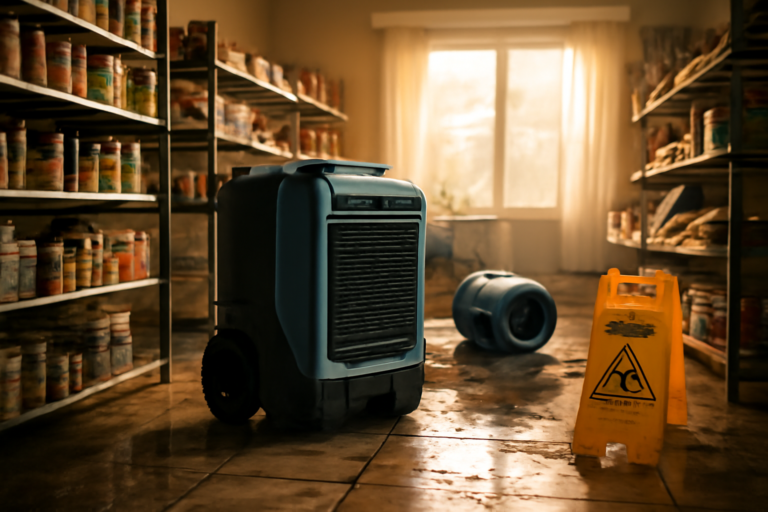
As water evaporates, it increases humidity. We use industrial-grade dehumidifiers to pull that excess moisture out of the air. This process lowers the humidity levels in your crawlspace or under the house, allowing the subfloor and structural materials to dry completely. It’s a critical drying component.
Step 5: Ongoing Monitoring and Verification
We don’t just set up equipment and leave. Our technicians will regularly monitor moisture levels and adjust the drying plan as needed. We continue until all affected materials are dried to industry standards, ensuring there’s no lingering moisture that could cause future problems. This diligent monitoring guarantees a successful outcome.
Don’t wait for that small leak to become a big, expensive mess. Call us today for fast, effective subfloor repair.
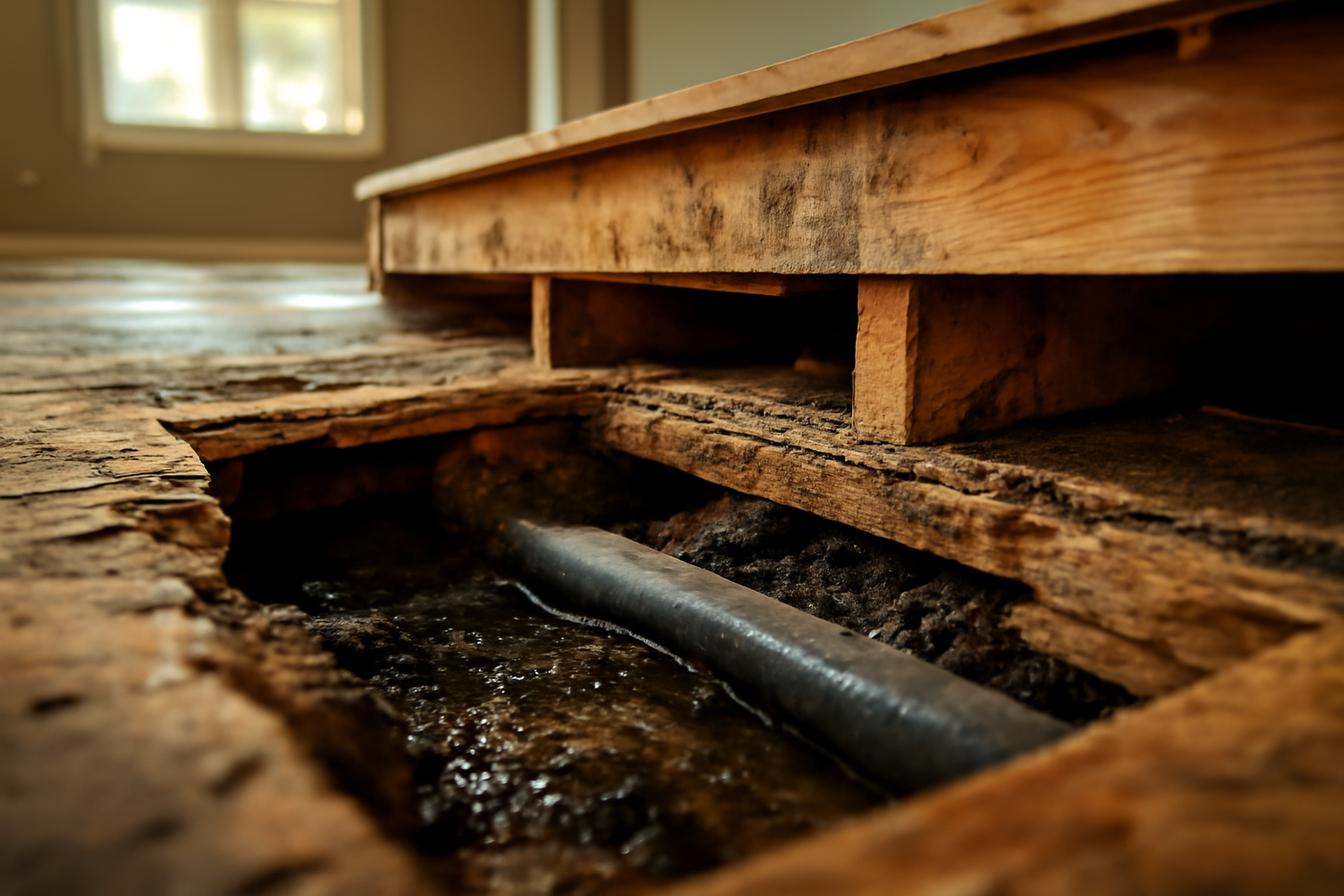
Warning Signs You Need Subfloor And Under-House Water Leak Repair
Catching a subfloor leak early can save you a lot of money and hassle. Ignoring these signs can lead to significant structural issues and health concerns down the line. Your home is telling you something is wrong, so pay attention to these common indicators.
Musty or Moldy Odors
If you notice a persistent damp, musty, or moldy smell, especially in lower levels or near the foundation, it’s a strong indicator of hidden moisture. This smell often comes from mold growth in dark, damp spaces like under your subfloor.
Soft or Spongy Flooring
Walk across your floors. Do any spots feel unusually soft, spongy, or give way slightly under your weight? This is a direct sign that the subfloor beneath is compromised by moisture, weakening its structure. It suggests water saturation you can’t ignore.
Visible Water Stains or Dark Spots
Look for discoloration, water stains, or dark patches on your subfloor, joists, or even the ceiling below if you have a room underneath. These are clear visual cues that water has been present and is likely still affecting the materials. They point to a direct water intrusion.
Warped or Buckling Floorboards
Wood expands when it absorbs moisture. If you see floorboards that are uneven, warped, or buckling, it’s a sign that the subfloor underneath is damp and causing the material above to shift. This indicates significant moisture exposure.
Peeling or Bubbling Baseboards
Water migrating upwards can affect the lower parts of your walls, causing paint to peel or baseboards to bubble and separate from the wall. This often happens because the moisture from the subfloor is seeping into the wall cavity. It’s a sign of moisture wicking.
Increased Humidity or Dampness
If your home generally feels more humid than usual, or you notice a persistent dampness in the air, especially at ground level, it could be due to a leak under the house. This affects your indoor air quality and comfort.
Subfloor And Under-House Water Leak Repair vs. DIY: When To Call a Professional
| Situation | DIY? | Call a Pro? | Why |
|---|---|---|---|
| Small, visible puddle in a dry crawlspace | Yes | No | Can often be mopped up and dried with fans. |
| Musty odor in the house, no visible water | No | Yes | Indicates hidden moisture and potential mold. |
| Soft spots on your floor | No | Yes | Subfloor is likely water-damaged and needs expert drying. |
| Suspected leak from plumbing inside a wall | No | Yes | Requires professional leak detection and repair. |
| Dampness after heavy rain, then it dries | Yes (monitor closely) | No (initially) | Could be minor seepage, but watch for recurring issues. |
| Warpped or damaged subfloor material | No | Yes | Requires specialized drying and potential repair/replacement. |
While minor dampness might be manageable with fans and good ventilation, any sign of persistent moisture, structural compromise, or mold growth requires professional intervention. Our team has the specialized equipment and expertise to handle these complex situations effectively and efficiently.
Subfloor And Under-House Water Leak Repair Cost In Galveston, TX
The cost for subfloor and under-house water leak repair in Galveston, TX can vary significantly. Factors like the size of the affected area, the extent of the water damage, the complexity of accessing the space, and the required drying time all play a role. These are estimates to give you an idea.
| Service | Typical Price Range | What Affects Cost |
|---|---|---|
| Water Extraction (initial) | $300 – $1,000 | Volume of water, accessibility of the space. |
| Moisture Assessment & Testing | $200 – $600 | Use of advanced equipment like thermal cameras. |
| Drying & Dehumidification Setup | $500 – $2,500 (per day/week) | Size of the affected area, number of units needed, duration. |
| Mold Remediation (if necessary) | $1,000 – $7,000+ | Severity and spread of mold growth. |
| Subfloor Repair/Reinforcement | $500 – $3,000+ | Extent of damage, type of material needing repair. |
| Structural Drying Verification | $150 – $400 | Professional verification of dryness standards. |
A thorough on-site assessment is the only way to get an accurate quote. We offer free estimates, so you’ll know exactly what to expect before we begin any work.
Service Areas Near Galveston, TX
Texas City, La Marque, Hitchcock, Alta Loma, Santa Fe, Friendswood, League City, Dickinson, Kemah, Seabrook, Bacliff, San Leon, Bayou Vista, Clear Lake Shores, Webster, Alvin, Manvel, Pearland, Angleton, Lake Jackson.
Common Questions About Subfloor And Under-House Water Leak Repair
How quickly do I need to address a subfloor leak?
You need to act immediately. Even a small leak can saturate your subfloor and surrounding materials within hours, creating the perfect environment for mold growth and structural weakening. The longer you wait, the more extensive and costly the repairs will become. Our team is ready to respond promptly to your call.
Will my homeowner’s insurance cover subfloor water leak repair?
It often depends on the cause of the leak. Standard policies typically cover sudden, accidental water damage, but may exclude damage from long-term neglect or poor maintenance. We recommend reviewing your policy and contacting your insurance provider. We can provide detailed documentation to support your claim and work with your adjuster to ensure proper coverage.
What are the health risks associated with subfloor water damage?
The primary health risk is mold growth. Mold spores can become airborne and cause respiratory problems, allergic reactions, and other health issues, especially for those with pre-existing conditions. Damp environments can also attract pests. We take air quality seriously and use containment and specialized cleaning to mitigate these risks.
How long does the drying process usually take?
The drying time can vary significantly, typically ranging from 24 hours to two weeks or more. Factors include the amount of water, the type of materials affected, humidity levels, and airflow. We use advanced drying technology and continuously monitor progress to expedite the process safely.
Can I prevent subfloor water leaks?
Regular maintenance is key. Ensure your gutters and downspouts are clear and directing water away from your foundation. Check for any visible leaks in plumbing lines under your house or around appliances. Maintaining proper drainage around your property also helps. We can also perform inspections to identify potential weak points before they become problems.
Check Our Other Relevant Services

Gary Gwin: Damage Restoration Expert
With over 20 years of hands-on experience, Gary Gwin is a trusted authority in property recovery and disaster mitigation. As a licensed specialist, Gary has dedicated his career to restoring safety and peace of mind for homeowners facing environmental crises.
𝗖𝗲𝗿𝘁𝗶𝗳𝗶𝗰𝗮𝘁𝗶𝗼𝗻𝘀: Gary holds multiple advanced IICRC certifications, including Water Damage Restoration (WRT), Applied Microbial Remediation (Mold), Applied Structural Drying (ASD), Odor Control, and Fire and Smoke Restoration. His deep technical knowledge ensures every project meets the highest industry standards for health and safety.
𝗕𝗲𝘀𝘁 𝗣𝗮𝗿𝘁 𝗼𝗳 𝘁𝗵𝗲 𝗝𝗼𝗯: Gary finds the most fulfillment in guiding families through the recovery process, transforming a chaotic property loss into a restored, habitable home.
𝗙𝗮𝘃𝗼𝗿𝗶𝘁𝗲 𝗣𝗮𝘀𝘁𝗶𝗺𝗲: When off the clock, Gary enjoys exploring local hiking trails and woodworking.