Trusted by 150+ Homeowners
Subfloor And Under-House Water Leak Repair in Iowa Colony, TX
- Over 152 5-Star Reviews
- Free Estimates and Quotes
- 100% Satisfaction Guaranteed
- Child, Family & Pet Safe Steps
- 24-Hour Emergency Service
- Fully Licensed & Insured
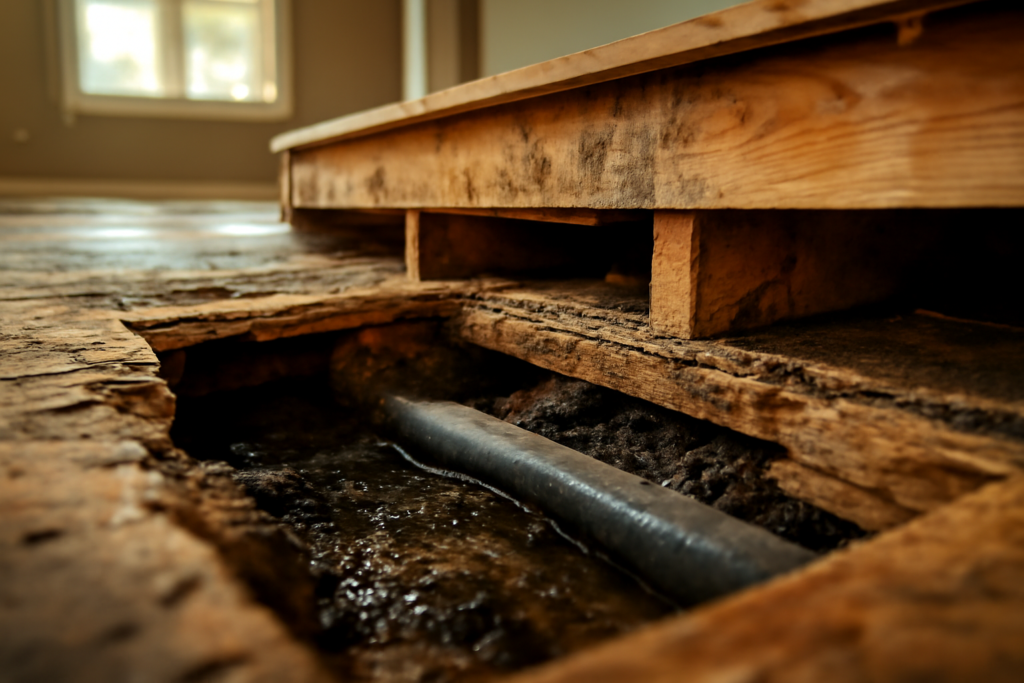
Don’t Let Hidden Moisture Ruin Your Home: Subfloor And Under-House Water Leak Repair in Iowa Colony, TX
Did you know that water damage claims can cost homeowners thousands of dollars each year, and a significant portion of that often stems from slow, hidden leaks? It’s true. Many homeowners in Iowa Colony, TX, don’t realize the extent of damage developing beneath their floors until it’s quite advanced. These unseen moisture issues can lead to serious structural problems and even affect your home’s air quality before you even notice a damp spot on the carpet. Understanding the risks associated with subfloor and under-house water is the first step toward protecting your investment.
We’ve helped over 165 local families recover from water damage, earning more than 165 five-star reviews along the way. Homeowners around here trust our team because we offer a direct, practical approach to fixing these hidden leaks. You’re not just getting a repair; you’re getting a clear plan and a team that communicates every step of the way, ensuring your home is restored properly. We know how stressful dealing with unexpected water issues can be.
- We specialize in locating and repairing the source of leaks you can’t see, preventing further rot and mold growth in your subflooring.
- Our team works directly with your insurance company to help document the damage and navigate the claims process, saving you time and hassle.
- We use advanced drying techniques and equipment to ensure the affected areas are thoroughly dried, stopping moisture in its tracks and preventing secondary damage.
How We Tackle Subfloor And Under-House Water Leaks
A proper process for subfloor and under-house water leak repair is absolutely critical. Cutting corners here means you’re likely facing the same problem again soon, or worse, dealing with mold and structural decay that’s far more expensive to fix. Our crews follow a structured, detailed approach to ensure we identify the source, mitigate the damage, and restore your home safely and effectively. You’ll know exactly what to expect from start to finish.
1. Initial Inspection and Leak Detection
Our process begins with a thorough inspection of your property. We use specialized equipment, like moisture meters and thermal imaging cameras, to pinpoint the exact source and extent of the water intrusion. This detailed assessment helps us understand the scope of the problem, typically taking a few hours depending on the complexity.
2. Water Extraction and Removal
Once the source is identified, we immediately begin removing standing water. We utilize powerful, commercial-grade pumps and extractors to remove as much water as possible. This step is crucial for preventing further damage and is usually completed within 24 to 48 hours after we arrive on site.
3. Drying and Dehumidification
After the bulk of the water is gone, we set up industrial-grade drying equipment, including air movers and dehumidifiers. These machines work continuously to pull moisture from the air and building materials, reducing humidity levels to safe standards. This phase can take several days to a week, depending on how saturated the materials are.
4. Mold Prevention and Remediation
Where moisture has been present, mold can quickly start to grow. We take proactive steps to prevent mold by applying antimicrobial treatments to affected areas. If mold is already present, our certified technicians will safely remove and remediate it, ensuring your home is healthy again. This step is integrated into the drying process and can add a day or two to the timeline.
5. Structural Repair and Restoration
Finally, we address any necessary structural repairs. This might involve replacing damaged subflooring, joists, or insulation. Our goal is to restore your home to its pre-loss condition, ensuring its integrity and your safety. The time for this phase varies greatly based on the extent of the damage, from a few days to a couple of weeks.
Don’t let hidden water issues fester. Contact us today to schedule your inspection and get a clear understanding of the damage and repair plan. We’re here to help you get your home back to normal.
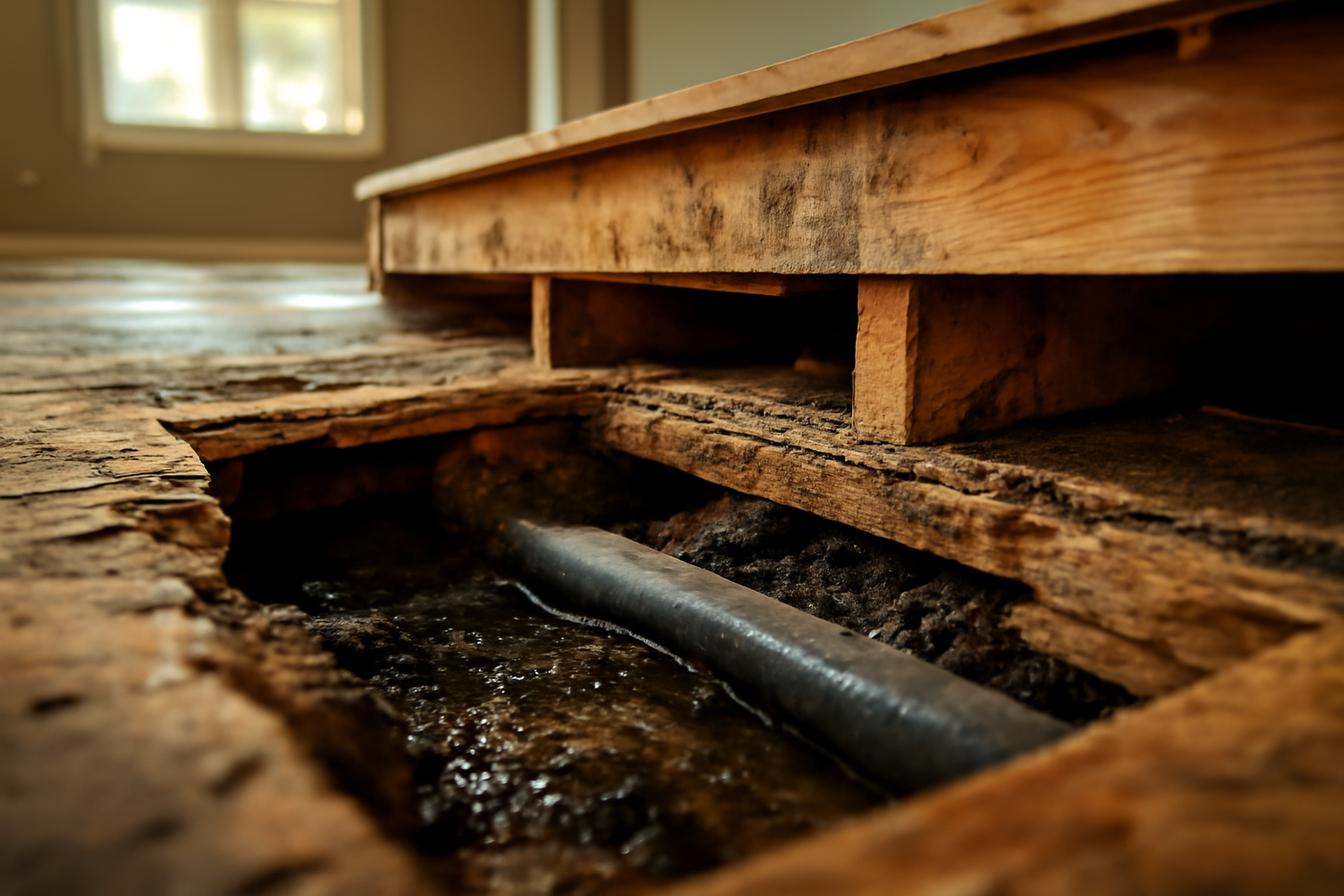
Signs You Might Need Subfloor And Under-House Water Leak Repair
Catching water leaks early is key to minimizing damage and keeping repair costs down. Many signs of subfloor and under-house water intrusion are subtle at first. Ignoring these early warnings can lead to costly structural damage and mold growth later on. It’s always better to be safe than sorry when it comes to water in your home.
Musty Odors That Won’t Go Away
A persistent, damp, or musty smell, especially noticeable when you first enter your home or in specific rooms, is a strong indicator of hidden moisture. This smell often means mold or mildew is developing somewhere out of sight.
Soft or Spongy Flooring
If your carpet feels soft or spongy underfoot, or if hardwood floors feel unusually flexible, the subfloor beneath may be compromised by water damage. This indicates the wood is likely rotting and losing its strength.
Warped or Buckling Floors
Visible warping, buckling, or unevenness in your flooring, whether it’s tile, laminate, or wood, is a clear sign that moisture is affecting the subfloor. The wood is absorbing water and expanding unevenly.
Stains or Discoloration on Ceilings Below
If you have a finished basement or crawl space, look for water stains or discoloration on the ceiling. These are often the first visible signs of a leak originating from above.
High Humidity Levels Indoors
An unexplained increase in indoor humidity, even when you’re not running humidifiers, can point to a hidden water source. Your HVAC system might be working overtime trying to combat this unseen moisture.
Cracks in Foundation Walls or Floors
While not always a direct sign of a leak, cracks in your foundation can allow groundwater to seep in, especially during heavy rains. This moisture can then spread to your subfloor, leading to dampness and potential damage.
Subfloor And Under-House Water Leak Repair vs. DIY: When To Call a Professional
| Situation | DIY? | Call a Pro? | Why |
|---|---|---|---|
| Detecting a faint musty smell in the basement. | Yes, monitor closely. | Yes, if it persists or worsens. | Early detection prevents costly mold remediation. |
| Small, visible water spot on a basement ceiling. | Maybe, if it’s clearly from a condensation pipe. | Yes, if source is unclear or water is significant. | Hidden leaks behind walls are common and dangerous. |
| Flooring feels slightly soft in one small area. | Possibly, if you suspect a minor spill that didn’t dry. | Yes, if the softness is consistent or growing. | Subfloor rot can spread quickly and weaken your structure. |
| Major water pooling in crawl space after heavy rain. | No, this is a significant issue. | Yes, immediately. | Large volumes of water can cause immediate structural damage. |
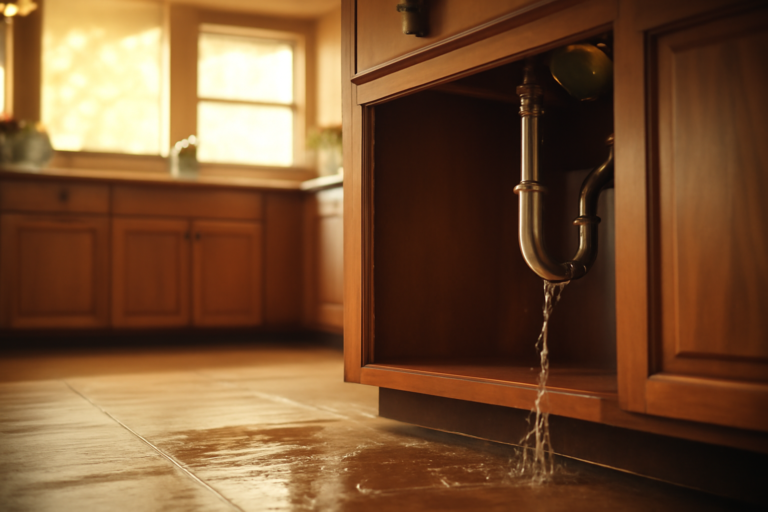
| Identifying a leaky pipe under the sink. | Yes, if you’re comfortable with basic plumbing. | Yes, if you can’t stop the leak or are unsure. | Improper repairs can lead to persistent dripping and rot. |
| Dealing with widespread dampness and potential mold. | Absolutely not. | Yes, without delay. | Mold and structural damage require professional assessment and remediation. |
While some minor issues might seem manageable, subfloor and under-house water leaks often hide their true extent. When in doubt, calling our experienced team is the safest and most effective choice to ensure the problem is fully resolved and your home is protected.
Subfloor And Under-House Water Leak Repair Cost In Iowa Colony, TX
The cost for subfloor and under-house water leak repair in Iowa Colony, TX, can vary significantly. Factors like the size of the affected area, the severity of the water damage, and the accessibility of the problem zone all play a role. These estimates give you a general idea, but a personal inspection is always needed for an accurate quote.
| Service Aspect | Typical Price Range | What Affects Cost |
|---|---|---|
| Leak Detection & Inspection | $300 – $800 | Complexity of the area, specialized equipment needed. |
| Water Extraction (per sq ft) | $0.50 – $2.00 | Volume of water, size of the affected space. |
| Drying & Dehumidification (per day) | $200 – $500 | Number of units required, duration of drying. |
| Subfloor Repair (per sq ft, material included) | $10 – $30 | Type of material needed (plywood, OSB), extent of replacement. |
| Mold Testing & Remediation | $500 – $3,000+ | Severity of mold growth, containment needs. |
| Minor Structural Repair (e.g., joist bracing) | $500 – $1,500 | Materials, labor hours, complexity of the repair. |
To get an exact figure for your specific situation, we offer free, no-obligation estimates. Our team will assess the damage and provide a detailed breakdown of costs for your approval.
Service Areas Near Iowa Colony, TX
Pearland, Friendswood, Webster, League City, Alvin, Manvel, Missouri City, Sugar Land, Houston, Pasadena, La Porte, Deer Park, Baytown, Channelview, Galena Park, Jacinto City, Bellaire, West University Place, South Houston, Stafford
Common Questions About Subfloor And Under-House Water Leak Repair
How long does it take to repair a subfloor water leak?
The timeline for subfloor water leak repair varies greatly. Simple leak detection and minor drying might take only a few days. However, if structural repairs are needed or extensive drying is involved, it could take anywhere from one to three weeks. Our team works efficiently to minimize disruption to your life.
Will my homeowner’s insurance cover subfloor water leak repair?
Often, yes, but it depends on the cause of the leak. If the leak was sudden and accidental, like a burst pipe, insurance typically covers it. Gradual leaks from poor maintenance might not be covered. We’re experienced in working with insurance companies and can help you understand your coverage and document the damage properly.
What are the health risks of ignoring a subfloor leak?
Ignoring a subfloor leak can lead to serious health issues. The damp environment is a breeding ground for mold and mildew, which can trigger allergies, asthma, and other respiratory problems. There’s also the risk of structural damage making your home unsafe. It’s crucial to address these leaks promptly for your family’s well-being.
What kind of equipment do you use to find hidden leaks?
We use a variety of advanced tools to locate hidden leaks without unnecessary destruction. This includes moisture meters to detect water content in materials, thermal imaging cameras to visualize temperature differences caused by moisture, and sometimes even acoustic listening devices to pinpoint dripping sounds. These technologies allow for a precise diagnosis before we start repairs.
How can I prevent water leaks under my house?
Regular maintenance is your best defense. Check for leaky pipes, ensure gutters and downspouts are clear and directing water away from your foundation, and inspect your home’s plumbing system periodically. Seal any cracks in your foundation and consider professional inspections to catch potential issues before they become major water problems.
Check Our Other Relevant Services

Gary Gwin: Damage Restoration Expert
With over 20 years of hands-on experience, Gary Gwin is a trusted authority in property recovery and disaster mitigation. As a licensed specialist, Gary has dedicated his career to restoring safety and peace of mind for homeowners facing environmental crises.
𝗖𝗲𝗿𝘁𝗶𝗳𝗶𝗰𝗮𝘁𝗶𝗼𝗻𝘀: Gary holds multiple advanced IICRC certifications, including Water Damage Restoration (WRT), Applied Microbial Remediation (Mold), Applied Structural Drying (ASD), Odor Control, and Fire and Smoke Restoration. His deep technical knowledge ensures every project meets the highest industry standards for health and safety.
𝗕𝗲𝘀𝘁 𝗣𝗮𝗿𝘁 𝗼𝗳 𝘁𝗵𝗲 𝗝𝗼𝗯: Gary finds the most fulfillment in guiding families through the recovery process, transforming a chaotic property loss into a restored, habitable home.
𝗙𝗮𝘃𝗼𝗿𝗶𝘁𝗲 𝗣𝗮𝘀𝘁𝗶𝗺𝗲: When off the clock, Gary enjoys exploring local hiking trails and woodworking.