Trusted by 150+ Homeowners
Water-Damaged Flooring Removal in Baytown, TX
- Over 152 5-Star Reviews
- Free Estimates and Quotes
- 100% Satisfaction Guaranteed
- Child, Family & Pet Safe Steps
- 24-Hour Emergency Service
- Fully Licensed & Insured
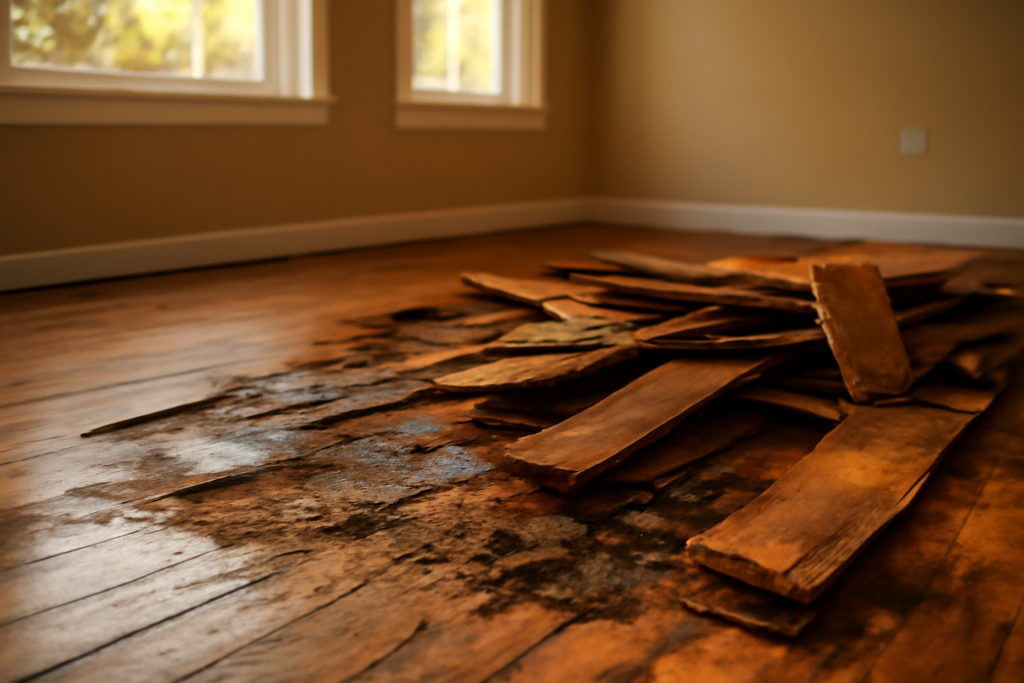
Expert Water-Damaged Flooring Removal in Baytown, TX
We’ve seen it all when it comes to water damage impacting homes and businesses around here. From sudden pipe bursts in older homes to persistent leaks under a Baytown, TX kitchen sink, our team has handled countless water-damaged flooring removal projects. We understand the unique challenges properties in our area face, whether it’s dealing with humidity or the aftermath of severe weather. You’re likely feeling overwhelmed right now, and we want you to know that getting your floors back to normal is our priority. We focus on a swift, efficient removal process to prevent further damage and get you closer to rebuilding.
Homeowners throughout the area trust us because we bring a level of dedication and expertise to water-damaged flooring removal that’s hard to match. With over 165 five-star reviews, you can see that our neighbors value our commitment to thoroughness and clear communication. We don’t just remove damaged materials; we help you navigate the stress and disruption, making sure your property is handled with care. Choosing us means choosing a team that’s invested in your neighborhood and your satisfaction. We’re here to make this difficult time a little easier for you.
- We specialize in the careful removal of all affected flooring types, from carpet and padding to hardwood and tile, ensuring no cross-contamination occurs.
- Our immediate response helps mitigate mold growth and structural damage, protecting your home’s long-term integrity and your family’s health.
- We provide detailed documentation for insurance claims, simplifying the process for you and helping secure the coverage you deserve for the removal and replacement work.
How Water-Damaged Flooring Removal Actually Works
The process of removing water-damaged flooring might seem straightforward, but it requires precision and specialized knowledge to do it right. If done incorrectly, you risk spreading mold spores or leaving behind hidden moisture that can cause serious structural issues down the line. Our crews follow a detailed, step-by-step protocol designed to be as non-disruptive as possible while being incredibly effective. We understand that your home is your sanctuary, and we treat it with the respect it deserves during this challenging time. You want it done right the first time, and that’s exactly what we aim to deliver.
Initial Assessment and Containment
The first step involves a thorough inspection of your flooring and the surrounding areas to determine the extent of the water damage. We’ll identify the source of the water if it’s still active and set up containment barriers to prevent moisture and debris from spreading. This phase is crucial for setting the stage for a successful removal. We typically complete this assessment within a few hours, depending on the complexity of the situation.
Securing and Protecting Belongings
Before any removal begins, we’ll work with you to move or secure any furniture, personal items, or valuables that might be in the affected area. Our goal is to protect your belongings from dust, moisture, and any potential damage during the removal process. This might involve carefully moving items to a dry, safe location within your property or arranging for off-site storage if needed. Your possessions are important, and we take great care to safeguard them.
Careful Flooring Removal
This is where the actual removal happens. Our technicians use specialized tools and techniques to lift and remove the damaged flooring materials. For carpet, we’ll often remove it in large sections, along with the underlayment. For hard surfaces like tile or hardwood, we’ll carefully pry them up to avoid damaging the subfloor underneath, whenever possible. This stage can take anywhere from a few hours to a couple of days, depending on the size of the area and the type of flooring.
Subfloor Inspection and Drying
Once the flooring is gone, we meticulously inspect the subfloor for any lingering moisture or damage. If moisture is detected, we employ advanced drying equipment, such as industrial air movers and dehumidifiers, to thoroughly dry the subfloor and the rest of the affected structure. Proper drying is absolutely critical to prevent mold and rot. This drying process can take several days, monitored closely by our team.
Debris Removal and Site Cleanup
After all the damaged materials have been removed and the area is thoroughly dried, we ensure a complete cleanup of the work area. All debris, water-damaged materials, and dust are carefully bagged and removed from your property. We aim to leave your space as clean as possible, ready for the next steps in your restoration journey. This final clean-up step usually takes a few hours.
Don’t let water-damaged floors become a bigger problem. Contact our team today for a prompt assessment and efficient removal. We’re ready to help you reclaim your home.
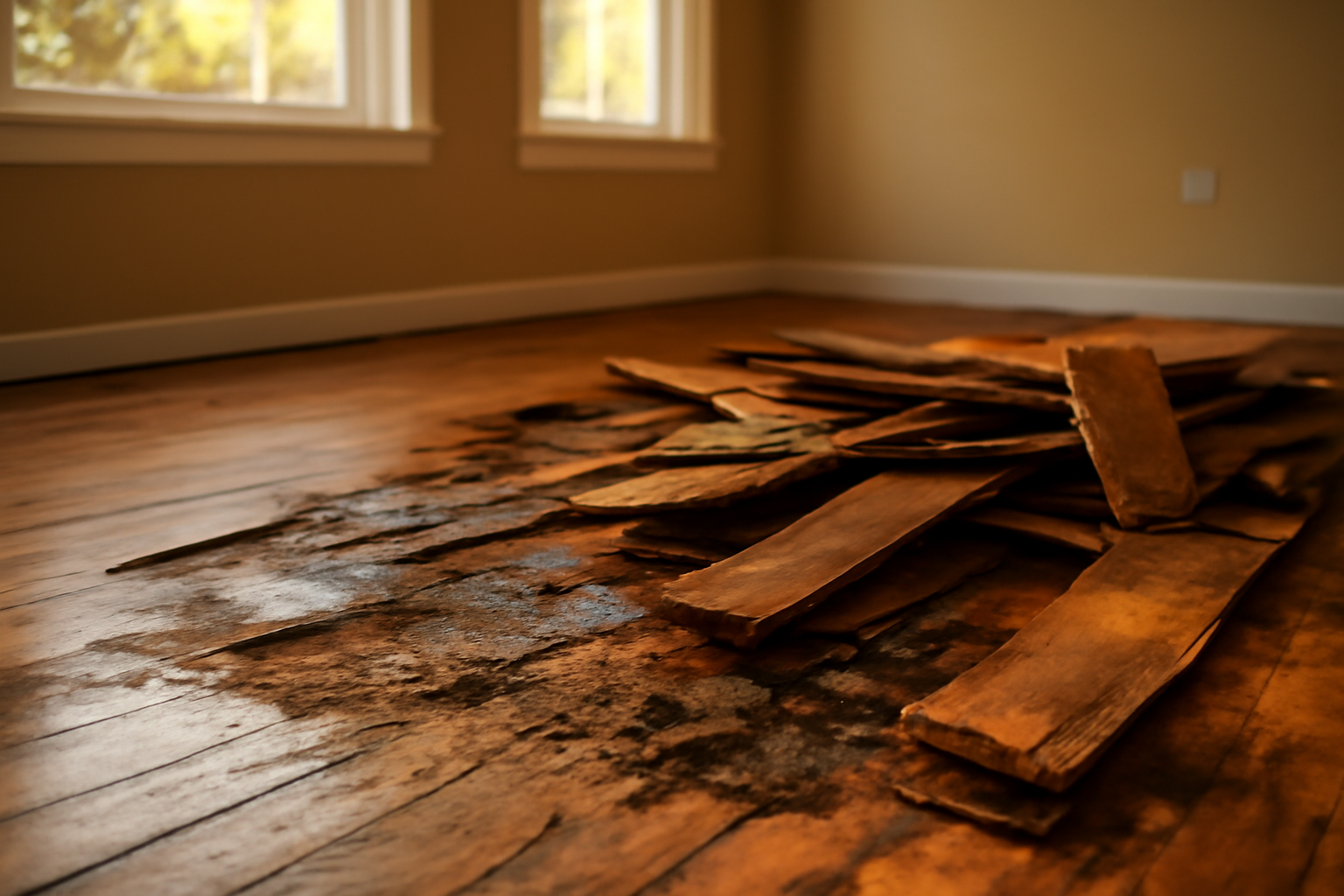
Warning Signs You Need Water-Damaged Flooring Removal
Spotting the signs of water damage early can save you a lot of headaches and money down the road. Ignoring subtle indicators can lead to expensive structural repairs and potential health hazards like mold. Pay attention to what your home is telling you; it’s often trying to warn you about underlying issues before they become major catastrophes. Early detection is key to a smoother recovery process.
Musty Odors That Won’t Go Away
A persistent, musty smell, especially in specific rooms or areas, is a strong indicator of mold growth fueled by hidden moisture. This smell often means water has been trapped for a while. Don’t just mask it; investigate the source.
Warping or Buckling Floors
Wood or laminate flooring that starts to warp, buckle, or lift is a clear sign that moisture is affecting the material and its adhesive. This is a direct result of water saturation. This visual cue means immediate attention is required.
Stains or Discoloration
Water stains on your flooring, especially in areas that shouldn’t be wet, indicate that water has seeped through and is likely causing damage beneath the surface. These marks are a visual warning. It’s a sign of moisture penetration.
Soft or Spongy Spots
If sections of your carpet feel unusually soft, spongy, or give way when you walk on them, it suggests that the padding and subfloor underneath are saturated. This is a sign of significant water saturation.
Peeling or Bubbling of Vinyl/Linoleum
Vinyl or linoleum flooring that begins to bubble up or peel at the seams is often caused by moisture trapped underneath, causing the adhesive to fail. This indicates a water intrusion problem.
Increased Humidity or Dampness
An unexplained increase in the general humidity or a feeling of dampness in the air within your home, particularly around the flooring areas, can signal a hidden leak. This pervasive dampness is a warning of unseen water.
Water-Damaged Flooring Removal vs. DIY: When To Call a Professional
| Situation | DIY? | Call a Pro? | Why |
|---|---|---|---|
| Minor spill on a small section of tile | Yes | No | Easy to clean and dry thoroughly yourself. |
| Large area of soaked carpet and padding from a clean water source | Maybe (with extreme caution) | Yes | High risk of mold and subfloor damage if not dried perfectly. |
| Water damage from sewage or contaminated sources | Absolutely Not | Yes | Serious health hazard; requires specialized containment and disposal. |
| Warped hardwood or luxury vinyl plank (LVP) flooring | No | Yes | Material is compromised; improper removal can damage subfloor. |
| Water seeping under baseboards and into walls | No | Yes | Requires containment and structural drying beyond just floor removal. |
| Any water damage where mold is suspected or visible | Absolutely Not | Yes | Mold remediation requires professional equipment and safety protocols. |
For anything beyond a minor spill, especially if the water source is questionable or the damage is extensive, calling a professional is the smartest move. Our team has the equipment and training to handle complex water situations safely and effectively, protecting your property and health. You want to avoid creating bigger issues than you started with.
Water-Damaged Flooring Removal Cost In Baytown, TX
The cost for water-damaged flooring removal in Baytown, TX can vary significantly. Factors such as the size of the affected area, the type of flooring, the extent of saturation, and the complexity of the removal process all play a role. These figures are general estimates, and an on-site assessment is always needed for an accurate quote. We aim to provide transparency regarding potential costs.
| Service Aspect | Typical Price Range | What Affects Cost |
|---|---|---|
| Carpet and Padding Removal (per sq ft) | $1 – $5 | Thickness of padding, ease of access, and quantity of material. |
| Hardwood Flooring Removal (per sq ft) | $3 – $10 | Type of wood, adhesive used, and potential for subfloor damage. |
| Tile and Grout Removal (per sq ft) | $4 – $12 | Type of tile, adhesive strength, and condition of grout. |
| Subfloor Inspection and Moisture Testing | $100 – $300 | Size of the area and number of readings needed. |
| Industrial Drying Equipment Rental (per day) | $50 – $200 | Type and number of machines required for effective drying. |
| Debris Hauling and Disposal | $200 – $800 | Volume of water-damaged materials and distance to disposal site. |
These prices reflect the labor and equipment involved in the removal and initial drying stages. A detailed, free estimate will be provided after a thorough inspection of your property. We’ll discuss all costs upfront before any work begins.
Service Areas Near Baytown, TX
La Porte, Pasadena, Deer Park, Channelview, Highlands, Crosby, Mont Belvieu, Anahuac, Bayview, Kemah, Seabrook, Webster, League City, Friendswood, Pearland, Alvin, Santa Fe, Texas City, Galveston, Hitchcock.
Common Questions About Water-Damaged Flooring Removal
How quickly do I need to have my water-damaged flooring removed?
You should aim to have water-damaged flooring removed as soon as possible, ideally within 24 to 48 hours of the water event. The longer saturated materials remain, the higher the risk of mold growth, structural damage, and permanent staining. Our team is available for prompt assessments and removal to prevent further issues.
Will my homeowner’s insurance cover the cost of water-damaged flooring removal in Baytown, TX?
Typically, homeowner’s insurance policies cover water-damaged flooring removal if the damage resulted from a sudden, accidental event like a burst pipe or appliance malfunction. Damage from slow leaks or flooding is often excluded. We work closely with your insurance adjuster to provide all necessary documentation for your claim, helping to ensure you get the coverage you’re entitled to for the removal process.
What are the health risks associated with leaving water-damaged flooring in place?
Leaving water-damaged flooring in place creates a breeding ground for mold and mildew, which can release spores into the air. Inhaling these spores can lead to various health problems, including allergic reactions, respiratory issues, and other infections, especially for individuals with pre-existing conditions. Our priority is to remove the hazard safely and effectively, protecting your family’s well-being.
What kind of equipment does your team use for water-damaged flooring removal?
Our team utilizes a range of specialized equipment, including heavy-duty extractors for water removal, industrial-grade dehumidifiers and air movers for drying the subfloor, and specialized tools for safely lifting and removing different flooring materials without damaging the underlying structure. We invest in advanced equipment to ensure efficient and thorough removal and drying.
Can I prevent my flooring from getting damaged by water in the future?
While not all water damage can be prevented, regular maintenance of plumbing, appliances, and your home’s exterior can significantly reduce risks. Ensuring proper drainage around your foundation and promptly addressing any small leaks are crucial steps. We can also provide advice on water-resistant flooring options for high-risk areas during your next renovation.
Check Our Other Relevant Services

Gary Gwin: Damage Restoration Expert
With over 20 years of hands-on experience, Gary Gwin is a trusted authority in property recovery and disaster mitigation. As a licensed specialist, Gary has dedicated his career to restoring safety and peace of mind for homeowners facing environmental crises.
𝗖𝗲𝗿𝘁𝗶𝗳𝗶𝗰𝗮𝘁𝗶𝗼𝗻𝘀: Gary holds multiple advanced IICRC certifications, including Water Damage Restoration (WRT), Applied Microbial Remediation (Mold), Applied Structural Drying (ASD), Odor Control, and Fire and Smoke Restoration. His deep technical knowledge ensures every project meets the highest industry standards for health and safety.
𝗕𝗲𝘀𝘁 𝗣𝗮𝗿𝘁 𝗼𝗳 𝘁𝗵𝗲 𝗝𝗼𝗯: Gary finds the most fulfillment in guiding families through the recovery process, transforming a chaotic property loss into a restored, habitable home.
𝗙𝗮𝘃𝗼𝗿𝗶𝘁𝗲 𝗣𝗮𝘀𝘁𝗶𝗺𝗲: When off the clock, Gary enjoys exploring local hiking trails and woodworking.