Trusted by 150+ Homeowners
Water-Damaged Flooring Removal in Galveston, TX
- Over 152 5-Star Reviews
- Free Estimates and Quotes
- 100% Satisfaction Guaranteed
- Child, Family & Pet Safe Steps
- 24-Hour Emergency Service
- Fully Licensed & Insured
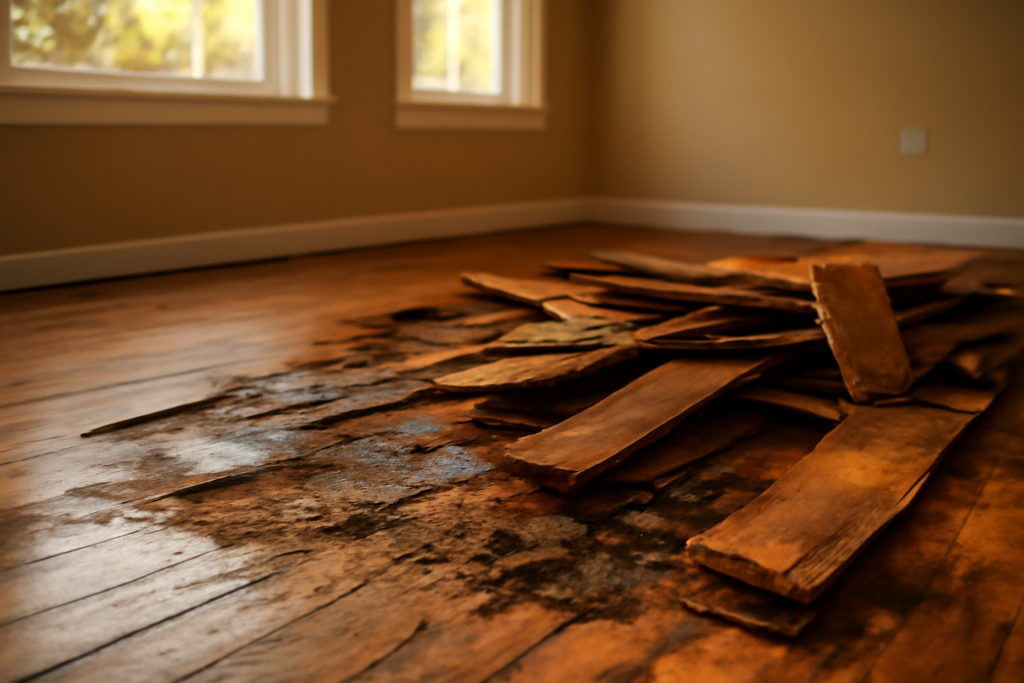
Expert Water-Damaged Flooring Removal in Galveston, TX
When saltwater intrusion or a sudden pipe burst leaves your floors soaked, you need a team that understands the unique challenges faced by homeowners around here. We’ve seen it all, from storm surge pushing water under coastal homes to everyday leaks causing hidden damage in your neighborhood. Getting your floors professionally removed is the critical first step to preventing long-term structural issues and mold growth. We’ll make sure this crucial phase is handled with the care and expertise your property deserves.
Our local homeowners trust us because we’ve earned it, with over 165 five-star reviews backing our commitment to excellent service. We focus solely on the task at hand: expertly removing your water-damaged flooring to prepare your home for the next phase of repair. You’re not just getting a service; you’re getting a neighbor who’s dedicated to helping you recover quickly and efficiently. We understand the stress that comes with unexpected water damage, and our goal is to simplify this part of the process for you.
- We tackle the immediate problem of saturated flooring, preventing further structural compromise and potential mold development.
- Our specialized equipment and trained crews ensure a safe and thorough removal, protecting your home’s subfloor and walls from secondary damage.
- We work efficiently to get your property back on track, minimizing the disruption to your daily life and accelerating your return to normalcy.
The Process of Water-Damaged Flooring Removal
Removing water-damaged flooring isn’t as simple as just pulling up carpet or lifting tiles. It requires a methodical approach to ensure all affected materials are safely extracted and disposed of, while also assessing the subfloor for any lingering moisture or damage. Cutting corners here can lead to costly problems down the road, like persistent mold or weakened structural integrity. We follow a proven, detailed process for every job, big or small, ensuring your home is properly prepped for restoration. You’ll know exactly what to expect from start to finish.
Initial Assessment and Containment
Before any removal begins, our technicians conduct a thorough assessment of the affected flooring. We identify the extent of the water damage, the type of flooring, and any immediate safety concerns. We’ll set up containment barriers to prevent the spread of moisture and debris to unaffected areas of your home. This step is crucial for a clean and efficient removal process.
Safe Material Removal
We use specialized tools and techniques to carefully remove various types of flooring, including carpet, tile, hardwood, laminate, and vinyl. Our crews are trained to handle delicate materials and to operate safely in potentially hazardous conditions. We ensure all removed materials are bagged and prepared for proper disposal according to local regulations.
Subfloor Inspection and Moisture Testing
Once the flooring is removed, we meticulously inspect the subfloor. We use professional moisture meters to detect any residual dampness that might not be visible to the naked eye. Identifying hidden moisture is critical to prevent mold and further damage. This step ensures we address the root of the problem, not just the surface issue.
Debris Cleanup and Site Preparation
After all damaged materials are removed and the subfloor is confirmed to be dry or treated, we perform a thorough cleanup of the work area. This includes vacuuming, sweeping, and removing any remaining dust or debris. We prepare the space for the next steps in your restoration project, whether it’s drying, mold remediation, or new flooring installation.
Documentation for Insurance
We understand that dealing with insurance companies can be a hassle. That’s why we provide detailed documentation of the removal process, including photos and reports, to help you with your insurance claim. We simplify the paperwork by clearly outlining the work performed and the materials removed. This ensures you have the necessary information for a smooth claims process.
Don’t let water-damaged flooring linger. Contact us today to schedule your assessment and begin the crucial removal process. We’re ready to help you reclaim your home.
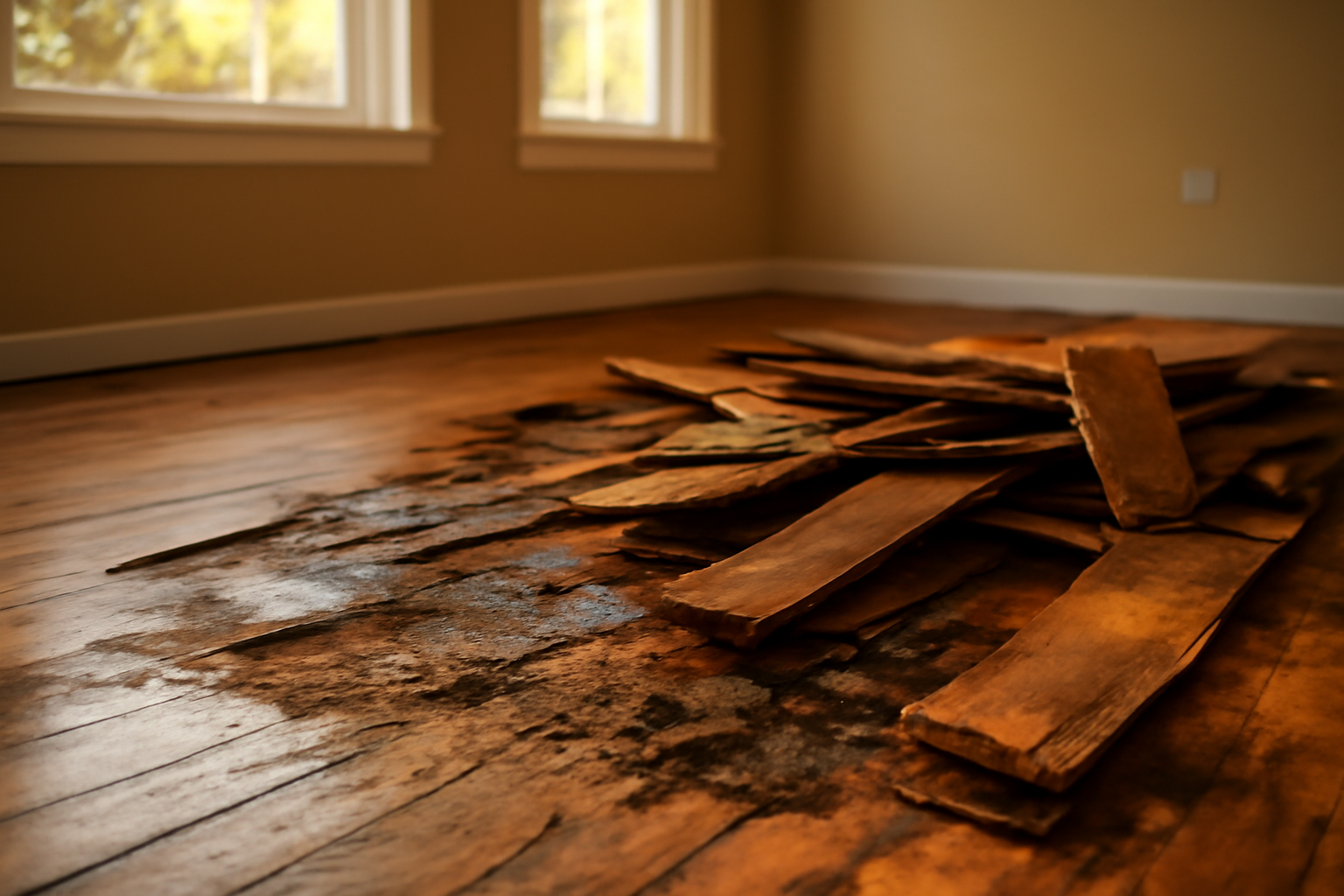
Warning Signs You Need Water-Damaged Flooring Removal
Ignoring the signs of water damage in your flooring can lead to much bigger, more expensive problems later. Catching these early indicators means you can address the issue before it compromises your home’s structure or your family’s health. Acting quickly is key to minimizing damage and cost. Knowing what to look for is your first line of defense.
Musty Odors That Won’t Go Away
A persistent, unpleasant smell, especially a musty or earthy one, is a strong indicator of moisture trapped beneath your flooring. This smell often signals mold, which thrives in damp environments and can pose health risks. It’s a clear sign that removal is necessary.
Visible Stains or Discoloration
Water, especially from floods or leaks carrying sediment, can leave behind unsightly stains on carpets, wood, or grout. Watch for dark spots or rings that weren’t there before. These often mean moisture has penetrated the material and potentially the subfloor.
Warping or Buckling
Hardwood floors are particularly susceptible to warping or buckling when exposed to excess moisture. You might notice uneven surfaces or planks that lift away from the subfloor. This physical change indicates significant water absorption and potential structural damage to the flooring itself.
Soft or Spongy Spots
If areas of your carpet or even some types of laminate feel unusually soft or spongy underfoot, it means the padding or subfloor is saturated. This indicates deep moisture that requires immediate attention. It’s a sign that the flooring material is compromised and needs removal.
Peeling or Bubbling
Vinyl, laminate, and even some types of glued-down carpet can start to peel or bubble when moisture gets underneath them. Adhesives fail when exposed to water, causing the flooring to lift. This is a direct sign of water intrusion.
Loose Tiles or Grout Degradation
In tiled areas, water damage can weaken the adhesive holding tiles in place, leading to looseness. You might also notice grout lines starting to crumble or degrade. This points to moisture impacting the entire floor system, not just the surface.
Water-Damaged Flooring Removal vs. DIY: When To Call a Professional
| Situation | DIY? | Call a Pro? | Why |
|---|---|---|---|
| Small spill on waterproof laminate | Yes | No | Easy to wipe up, minimal risk of subfloor damage. |
| Carpet soaked from a clean water source (e.g., burst pipe) with immediate drying | Maybe | Yes | Carpet padding can retain moisture; professional drying equipment is best. |
| Saltwater intrusion from a storm surge | No | Yes | Salt residue is corrosive and requires specialized cleaning and removal; high risk of mold. |
| Hardwood floor warping significantly | No | Yes | Requires careful removal to avoid further damage to subfloor and adjacent planks. |
| Large area of tile and grout damage | No | Yes | Tile removal is labor-intensive and messy; grout dust can be hazardous. |
| Any situation with suspected mold growth | No | Yes | Mold remediation requires specialized safety protocols and equipment. |
While minor spills might be manageable, serious water intrusion demands professional attention. For anything beyond a small, clean water incident, relying on our trained crews ensures the job is done right. We have the equipment and expertise to handle the complexities of water-damaged flooring removal safely and effectively.
Water-Damaged Flooring Removal Cost In Galveston, TX
The cost for water-damaged flooring removal in Galveston, TX, can vary significantly based on the size of the affected area, the type of flooring, and the severity of the water damage. These figures are general estimates and a proper on-site assessment is needed for an accurate quote. We provide transparent pricing so you know what to expect.
| Service Aspect | Typical Price Range | What Affects Cost |
|---|---|---|
| Carpet Removal (per sq ft) | $1.00 – $3.00 | Thickness of carpet, padding, and adhesive used. |
| Hardwood/Laminate Removal (per sq ft) | $2.00 – $5.00 | Type of installation (glued vs. floating), condition of wood. |
| Tile Removal (per sq ft) | $3.00 – $8.00 | Type of tile, thickness of mortar bed, type of subfloor. |
| Subfloor Moisture Testing | Included in Removal Service | Essential for determining if further drying or repair is needed. |
| Debris Disposal Fee | $100 – $500+ | Volume of materials removed, landfill fees. |
| Containment Setup | Included in Removal Service | Ensures protection of unaffected areas during removal. |
An on-site assessment is crucial to determine the exact scope of work and provide you with a precise estimate. We offer free estimates to help you understand the costs involved for your specific situation.
Service Areas Near Galveston, TX
Jamaica Beach, Crystal Beach, Port Bolivar, Tiki Island, San Leon, Bacliff, La Marque, Texas City, Hitchcock, Alta Loma, Santa Fe, League City, Friendswood, Kemah, Seabrook, Clear Lake Shores, Dickinson, Alvin, Pearland, Angleton
Common Questions About Water-Damaged Flooring Removal
What is the first step after my floors get wet?
The very first step is to stop the water source if possible. Then, if the water is standing, try to remove as much standing water as you can safely manage. For significant saturation, immediate professional assessment is vital to prevent long-term damage. We can help you navigate this critical early stage.
How long does it take to remove water-damaged flooring?
The timeframe for removal can vary greatly depending on the size of the area and the type of flooring. A small room might take a few hours, while multiple rooms or complex materials could take a day or more. We work efficiently to minimize disruption, but thoroughness is our priority to ensure proper preparation for drying and restoration.
Is water-damaged flooring removal expensive?
The cost depends on the factors mentioned earlier, like square footage and material type. However, the cost of removal is often less than the cost of repairing mold damage, structural issues, or replacing subflooring that has been compromised by prolonged moisture. We aim to make the process affordable and provide clear estimates.
Will removing my wet floors help prevent mold?
Absolutely. Removing saturated flooring is a critical step in mold prevention. It allows us to access the subfloor and underlying structures to ensure they are thoroughly dried and treated, eliminating the damp environment mold needs to grow. We use specialized drying equipment to achieve this.
What happens to the removed flooring materials?
All water-damaged flooring materials that we remove are carefully bagged and disposed of according to local environmental and health regulations. We handle the disposal process responsibly, so you don’t have to worry about it. This ensures that potentially contaminated materials are managed safely.
Check Our Other Relevant Services

Gary Gwin: Damage Restoration Expert
With over 20 years of hands-on experience, Gary Gwin is a trusted authority in property recovery and disaster mitigation. As a licensed specialist, Gary has dedicated his career to restoring safety and peace of mind for homeowners facing environmental crises.
𝗖𝗲𝗿𝘁𝗶𝗳𝗶𝗰𝗮𝘁𝗶𝗼𝗻𝘀: Gary holds multiple advanced IICRC certifications, including Water Damage Restoration (WRT), Applied Microbial Remediation (Mold), Applied Structural Drying (ASD), Odor Control, and Fire and Smoke Restoration. His deep technical knowledge ensures every project meets the highest industry standards for health and safety.
𝗕𝗲𝘀𝘁 𝗣𝗮𝗿𝘁 𝗼𝗳 𝘁𝗵𝗲 𝗝𝗼𝗯: Gary finds the most fulfillment in guiding families through the recovery process, transforming a chaotic property loss into a restored, habitable home.
𝗙𝗮𝘃𝗼𝗿𝗶𝘁𝗲 𝗣𝗮𝘀𝘁𝗶𝗺𝗲: When off the clock, Gary enjoys exploring local hiking trails and woodworking.