Trusted by 150+ Homeowners
Water-Damaged Flooring Removal in Magnolia, TX
- Over 152 5-Star Reviews
- Free Estimates and Quotes
- 100% Satisfaction Guaranteed
- Child, Family & Pet Safe Steps
- 24-Hour Emergency Service
- Fully Licensed & Insured
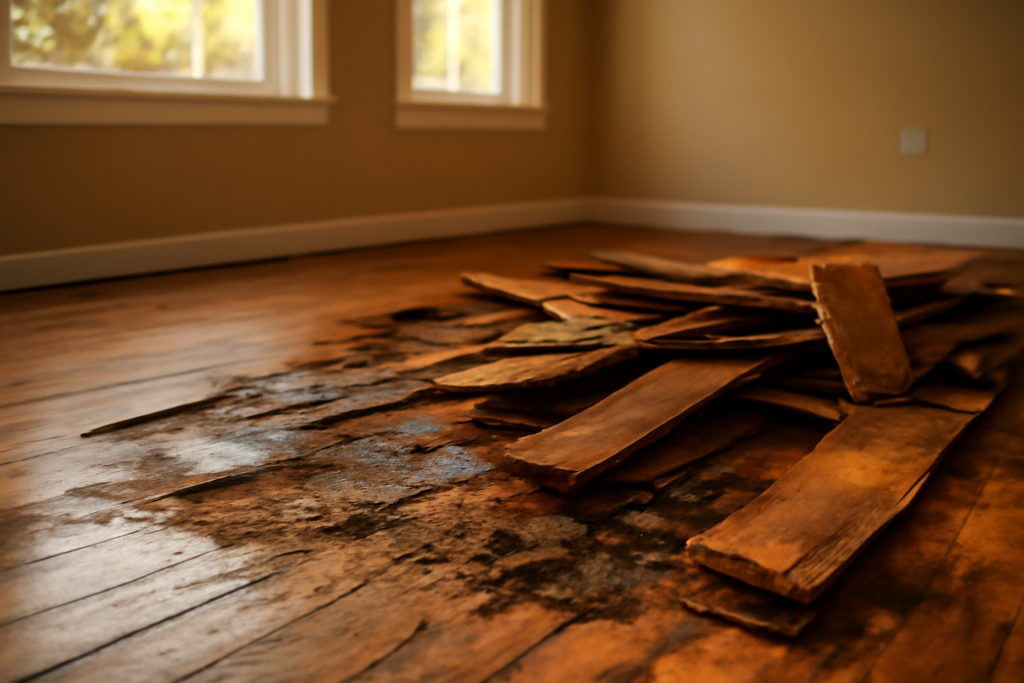
When Texas Rain Comes Down Hard: Expert Water-Damaged Flooring Removal in Magnolia, TX
You know how we get those sudden, heavy downpours around here, especially in the spring and summer? Sometimes, all that moisture can find its way into your home, and before you know it, your beautiful floors are soaked. Dealing with waterlogged floors isn’t just an eyesore; it’s a potential health hazard and can lead to costly structural damage if not addressed quickly. We’ve seen it happen to neighbors, and we’re here to help you navigate this tough situation with our specialized water-damaged flooring removal services.
We’ve earned the trust of over 165 local homeowners who’ve left us five-star reviews, and we’re proud of that. When your floors have taken a hit from water, you want a team that understands the unique challenges of our area. We focus on getting your home back to normal, handling the difficult removal process with care and efficiency, so you can get back to enjoying your space.
- We specialize in safely removing water-damaged materials, preventing mold growth and protecting your home’s foundation from further harm.
- Our targeted approach ensures that only the affected flooring is removed, saving you money and hassle on unnecessary work.
- We work quickly to get your subfloors dry and ready for new flooring, minimizing your downtime and inconvenience.
How We Tackle Water-Damaged Flooring Removal
When water damage happens, the clock starts ticking. The longer wet flooring stays in place, the more likely it is to cause secondary problems like mold and mildew. That’s why our process for water-damaged flooring removal is designed to be thorough and efficient, ensuring we contain the damage and prepare your home for restoration. We don’t just rip things out; we take a methodical approach, using the right tools and techniques to get the job done right, so you don’t end up with bigger headaches later.
1. Initial Assessment and Containment
The first step is always a careful inspection to determine the full extent of the water damage. We’ll identify which flooring materials are affected and how far the moisture has spread. Then, we’ll set up containment barriers to prevent any further spread of moisture or potential contaminants to other parts of your home. This crucial step helps us plan the most effective removal strategy.
2. Water Extraction
If there’s standing water, our powerful extraction equipment will remove it efficiently. We use specialized pumps and vacuums designed for water removal, going beyond what a household wet/dry vac can do. This helps us get the bulk of the water out quickly, which is vital for preventing deeper saturation and secondary damage.
3. Flooring Material Removal
Once the bulk of the water is gone, we carefully remove the damaged flooring materials. This might include carpet, padding, tile, hardwood, laminate, or vinyl. We use appropriate tools to safely pry up, cut, and haul away all saturated materials, ensuring we get down to the subfloor. This part of the process is about minimizing mess and maximizing efficiency.
4. Subfloor Inspection and Drying
After the flooring is out, we inspect the subfloor for any remaining moisture or damage. We then deploy industrial-grade drying equipment, like air movers and dehumidifiers, to thoroughly dry out the subfloor and the surrounding structural materials. Proper drying is absolutely essential to prevent mold growth and prepare for new flooring installation. This phase can take several days, depending on the severity of the water intrusion.
5. Deodorizing and Mold Prevention
Water damage often leaves behind unpleasant odors. Once everything is dry, we’ll treat the area to neutralize any lingering smells and apply EPA-approved antimicrobial treatments to the subfloor. This step is key to ensuring a healthy living environment and preventing future mold issues in your home.
Ready to get your water-damaged floors removed and your home back on track? Reach out to our team today for a prompt assessment and professional removal service.
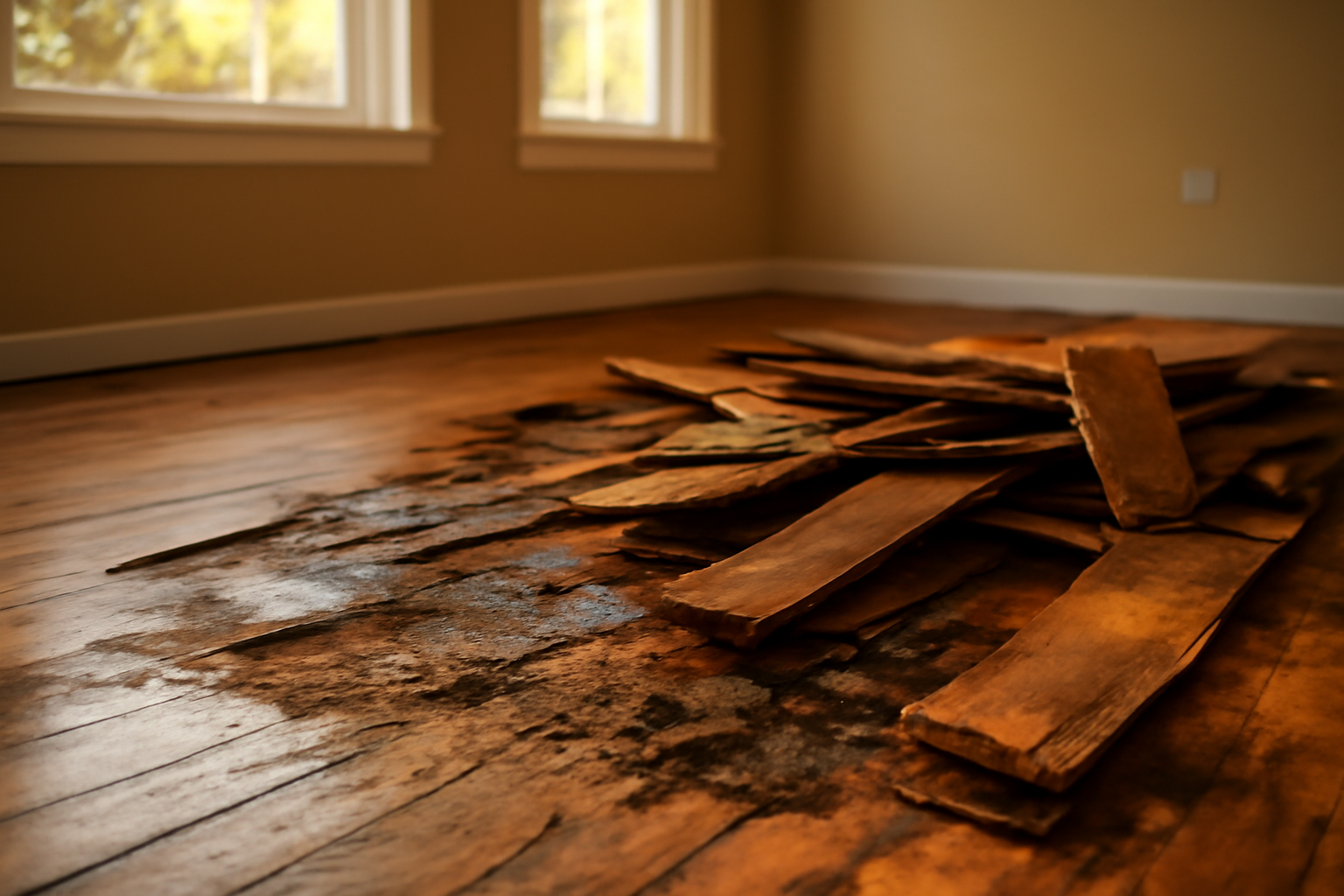
Warning Signs You Need Water-Damaged Flooring Removal
Catching water damage early can save you a lot of trouble and money down the line. Your floors might be trying to tell you something’s wrong, even if you can’t see a big puddle. Keeping an eye out for these signs means you can act fast and prevent minor issues from becoming major repair jobs.
Musty Odors That Won’t Go Away
A persistent musty or moldy smell, especially after rain or a plumbing leak, is a strong indicator that moisture is trapped beneath your flooring. This smell is often the first sign of trouble and means mold could be starting to grow.
Buckling or Warping
Wood or laminate floors may start to buckle, warp, or cup when they absorb too much moisture. You might see uneven surfaces or gaps appearing where there weren’t any before. This is a clear sign of structural compromise due to water saturation.
Soft Spots or Spongy Feel
If sections of your carpet feel unusually soft or spongy underfoot, it means the padding and possibly the subfloor underneath are saturated. This often happens with hidden leaks that aren’t immediately obvious.
Stains or Discoloration
Water can leave behind unsightly stains, especially on lighter-colored carpets or grout. Darkening or discolored patches on your flooring are visual clues that moisture has penetrated the surface.
Peeling or Bubbling
Vinyl or linoleum flooring can start to peel at the seams or develop bubbles as moisture gets underneath and compromises the adhesive. This indicates the water has infiltrated the layers of your flooring.
Mold or Mildew Growth
Visible signs of mold or mildew, often appearing as black, green, or white fuzzy patches, are a serious warning sign. This means you have an active mold problem that requires immediate attention and professional removal.
Water-Damaged Flooring Removal vs. DIY: When To Call a Professional
| Situation | DIY? | Call a Pro? | Why |
|---|---|---|---|
| Minor spill on tile (cleaned immediately) | Yes | No | Tile is generally waterproof and easy to clean up quickly. |
| Small section of saturated carpet from a pet accident | Maybe | Yes | DIY can work for very small, fresh spills, but a pro ensures complete drying and prevents mold. |
| Widespread carpet saturation after a burst pipe | No | Yes | Requires powerful extraction and drying equipment beyond typical home tools. |
| Buckling hardwood floors from a long-term leak | No | Yes | Hardwood is tricky; requires specialized removal and drying to prevent further damage to subfloor and walls. |
| Mold growth visible on flooring or subfloor | Absolutely Not | Yes | Mold poses serious health risks and requires professional containment and remediation. |
| Water damage affecting multiple rooms or large areas | No | Yes | Complex jobs need experienced teams and specialized equipment for efficient and complete drying. |
While a small, fresh spill might be manageable yourself, anything more significant, especially involving carpet, wood, or signs of mold, is where professional help becomes essential. Attempting extensive DIY removal on larger water events can lead to incomplete drying and hidden mold growth, creating much bigger problems for your home and your health.
Water-Damaged Flooring Removal Cost In Magnolia, TX
The cost for water-damaged flooring removal in Magnolia, TX, can vary quite a bit. It really depends on the size of the affected area, the type of flooring you have, and how much water intrusion there was. These price ranges are just estimates to give you an idea of what to expect.
| Service | Typical Price Range | What Affects Cost |
|---|---|---|
| Inspection and Assessment | $200 – $500 | Size of the area and complexity of the damage. |
| Carpet and Padding Removal (per sq ft) | $1 – $3 | Thickness of carpet, padding, and ease of access. |
| Hardwood or Laminate Removal (per sq ft) | $2 – $5 | How securely the flooring is adhered or installed. |
| Tile Removal (per sq ft) | $3 – $8 | Type of tile, adhesive used, and condition of grout. |
| Subfloor Drying (using equipment) | $500 – $2,500+ | Duration needed, size of space, and number of machines required. |
| Mold Remediation (if necessary) | $1,000 – $4,000+ | Severity and extent of mold contamination. |
For an accurate quote tailored to your specific situation, we always recommend a free on-site assessment. Our team can assess the damage and provide you with a detailed estimate for the water-damaged flooring removal process.
Service Areas Near Magnolia, TX
Magnolia, Tomball, The Woodlands, Conroe, Cypress, Spring, Houston, Montgomery, Willis, Hockley, Pinehurst, Magnolia, Todd Mission, New Waverly, Plantersville, Oak Ridge North, Shenandoah, Grangerland, Cleveland, Splendora.
Common Questions About Water-Damaged Flooring Removal
How quickly does water-damaged flooring need to be removed?
It’s best to remove water-damaged flooring as soon as possible, ideally within 24-48 hours. The longer wet materials stay in place, the higher the risk of mold growth and structural damage. Our team prioritizes swift action to minimize secondary problems and begin the drying process.
What’s the difference between water damage cleanup and flooring removal?
Cleanup usually refers to extracting standing water and drying surfaces. Flooring removal is a specific step within that process, focusing on the salvageable or unsalvageable flooring materials themselves. We handle both, ensuring all damaged materials are properly addressed.
Will my homeowner’s insurance cover water-damaged flooring removal?
Often, yes, but it depends on the source of the water damage. Policies typically cover sudden and accidental events like pipe bursts or storm damage, but not slow leaks or flooding from rising groundwater. We can help you document the damage for your insurance claim.
How long does the entire water-damaged flooring removal and drying process take?
The removal itself might take a day or two, depending on the flooring type and area size. However, the critical drying phase using specialized equipment can take anywhere from 3 to 10 days, sometimes longer, to ensure the subfloor is completely dry. We’ll keep you informed about the timeline.
Can I prevent water damage to my floors in the future?
Regular maintenance is key. Check plumbing for leaks, ensure your gutters are clear, and consider sump pumps if you’re in a low-lying area. Promptly addressing any small leaks or spills can prevent them from becoming major flooring issues.
Check Our Other Relevant Services

Gary Gwin: Damage Restoration Expert
With over 20 years of hands-on experience, Gary Gwin is a trusted authority in property recovery and disaster mitigation. As a licensed specialist, Gary has dedicated his career to restoring safety and peace of mind for homeowners facing environmental crises.
𝗖𝗲𝗿𝘁𝗶𝗳𝗶𝗰𝗮𝘁𝗶𝗼𝗻𝘀: Gary holds multiple advanced IICRC certifications, including Water Damage Restoration (WRT), Applied Microbial Remediation (Mold), Applied Structural Drying (ASD), Odor Control, and Fire and Smoke Restoration. His deep technical knowledge ensures every project meets the highest industry standards for health and safety.
𝗕𝗲𝘀𝘁 𝗣𝗮𝗿𝘁 𝗼𝗳 𝘁𝗵𝗲 𝗝𝗼𝗯: Gary finds the most fulfillment in guiding families through the recovery process, transforming a chaotic property loss into a restored, habitable home.
𝗙𝗮𝘃𝗼𝗿𝗶𝘁𝗲 𝗣𝗮𝘀𝘁𝗶𝗺𝗲: When off the clock, Gary enjoys exploring local hiking trails and woodworking.