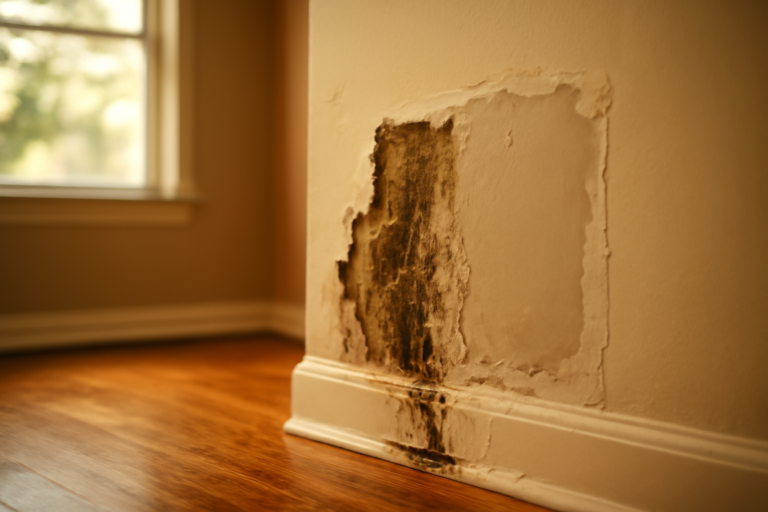
Trusted by 150+ Homeowners
Wet Insulation Removal & Replacement in Highlands, TX
- Over 152 5-Star Reviews
- Free Estimates and Quotes
- 100% Satisfaction Guaranteed
- Child, Family & Pet Safe Steps
- 24-Hour Emergency Service
- Fully Licensed & Insured
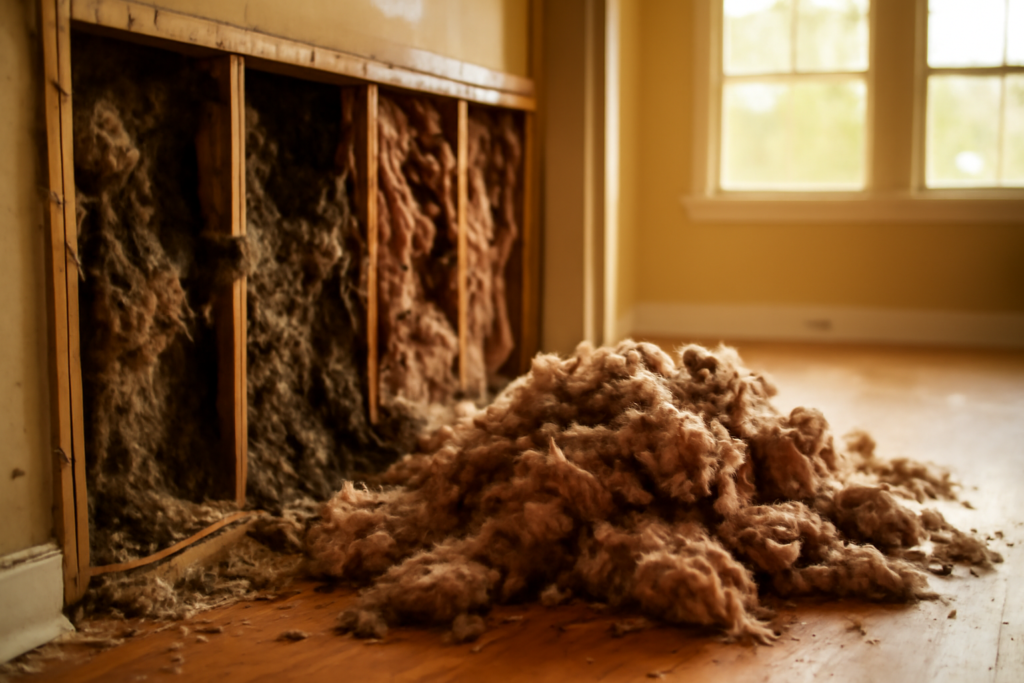
When Your Insulation Gets Soaked: Wet Insulation Removal & Replacement Services in Highlands, TX
Here around Highlands, TX, we know a thing or two about sudden downpours. You’ve probably seen it yourself – those intense summer thunderstorms that can drench your property in minutes, or even persistent, heavy rains that seem to last for days. This kind of weather can be tough on your home, and one of the most overlooked casualties is your insulation. When it gets thoroughly wet, it’s not just an inconvenience; it can lead to serious issues if not handled properly. Addressing wet insulation quickly is crucial for your home’s health and your family’s comfort, and that’s where our specialized service comes in.
We’ve helped over a thousand neighbors in your community get their homes back to normal after insulation gets waterlogged, and we’ve earned more than 165 five-star reviews for our focused work on this specific problem. Homeowners trust us because we understand the unique challenges our local climate presents and we tackle wet insulation removal and replacement with a no-nonsense, expert approach. You want your home dry and healthy, and we’re here to make that happen efficiently and effectively.
- We don’t just remove wet insulation; we target the underlying moisture sources to prevent recurrence.
- Our process ensures your home’s air quality is protected, removing potential mold and mildew risks before they start.
- We’re focused on restoring your home’s energy efficiency by installing the right replacement insulation for your needs.
How We Tackle Wet Insulation: A Detailed Look at the Process
When your insulation has absorbed significant moisture, it’s more than just damp. It’s lost its insulating power, can become a breeding ground for mold, and can even start to deteriorate structural components if left unchecked. That’s why we approach wet insulation removal and replacement with a thorough, step-by-step method, ensuring no detail is missed. Cutting corners here can lead to more expensive problems down the road, like mold damage or reduced energy efficiency, which is why we’re so meticulous. Our crews are trained to handle this specialized task with care and precision, making sure your home is properly restored.
Assessment and Containment
The first step is a detailed inspection to determine the full extent of the water damage to your insulation and surrounding areas. We’ll identify the water source and then set up containment barriers to prevent any further moisture or contaminants from spreading to unaffected parts of your home. This initial assessment is critical for planning the most effective removal strategy and protecting your living space. This usually takes a few hours, depending on the complexity.
Removal of Damaged Insulation
Once containment is in place, our technicians carefully remove all the saturated insulation. We use specialized equipment to safely bag and dispose of the wet material, preventing it from becoming a hazard. Proper disposal is a key part of the process to avoid spreading mold spores or other contaminants. This stage can take anywhere from a few hours to a full day, depending on how much insulation needs to be removed and its location.
Drying and Deodorizing
After the wet insulation is gone, we focus on thoroughly drying the affected cavities and surrounding materials. We use industrial-grade air movers and dehumidifiers to remove residual moisture. This step is vital for preventing mold growth and ensuring the structural integrity of your home. Effective drying prevents future problems. This drying phase can take several days, monitored closely by our team.
Mold and Mildew Inspection
Even after drying, we conduct a careful inspection for any signs of mold or mildew that may have begun to form. If any is found, we use specialized cleaning agents and techniques to safely remediate the affected areas. Ensuring a healthy environment is our top priority, and this inspection is a non-negotiable part of that. This inspection is usually completed within a day after drying.
New Insulation Installation
Once the area is completely dry, clean, and deemed safe, we install new, high-quality insulation. We’ll discuss your options with you, recommending the best type of insulation for your home’s specific needs and energy efficiency goals. Proper installation restores your home’s comfort and energy performance. This final step typically takes one to two days.
Don’t let waterlogged insulation compromise your home’s health and comfort. Contact us today for a thorough assessment and let us restore your property to its dry, efficient state.
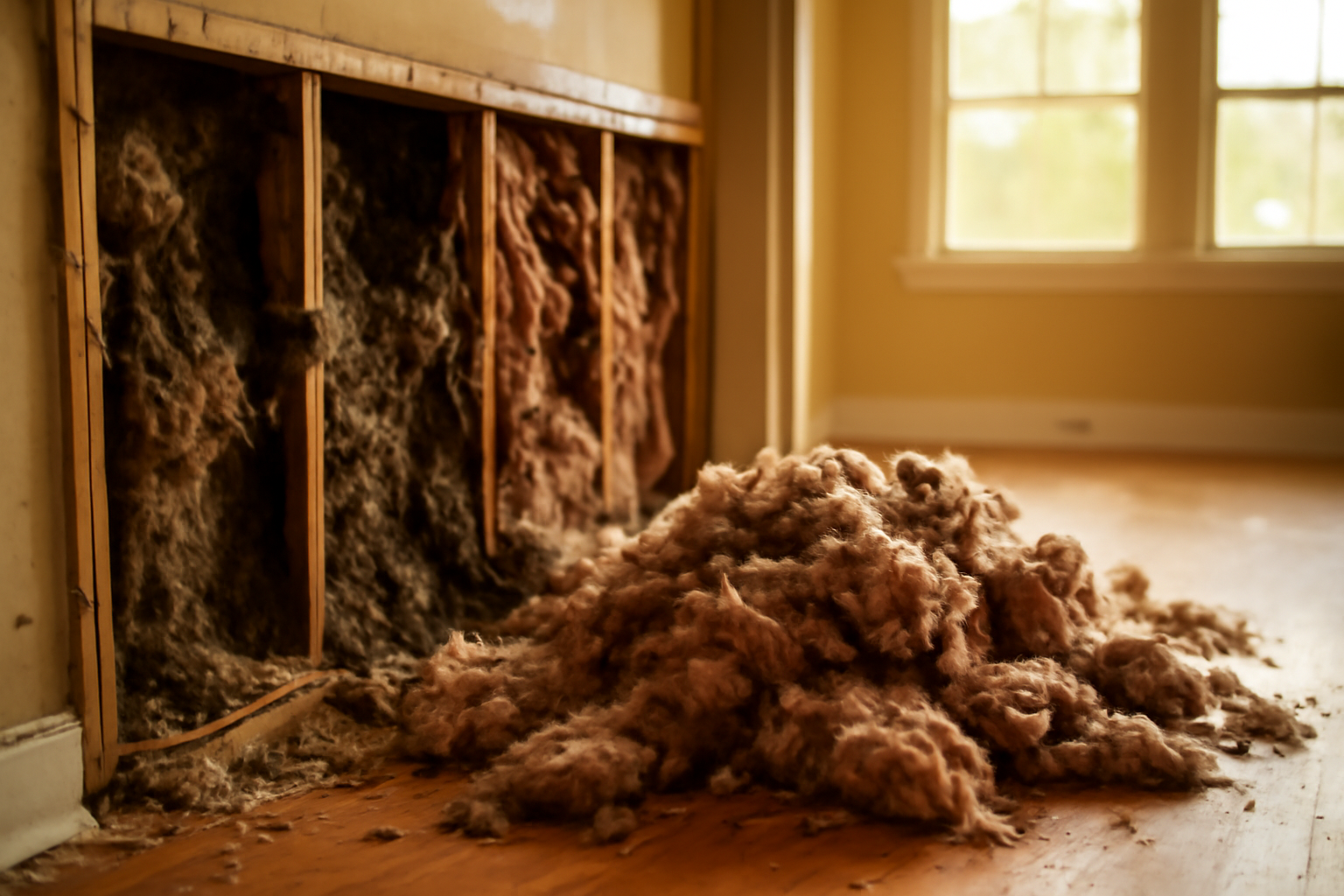
Warning Signs You Need Wet Insulation Removal & Replacement
Catching the signs of wet insulation early can save you a lot of hassle and money. Ignoring these indicators can lead to bigger, more expensive issues like mold damage, structural rot, and significantly higher energy bills. Being aware of what to look for is your first line of defense against these problems.
Musty Odors That Won’t Go Away
One of the most common and persistent signs is a damp, musty smell, especially noticeable in attics, crawl spaces, or near exterior walls. This odor often indicates that moisture is trapped and mold or mildew may be starting to grow. Persistent odors are a clear warning that something needs attention.
Visible Water Stains or Dark Spots
Look for discoloration on your ceiling, walls, or around vents. Dark spots or visible water stains are direct evidence that water has penetrated the insulation and potentially the building materials. Stains mean moisture has been present for some time.
Sagging or Clumped Insulation
Dry insulation typically has a fluffy, uniform appearance. When insulation becomes wet, it loses its loft, becoming heavy and dense. You might notice it sagging away from the ceiling joists or appearing clumped together. Sagging insulation performs poorly and indicates water saturation.
Increased Energy Bills
Wet insulation loses its ability to trap air effectively, drastically reducing its R-value. This means your heating and cooling systems have to work much harder to maintain a comfortable temperature. Unexpected bill increases can signal insulation issues.
Mold or Mildew Growth
In damp, dark environments like attics or crawl spaces, mold and mildew can thrive on wet insulation and surrounding organic materials. You might see fuzzy or slimy patches of green, black, or white growth. Visible mold is a health hazard and requires immediate professional attention.
Areas of the Home Feel Colder or Hotter
Uneven temperatures throughout your house, particularly in rooms near suspected wet insulation areas, can be a sign that your insulation isn’t doing its job. Cold spots or hot spots mean your thermal barrier is compromised.
Wet Insulation Removal & Replacement vs. DIY: When To Call a Professional
| Situation | DIY? | Call a Pro? | Why |
|---|---|---|---|
| Minor attic condensation | Maybe | Yes | Assessing the true extent and ensuring proper drying can be tricky for DIYers. |
| Small, localized leak affecting a few bags of fiberglass insulation | Possibly | Yes | Ensuring complete removal of all affected material and preventing mold spores from spreading is difficult. |
| Large-scale flooding or extensive saturation of insulation in walls and ceilings | No | Absolutely | Requires specialized equipment for removal, drying, and containment to prevent widespread damage and health risks. |
| Suspected mold growth within or on insulation | No | Absolutely | Mold remediation requires safety protocols and specialized treatments to ensure it’s fully eradicated. |
| Insulation in hard-to-reach areas like crawl spaces or behind complex framing | No | Yes | Accessing and removing insulation safely and effectively in these areas is challenging and potentially hazardous. |
| Replacing blown-in cellulose or spray foam insulation | No | Absolutely | These types of insulation require specific tools and techniques for effective removal and replacement. |
While small, dry patches might seem manageable, any significant water saturation or suspected mold growth means it’s time to call in the experts. Professional removal ensures a safe and thorough job, protecting your home and your health from long-term consequences.
Wet Insulation Removal & Replacement Cost In Highlands, TX
The cost for wet insulation removal and replacement in Highlands, TX, can vary quite a bit. Factors like the total square footage affected, the type of insulation, the severity of water damage, and whether mold has begun to grow all play a role. These price ranges are estimates to give you a general idea.
| Service | Typical Price Range | What Affects Cost |
|---|---|---|
| Inspection and Assessment | $200 – $500 | Complexity of the damage and the size of the property being inspected. |
| Wet Insulation Removal (per sq ft) | $1.00 – $3.00 | Density of insulation, accessibility, and volume of material to be removed. |
| Drying and Dehumidification (per day) | $150 – $400 | Size of the affected area and the amount of industrial drying equipment needed. |
| Mold Inspection and Remediation | $500 – $5,000+ | Severity and spread of mold growth, and the method of remediation required. |
| New Insulation Installation (per sq ft) | $1.00 – $5.00 | Type of insulation chosen (fiberglass batts, blown-in cellulose, spray foam) and R-value desired. |
| Disposal Fees | $100 – $500 | Volume of contaminated insulation and debris requiring specialized disposal. |
For an accurate quote tailored to your specific situation, we offer free, no-obligation estimates. We’ll come to your property, assess the damage, and provide a clear breakdown of the costs involved.
Service Areas Near Highlands, TX
Baytown, Crosby, La Porte, Channelview, Sheldon, Huffman, Mont Belvieu, Beach City, Anahuac, Cove, Highlands, Dayton, Liberty, Hankamer, Wallisville, Winnie, Stowell, Kemah, Seabrook, Clear Lake Shores.
Common Questions About Wet Insulation Removal & Replacement
How long does it take to remove and replace wet insulation?
The timeline can vary significantly. Simple removal and replacement for a small attic might take a day or two. However, if there’s extensive saturation, drying time is needed, and potential mold remediation, the entire process could extend to a week or more. We work efficiently to get your home back to normal as quickly as possible, but thoroughness is key to preventing future issues.
Is wet insulation dangerous?
Yes, wet insulation can pose health and safety risks. It loses its effectiveness, leading to higher energy bills and making your home uncomfortable. More importantly, trapped moisture creates a perfect environment for mold and mildew growth, which can negatively impact indoor air quality and cause respiratory problems. It can also weaken structural components over time. We ensure all hazardous materials are safely removed.
Can I just dry out my wet insulation?
In very minor cases with immediate drying, some insulation might be salvageable, but generally, it’s not recommended. Once insulation becomes saturated, its ability to provide thermal resistance is severely compromised, and it becomes a prime target for mold. Attempting to dry it often isn’t enough to restore its function or eliminate all risks. For your home’s long-term health, replacement is usually the best course of action.
What causes insulation to get wet in the first place?
Several things can cause your insulation to get wet. Common culprits include roof leaks, plumbing leaks (like a burst pipe or faulty appliance), foundation issues allowing groundwater in, or condensation buildup, especially in attics and crawl spaces due to poor ventilation. Identifying the original water source is vital during our assessment to prevent the problem from happening again. We help you pinpoint these issues.
Does homeowner’s insurance cover wet insulation removal and replacement in Highlands, TX?
Often, yes, but it depends entirely on the cause of the water damage. If the damage resulted from a sudden, accidental event like a burst pipe or storm damage, your policy may cover it. If it’s due to gradual issues like poor maintenance or chronic leaks, it might not be covered. We can help document the damage for your insurance claim. It’s always best to check your specific policy details.
Check Our Other Relevant Services

Gary Gwin: Damage Restoration Expert
With over 20 years of hands-on experience, Gary Gwin is a trusted authority in property recovery and disaster mitigation. As a licensed specialist, Gary has dedicated his career to restoring safety and peace of mind for homeowners facing environmental crises.
𝗖𝗲𝗿𝘁𝗶𝗳𝗶𝗰𝗮𝘁𝗶𝗼𝗻𝘀: Gary holds multiple advanced IICRC certifications, including Water Damage Restoration (WRT), Applied Microbial Remediation (Mold), Applied Structural Drying (ASD), Odor Control, and Fire and Smoke Restoration. His deep technical knowledge ensures every project meets the highest industry standards for health and safety.
𝗕𝗲𝘀𝘁 𝗣𝗮𝗿𝘁 𝗼𝗳 𝘁𝗵𝗲 𝗝𝗼𝗯: Gary finds the most fulfillment in guiding families through the recovery process, transforming a chaotic property loss into a restored, habitable home.
𝗙𝗮𝘃𝗼𝗿𝗶𝘁𝗲 𝗣𝗮𝘀𝘁𝗶𝗺𝗲: When off the clock, Gary enjoys exploring local hiking trails and woodworking.