Trusted by 150+ Homeowners
Artwork Restoration in Iowa Colony, TX
- Over 152 5-Star Reviews
- Free Estimates and Quotes
- 100% Satisfaction Guaranteed
- Child, Family & Pet Safe Steps
- 24-Hour Emergency Service
- Fully Licensed & Insured
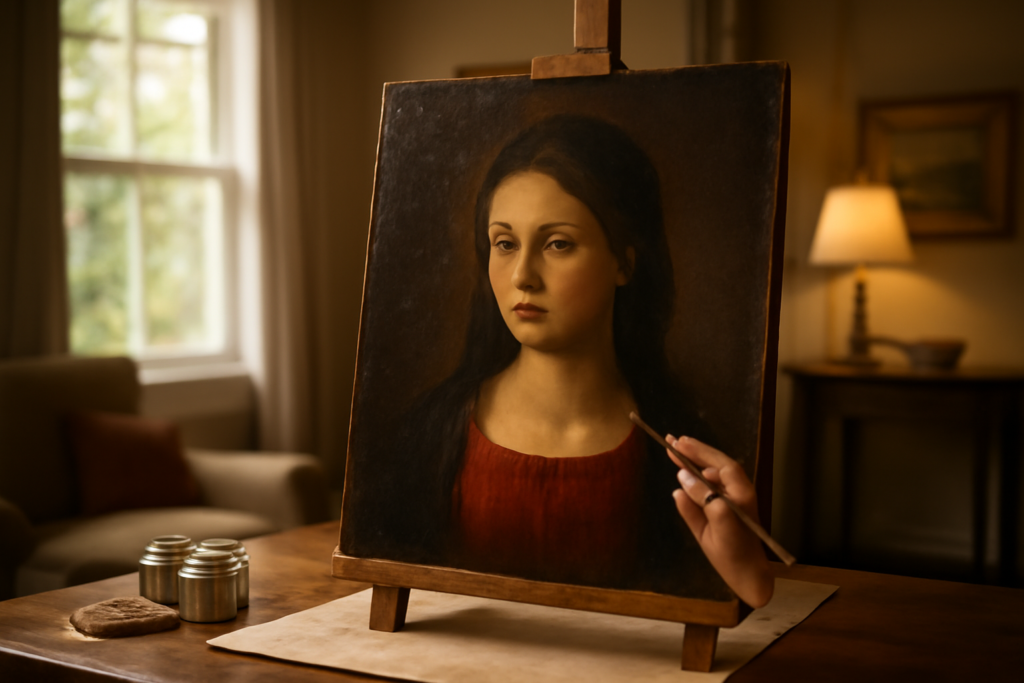
Preserving Your Priceless Pieces: Artwork Restoration in Iowa Colony, TX
When water drips from a leaky pipe onto your cherished family portrait, or smoke from a small kitchen fire casts a shadow over a beloved painting, it’s easy to feel a pang of dread. Don’t touch that damaged canvas; often, immediate, incorrect handling can cause more harm than good. Understanding the right steps to take when your artwork is threatened right here in Iowa Colony, TX, is crucial for its survival. We know how much these pieces mean to you, and our focus is always on gentle, effective recovery.
Homeowners around here trust our team because we treat every piece of art with the respect and meticulous care it deserves. With over 165 five-star reviews from satisfied clients, you can see why we’re the go-to for artwork recovery specialists. We’re not just fixing damage; we’re working to bring your memories and heirlooms back to life, recognizing the unique emotional and monetary value they hold for your family. It’s about more than just a job; it’s about preserving history.
- We specialize in neutralizing odors and removing soot stains without damaging delicate pigments or canvas.
- Our team uses gentle, specialized cleaning agents and techniques proven effective on various artistic mediums.
- We understand the urgency and work quickly to stabilize the artwork and prevent further deterioration.
How We Bring Your Artwork Back to Life
The process for Artwork Restoration isn’t a one-size-fits-all approach; it’s a carefully orchestrated series of steps designed to address the specific damage your piece has sustained. Acting fast is incredibly important because the longer damage sits, the more permanent it can become. Delaying professional intervention often leads to more complex and costly repairs down the line, and that’s something we aim to prevent for our neighbors. We focus on rapid assessment and immediate stabilization to give your artwork the best chance.
Initial Assessment and Documentation
Upon arrival, our technicians will perform a thorough inspection of the artwork, noting the type of damage, affected materials, and the extent of the problem. We carefully photograph the piece from multiple angles to document its condition before any work begins. This detailed record is essential for tracking progress and for insurance purposes, ensuring we have a clear understanding of the situation.
Controlled Environment Setup
We’ll establish a clean, stable environment, often on-site if feasible and safe, or by carefully transporting the piece to a specialized facility. This involves controlling temperature, humidity, and airflow to prevent further damage or the spread of contaminants like mold or soot. Maintaining these precise conditions is key to successful restoration and requires careful monitoring throughout the process.
Gentle Cleaning and Stain Removal
Using specialized, pH-neutral cleaning solutions and soft brushes or sponges, we begin the delicate process of removing surface contaminants. For water damage, we focus on removing moisture without causing the paint to crack or warp. For smoke and soot, we employ techniques that lift the particles without smearing them further into the artwork’s surface. This step requires immense patience and a steady hand.
Odor Neutralization
If smoke or water damage has left behind unpleasant odors, we utilize professional-grade deodorizing treatments. These aren’t just masking agents; they are designed to break down the odor-causing molecules at their source. We employ methods like ozone treatments (used with extreme caution and in controlled settings) or specialized air scrubbers to effectively neutralize lingering smells. This makes your home and your artwork feel fresh again.
Drying and Stabilization
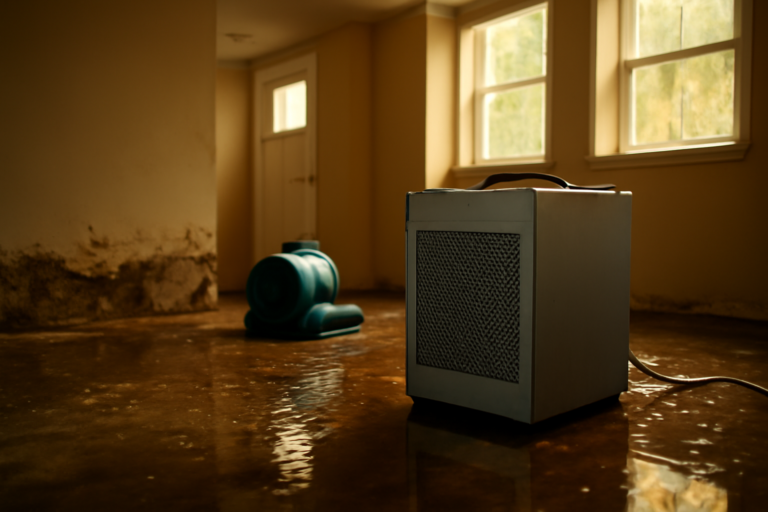
Proper drying is critical, especially after water damage. We use specialized drying equipment, such as low-heat air movers and dehumidifiers, to gently remove moisture from the artwork and its frame. This controlled drying process helps prevent warping, mold growth, and further structural damage. Stabilization might also involve reinforcing weakened areas or re-adhering loose elements, all done with the utmost precision.
Don’t wait for damage to become irreparable; contact us immediately if your artwork has been affected. The sooner we can begin the restoration process, the better the outcome will be for your treasured possessions. We’re ready to help preserve what matters most to you.
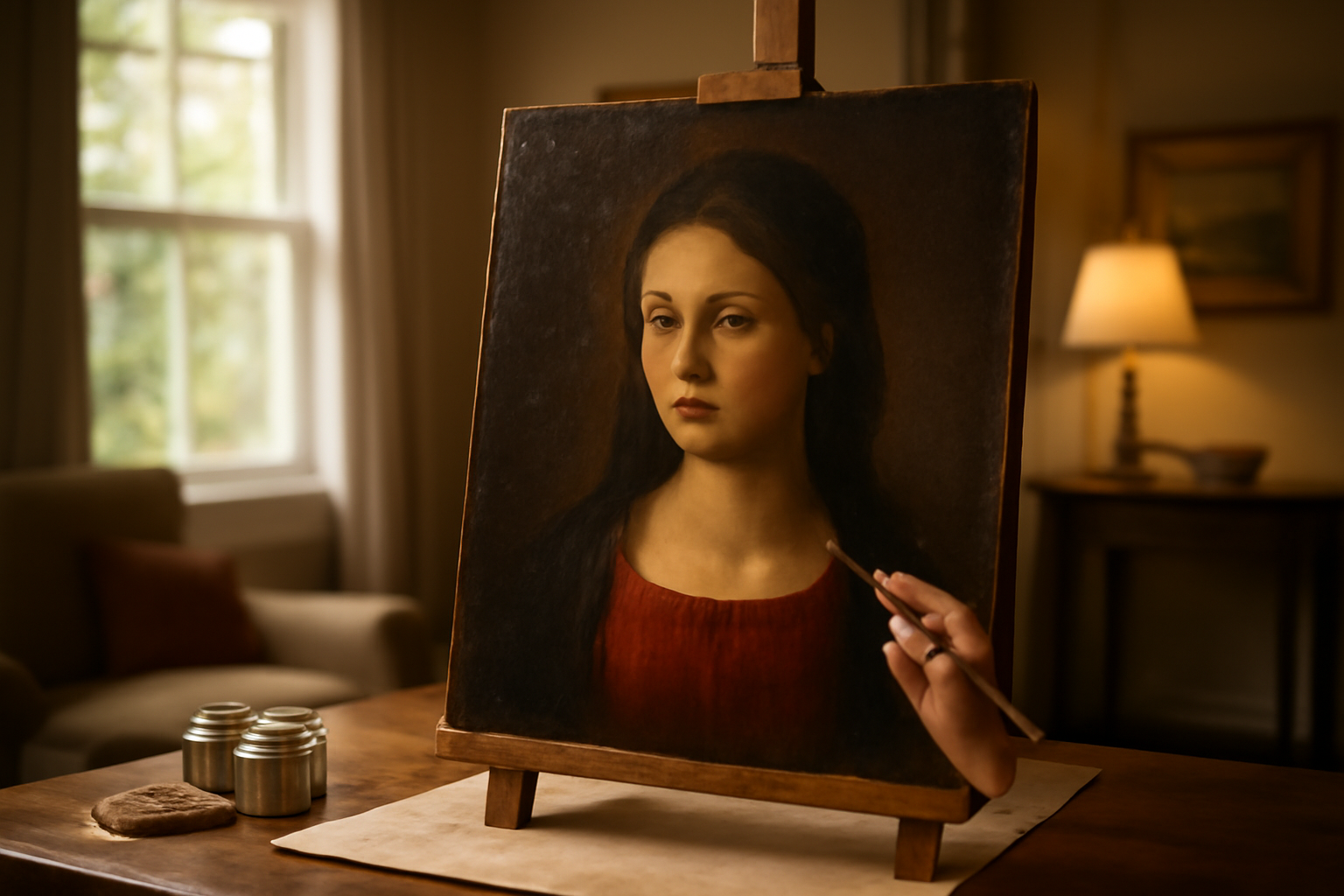
Warning Signs You Need Artwork Restoration
Catching the early signs of damage to your artwork is vital for a successful restoration. Ignoring subtle changes can lead to more significant problems that are harder and more expensive to fix. Being aware of what to look for can save you considerable stress and expense later on. We want you to be informed about the potential threats to your valuable pieces.
Musty Odors That Won’t Go Away
A persistent musty or damp smell, especially after water exposure or in humid conditions, is a strong indicator of mold or mildew growth. This can spread quickly and compromise the integrity of the artwork. Addressing this early is crucial for both the artwork and your home’s air quality.
Visible Water Stains or Discoloration
Rings, spots, or general discoloration on the canvas, paper, or frame are direct evidence of water damage. These stains can indicate that the material has absorbed moisture, which can lead to structural weaknesses or pigment degradation over time. Prompt attention is key to preventing this from worsening.
Soot or Smoke Residue
A thin, greasy, or powdery film on the surface of the artwork, often accompanied by a smoky smell, signals smoke damage. This residue can be acidic and corrosive, leading to permanent discoloration if not removed carefully and promptly. Proper soot removal requires specialized techniques.
Buckling or Warping of Canvas or Paper
If you notice that your canvas is no longer taut or that paper has started to ripple or curl, it’s likely due to moisture absorption and uneven drying. This distortion can cause paint to crack or flake off. Stabilizing the material is paramount to prevent further damage.
Flaking or Peeling Paint
This is often a result of moisture affecting the adhesion between paint layers or between the paint and the underlying surface. It can also be exacerbated by rapid temperature or humidity changes. Preventing further loss of paint is a top priority in restoration.
Changes in Color or Tone
If colors appear faded, darkened, or have developed strange hues, it could be due to smoke, certain types of mold, or chemical reactions from the damage. These subtle shifts often mean the pigments themselves are being affected. Identifying the cause is the first step to reversing the effect.
Artwork Restoration vs. DIY: When To Call a Professional
| Situation | DIY? | Call a Pro? | Why |
|---|---|---|---|
| Light dust on a framed print | Yes | No | A soft brush or microfiber cloth is usually sufficient. |
| Minor water spots on a frame | Maybe | Yes | Improper drying can warp wood and damage finishes. |
| Soot smudge on a canvas painting | No | Yes | DIY attempts can spread soot or damage delicate paint layers. |
| Musty smell from a watercolor painting | No | Yes | Mold requires specialized removal to prevent health risks and further damage. |
| Tears or punctures in a canvas | No | Yes | Requires professional patching and re-stretching techniques to maintain structural integrity. |
| Fading colors on a photograph | No | Yes | Often caused by light or chemical damage that needs expert assessment and treatment. |
While minor dusting might be manageable at home, any damage involving moisture, smoke, mold, or physical tears to your artwork is best handled by professionals. Trusting the experts ensures that the delicate balance of your artwork is respected and preserved. We have the specialized tools and knowledge to tackle these complex issues effectively.
Artwork Restoration Cost In Iowa Colony, TX
The cost for Artwork Restoration in Iowa Colony, TX, can vary significantly depending on the extent of the damage, the size and medium of the artwork, and the complexity of the restoration required. These figures are general estimates and an on-site assessment is always needed for an accurate quote. We aim to be transparent about potential costs so you can make informed decisions.
| Service | Typical Price Range | What Affects Cost |
|---|---|---|
| Surface Cleaning (dust, light grime) | $150 – $400 | Size of artwork, type of surface. |
| Water Damage Cleaning & Drying | $500 – $2,500 | Severity of water intrusion, drying time needed, material type. |
| Soot and Smoke Residue Removal | $600 – $3,000 | Type of smoke, extent of residue, delicacy of the artwork. |
| Odor Neutralization | $300 – $1,200 | Intensity of odor, size of the piece, treatment method used. |
| Minor Repairs (small tears, re-adhesion) | $400 – $2,000 | Complexity of the repair, materials needed, time involved. |
| Full Canvas/Paper Stabilization | $700 – $4,000+ | Structural integrity needed, material condition, mounting requirements. |
These ranges provide a general idea, but a precise cost can only be determined after our team has evaluated the specific needs of your artwork. We offer free estimates to give you a clear understanding of the investment required for restoration.
Service Areas Near Iowa Colony, TX
Alvin, Angleton, Arcola, Bellaire, Brazoria, Brookside Village, Clute, Cornelius, Deer Park, Fresno, Friendswood, Galena Park, Houston, Humble, Jacinto City, Katy, La Marque, La Porte, League City, Manvel, Meadows Place, Missouri City, Montgomery, New Caney, Pearland, Pasadena, Richmond, River Oaks, Rosenberg, Rosharon, Santa Fe, Seabrook, South Houston, Stafford, Sugar Land, Texas City, The Woodlands, Webster, West University Place, Alvin, Angleton, Arcola, Bellaire, Brazoria, Brookside Village, Clute, Cornelius, Deer Park, Fresno, Friendswood, Galena Park, Houston, Humble, Jacinto City, Katy, La Marque, La Porte, League City, Manvel, Meadows Place, Missouri City, Montgomery, New Caney, Pearland, Pasadena, Richmond, River Oaks, Rosenberg, Rosharon, Santa Fe, Seabrook, South Houston, Stafford, Sugar Land, Texas City, The Woodlands, Webster, West University Place.
Common Questions About Artwork Restoration
What if my artwork is valuable? Should I call a professional immediately?
Yes, absolutely. If your artwork is valuable, whether monetarily or sentimentally, it’s always best to call a professional restoration specialist right away. We have the experience and specialized equipment to handle valuable pieces without causing further damage. Attempting DIY fixes on high-value items can significantly decrease their worth and lead to irreversible harm. We prioritize the careful handling of your most treasured possessions.
How long does Artwork Restoration typically take?
The timeline for Artwork Restoration can vary greatly depending on the type and severity of the damage, as well as the size and medium of the piece. Simple cleaning might take a few days, while extensive water damage or structural repairs could take several weeks or even months. We provide realistic timelines after our initial assessment, keeping you informed throughout the restoration process.
Is Artwork Restoration covered by homeowner’s insurance?
Often, yes. If the damage to your artwork was caused by a covered event like a fire, flood, or significant leak, your homeowner’s insurance policy may cover the cost of restoration. We work with insurance adjusters to document the damage and provide detailed estimates to help streamline your claims process. It’s always best to check your specific policy details.
What kind of equipment do you use for Artwork Restoration?
We use a variety of specialized equipment, including industrial-grade dehumidifiers, air scrubbers with HEPA filters, controlled drying chambers, and gentle cleaning tools like soft brushes and specialized sponges. For certain types of damage, we might use ozone generators in a controlled environment to neutralize odors. Our advanced equipment is designed to address damage effectively while protecting the artwork’s integrity.
Can you prevent future damage to my artwork?
While we can’t predict all future events, we can offer advice on preventing future damage. This includes maintaining stable humidity and temperature levels in your home, ensuring proper ventilation, and being mindful of potential water sources like leaky pipes or roofs. Proper preventative measures can significantly reduce the risk of future damage to your cherished pieces. We can also advise on best practices for framing and display.
Check Our Other Relevant Services

Gary Gwin: Damage Restoration Expert
With over 20 years of hands-on experience, Gary Gwin is a trusted authority in property recovery and disaster mitigation. As a licensed specialist, Gary has dedicated his career to restoring safety and peace of mind for homeowners facing environmental crises.
𝗖𝗲𝗿𝘁𝗶𝗳𝗶𝗰𝗮𝘁𝗶𝗼𝗻𝘀: Gary holds multiple advanced IICRC certifications, including Water Damage Restoration (WRT), Applied Microbial Remediation (Mold), Applied Structural Drying (ASD), Odor Control, and Fire and Smoke Restoration. His deep technical knowledge ensures every project meets the highest industry standards for health and safety.
𝗕𝗲𝘀𝘁 𝗣𝗮𝗿𝘁 𝗼𝗳 𝘁𝗵𝗲 𝗝𝗼𝗯: Gary finds the most fulfillment in guiding families through the recovery process, transforming a chaotic property loss into a restored, habitable home.
𝗙𝗮𝘃𝗼𝗿𝗶𝘁𝗲 𝗣𝗮𝘀𝘁𝗶𝗺𝗲: When off the clock, Gary enjoys exploring local hiking trails and woodworking.