Trusted by 150+ Homeowners
Artwork Restoration in Pecan Grove, TX
- Over 152 5-Star Reviews
- Free Estimates and Quotes
- 100% Satisfaction Guaranteed
- Child, Family & Pet Safe Steps
- 24-Hour Emergency Service
- Fully Licensed & Insured
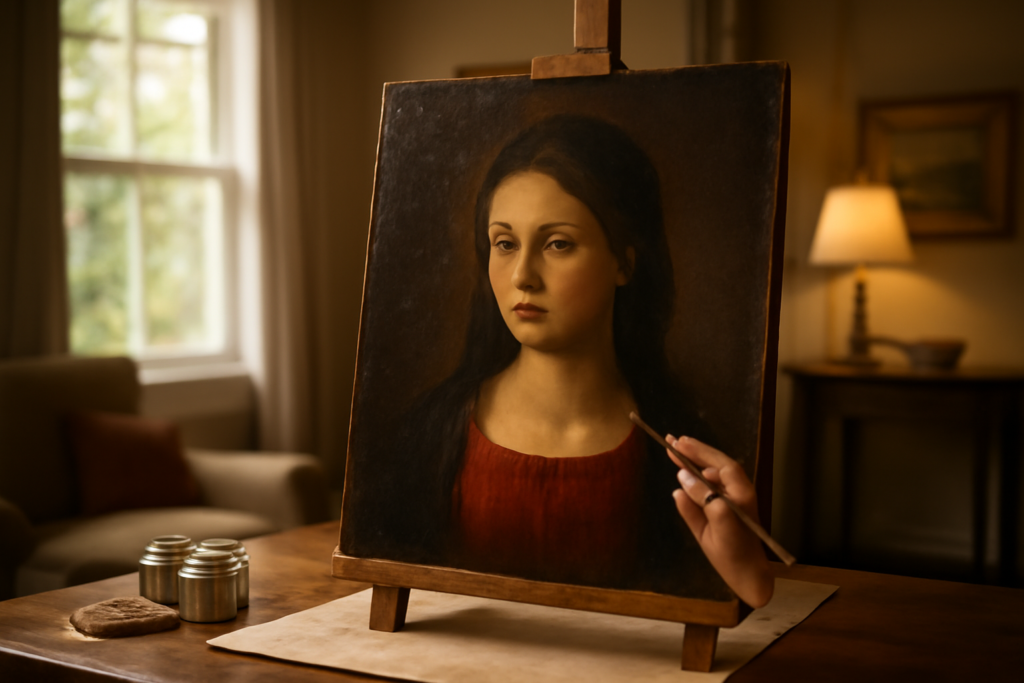
When Your Cherished Art Needs Expert Care in Pecan Grove, TX
You’re walking through your home, maybe after a minor incident like a burst pipe or a leaky roof, and you notice it. A faint discoloration on the canvas, a water stain creeping across a valuable print, or even a musty smell clinging to a treasured sculpture. It’s a sinking feeling, realizing your artwork, those pieces that bring so much life and history to your space, might be damaged. Don’t let that sinking feeling turn into despair; swift action is crucial for protecting your investment. We understand how much these pieces mean to you, and we’re here to provide the specialized care they deserve to prevent further deterioration.
Locally, homeowners have turned to our team for over 165 five-star reviews when their artwork faces damage. They trust us because we’re not just about cleaning; we’re about understanding the delicate materials and the science behind preserving them. You’ll see the difference our dedicated approach makes, ensuring your art is treated with the respect and expertise it requires. We’re known for our meticulous attention to detail and our commitment to bringing your art back to its best possible condition.
- We employ advanced drying techniques specifically calibrated for delicate mediums, ensuring moisture is removed without causing new damage to paint or paper.
- Our team uses specialized, non-intrusive cleaning agents designed to lift stains and contaminants without affecting the integrity or color of the artwork itself.
- We focus on stabilizing the artwork’s condition, preventing further warping, mold growth, or material breakdown, safeguarding your long-term investment.
The Science Behind Restoring Your Artwork
Proper artwork restoration isn’t a simple wipe-down; it’s a highly technical process that requires specialized knowledge and equipment. When art is exposed to moisture, mold, or other contaminants, the damage can spread rapidly, compromising the materials at a molecular level. Cutting corners or using generic cleaning methods can cause irreversible harm, turning a salvageable piece into a permanent loss. Our approach is rooted in understanding the science of material degradation and employing precise methods to halt and reverse it, offering a true restoration solution and preventing long-term structural issues.
Initial Assessment and Containment
First, our technicians conduct a thorough visual and, if necessary, instrumental assessment of the artwork. We identify the specific type of damage and the materials involved, then immediately implement containment protocols to prevent any further spread of contaminants or moisture. This ensures that the problem is isolated, protecting other items in your home and the artwork itself from secondary damage.
Controlled Drying Protocols
If moisture is a factor, we utilize specialized, low-humidity drying chambers or targeted air movers. These systems carefully control the rate of drying, preventing rapid changes that could cause cracking or warping in canvases, paper, or wood. We monitor humidity and temperature levels precisely to achieve optimal results without stressing the artwork’s materials.
Specialized Surface Cleaning
Depending on the artwork’s medium and the type of soiling, we employ a range of gentle cleaning techniques. This might include dry-cleaning sponges for surface dust, specialized erasers for graphite or charcoal, or carefully formulated solutions for tackling water stains or soot. Our goal is to lift the contaminants effectively while preserving the original surface and pigments, ensuring gentle yet effective cleaning.
Mold and Mildew Remediation
For artworks affected by mold or mildew, we use carefully selected antimicrobial solutions that are safe for art materials. This process is done in a controlled environment to prevent spore dispersal. We then ensure the artwork is thoroughly dried and treated to inhibit future growth, making your home healthier and safer.
Stabilization and Preservation
Once cleaned and dried, we focus on stabilizing the artwork. This might involve reinforcing weakened areas, addressing frame damage, or applying protective coatings if appropriate. Our goal is to return the artwork to a stable condition, ready for display or storage, ensuring its longevity and preventing future costly repairs.
Don’t wait for minor damage to become a major loss. If you suspect your artwork needs attention, call us immediately. We’re ready to provide the expert care your cherished pieces deserve, acting fast to protect your investment.
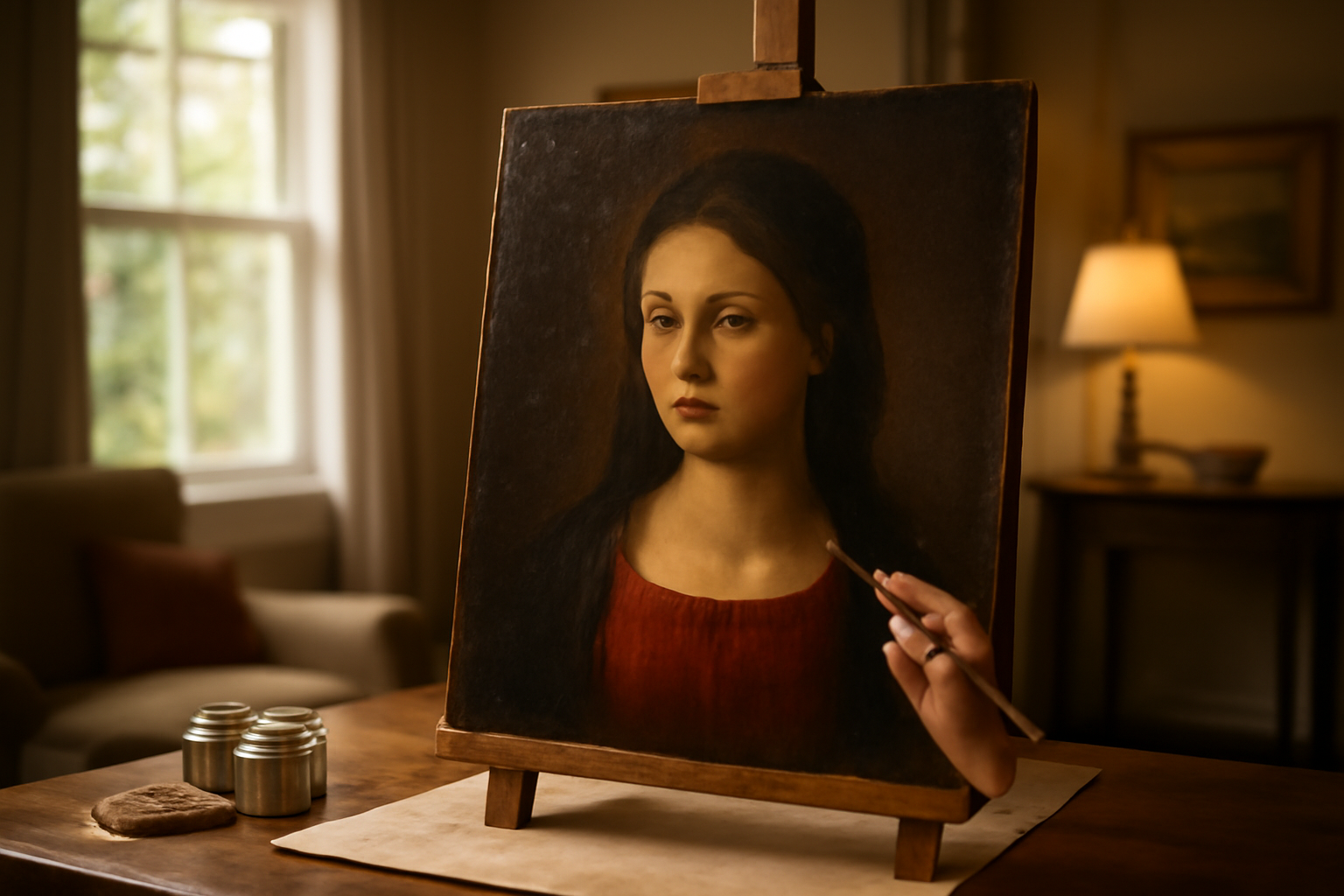
Warning Signs You Need Artwork Restoration
Catching the early signs of damage to your artwork is critical. Ignoring these indicators can lead to more severe, expensive, and potentially irreversible problems down the line. Your treasured pieces deserve prompt attention; acting now can save them. We’re here to help you recognize these signs so you can take timely and appropriate action.
Musty Odors That Won’t Go Away
A persistent musty or earthy smell, especially near paintings, drawings, or sculptures, is a strong indicator of mold or mildew growth. This can occur from hidden moisture and poses a risk to both the artwork and your home’s air quality, requiring immediate professional inspection.
Visible Discoloration or Stains
Water stains, soot marks, or unexpected color changes on the surface of your artwork are clear signs of exposure to contaminants or moisture. These aren’t just aesthetic issues; they can signal deeper material damage that needs careful treatment. Addressing these stains promptly is key to preventing permanent damage.
Flaking or Blistering Paint
If you notice paint lifting or bubbling from the canvas or substrate, it’s often due to moisture trapped beneath the surface or rapid temperature fluctuations. This is a critical sign that the artwork’s structure is compromised and requires expert intervention to prevent further loss of paint. We can help stabilize flaking paint before it’s too late.
Warping or Sagging Materials
Paper, canvas, or wood substrates that appear warped, buckled, or are sagging indicate they’ve absorbed moisture or have been subjected to extreme humidity changes. This can weaken the material’s integrity, leading to tears or cracks. Prompt drying and flattening can often save these pieces, so contact us without delay.
Powdery Residue or White Spots
A powdery white or grayish substance on the surface of your artwork, especially noticeable on darker areas, is often efflorescence (salt deposits) or mold. This suggests the material has been exposed to moisture and minerals are migrating to the surface. Removing this requires specialized techniques to avoid damaging the artwork, so seek expert advice.
Changes in Texture or Surface Integrity
Any noticeable change in the artwork’s surface texture—whether it feels sticky, brittle, or rougher than it should—signals that the materials are degrading. This could be due to chemical reactions, environmental exposure, or past improper cleaning attempts. Understanding these changes is vital for effective restoration, ensuring corrective measures are taken.
Artwork Restoration vs. DIY: When To Call a Professional
| Situation | DIY? | Call a Pro? | Why |
|---|---|---|---|
| Light surface dust on a framed print | Yes, with a soft brush or microfiber cloth. | No | Gentle dusting is usually safe for most framed prints. |
| A small water stain on a non-valuable poster | Maybe, with extreme caution and specialized erasers. | Yes | Incorrect methods can spread the stain or damage the paper fibers. |
| Mold spots on a valuable oil painting | Absolutely Not | Yes | Mold can deeply penetrate paint layers and requires specialized, safe removal. |
| Buckling or warping on a canvas painting | No | Yes | Improper drying can cause permanent cracking and paint loss. |
| Fading colors on a historical document | No | Yes | Fading often indicates material degradation that needs scientific stabilization. |
| Soot or smoke residue on a sculpture | No | Yes | Soot is often oily and abrasive; professional cleaning prevents further damage. |
While minor dusting might be a DIY task, anything involving moisture, mold, significant stains, or damage to valuable or irreplaceable artwork demands professional attention. Attempting DIY on complex issues can inadvertently cause more harm than good, making professional restoration far more costly in the long run. For anything beyond simple surface cleaning, it’s always best to consult with specialists to ensure proper preservation techniques are used.
Artwork Restoration Cost In Pecan Grove, TX
The cost of artwork restoration in Pecan Grove, TX, can vary significantly. Factors like the size and complexity of the piece, the extent of the damage, the type of materials used, and the urgency of the situation all play a role. These prices are estimates, and an on-site assessment is always needed for an accurate quote. We strive to provide clear and competitive pricing.
| Service | Typical Price Range | What Affects Cost |
|---|---|---|
| Initial Damage Assessment & Consultation | $150 – $400 | Complexity of artwork, documentation required. |
| Surface Cleaning (Dust, Light Soot) | $300 – $1,200 | Size of artwork, type of medium, fragility. |
| Water Stain Removal (Paper/Canvas) | $500 – $2,500 | Severity of stain, paper/canvas type, potential for pigment bleed. |
| Mold & Mildew Remediation | $700 – $3,000+ | Extent of growth, artwork size, need for specialized containment. |
| Stabilization of Flaking Paint/Materials | $800 – $4,000+ | Amount of surface affected, complexity of adhesion needed. |
| Dehumidification & Controlled Drying | $400 – $1,500 | Size of artwork, duration of drying needed, equipment setup. |
These figures represent typical ranges for specialized artwork restoration services. The most accurate pricing will come after our team performs a detailed, on-site inspection of your artwork, allowing us to create a precise restoration plan. We offer free, no-obligation estimates so you know exactly what to expect.
Service Areas Near Pecan Grove, TX
Sugar Land, Missouri City, Stafford, Richmond, Rosenberg, Katy, Houston, Pearland, League City, Friendswood, Webster, Alvin, Manvel, Cypress, Spring, Tomball, Humble, Baytown, La Porte, Deer Park.
Common Questions About Artwork Restoration
What is the typical timeline for artwork restoration?
The timeline for artwork restoration can vary greatly, from a few days for minor cleaning to several weeks or even months for extensive damage to complex pieces. Factors like the artwork’s size, the severity of damage, and the specific treatment required all influence the duration. We’ll provide a detailed timeline after our initial assessment, aiming for efficient yet thorough restoration.
Is artwork restoration covered by homeowners insurance?
Often, artwork restoration is covered by homeowners insurance, especially if the damage resulted from a covered event like a fire, flood, or certain types of leaks. It’s important to check your policy details and contact your insurance provider as soon as possible. We can assist with documentation and work directly with your adjuster to ensure proper claim processing.
How do you prevent further damage during the restoration process?
Our team uses highly controlled environments and specialized equipment to prevent secondary damage. This includes careful containment of the work area, precise climate control, and using only art-safe, tested cleaning agents and drying methods. We prioritize the artwork’s stability at every stage, ensuring minimal risk during treatment.
What kind of equipment do you use for artwork restoration?
We utilize a range of specialized equipment, including low-humidity drying chambers, industrial-grade air scrubbers with HEPA filters for air purification, moisture meters for precise readings, and specialized tools for delicate cleaning and stabilization. These tools allow us to address damage scientifically, ensuring optimal results for your art.
Can I try to clean a water-damaged painting myself before calling you?
We strongly advise against attempting to clean a water-damaged painting yourself. Using household cleaners, excessive water, or scrubbing can easily smear pigments, tear paper or canvas, and cause irreversible damage. It’s best to let the artwork dry naturally as much as possible and then contact us immediately for professional assessment and treatment.
Check Our Other Relevant Services

Gary Gwin: Damage Restoration Expert
With over 20 years of hands-on experience, Gary Gwin is a trusted authority in property recovery and disaster mitigation. As a licensed specialist, Gary has dedicated his career to restoring safety and peace of mind for homeowners facing environmental crises.
𝗖𝗲𝗿𝘁𝗶𝗳𝗶𝗰𝗮𝘁𝗶𝗼𝗻𝘀: Gary holds multiple advanced IICRC certifications, including Water Damage Restoration (WRT), Applied Microbial Remediation (Mold), Applied Structural Drying (ASD), Odor Control, and Fire and Smoke Restoration. His deep technical knowledge ensures every project meets the highest industry standards for health and safety.
𝗕𝗲𝘀𝘁 𝗣𝗮𝗿𝘁 𝗼𝗳 𝘁𝗵𝗲 𝗝𝗼𝗯: Gary finds the most fulfillment in guiding families through the recovery process, transforming a chaotic property loss into a restored, habitable home.
𝗙𝗮𝘃𝗼𝗿𝗶𝘁𝗲 𝗣𝗮𝘀𝘁𝗶𝗺𝗲: When off the clock, Gary enjoys exploring local hiking trails and woodworking.