Trusted by 150+ Homeowners
Desiccant Dehumidification in Pasadena, TX
- Over 152 5-Star Reviews
- Free Estimates and Quotes
- 100% Satisfaction Guaranteed
- Child, Family & Pet Safe Steps
- 24-Hour Emergency Service
- Fully Licensed & Insured
Expert Desiccant Dehumidification for Pasadena, TX Properties
When your property in Pasadena, TX experiences significant water intrusion, you need a drying method that’s both powerful and precise. We’ve handled countless situations locally, from minor leaks in historic homes to major flood damage in commercial buildings. You can count on our team’s extensive background in advanced moisture removal techniques to protect your investment and restore healthy living conditions.
Homeowners around here trust us because we’ve built a reputation for getting it right the first time. With over 165 five-star reviews, our commitment to effective Desiccant Dehumidification is clear. We understand the stress and disruption these events cause, and our goal is to make the remediation process as smooth as possible for you.
- Desiccant dehumidifiers excel in low temperatures, making them ideal for cooler months or unheated spaces where traditional refrigerant units struggle.
- They can achieve exceptionally low humidity levels, crucial for preventing secondary issues like mold growth and structural damage, even in challenging environments.
- Our specialized equipment is designed for rapid drying of dense materials like concrete and thick subflooring, minimizing disruption to your property.
How Our Desiccant Dehumidification Process Works
A proper drying process is non-negotiable for your property’s long-term health. We follow a detailed, methodical approach to Desiccant Dehumidification. Cutting corners here can lead to hidden moisture, creating ongoing problems that are far more expensive to fix later. You’ll see our crews work with meticulous attention to detail to ensure every affected area is addressed effectively.
Step 1: Initial Assessment and Containment
First, we conduct a thorough inspection using advanced moisture meters to pinpoint all affected areas. We’ll then establish clear containment zones using barriers to prevent cross-contamination and ensure the drying process is focused. This initial step is vital for effective moisture control.
Step 2: Equipment Setup and Monitoring
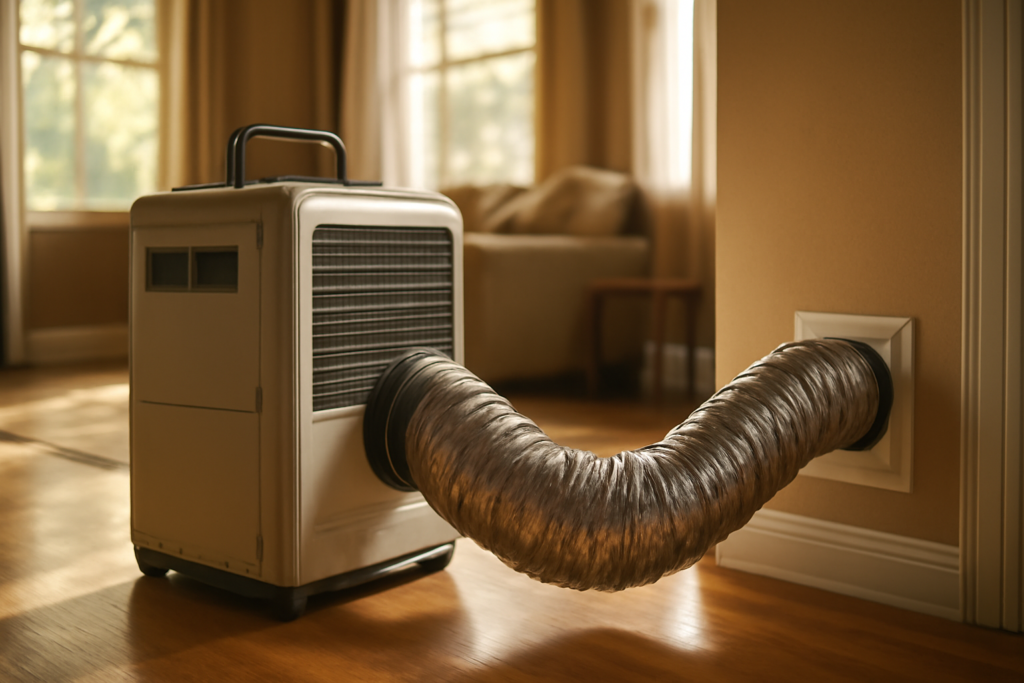
Our technicians strategically place high-capacity desiccant dehumidifiers and air movers. These units work by passing moist air over a desiccant material, which absorbs the moisture. We’ll set up a detailed monitoring schedule to track humidity and temperature levels, adjusting equipment as needed to optimize drying.
Step 3: Advanced Airflow Management
Proper airflow is key. We use specialized ducting and strategically positioned fans to ensure dry air reaches every nook and cranny, including inside walls and under floors. This targeted air circulation accelerates the evaporation of trapped moisture, leading to faster drying times.
Step 4: Continuous Moisture Measurement
Throughout the process, we continuously measure moisture content in building materials. This data helps us determine when drying is complete, ensuring we don’t remove the equipment too soon. You’ll receive regular updates on our progress and the significant reduction in moisture levels.
Step 5: Final Inspection and Handover
Once our meters indicate that your property has reached optimal, dry conditions, we perform a final inspection. We’ll walk through the affected areas with you to confirm satisfaction and discuss any remaining steps. Our goal is to leave your property safe and thoroughly dried.
Don’t let lingering moisture compromise your home or business. Contact us today to get your Desiccant Dehumidification project started and restore your property’s integrity.

Warning Signs You Need Desiccant Dehumidification
Catching these signs early can save you a significant amount of money and prevent much bigger headaches down the road. Ignoring them often means the moisture problem is already more severe than it appears. Let us help you identify potential issues quickly.
Musty Odors That Won’t Go Away
A persistent musty smell, especially after water exposure, is a strong indicator of high humidity and potential mold growth. This smell often means hidden moisture is present and needs immediate attention.
Visible Mold or Mildew Growth
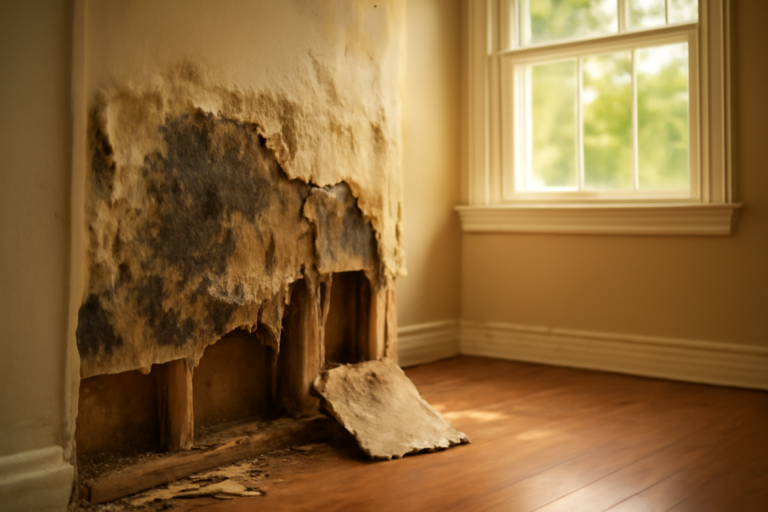
Any signs of mold or mildew on walls, ceilings, or in damp areas are a clear signal that your environment is too humid. This requires professional intervention to remove and prevent recurrence.
Warped or Discolored Materials
Look for buckling floors, peeling paint, or stained drywall. These are physical signs that materials are saturated and structural integrity is at risk.
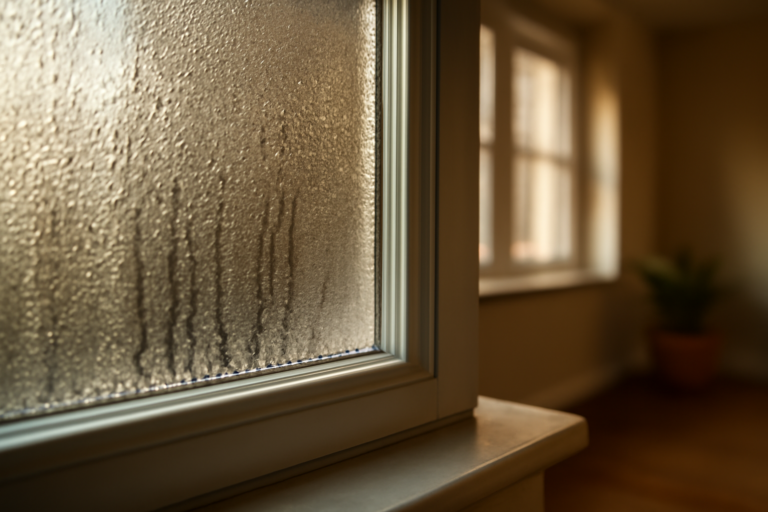
Condensation on Windows and Pipes
Excessive condensation indicates that the air in your property is holding too much moisture. This can lead to long-term material damage if not addressed.
Peeling Wallpaper or Sagging Ceilings
These are often the result of moisture compromising adhesives and structural components. Prompt drying is essential to prevent further deterioration.
Increased Allergy or Respiratory Issues
A sudden increase in allergies, headaches, or respiratory problems among occupants can be linked to high indoor humidity and airborne mold spores. This is a critical health warning sign.
Desiccant Dehumidification vs. DIY: When To Call a Professional
| Situation | DIY? | Call a Pro? | Why |
|---|---|---|---|
| Minor surface dampness after a small spill | Yes | No | A few towels and a fan are usually sufficient. |
| Persistent musty odors in a basement | No | Yes | Indicates deeper, hidden moisture requiring specialized equipment. |
| Water damage affecting drywall or insulation | No | Yes | These materials absorb moisture quickly and need professional drying to prevent mold. |
| Flooded rooms or significant water intrusion | No | Yes | Requires industrial-grade equipment and expertise to dry thoroughly and safely. |
| Dampness in low-temperature environments (e.g., crawl spaces) | No | Yes | Desiccant units are more effective than refrigerant units in cooler conditions. |
| Concern about mold growth or air quality | No | Yes | Professionals have the tools to detect, dry, and remediate mold safely. |
While small spills can often be managed with household tools, any significant water intrusion or persistent moisture issues demand professional Desiccant Dehumidification. Our team has the specialized equipment and expertise to ensure your property is dried correctly, preventing future problems and protecting your health.
Desiccant Dehumidification Cost In Pasadena, TX
The cost for Desiccant Dehumidification in Pasadena, TX can vary. Factors like the size of the affected area, the extent of water damage, and the specific materials involved all play a role. These estimates provide a general idea, but an on-site assessment is always needed for an exact quote. You’ll find our pricing to be fair and transparent.
| Service Aspect | Typical Price Range | What Affects Cost |
|---|---|---|
| Assessment and Moisture Mapping | $300 – $700 | Complexity of the affected area and required tools. |
| Desiccant Dehumidifier Rental (per unit, per day) | $75 – $150 | Unit size, capacity, and duration of rental. |
| Industrial Air Mover Rental (per unit, per day) | $25 – $50 | Number of units required to ensure proper airflow. |
| Ducting and Airflow Management Setup | $200 – $600 | Length and complexity of ducting needed to reach all areas. |
| Professional Monitoring and Testing (per visit) | $100 – $250 | Frequency of visits and advanced testing equipment used. |
| Complete Drying Project (Small Area) | $1,500 – $4,000 | Duration of drying, equipment needed, and labor involved. |
These figures represent typical costs for professional Desiccant Dehumidification services. We offer free estimates to provide you with a precise breakdown for your specific situation. Let us help you secure the best value for restoring your property.
Service Areas Near Pasadena, TX
Deer Park, La Porte, Channelview, Baytown, Galena Park, Jacinto City, South Houston, Webster, Clear Lake City, League City, Friendswood, Pearland, Alvin, Angleton, Lake Jackson, Texas City, La Marque, Hitchcock, Santa Fe, Kemah.
Common Questions About Desiccant Dehumidification
What’s the difference between a desiccant dehumidifier and a regular one?
Regular, or refrigerant, dehumidifiers work like air conditioners, cooling coils to condense moisture. Desiccant dehumidifiers use a desiccant material to absorb moisture from the air, often more effectively in cooler temperatures. Our team uses advanced desiccant technology for challenging drying jobs.
How long does the Desiccant Dehumidification process usually take?
The timeline varies greatly depending on the extent of the water damage and the building materials involved. It can range from a few days for minor issues to several weeks for severe saturation. We’ll provide a realistic drying schedule after our initial assessment.
Will my insurance cover Desiccant Dehumidification costs?
In many cases, yes, especially if the water intrusion is sudden and accidental. We work closely with insurance adjusters to ensure the process is properly documented and covered. We’ll help you navigate the insurance claim process.
Is it safe to be in the property while Desiccant Dehumidification is happening?
Generally, yes. Our equipment is designed to operate safely, but we do recommend limited occupancy in heavily affected areas. We focus on creating a healthy environment for you and your family as quickly as possible.
Can I prevent moisture problems in my home?
Regular maintenance, prompt repairs of leaks, and ensuring proper ventilation can help prevent many moisture issues. However, for significant water events, professional drying is the only way to ensure complete moisture removal and prevent long-term damage.
Check Our Other Relevant Services

Gary Gwin: Damage Restoration Expert
With over 20 years of hands-on experience, Gary Gwin is a trusted authority in property recovery and disaster mitigation. As a licensed specialist, Gary has dedicated his career to restoring safety and peace of mind for homeowners facing environmental crises.
𝗖𝗲𝗿𝘁𝗶𝗳𝗶𝗰𝗮𝘁𝗶𝗼𝗻𝘀: Gary holds multiple advanced IICRC certifications, including Water Damage Restoration (WRT), Applied Microbial Remediation (Mold), Applied Structural Drying (ASD), Odor Control, and Fire and Smoke Restoration. His deep technical knowledge ensures every project meets the highest industry standards for health and safety.
𝗕𝗲𝘀𝘁 𝗣𝗮𝗿𝘁 𝗼𝗳 𝘁𝗵𝗲 𝗝𝗼𝗯: Gary finds the most fulfillment in guiding families through the recovery process, transforming a chaotic property loss into a restored, habitable home.
𝗙𝗮𝘃𝗼𝗿𝗶𝘁𝗲 𝗣𝗮𝘀𝘁𝗶𝗺𝗲: When off the clock, Gary enjoys exploring local hiking trails and woodworking.