Trusted by 150+ Homeowners
Disaster Recovery Planning in Pasadena, TX
- Over 152 5-Star Reviews
- Free Estimates and Quotes
- 100% Satisfaction Guaranteed
- Child, Family & Pet Safe Steps
- 24-Hour Emergency Service
- Fully Licensed & Insured
Planning Ahead: Your Guide to Disaster Recovery in Pasadena, TX
Here in Pasadena, TX, we know a thing or two about unpredictable weather. From sudden, heavy downpours that can overwhelm our drainage systems to the potential for tropical storms, the risk of water damage to your home is a real concern. That’s why it’s so smart to think ahead and have a solid plan for disaster recovery before anything happens. It’s about protecting your biggest investment and keeping your family safe, not just reacting when trouble arrives. Being prepared means you’ll know exactly what steps to take to minimize damage and speed up recovery.
We’ve helped countless neighbors right here in the area navigate some tough situations, and we’ve earned over 165 five-star reviews for our dedication. Homeowners trust us because we’re not just here to fix things after the fact; we’re here to offer guidance and support to make the whole process smoother. When you need a team that understands the local challenges and has a proven track record, you can count on us to provide reliable recovery strategies and expert advice. We’re committed to helping you through any unexpected event.
- A well-thought-out disaster recovery plan can significantly reduce the stress and chaos that follow an incident, allowing for a quicker return to normalcy.
- Having a proactive strategy in place helps protect your personal belongings and important documents from permanent loss or damage.
- Our team’s focused approach ensures that critical steps are not missed, leading to more efficient and effective mitigation and restoration efforts.
How Disaster Recovery Planning Gets Done By Our Team
When it comes to disaster recovery planning, it’s not just about having a checklist. It’s about understanding the unique risks your property faces and developing a practical, step-by-step approach for when the unexpected occurs. Cutting corners here can lead to significant delays and more extensive damage, costing you more in the long run. Our process is designed to be thorough, clear, and effective, ensuring you’re as prepared as possible for whatever might come your way. We believe in empowering homeowners with knowledge and a solid plan.
Initial Risk Assessment and Documentation
We start by carefully assessing your property and identifying potential vulnerabilities specific to our local environment. This includes documenting existing conditions, important structural details, and the location of critical utilities. This initial phase is crucial for building a truly effective plan and typically takes a few hours, depending on the size of your home. We focus on identifying key risks and gathering necessary details.
Developing a Customized Action Plan
Based on our assessment, we’ll work with you to create a detailed, step-by-step action plan. This plan outlines immediate actions to take, contact information for essential services, and communication protocols. Developing this tailored strategy is vital for ensuring everyone knows their role and what needs to be done. This collaborative step usually takes another few hours, resulting in a clear recovery roadmap and practical guidance.
Securing Your Property Protocols
A major part of any recovery plan involves knowing how to secure your property quickly to prevent further damage. We’ll outline procedures for boarding up windows, tarping roofs, and shutting off utilities if necessary. Having these protocols in place before an event helps immensely in limiting exposure and preventing secondary issues. This planning phase is integrated into the overall strategy.
Communication and Coordination Strategy
Effective communication is key during any emergency. Your plan will include who to contact first, how to reach emergency services, and how to coordinate with insurance adjusters and our team. A well-defined communication strategy ensures that critical information is shared promptly, leading to a more organized response and efficient restoration. This is a core component of your preparedness.
Post-Disaster Response and Mitigation Outline
We help you understand the immediate aftermath, including initial damage assessment and crucial mitigation steps like water extraction and drying. This outline details what our crews will do upon arrival and what you can expect during the restoration process. It’s designed to give you a clear picture of the mitigation process and restoration timeline, helping to ease anxieties.
Don’t wait until it’s too late to think about disaster recovery. Taking proactive steps now can make a world of difference when you need it most. Let us help you create a solid preparedness strategy and gain valuable peace of mind.
Spotting the Signs: When Disaster Recovery Planning Becomes Urgent
Sometimes, the signs that you need a robust disaster recovery plan aren’t as obvious as a hurricane on the radar. Small issues can escalate quickly if not addressed with a plan. Catching these early warning signs can save you a lot of headaches and expense down the line. Ignoring them can lead to much bigger problems that are harder and more costly to fix.
Persistent Dampness or Humidity
If you’re noticing areas that seem unusually damp or your home consistently feels humid, it could indicate a slow leak or poor ventilation that can lead to mold and structural damage. This isn’t just uncomfortable; it’s a sign of potential trouble and requires attention.
Visible Mold or Mildew Growth
Seeing any mold or mildew, especially in bathrooms, kitchens, or basements, is a clear indicator of excess moisture. It’s a sign that water intrusion or high humidity has been an ongoing issue. Prompt action is needed to prevent spread and address the source.
Musty Odors That Won’t Go Away
A persistent musty or earthy smell, particularly after rain or in enclosed spaces, often points to hidden mold or water damage. These odors are your nose telling you there’s a problem lurking. Don’t ignore this warning signal; investigate further.
Peeling or Bubbling Paint/Wallpaper
If you see paint or wallpaper starting to peel, bubble, or warp, especially near windows, doors, or in lower areas of walls, it’s often a sign of moisture getting behind the surface. This indicates water damage is likely occurring.
Stains on Ceilings or Walls
Discolored spots on your ceiling or walls, often appearing as yellow or brown rings, are classic signs of a leak from above. Whether it’s a roof issue or plumbing problem, these stains mean water has compromised the materials.
Foundation Cracks or Water Seepage
Any new cracks appearing in your foundation, or evidence of water seeping into your basement or crawl space, signals potential structural issues and water intrusion. This is a serious sign that requires immediate attention to ensure structural integrity.
Disaster Recovery Planning vs. DIY: When To Call a Professional
| Situation | DIY? | Call a Pro? | Why |
|---|---|---|---|
| Developing a basic emergency contact list | Yes | Anyone can create a list of important numbers. | |
| Identifying potential water sources (e.g., leaky pipes, roof issues) | Yes | Homeowners can often spot obvious issues themselves. | |
| Creating a simple home inventory of valuables | Yes | Documenting belongings is a straightforward task. | |
| Implementing immediate temporary measures for minor leaks (e.g., placing a bucket) | Yes | Small, manageable leaks can often be handled temporarily. | |
| Assessing structural damage after a major event | Yes | Professionals have the tools and expertise for accurate assessment. | |
| Developing a comprehensive, multi-hazard recovery plan for your home | Yes | A pro ensures all risks are covered and the plan is actionable. | |
| Implementing advanced water mitigation and drying procedures | Yes | Specialized equipment and knowledge are required for effective drying. | |
| Dealing with significant mold growth or contamination | Yes | Safe removal requires specific training and protective gear. |
While some initial steps can be handled yourself, developing a truly effective disaster recovery plan, especially one that accounts for significant risks, requires expert insight. Our team can help you move beyond basic checklists to create a robust strategy that truly protects your property and family. We offer practical planning assistance and expert risk assessment.
Disaster Recovery Planning Cost in Pasadena, TX
The cost of disaster recovery planning in Pasadena, TX, can vary widely depending on the complexity of your property, the specific risks you face, and the level of detail you need in your plan. These figures are estimates and a personalized assessment is always recommended. We aim to provide transparent pricing and accurate estimates for your planning needs.
| Service Aspect | Typical Price Range | What Affects Cost |
|---|---|---|
| Initial Property Risk Assessment | $300 – $800 | Size and complexity of the property. |
| Customized Action Plan Development | $500 – $1,500 | Level of detail and specific hazards identified. |
| Documentation and Inventory Assistance | $200 – $600 | Amount of personal property to be documented. |
| Securing Property Protocols Consultation | $150 – $400 | Number of critical access points and utility types. |
| Communication Strategy Planning | $100 – $300 | Complexity of household or business communication needs. |
| Post-Disaster Mitigation Outline Creation | $250 – $700 | Types of potential damage and required response steps. |
Exact pricing is determined after an on-site assessment of your specific needs and property. We’re happy to provide a free, no-obligation estimate to help you understand the investment in your preparedness.
Service Areas Near Pasadena, TX
La Porte, Deer Park, Channelview, Galena Park, Jacinto City, Cloverleaf, Baytown, Pearland, Webster, League City, Houston, South Houston, Bellaire, Stafford, Sugar Land, Missouri City, Alvin, Friendswood, Galvesto, Texas City.
Common Questions About Disaster Recovery Planning
What’s the first step in creating a disaster recovery plan for my home?
The very first step is to conduct a thorough risk assessment specific to your home and its location. This involves identifying potential threats like flooding, high winds, or other local hazards. Our team helps you pinpoint vulnerabilities and understand the most likely scenarios you’ll face, ensuring your plan is relevant and effective.
How long does it typically take to create a disaster recovery plan?
The timeline can vary, but a comprehensive plan usually takes anywhere from a few hours for initial assessment and basic planning to several days for very complex properties or businesses. We aim to work efficiently to provide you with a clear recovery guide and actionable steps without unnecessary delay.
Will insurance cover the cost of creating a disaster recovery plan?
Generally, insurance policies cover the costs associated with damage mitigation and restoration after a disaster, not the proactive planning phase itself. However, investing in a plan can potentially lead to lower claim costs in the long run by minimizing damage. We can help you understand how your preparedness efforts might impact future claims and provide documentation support.
What kind of equipment does your team use for disaster recovery planning?
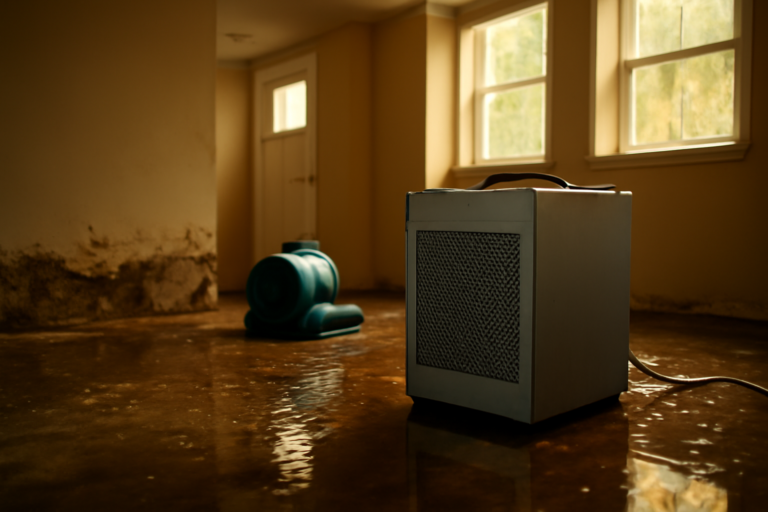
For the planning phase itself, our primary tools are assessment checklists, moisture meters for identifying hidden dampness, and digital documentation equipment. When it comes to actual recovery after an event, we utilize advanced water extraction units, industrial-grade air movers, and dehumidifiers. Our planning ensures we’re ready with the right mitigation tools when needed.
How can I make sure my disaster recovery plan is up-to-date?
It’s important to review and update your plan at least annually, or whenever significant changes occur in your home, like renovations or new installations. We recommend revisiting your plan after any major weather events, even if they didn’t directly impact you. Staying current ensures your plan reflects your property’s current state and remains a reliable preparedness tool.
Check Our Other Relevant Services

Gary Gwin: Damage Restoration Expert
With over 20 years of hands-on experience, Gary Gwin is a trusted authority in property recovery and disaster mitigation. As a licensed specialist, Gary has dedicated his career to restoring safety and peace of mind for homeowners facing environmental crises.
𝗖𝗲𝗿𝘁𝗶𝗳𝗶𝗰𝗮𝘁𝗶𝗼𝗻𝘀: Gary holds multiple advanced IICRC certifications, including Water Damage Restoration (WRT), Applied Microbial Remediation (Mold), Applied Structural Drying (ASD), Odor Control, and Fire and Smoke Restoration. His deep technical knowledge ensures every project meets the highest industry standards for health and safety.
𝗕𝗲𝘀𝘁 𝗣𝗮𝗿𝘁 𝗼𝗳 𝘁𝗵𝗲 𝗝𝗼𝗯: Gary finds the most fulfillment in guiding families through the recovery process, transforming a chaotic property loss into a restored, habitable home.
𝗙𝗮𝘃𝗼𝗿𝗶𝘁𝗲 𝗣𝗮𝘀𝘁𝗶𝗺𝗲: When off the clock, Gary enjoys exploring local hiking trails and woodworking.