Trusted by 150+ Homeowners
Mold Inspection & Testing in Pecan Grove, TX
- Over 152 5-Star Reviews
- Free Estimates and Quotes
- 100% Satisfaction Guaranteed
- Child, Family & Pet Safe Steps
- 24-Hour Emergency Service
- Fully Licensed & Insured
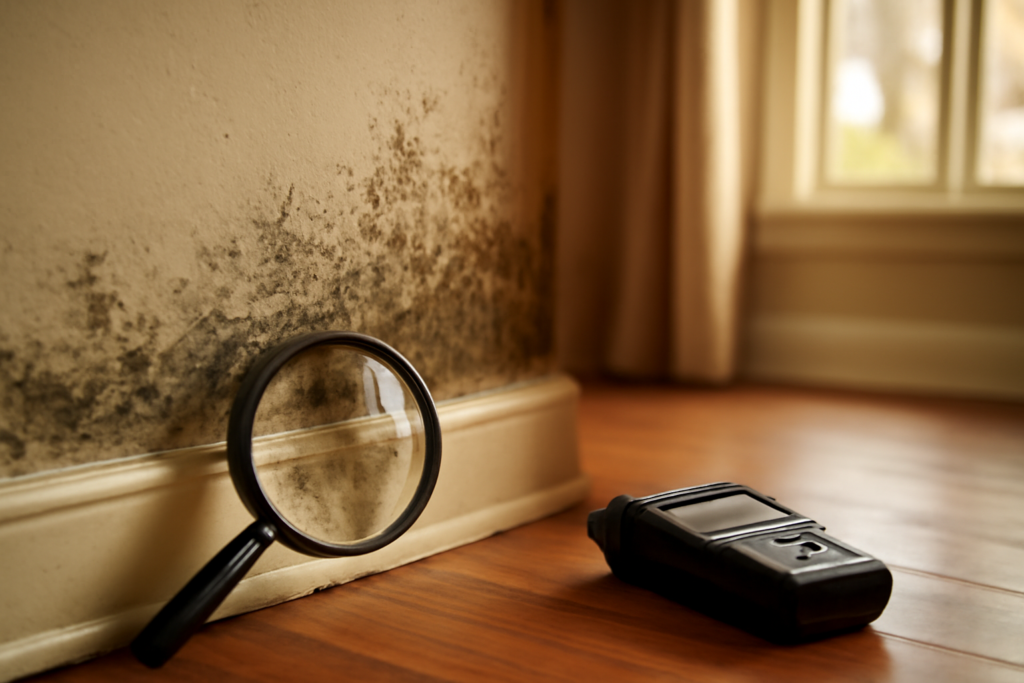
Spotting Trouble: Mold Inspection & Testing in Pecan Grove, TX
Here in Pecan Grove, TX, we know a thing or two about humidity. Those long, steamy summers and occasional heavy rains can create the perfect breeding ground for mold. You might notice a persistent musty smell after a downpour, or perhaps see some discoloration on your walls. It’s easy to shrug it off, but ignoring these subtle signs could lead to bigger issues down the road. We help homeowners identify hidden mold growth before it becomes a serious concern, protecting your family’s health and your property’s value. It’s about proactive home care, especially when the weather turns.
With over 165 five-star reviews from folks right here in the area, our team is the trusted choice for mold inspection and testing. We understand the unique challenges our local climate presents. Homeowners count on us because we bring a neighborly approach and a commitment to thoroughness. We don’t just look for the obvious; we dig deeper to find the root cause of any potential mold problems you might be facing.
- We pinpoint the exact type and extent of mold contamination, so you know exactly what you’re dealing with.
- Our detailed reports give you a clear understanding of the situation, helping you make informed decisions about remediation.
- We identify the moisture source causing the mold, which is key to preventing it from coming back after cleanup.
How Our Mold Inspection & Testing Process Works
When you suspect mold, the worst thing you can do is guess. A proper inspection involves more than just a quick glance. Our team follows a methodical process, using specialized tools and techniques to uncover hidden mold and assess its impact. Cutting corners here can mean missing critical contamination or misdiagnosing the problem, leading to wasted time and money. We believe in transparent communication and a detail-oriented approach, ensuring you get an accurate picture of your home’s condition.
Initial Consultation and Information Gathering
We start by listening to your concerns. You’ll tell us what you’ve seen or smelled, and we’ll ask about any past water damage or leaks. This initial chat helps our technicians focus their investigation. We’ll gather information about your home’s construction and history to better understand potential problem areas.
Visual Inspection of Your Property
Our trained inspectors will conduct a thorough visual examination of your home, both inside and out. We’re looking for visible mold growth, water stains, and signs of moisture intrusion. This step helps us identify potential problem zones that require further testing. We’ll pay close attention to areas known for moisture, like bathrooms, kitchens, and basements.
Moisture Meter and Thermal Imaging
To find hidden moisture, we use specialized equipment. A moisture meter tells us the water content in building materials, while a thermal imaging camera can detect temperature differences caused by moisture behind walls or under floors. These tools are crucial for locating concealed water damage that might be fueling mold growth. They help us paint a clearer picture of what’s going on beneath the surface.
Air and Surface Sampling
When necessary, we’ll collect air samples to measure the concentration of mold spores in the air and compare it to outdoor levels. We may also take surface samples from suspicious areas. These samples are sent to an independent, accredited laboratory for analysis. This scientific approach provides definitive evidence of mold presence and type. It’s a key part of our accurate mold assessment.
Detailed Reporting and Recommendations
After testing, you’ll receive a comprehensive report. It will detail our findings, including any identified mold types, their locations, and the severity of contamination. We’ll also outline the likely source of moisture. This report is essential for planning remediation and helps you understand the next steps. We offer clear, actionable recommendations based on the lab results.
Don’t let potential mold issues linger. Schedule your inspection today and get the clarity you need. We’re here to help you protect your home environment.

Warning Signs You Need Mold Inspection & Testing
Catching mold early can save you a lot of headaches and expense. Your home will often give you subtle clues that something isn’t right. Being aware of these warning signs allows you to address problems before they escalate. It’s about vigilant home monitoring and prompt action when needed.
Musty Odors That Won’t Go Away
If you consistently smell a damp, earthy, or musty odor, especially in certain rooms or after rain, it’s a strong indicator of mold. The smell can be subtle at first but often gets stronger over time. This smell is often the first noticeable clue of hidden mold.
Visible Mold Growth
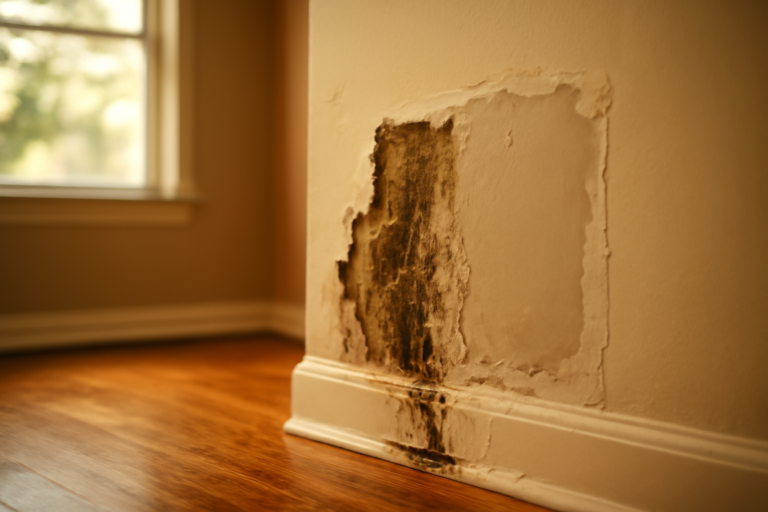
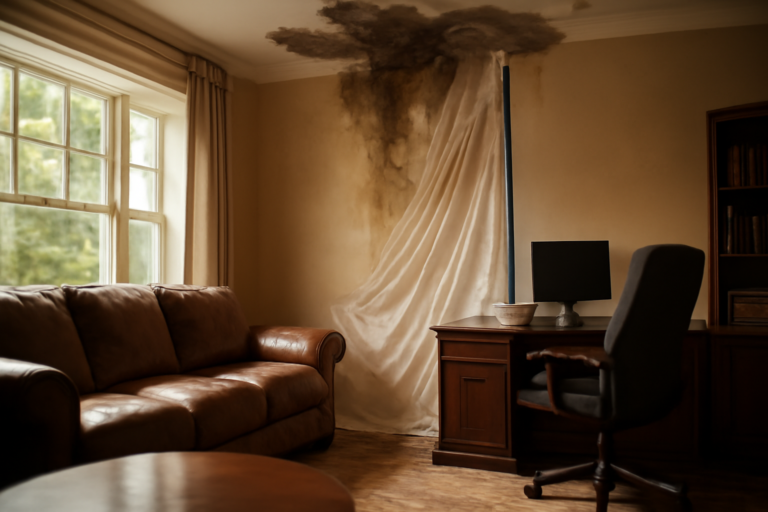
This is the most obvious sign. You might see fuzzy or slimy patches of black, green, white, or orange on walls, ceilings, or other surfaces. Even a small amount of visible mold warrants an inspection to determine its source and extent. Seeing it is a direct signal for investigation.
Past or Current Water Damage
Any area that has experienced flooding, leaks, or prolonged dampness is a prime suspect for mold. This includes basements, bathrooms with leaky pipes, or roofs that have had issues. Past water damage can harbor mold even if it appears dry now. It’s a high-risk indicator for mold.
Peeling, Bubbling, or Discolored Paint/Wallpaper
Moisture trapped behind finishes can cause them to deteriorate. If you see paint peeling, wallpaper bubbling, or stains appearing on your walls or ceilings, it could be due to water intrusion and subsequent mold growth. These are visual cues of underlying problems.
Excessive Humidity or Condensation
High humidity levels or persistent condensation on windows, pipes, or walls create ideal conditions for mold. If you find yourself constantly wiping down damp surfaces, mold may not be far behind. This points to a moisture control issue that needs attention.
Worsening Allergy or Asthma Symptoms
For some individuals, mold exposure can trigger or worsen respiratory issues, allergies, or asthma symptoms. If you or your family members experience unexplained breathing difficulties, headaches, or skin irritation that seems to improve when you leave the house, mold could be the culprit. It’s a health-related warning sign.
Mold Inspection & Testing vs. DIY: When To Call a Professional
| Situation | DIY? | Call a Pro? | Why |
|---|---|---|---|
| Suspecting a musty odor in a bathroom | Maybe | Yes | A pro can use specialized tools to find hidden moisture and mold behind tiles or drywall. |
| Noticing a small, visible patch of mold on a shower curtain | Yes | No | This is usually surface mold that can be cleaned with household products. |
| Seeing mold growth after a major flood or leak | No | Yes | Large-scale water damage requires professional assessment to ensure all affected areas are found and remediated properly. |
| Finding discoloration or peeling paint on an interior wall | Maybe | Yes | This could indicate hidden water intrusion and mold growth within the wall cavity. |
| Wanting to confirm if mold is present after a roof leak | No | Yes | A pro can perform air and surface sampling for accurate identification and quantification. |
| Cleaning up minor condensation on a window | Yes | No | Regularly wiping down condensation helps prevent mold from forming on surfaces. |
While minor surface mold can often be handled by a homeowner, anything beyond that warrants professional attention. When you’re dealing with potential hidden contamination or significant water damage, it’s always best to call in the experts. Our team has the tools and training to provide an accurate diagnosis.
Mold Inspection & Testing Cost in Pecan Grove, TX
The cost for mold inspection and testing in Pecan Grove, TX can vary significantly. Factors like the size of your home, the extent of suspected contamination, and the complexity of the inspection all play a role. These estimates provide a general idea, but an on-site assessment is necessary for a precise quote. We aim for transparent pricing and fair assessments.
| Service | Typical Price Range | What Affects Cost |
|---|---|---|
| Initial Home Mold Inspection | $300 – $700 | Size of the home and accessibility of areas to be inspected. |
| Air Quality Sampling (per sample) | $150 – $300 | Number of samples needed to accurately assess the air in different zones. |
| Surface Mold Sampling (per sample) | $100 – $250 | Number of suspect areas requiring physical sample collection. |
| Moisture Meter & Thermal Imaging Scan | Included in Inspection | These tools are standard for a thorough inspection, not usually an extra charge. |
| Detailed Lab Analysis Fee | $100 – $250 per sample | The cost charged by the independent laboratory for sample processing and reporting. |
| Post-Remediation Verification Testing | $400 – $1,000 | Number of samples needed to confirm the area is clear after cleanup. |
Remember, these are just estimates for the inspection and testing phase. A thorough inspection is an investment in your home’s health. We offer free initial consultations to discuss your situation.
Service Areas Near Pecan Grove, TX
Stafford, Sugar Land, Missouri City, Richmond, Rosenberg, Katy, Cypress, Houston, Pearland, League City, Friendswood, Webster, La Porte, Baytown, Pasadena, Deer Park, Channelview, Galena Park, South Houston, Bellaire
Common Questions About Mold Inspection & Testing
How much does mold inspection and testing cost?
The cost for mold inspection and testing can range from a few hundred to over a thousand dollars, depending on the complexity. Factors like the size of your home, the number of samples needed, and the type of testing required will influence the final price. We provide clear estimates after an initial assessment. Our goal is to offer accurate pricing for a thorough evaluation.
How long does a mold inspection take?
A typical mold inspection and testing process can take anywhere from 2 to 6 hours, sometimes longer for larger properties or complex situations. This timeframe includes the visual inspection, taking environmental measurements, and collecting any necessary samples. We work efficiently to provide you with a detailed assessment without unnecessary delays. You can expect a focused and thorough examination.
Is mold dangerous to my health?
Yes, mold exposure can pose health risks, especially for individuals with allergies, asthma, or compromised immune systems. Symptoms can include respiratory issues, skin irritation, headaches, and fatigue. Identifying the type and concentration of mold through professional testing is crucial for understanding potential health impacts. We help you assess potential risks and recommend appropriate next steps.
What equipment do you use for mold testing?
Our technicians use specialized equipment such as moisture meters to detect hidden water content in building materials, thermal imaging cameras to visualize temperature differences caused by moisture, and air sampling pumps with collection media to capture airborne mold spores. We also use surface sampling kits for direct mold identification. This advanced equipment allows for a precise mold diagnosis. It ensures a scientifically backed inspection.
Can I just clean visible mold myself?
For very small, surface mold spots (like on a shower curtain), DIY cleaning might be sufficient. However, if you see mold growth on drywall, ceilings, or in areas affected by water damage, it’s best to call a professional. Hidden mold behind surfaces or a larger infestation requires specialized knowledge and equipment to remove safely and effectively. We can help you determine the scope of the problem and provide expert remediation guidance.
Check Our Other Relevant Services

Gary Gwin: Damage Restoration Expert
With over 20 years of hands-on experience, Gary Gwin is a trusted authority in property recovery and disaster mitigation. As a licensed specialist, Gary has dedicated his career to restoring safety and peace of mind for homeowners facing environmental crises.
𝗖𝗲𝗿𝘁𝗶𝗳𝗶𝗰𝗮𝘁𝗶𝗼𝗻𝘀: Gary holds multiple advanced IICRC certifications, including Water Damage Restoration (WRT), Applied Microbial Remediation (Mold), Applied Structural Drying (ASD), Odor Control, and Fire and Smoke Restoration. His deep technical knowledge ensures every project meets the highest industry standards for health and safety.
𝗕𝗲𝘀𝘁 𝗣𝗮𝗿𝘁 𝗼𝗳 𝘁𝗵𝗲 𝗝𝗼𝗯: Gary finds the most fulfillment in guiding families through the recovery process, transforming a chaotic property loss into a restored, habitable home.
𝗙𝗮𝘃𝗼𝗿𝗶𝘁𝗲 𝗣𝗮𝘀𝘁𝗶𝗺𝗲: When off the clock, Gary enjoys exploring local hiking trails and woodworking.