Trusted by 150+ Homeowners
Mold Structural Damage Restoration in Galveston, TX
- Over 152 5-Star Reviews
- Free Estimates and Quotes
- 100% Satisfaction Guaranteed
- Child, Family & Pet Safe Steps
- 24-Hour Emergency Service
- Fully Licensed & Insured
When Mold Invades Your Walls: Structural Damage Restoration in Galveston, TX
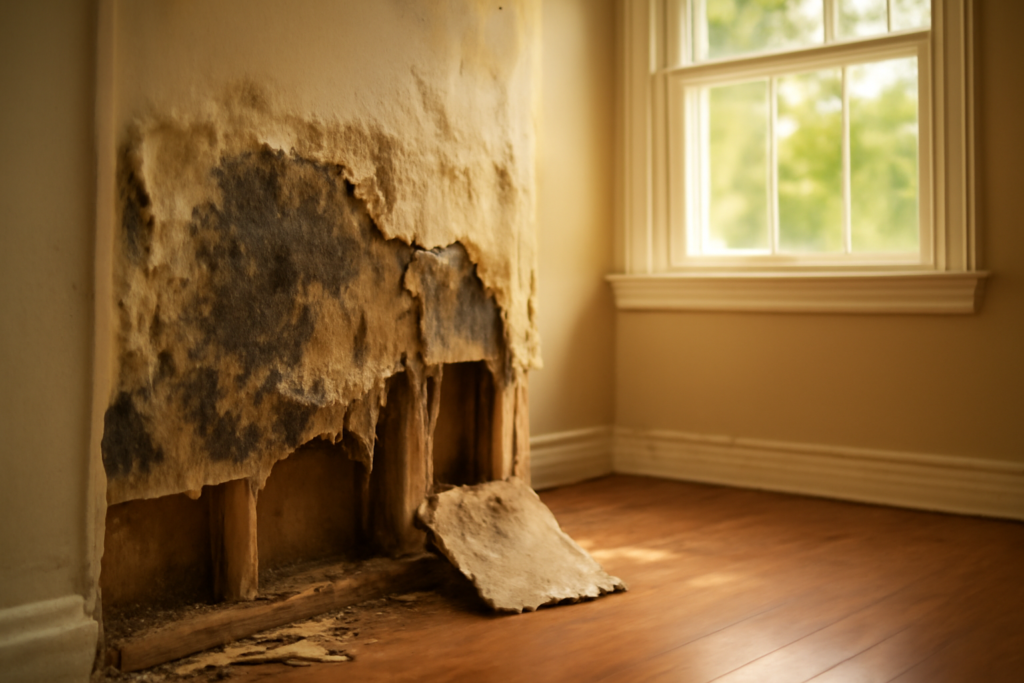
You smell it first – that damp, earthy odor that just won’t disappear. Then you see it: a fuzzy patch of black or green creeping across your drywall, maybe even behind your baseboards. It’s not just a surface stain; it’s a sign that mold has taken root deep within your home’s structure. This can happen after a flood, a persistent leak, or even high humidity common around Galveston, TX. Addressing this now is critical for your home’s integrity and your family’s health. Ignoring structural mold invites bigger, more expensive problems down the line.
Homeowners right here have trusted our crews for over 165 five-star reviews, especially when they face unseen damage. We understand the unique challenges of coastal properties and how quickly mold can spread. When you need expert mold remediation, our team is ready to restore your home safely and effectively. We focus on permanent mold removal, not just cosmetic fixes.
- We use specialized equipment to pinpoint the exact source of moisture feeding the mold, ensuring we stop it at the root.
- Our containment protocols prevent airborne mold spores from spreading to unaffected areas of your home during the restoration process.
- We go beyond surface cleaning to address and repair the underlying structural issues that allowed mold to grow in the first place.
How Our Mold Structural Damage Restoration Process Works
Dealing with mold that has compromised your home’s structure requires a methodical, science-based approach. It’s not simply about wiping away visible mold; it’s about understanding how it grows and what it needs to thrive. Our process is designed to safely remove all mold, dry out affected materials, and prevent its return. Cutting corners on structural mold removal means the problem will likely come back, causing further damage and health risks. We employ advanced drying techniques and meticulous containment to protect your property.
Inspection and Moisture Assessment
Our certified technicians begin with a thorough inspection. We use specialized tools like moisture meters and infrared cameras to identify exactly where the mold is and how far it has spread within your walls, floors, and ceilings. This precise moisture mapping is crucial for effective treatment. We’ll document all findings before any work begins.
Containment of Affected Areas
To prevent the spread of mold spores during remediation, we establish containment barriers. This might involve sealing off doorways and vents with plastic sheeting and negative air pressure machines. This ensures that mold particles stay localized and don’t contaminate other parts of your home. Protecting your living space is our top priority during this phase.
Mold Removal and Structural Cleaning
Once containment is set, our crews carefully remove contaminated materials. This can include drywall, insulation, or even compromised wood framing. We use specialized cleaning agents and HEPA-filtered vacuums to ensure all mold is safely eliminated from surfaces. This step is about complete mold eradication, not just surface wiping.
Drying and Dehumidification
After mold removal, we focus on thoroughly drying the affected structural components. We utilize industrial-grade air movers and dehumidifiers to bring moisture levels back to normal. This accelerated drying process is essential to prevent secondary mold growth and further structural damage. Restoring proper humidity levels is key to long-term success.
Reconstruction and Repair
Once the structure is dry and mold-free, we begin the reconstruction phase. This involves replacing removed materials, repairing structural damage, and restoring your home to its pre-mold condition. Our goal is to not only fix the mold problem but to reinforce your home’s structure against future issues.
Don’t let mold compromise your home’s integrity any longer. Call us today for immediate assessment and remediation. We’re ready to get started now to protect your property.
Warning Signs You Need Mold Structural Damage Restoration
Catching mold damage early is the best way to minimize its impact on your home and your wallet. Many homeowners overlook subtle signs, allowing mold to grow unchecked within their walls and foundations. Recognizing these indicators can save you significant repair costs and prevent serious health concerns. Early detection is vital when it comes to structural mold.
Persistent Musty Odors
If you notice a persistent damp, musty, or earthy smell that doesn’t go away, even after airing out your home, it’s a strong indicator of hidden mold. These odors often originate from behind walls or under floors where mold is actively growing. Investigate unusual smells immediately.
Visible Mold Growth
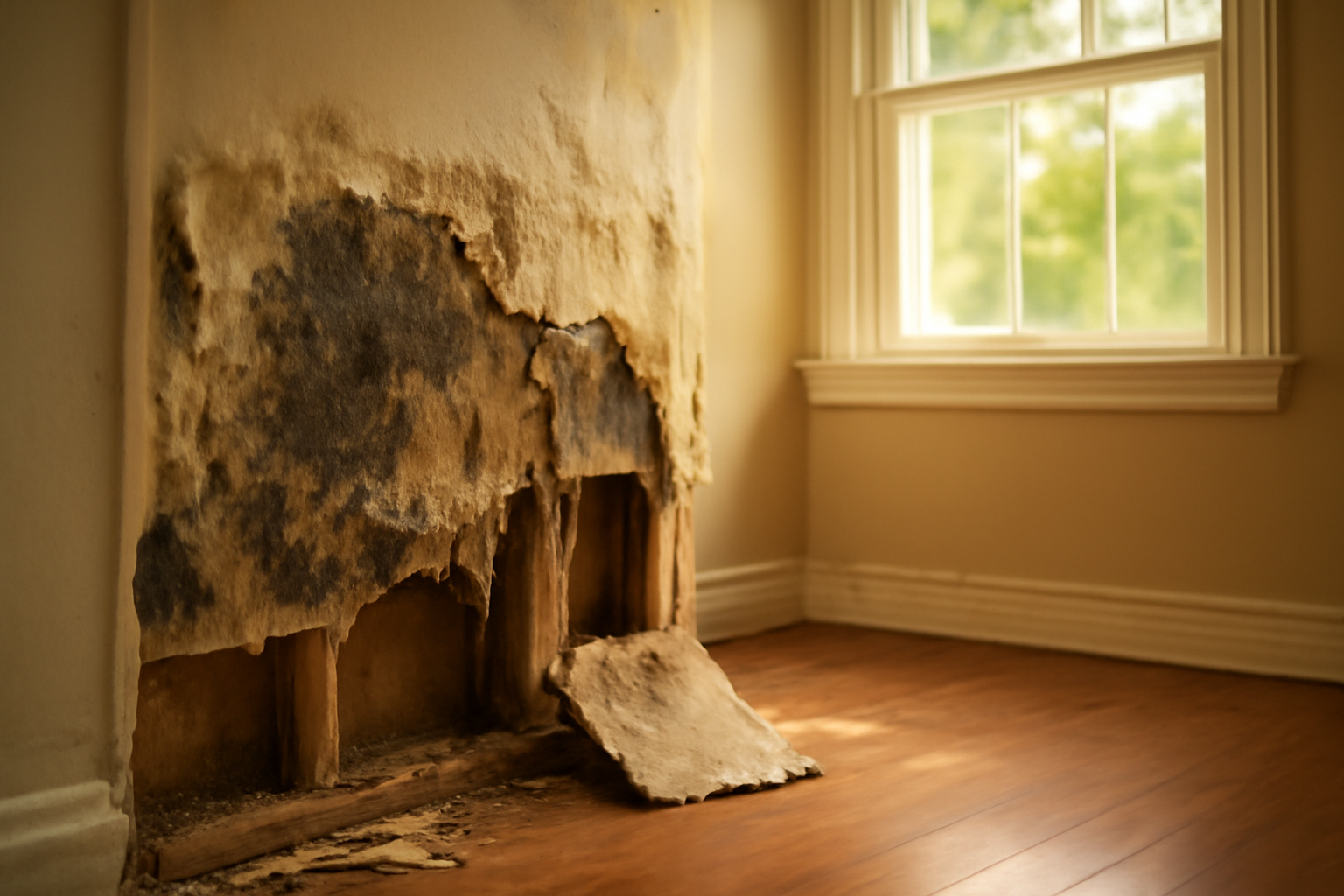
Any visible mold growth on surfaces like walls, ceilings, or floors is a clear sign of a problem. This can appear as fuzzy patches of black, green, white, or orange. Don’t just scrub it off; this is often a symptom of a larger, moisture-related issue within the structure. Visible mold demands attention.
Water Stains or Discoloration
Water stains on walls or ceilings, especially those that appear discolored or have a warped texture, can signal past or present water intrusion. Mold thrives in damp environments, and these stains are often where mold begins to grow within the building materials. Water damage is mold’s best friend.
Peeling or Bubbling Paint/Wallpaper
When paint begins to peel or bubble, or wallpaper starts to lift away from the wall, it can be due to moisture trapped behind it. This moisture creates an ideal breeding ground for mold, which then damages the adhesion of the finishes. Damaged finishes signal moisture issues.
Warped Walls or Floors
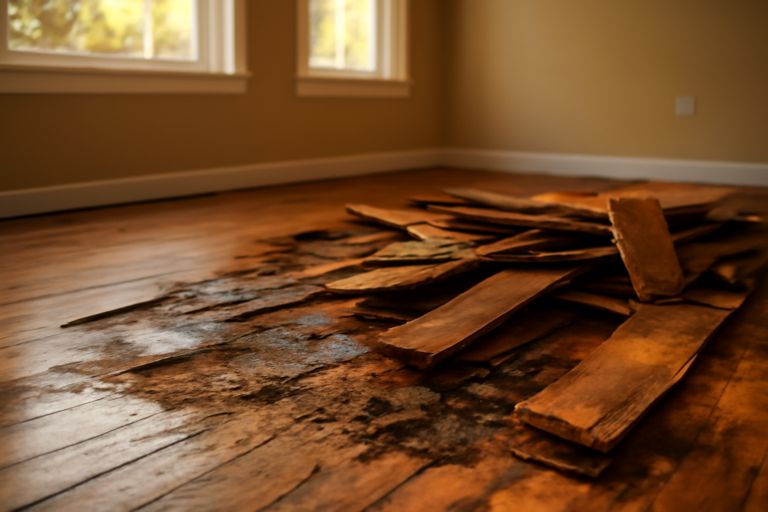
If you notice that your walls or floors are beginning to warp, sag, or feel soft or spongy, it’s a serious sign that moisture has saturated and compromised the structural materials. This indicates significant water intrusion and likely extensive mold growth within the building’s framework. Structural warping is a red flag.
Increased Allergy Symptoms
A sudden increase in allergy-like symptoms among household members, such as sneezing, coughing, itchy eyes, or respiratory irritation, can be linked to airborne mold spores. If these symptoms improve when you leave the house, mold could be the culprit. Health symptoms matter.
Mold Structural Damage Restoration vs. DIY: When To Call a Professional
| Situation | DIY? | Call a Pro? | Why |
|---|---|---|---|
| Small, surface-level mold spot on a non-porous surface (like tile). | Yes, with proper precautions. | No, usually. | Minor surface mold can often be cleaned safely by homeowners. |
| Mold covering a large area (more than 10 square feet). | No. | Yes. | Large infestations indicate significant moisture issues and require specialized containment. |
| Mold growth inside walls, attics, or crawl spaces. | No. | Yes. | These areas are difficult to access and require professional assessment to find the source and extent of damage. |
| Mold growth on porous materials like drywall or insulation. | No. | Yes. | Porous materials often need to be removed and replaced by professionals. |
| Mold present after a sewage backup or contaminated water event. | Absolutely not. | Yes. | This type of mold is hazardous and requires specialized biohazard remediation. |
| You or family members have severe allergies or respiratory conditions. | No. | Yes. | Exposure to mold can be dangerous for sensitive individuals; professionals ensure safe removal. |
For mold that has penetrated your home’s structure, like inside walls or under floors, professional intervention is almost always necessary. DIY efforts can spread spores or fail to address the underlying moisture problem, leading to recurring issues. Professional remediation ensures the mold is gone for good and your home is safe.
Mold Structural Damage Restoration Cost In Galveston, TX
The cost of mold structural damage restoration in Galveston, TX, can vary widely depending on the extent of the mold, the affected materials, and the complexity of the repair. These price ranges are estimates and a thorough on-site assessment is needed for an accurate quote. Understanding costs upfront helps you plan.
| Service Aspect | Typical Price Range | What Affects Cost |
|---|---|---|
| Initial Inspection & Moisture Assessment | $300 – $800 | Size of property, complexity of assessment tools needed. |
| Containment Setup | $500 – $1,500 | Size of area being contained, number of access points. |
| Mold Removal from Structural Components | $1,000 – $5,000+ | Amount of material to remove, type of material (e.g., wood framing vs. drywall). |
| Drying & Dehumidification Services | $700 – $3,000 | Size of affected area, required drying time, equipment usage. |
| Structural Repair & Reconstruction | $1,500 – $10,000+ | Extent of damage, materials needed for repair (e.g., new framing, insulation, drywall). |
| Final Mold Clearance Testing | $300 – $700 | Number of samples taken, laboratory fees. |
The final cost depends entirely on the specific situation found within your property. We offer free, no-obligation estimates after a detailed inspection to provide you with a clear understanding of the investment required.
Service Areas Near Galveston, TX
Texas City, La Marque, Hitchcock, Alta Loma, Santa Fe, Friendswood, League City, Dickinson, Kemah, Bacliff, San Leon, Alvin, Manvel, Pearland, Lake Jackson, Freeport, Angleton, Brazoria, Surfside Beach, Palacios
Common Questions About Mold Structural Damage Restoration
How long does mold structural damage restoration typically take?
The timeline for mold structural damage restoration can vary significantly. Minor cases might take a few days, while extensive structural damage could take several weeks. Factors like the size of the infestation, the type of materials affected, and drying times all influence the duration. Our team works efficiently to restore your home quickly without compromising quality.
Is mold structural damage covered by homeowner’s insurance?
Often, homeowner’s insurance policies will cover mold damage if it resulted from a covered peril, like a sudden pipe burst or storm damage. However, coverage for mold caused by long-term neglect or poor maintenance is typically excluded. We recommend reviewing your policy and contacting your insurance provider to understand your specific coverage. We can help document the damage for your claim.
What are the health risks associated with structural mold?
Structural mold can pose serious health risks, especially for individuals with allergies, asthma, or compromised immune systems. Exposure can lead to respiratory issues, skin irritation, headaches, and other allergic reactions. The longer mold is present, the higher the risk of exposure to mycotoxins. Protecting your health is our primary concern, which is why we use strict containment protocols.
What specific equipment do you use for mold remediation?
Our team utilizes a range of specialized equipment for effective mold remediation. This includes HEPA-filtered vacuums and air scrubbers to capture airborne spores, industrial-grade dehumidifiers and air movers for rapid drying, and moisture meters and thermal imaging cameras for precise assessment. We also use containment barriers and negative air machines to prevent cross-contamination.
Can I prevent mold from returning after restoration?
Prevention is key to avoiding future mold issues. The most important step is controlling moisture. This means promptly fixing any leaks, ensuring proper ventilation in bathrooms and kitchens, and maintaining appropriate humidity levels in your home. We can provide advice on moisture control strategies specific to your property to help prevent mold’s return.
Check Our Other Relevant Services

Gary Gwin: Damage Restoration Expert
With over 20 years of hands-on experience, Gary Gwin is a trusted authority in property recovery and disaster mitigation. As a licensed specialist, Gary has dedicated his career to restoring safety and peace of mind for homeowners facing environmental crises.
𝗖𝗲𝗿𝘁𝗶𝗳𝗶𝗰𝗮𝘁𝗶𝗼𝗻𝘀: Gary holds multiple advanced IICRC certifications, including Water Damage Restoration (WRT), Applied Microbial Remediation (Mold), Applied Structural Drying (ASD), Odor Control, and Fire and Smoke Restoration. His deep technical knowledge ensures every project meets the highest industry standards for health and safety.
𝗕𝗲𝘀𝘁 𝗣𝗮𝗿𝘁 𝗼𝗳 𝘁𝗵𝗲 𝗝𝗼𝗯: Gary finds the most fulfillment in guiding families through the recovery process, transforming a chaotic property loss into a restored, habitable home.
𝗙𝗮𝘃𝗼𝗿𝗶𝘁𝗲 𝗣𝗮𝘀𝘁𝗶𝗺𝗲: When off the clock, Gary enjoys exploring local hiking trails and woodworking.