Trusted by 150+ Homeowners
Water-Damaged Flooring Removal in Pasadena, TX
- Over 152 5-Star Reviews
- Free Estimates and Quotes
- 100% Satisfaction Guaranteed
- Child, Family & Pet Safe Steps
- 24-Hour Emergency Service
- Fully Licensed & Insured
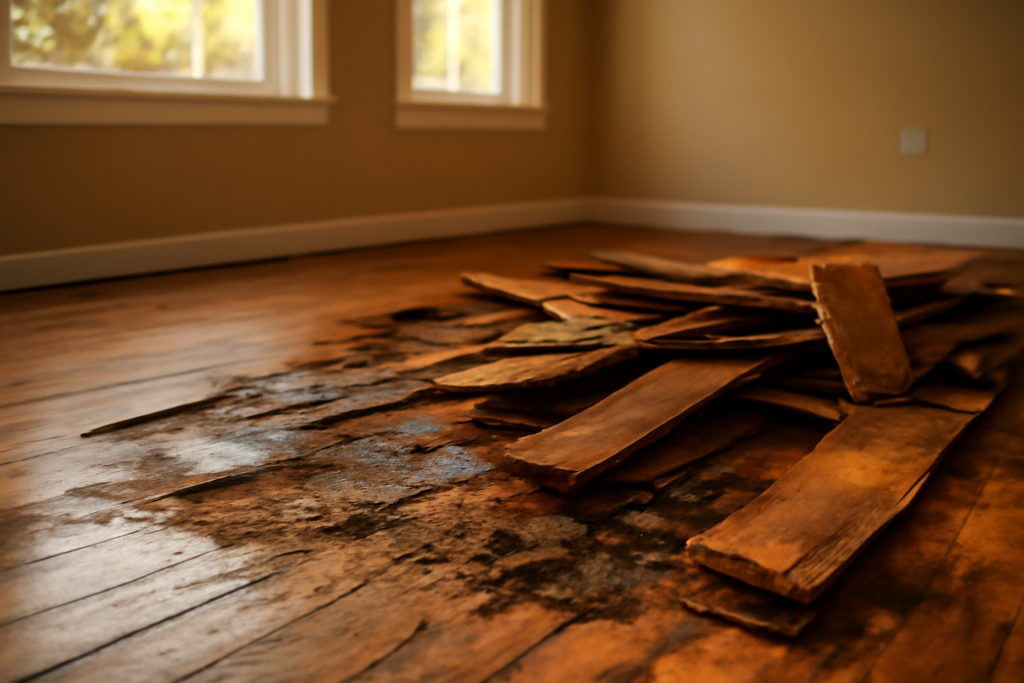
Don’t Let Wet Floors Ruin Your Home: Expert Water-Damaged Flooring Removal in Pasadena, TX
If you’ve discovered standing water or dampness seeping into your floors, it’s crucial to act fast. Ignoring soggy carpets or warped wood can lead to serious structural issues and costly mold growth. Many homeowners think they can just dry things out, but the reality is that many types of flooring absorb moisture deep within their layers, requiring immediate professional attention. We understand how stressful a water emergency can be, and we’re here to help you navigate the next steps for your Pasadena, TX home.
You’ll find that over 165 five-star reviews highlight why local homeowners trust our team for effective Water-Damaged Flooring Removal. They choose us because we focus on getting the job done right, the first time. When water damage happens, you need someone who understands the urgency and has the right equipment to tackle the problem head-on. We’re committed to providing a clear, reliable process for your property.
- Rapid Water Extraction: We use specialized equipment to remove standing water quickly, preventing further saturation and damage to your subfloor and walls.
- Efficient Material Disposal: Damaged flooring, padding, and sometimes even subflooring need to be removed and disposed of properly to stop the spread of moisture and potential contaminants.
- Preventing Secondary Damage: Our immediate focus on removing wet materials helps mitigate the risk of mold, mildew, and long-term structural compromises that can affect your entire home.
How We Tackle Water-Damaged Flooring Removal
Getting your floors dried out and removed is more than just pulling up carpet. It’s a precise process that requires the right knowledge and tools. When water infiltrates your flooring, it can travel far beyond what you can see, impacting the padding, subfloor, and even the base of your walls. A rushed or improper removal can leave behind hidden moisture, leading to lingering problems and more expensive repairs down the line. That’s why our team follows a detailed, step-by-step approach to ensure your home is truly dry and safe.
1. Initial Assessment and Water Source Identification
Before any removal begins, our technicians will perform a thorough inspection. We’ll identify the extent of the water damage, determine the type of water (clean, gray, or black water), and pinpoint the source of the leak. This crucial first step ensures we use the correct procedures and safety measures for your specific situation. We’re looking for hidden water pockets and compromised materials.
2. Water Extraction
If there’s standing water, our first priority is removing it as quickly as possible. We use powerful, truck-mounted extraction units and high-grade submersible pumps designed to pull out large volumes of water. This is a critical phase to prevent further saturation and reduce the overall damage to your flooring and subfloor. Getting this done fast minimizes long-term moisture damage.
3. Removal of Damaged Flooring Materials
Once the bulk of the water is gone, we carefully remove all affected flooring materials. This includes carpets, rugs, vinyl, tile, laminate, and hardwood. We also remove any saturated padding or underlayment. Our crews are trained to handle different flooring types efficiently, ensuring a clean sweep of the affected areas. We’re focused on complete removal of wet materials.
4. Subfloor Inspection and Drying
After the flooring is gone, we meticulously inspect the subfloor for any remaining moisture or damage. If necessary, we’ll use specialized drying equipment, like air movers and dehumidifiers, to ensure the subfloor is completely dry before any new flooring is installed. This step is vital for preventing future issues like mold growth and warping. We’re checking for subfloor integrity and residual dampness.
5. Deodorizing and Sanitization
Water damage, especially from non-clean water sources, can leave behind unpleasant odors and potential contaminants. We use professional-grade deodorizing and sanitizing agents to treat the affected areas, leaving your home smelling fresh and safe. This step is key to restoring a healthy living environment. We aim for a truly clean space.
Don’t let water-damaged flooring linger; it’s a ticking clock for more significant problems. Contact us immediately for swift and effective removal. We’re ready to help restore your home quickly.
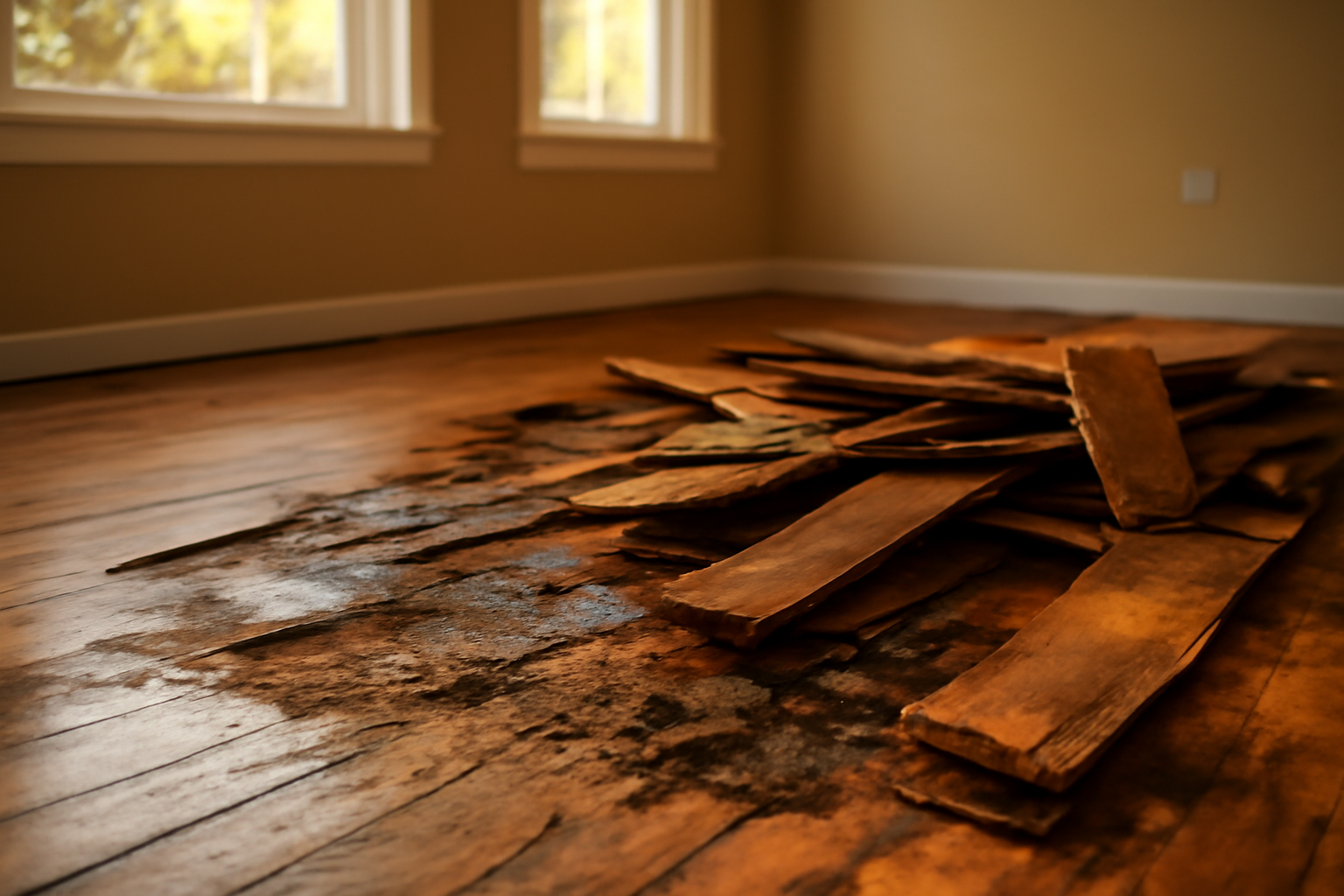
Warning Signs You Need Water-Damaged Flooring Removal
Sometimes, the signs of water damage aren’t obvious puddles. Catching these subtle indicators early can save you a lot of trouble and expense. Ignoring these warnings might mean that moisture is already working its way into your flooring and subfloor, setting the stage for bigger issues down the road. Being aware of what to look for is your first line of defense.
Musty Odors That Won’t Go Away
A persistent damp, musty smell, especially when the weather is humid or after a rain event, is a strong indicator of hidden moisture. This odor often means mold or mildew is starting to grow beneath your flooring. You’re dealing with unseen mold growth.
Warped or Buckled Flooring
Wood, laminate, and even some types of vinyl or carpet can visibly warp, buckle, or lift when they absorb too much moisture. This is a clear sign that the material is expanding and has likely been exposed to water for too long. Look for visible floor distortion.
Stains or Discoloration
Water can carry tannins from wood or leave mineral deposits that cause unsightly stains on carpets, wood, or even grout lines. These marks are often difficult or impossible to remove with standard cleaning methods. Don’t ignore unexplained floor staining.
Soft or Spongy Spots
If sections of your carpet feel unusually soft, spongy, or give way when you walk on them, it means the padding underneath is waterlogged and likely starting to break down. This indicates significant moisture saturation. You’re feeling saturated carpet padding.
Peeling or Loose Tiles
For tile floors, especially in areas prone to moisture like kitchens or bathrooms, peeling tiles or loose grout can signal that water has seeped underneath the tiles, compromising the adhesive and subfloor. This means underlying moisture damage.
Increased Humidity in the Room
A sudden or consistent increase in the humidity level within a specific room, even with your air conditioning running, can be a sign that moisture is trapped beneath your floors and evaporating into the air. This is a sign of trapped interior moisture.
Water-Damaged Flooring Removal vs. DIY: When To Call a Professional
| Situation | DIY? | Call a Pro? | Why |
|---|---|---|---|
| Minor spill on a waterproof vinyl floor | Yes | No | Quickly wiped up, it usually causes no lasting harm. |
| Small, isolated puddle on a carpet edge | Maybe | Yes | Can be blotted, but professional extraction prevents subfloor damage. |
| Whole room carpet soaked from a clean water leak (e.g., burst pipe) | No | Yes | Requires industrial extraction and rapid drying to prevent mold and subfloor rot. |
| Warped hardwood floors after a flood | No | Yes | Hardwood often needs professional removal and the subfloor must be assessed for extensive damage. |
| Water damage from a sewage backup (black water) | Absolutely Not | Yes | Requires specialized containment, removal, and sanitization for health safety. |
| Persistent musty odor and soft spots in carpet | No | Yes | Indicates hidden mold and saturation requiring expert assessment and removal. |
While small, minor spills on truly waterproof surfaces might be manageable yourself, any significant water intrusion or persistent moisture issues demand professional attention. The risks of mold, structural damage, and incomplete drying are too high to gamble with DIY methods for larger water-damaged flooring removal jobs. Professional intervention is key to ensuring your home is properly restored.
Water-Damaged Flooring Removal Cost In Pasadena, TX
The cost for Water-Damaged Flooring Removal in Pasadena, TX, can vary significantly. Factors like the total square footage affected, the type of flooring, the severity of saturation, and whether the subfloor needs attention all play a role. These estimates are meant to give you a general idea of what to expect in our area.
| Service Aspect | Typical Price Range | What Affects Cost |
|---|---|---|
| Emergency Water Extraction (per sq ft) | $0.50 – $2.00 | Volume of water and speed of response. |
| Carpet & Pad Removal (per sq ft) | $1.00 – $3.00 | Thick padding, glued-down carpet, or difficult access. |
| Tile/Hardwood Removal (per sq ft) | $2.00 – $6.00 | Type of adhesive used, complexity of removal, and floor condition. |
| Subfloor Drying (equipment rental/service) | $300 – $1,000+ | Size of the area, duration of drying needed, and humidity levels. |
| Subfloor Assessment & Minor Repair | $200 – $800 | Extent of rot, water damage, or warping found. |
| Disposal Fees | $100 – $500+ | Volume and weight of removed materials. |
These figures are approximate, and a precise quote requires an on-site evaluation of your specific situation. We offer free, no-obligation estimates so you know exactly what to expect before we begin any work.
Service Areas Near Pasadena, TX
La Porte, Deer Park, Galena Park, South Houston, Jacinto City, Channelview, Cloverleaf, Baytown, Webster, Seabrook, Kemah, League City, Friendswood, Pearland, Houston, Bellaire, Missouri City, Stafford, Sugar Land, Rosenberg
Common Questions About Water-Damaged Flooring Removal
What is the fastest way to remove water from my floors?
The fastest and most effective way to remove water from your floors is to call a professional water damage restoration team. We utilize powerful, industrial-grade water extraction equipment that can remove standing water much more efficiently than standard household wet vacuums. Our technicians are trained to identify and extract water from deep within carpets, padding, and subfloors, ensuring a truly dry foundation.
How long does it take to remove water-damaged flooring?
The timeline for removing water-damaged flooring can vary depending on the extent of the damage, the type of flooring, and the accessibility of the area. Simple carpet removal might take a day or two, while dealing with glued-down tile or hardwood, plus necessary subfloor drying, could extend to several days or even a week. We work diligently to complete the removal process as quickly as possible while ensuring thorough moisture elimination.
Is it safe to leave water-damaged flooring in place for a few days?
No, it’s generally not safe or advisable to leave water-damaged flooring in place for an extended period, especially more than 24-48 hours. Within this timeframe, mold and mildew can begin to grow, releasing spores into your air and potentially causing health issues. Furthermore, prolonged moisture can lead to irreversible damage to your subfloor and the structural integrity of your home. Prompt removal is crucial for preventing health hazards and structural compromise.
What equipment do you use for water-damaged flooring removal?
Our team uses a variety of specialized equipment for effective water-damaged flooring removal. This includes truck-mounted and portable water extractors for removing standing water, high-velocity air movers and industrial dehumidifiers for drying the subfloor, and specialized tools for carefully removing different types of flooring like tile, hardwood, and carpet. We also employ moisture meters to ensure complete dryness before any reconstruction begins.
Will my homeowner’s insurance cover water-damaged flooring removal?
Often, homeowner’s insurance policies cover water damage, especially if it resulted from a sudden and accidental event like a burst pipe or appliance malfunction. However, coverage can vary, and policies typically exclude damage from gradual leaks or flooding. It’s always best to review your specific policy details and contact your insurance provider. We can work with your adjuster to document the necessary steps for covered water damage restoration.
Check Our Other Relevant Services

Gary Gwin: Damage Restoration Expert
With over 20 years of hands-on experience, Gary Gwin is a trusted authority in property recovery and disaster mitigation. As a licensed specialist, Gary has dedicated his career to restoring safety and peace of mind for homeowners facing environmental crises.
𝗖𝗲𝗿𝘁𝗶𝗳𝗶𝗰𝗮𝘁𝗶𝗼𝗻𝘀: Gary holds multiple advanced IICRC certifications, including Water Damage Restoration (WRT), Applied Microbial Remediation (Mold), Applied Structural Drying (ASD), Odor Control, and Fire and Smoke Restoration. His deep technical knowledge ensures every project meets the highest industry standards for health and safety.
𝗕𝗲𝘀𝘁 𝗣𝗮𝗿𝘁 𝗼𝗳 𝘁𝗵𝗲 𝗝𝗼𝗯: Gary finds the most fulfillment in guiding families through the recovery process, transforming a chaotic property loss into a restored, habitable home.
𝗙𝗮𝘃𝗼𝗿𝗶𝘁𝗲 𝗣𝗮𝘀𝘁𝗶𝗺𝗲: When off the clock, Gary enjoys exploring local hiking trails and woodworking.